
Understanding the role of commercial interior designers is essential for any business looking to create a functional and impactful workspace. From planning layouts to aligning design with brand identity, these professionals play a key role in shaping how a space performs. In this guide, OSCA Asia will explore what a commercial interior designer does, their responsibilities, and how to choose the right partner for your project.
1. What is a commercial interior designer?
A commercial interior designer is a professional who specializes in creating functional and visually engaging spaces for businesses and organizations. Unlike residential design, which focuses on personal living environments, commercial interior designers work on non-residential spaces where efficiency, branding, and user experience play a critical role.

Commercial interior designers for office productivity and efficiency
At its core, commercial interior design is about more than aesthetics. It combines strategic planning with creative execution to ensure that a space supports business goals. Whether it’s improving employee productivity in an office or enhancing customer experience in a retail store, an interior designer for commercial projects must balance functionality, brand identity, and spatial efficiency.
There are significant differences between residential designers and commercial interior designers.
- Scale & complexity: Commercial projects are often larger in scale and involve more complex requirements. Designing a corporate office or a shopping space requires deeper planning compared to a home environment.
- Compliance (codes, safety, accessibility): A key responsibility in commercial interior design is ensuring compliance with building regulations, fire safety standards, and accessibility requirements. These technical aspects are far more demanding than in residential projects.
- Stakeholder involvement: Residential design typically involves working with individual homeowners, while commercial interior designers collaborate with multiple stakeholders such as business owners, project managers, contractors, and even branding teams.
Commercial interior designers work across a wide range of industries, each with its own functional and aesthetic requirements:
- Offices: Focused on productivity, collaboration, and employee well-being. This is where corporate interior design plays a major role in shaping company culture.
- Retail Stores: Designed to attract customers, enhance product display, and improve the shopping experience.
- Hospitality (Hotels, Restaurants): Emphasize ambiance, comfort, and memorable guest experiences.
- Healthcare Facilities: Require careful planning for hygiene, safety, and patient comfort.
- Co-working Spaces: Flexible environments that support different working styles and foster community interaction.
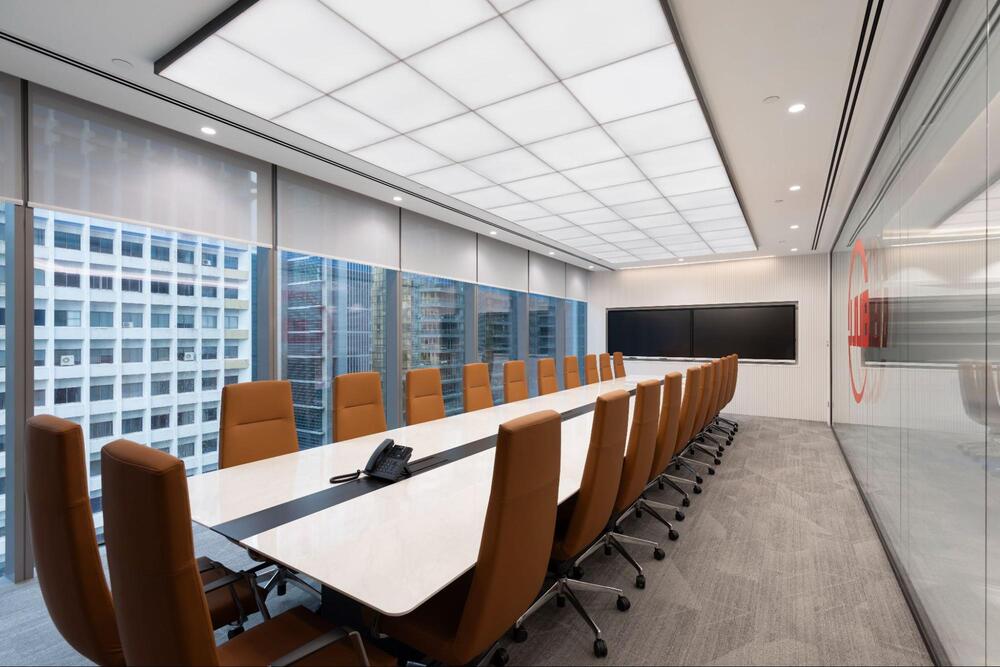
Corporate office interior design for productivity and collaboration
2. What does a commercial interior designer do? (Step-by-step process)
To understand what a commercial interior designer does, it is helpful to break the process down into clear, structured steps. The sections below outline each stage in the commercial interior design process.
2.1 Understanding client needs and business goals
The first step in what does a commercial interior designer do is gaining a deep understanding of the client’s business. A commercial interior designer evaluates brand identity, analyzes workflow, and considers employee experience to ensure the design supports both operational efficiency and overall business objectives.
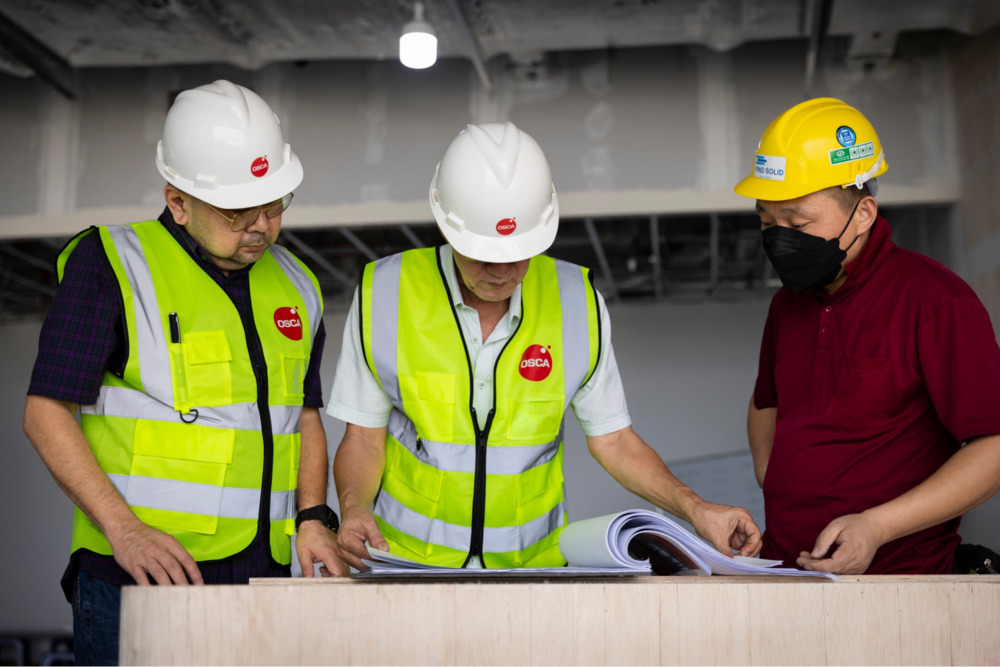
Commercial interior designer analyzing business needs and brand identity
2.2 Space planning and layout optimization
At this stage, a commercial interior designer focuses on organizing the space for maximum efficiency. This includes optimizing layout usage and creating clear zones, such as collaboration areas and focused workspaces, to improve functionality and user experience in commercial interior design projects.

Space planning and layout optimization in commercial interior design
2.3 Concept development and design strategy
In this stage, a commercial interior designer defines the overall look and feel of the space. This includes selecting color schemes, materials, and design language that align with the brand positioning, ensuring a cohesive and impactful commercial interior design concept.

Commercial interior design concept development and material selection
2.4 Technical design and documentation
At this stage, a commercial interior designer translates the concept into detailed technical plans. This includes drawings, 3D renders, and coordination with MEP systems to ensure the commercial interior design is accurate, feasible, and ready for execution.
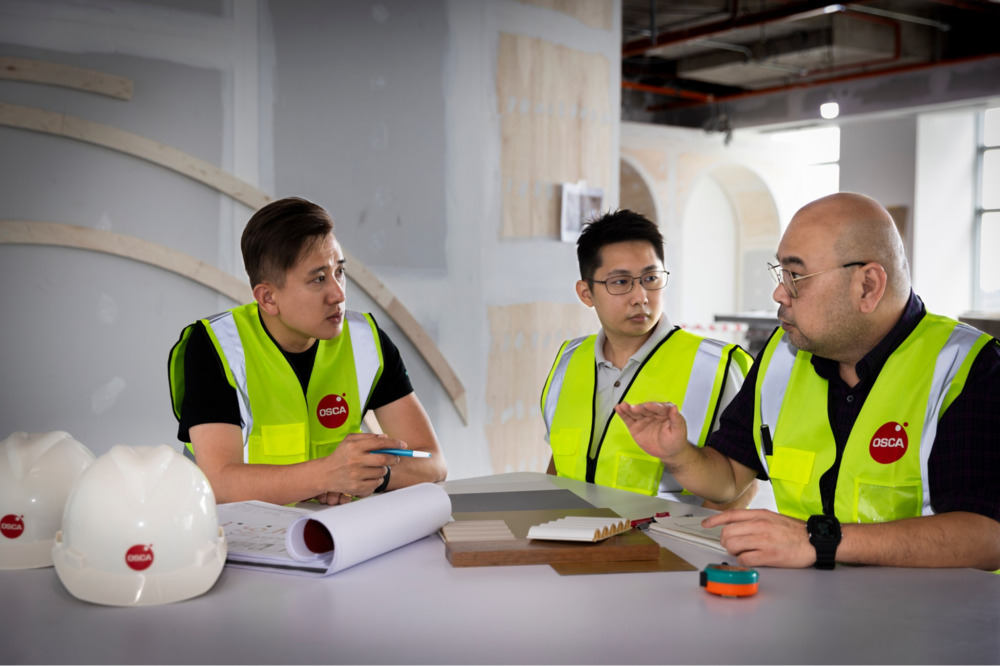
Technical drawings and 3D rendering in commercial interior design
2.5 Project management and execution
During this phase, a commercial interior designer oversees the entire implementation process. This includes managing budgets, controlling timelines, and coordinating with contractors to ensure the commercial interior design is executed smoothly and according to plan.

Contractors coordination in office fit-out projects
2.6 Final styling and post-completion support
In the final stage, a commercial interior designer completes the space with furniture and decor installation. They may also provide ongoing support and maintenance to ensure the commercial interior design continues to function effectively and remains aligned with evolving business needs.

Final styling and furniture installation in office interior design
3. Roles and responsibilities of a commercial interior designer
Beyond the design process, a commercial interior designer takes on multiple roles throughout a project. These responsibilities ensure that commercial interior design delivers both functional and business value.
3.1 Strategic role
A commercial interior designer plays a strategic role by aligning design decisions with business goals. This includes developing workplace strategies, supporting change management, and ensuring the space enhances performance within corporate interior design environments.
3.2 Creative role
In their creative role, a commercial interior designer transforms ideas into engaging physical environments. This involves visual storytelling and integrating brand identity into the space to create a cohesive and memorable commercial interior design experience.
3.3 Technical role
A commercial interior designer is also responsible for ensuring that the design meets all technical requirements. This includes compliance with building codes and adherence to sustainability standards such as LEED and WELL, which are essential in modern commercial interior design projects.
3.4 Managerial role
In a managerial role, a commercial interior designer oversees project coordination and manages vendors and stakeholders. This ensures the commercial interior design process runs smoothly, with clear communication and efficient execution at every stage.
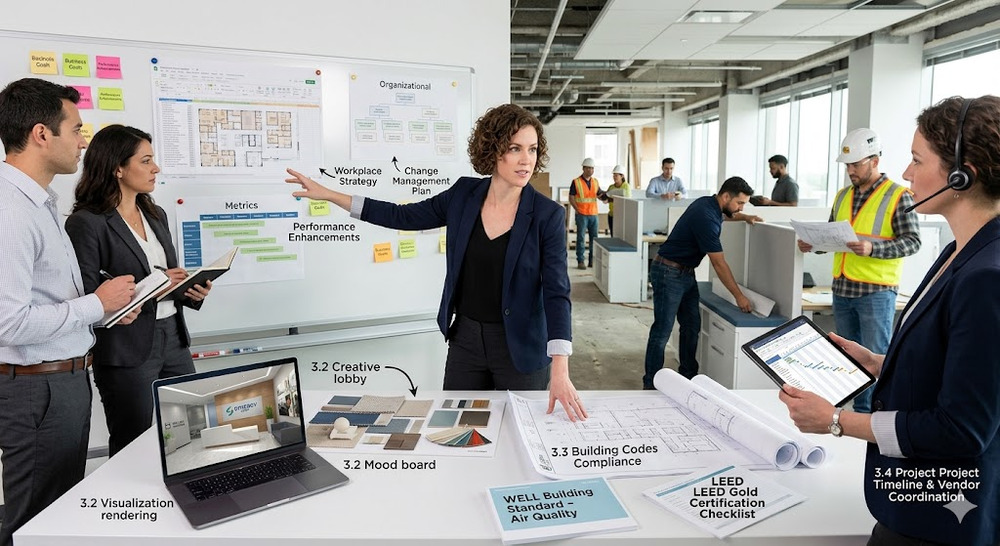
Project planning by commercial interior designers
4. Skills and requirements of a commercial interior designer
A commercial interior designer needs the right educational background, practical abilities, and industry knowledge to deliver effective and high-performing spaces.
4.1 Educational background
A commercial interior designer typically has a background in interior design, architecture, or a related field. While certifications are optional, they can add value by demonstrating expertise and professionalism in commercial interior design.
4.2 Key skills
A commercial interior designer needs a combination of creative and practical skills to succeed. These include space planning and proficiency in CAD software, along with project management, communication, and client handling abilities. Strong problem-solving skills are also essential in commercial interior design to address complex design and operational challenges.
4.3 Knowledge areas
A commercial interior designer must have a strong understanding of key knowledge areas such as materials and finishes, ergonomics, lighting design, and sustainability practices. This expertise ensures that commercial interior design solutions are not only visually appealing but also functional, comfortable, and efficient.
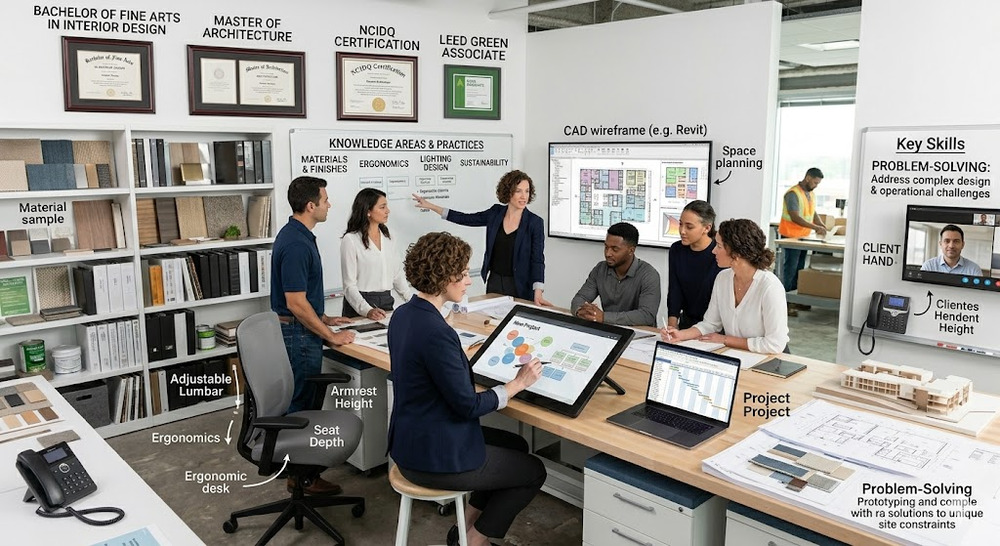
Key skills of a commercial interior designer
5. How to choose the right commercial interior designer?
Choosing the right commercial interior designer is essential to ensure your project meets both functional and business goals. With many commercial interior design firms available, evaluating key factors like experience, approach, and service scope will help you find the best fit.
Portfolio & Experience
Reviewing a designer’s portfolio helps you understand their expertise and past work. Look for commercial interior designers with experience in projects similar to your industry, as this ensures they understand specific functional and design requirements.
Design Approach
A strong commercial interior designer should go beyond aesthetics and focus on human-centric design. This means creating spaces that enhance user experience, productivity, and overall business performance, not just visual appeal.
Full-Service Capability
Some professionals offer design-only services, while others provide full solutions. Many commercial interior design firms offer design & build services, handling everything from concept to execution, which can streamline the entire process.
OSCA is an established team of commercial interior designers in Asia, with a strong presence across key markets such as Singapore, Malaysia, Vietnam, and Indonesia. Since its founding in 2010, OSCA has grown into a trusted partner for corporate clients, delivering innovative, productivity-driven workspaces that align closely with each brand’s identity and operational goals.

OSCA commercial interior designers delivering modern workspaces
With over a decade of experience, OSCA has successfully completed a diverse portfolio of office projects across industries including finance, technology, logistics, and media. As experienced commercial interior designers, the team specializes in translating business strategies into functional, high-impact environments—enhancing collaboration, optimizing space efficiency, and supporting employee well-being. From large-scale corporate headquarters to flexible, multi-purpose offices, OSCA consistently delivers projects on time, within budget, and to the highest quality standards.
OSCA offers a fully integrated suite of services, including Design & Build, Project Management, and Workplace Strategy. This end-to-end approach ensures a seamless journey from concept and feasibility studies to construction and ongoing support. By combining creative design thinking with technical expertise and precise execution, OSCA helps businesses reduce risks while maximizing long-term value.
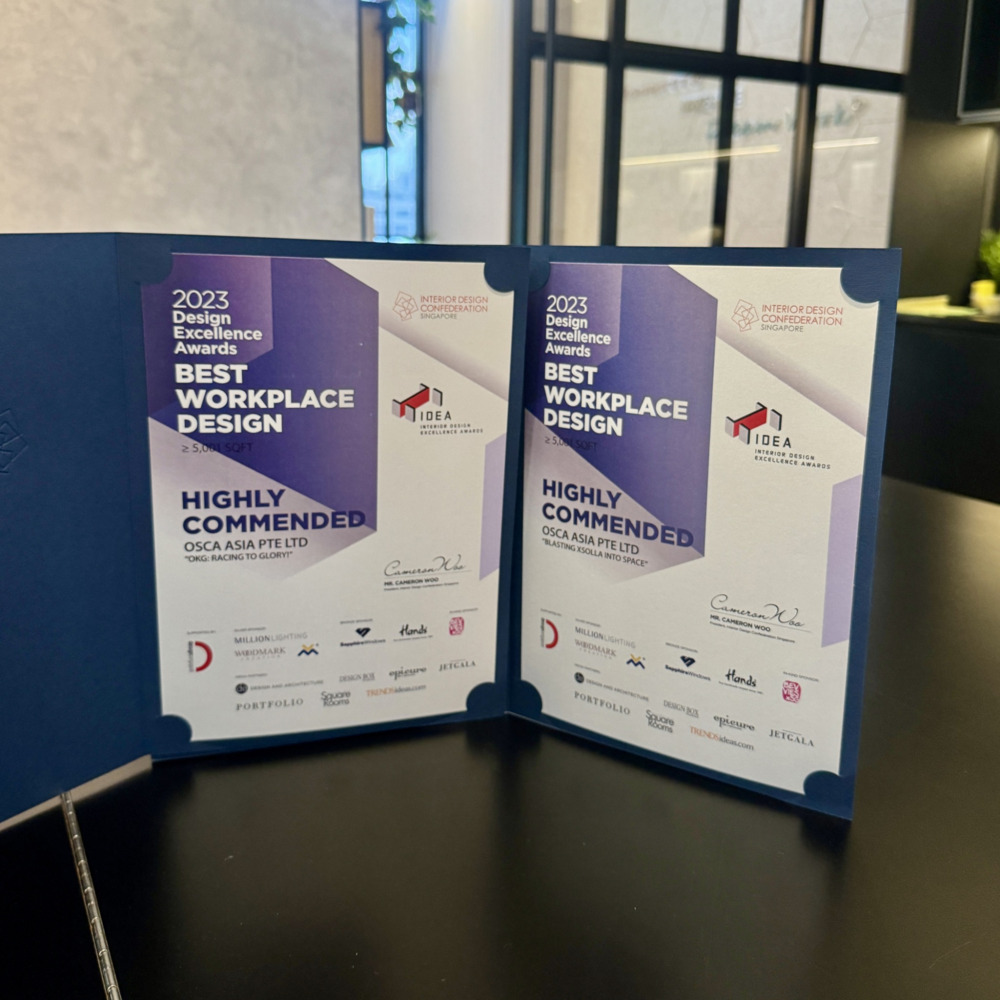
Winning award in office interior design projects by OSCA
Driven by a human-centric design philosophy, OSCA continues to lead as one of Asia’s trusted commercial interior designers, shaping modern workplaces where design, performance, and brand experience come together to create meaningful business impact.
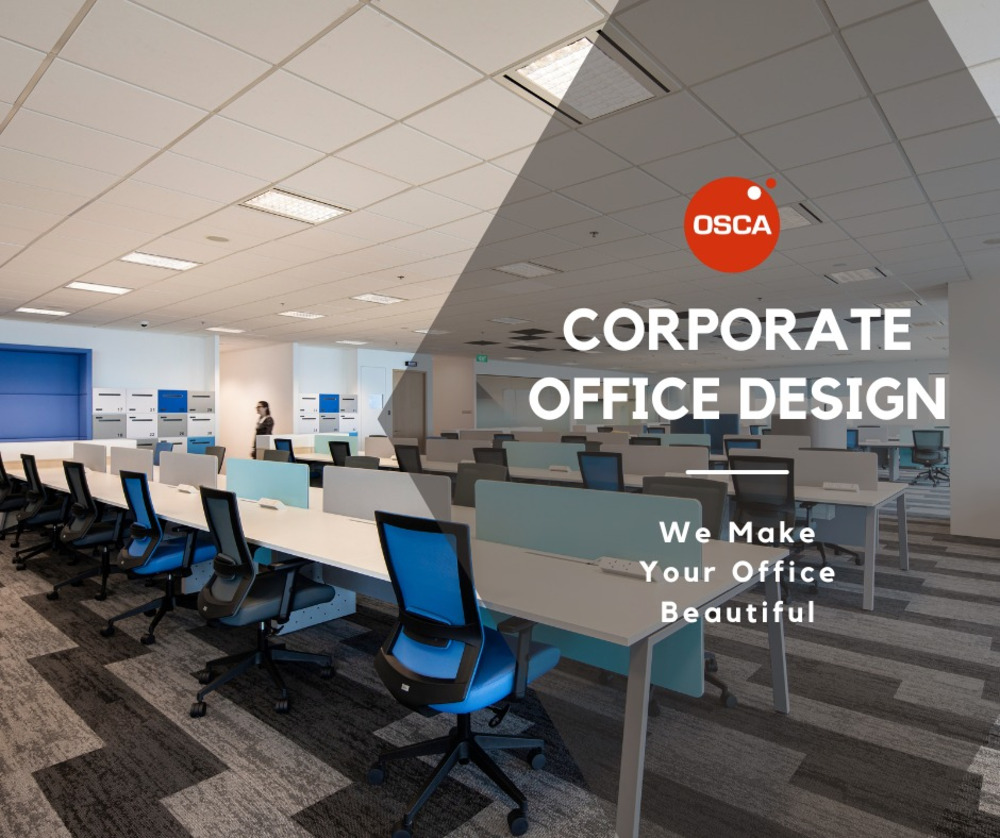
OSCA office design project with brand-aligned concept
Choosing the right commercial interior designers can make a significant difference in how your space supports business growth, productivity, and brand identity. If you are looking for a trusted partner, OSCA is a leading name in commercial interior design in Asia, offering end-to-end solutions from concept to completion. With a strong focus on performance-driven and brand-aligned spaces, OSCA helps businesses transform their environments into high-impact workplaces.