
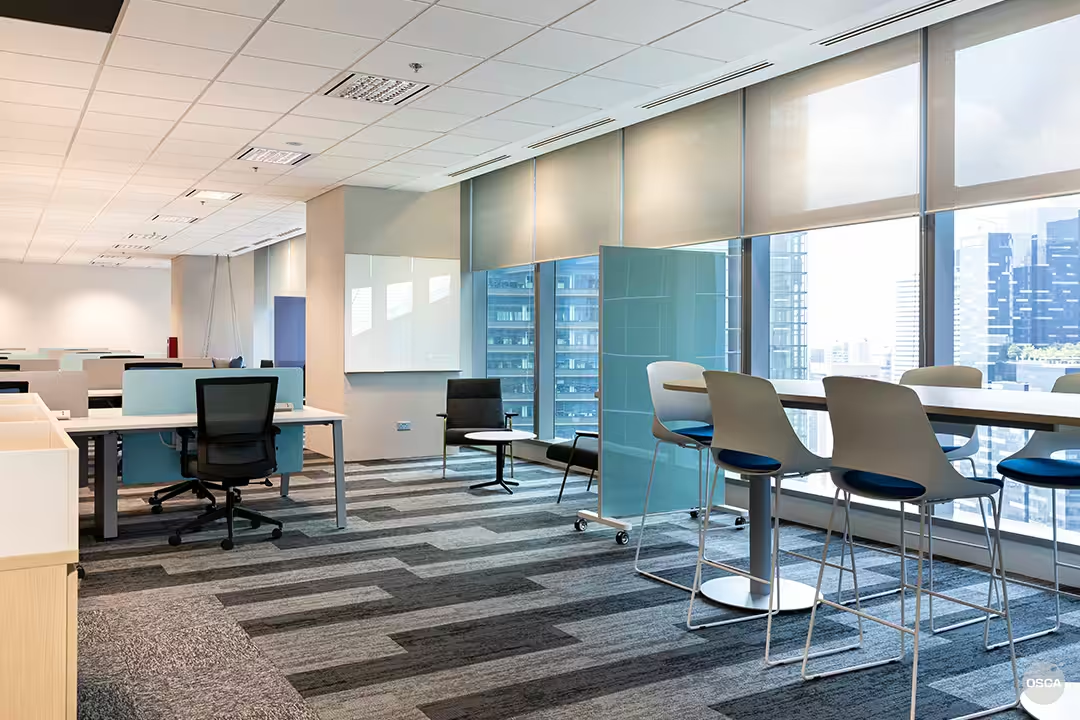
So, you’re thinking of giving your office a fresh, new look, and it’s the perfect time to rethink your entire workspace layout. Whether you’re expanding the team, adapting to new working styles, or simply wanting a change, deciding between the type of office space layout, whether an open-plan or closed office can feel like a big choice. Each option has unique benefits—and challenges—that can shape productivity, teamwork, and the overall mood of your office.
Here’s a quick look at how the types of office space layout can impact your business, helping you make a choice that best supports your team’s needs, culture, and comfort.
Contents
1. Collaboration and Communication
An open-plan office naturally fosters communication. By removing physical barriers, team members can share ideas, collaborate on projects, and feel more connected. If your workplace thrives on collaboration and frequent brainstorming sessions, an open layout can be a perfect fit. Open spaces also help boost visibility, making it easier for team leaders to keep track of what’s happening across departments.
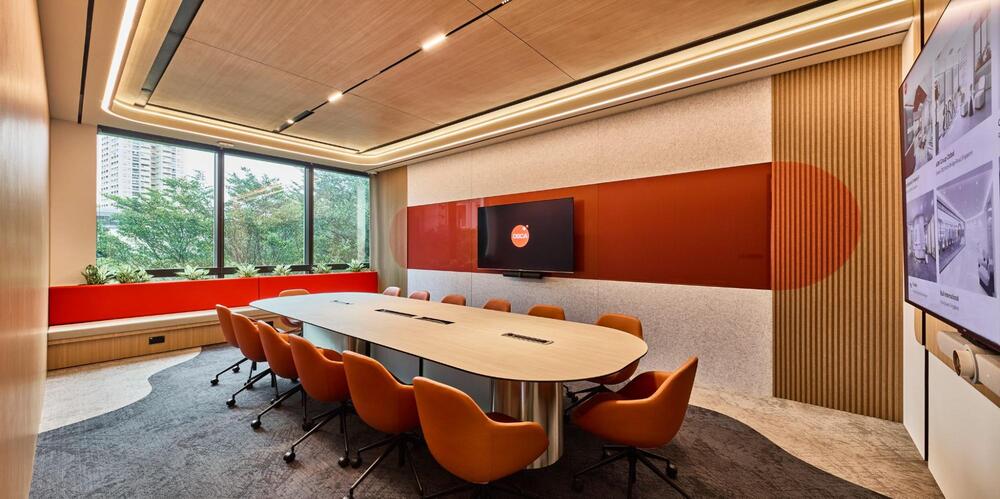
On the flip side, closed offices create defined, private spaces, which may hinder spontaneous discussions and teamwork. However, this can be an advantage if your business often hosts clients or guests on-site but wants to restrict access to the workspace. A closed-office layout offers controlled entry, protecting sensitive areas while keeping guest interactions in designated zones.
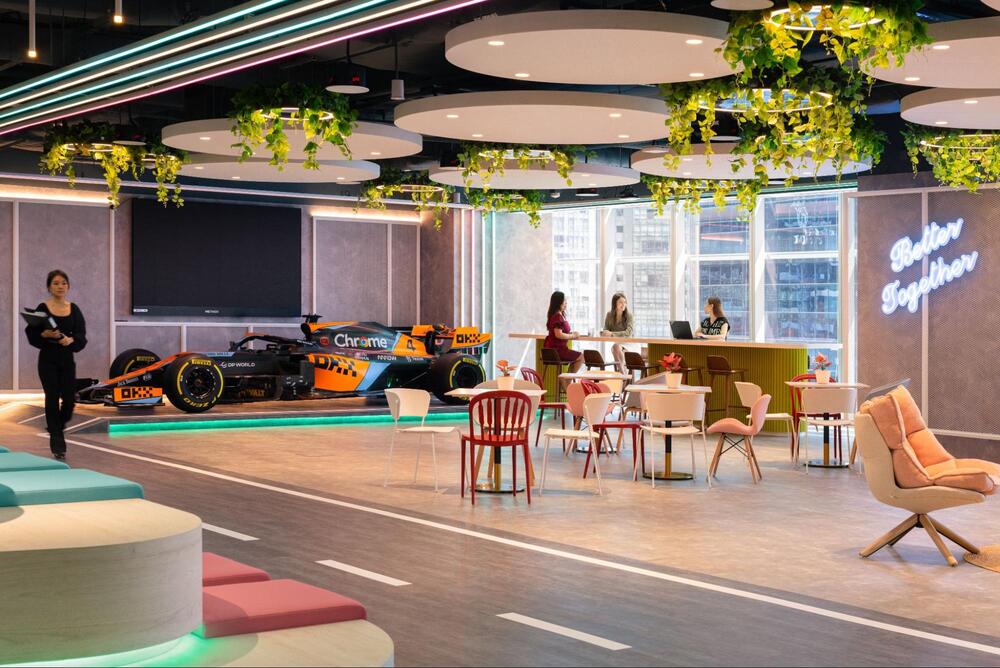
This is particularly useful in showroom-office hybrid spaces, where visitors and employees can experience product showcases before moving into more private meeting rooms or work areas. For businesses dealing with sensitive information, a closed layout provides an added layer of security—ideal for areas like server rooms, which should not be easily accessible, especially in spaces frequented by guests.
This type of office space layout provides not only enhanced privacy and discretion but also creates a curated journey that enhances the brand experience and maintains a structured flow within the workspace.
2. Privacy and Concentration
In an open-plan setting, noise and distractions can become common challenges. When teams are collaborating in close quarters, the buzz of conversation or the sound of a phone call can interrupt employees who are trying to focus. If a job requires high concentration or if your team includes roles where undisturbed focus is essential, an open office could be a bit disruptive. Some companies try to counteract this by creating “quiet zones” or using noise-cancelling furniture, but these may not fully resolve noise issues.
Closed offices, however, give employees the chance to work with greater privacy and fewer distractions. In individual offices or cubicles, people can fully concentrate on tasks without the usual open-office interruptions. This layout can be ideal for roles that demand concentration, like finance or legal departments. Employees often find they can dive into deep work and maintain productivity more easily when they have their own space.
3. Flexibility and Adaptability
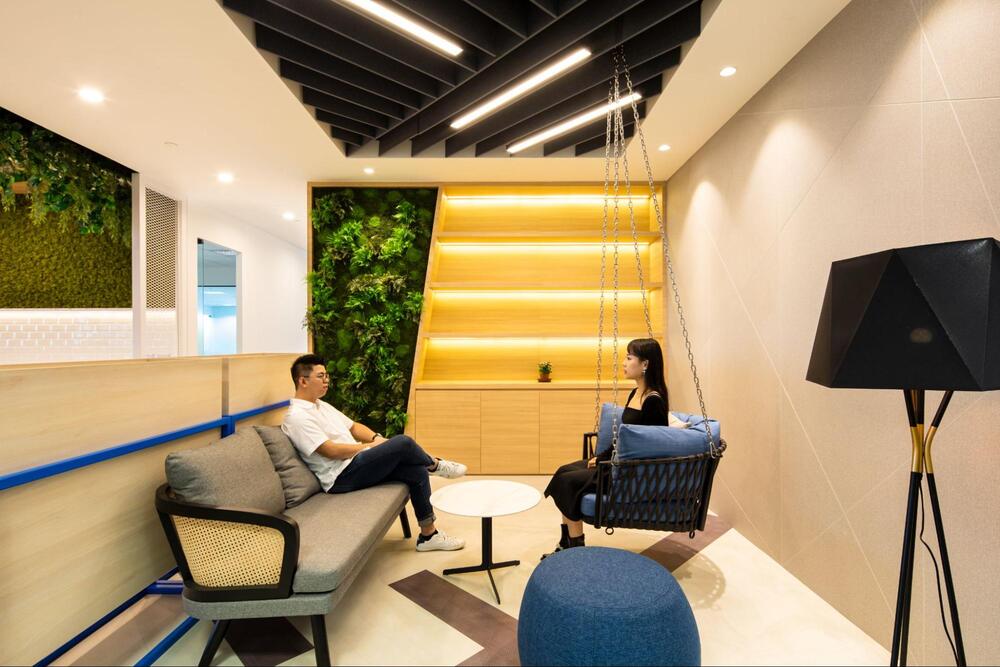
Workforce dynamics change, and so do organisational needs. Open and modern office interior designs are created to be more flexible, allowing easy changes to accommodate growth, new teams, or project-based workgroups. You can rearrange desks, add breakout areas, or create small “pods” such as phone booths for project teams without much hassle.
Quickly becoming a trendy addition to office spaces, these booths provide private, quiet areas for calls or focused work, offering flexibility in both design and function. In fact, they’ve become a recurring purchase for companies aiming to achieve adaptability within their office layout. If your business is fast-growing or regularly shifting roles, the adaptability of an open plan, along with these versatile pods, could be particularly advantageous.
However, closed office design interiors offer a different type of stability. They’re less flexible by design, but for companies with fixed teams or established processes, closed layouts provide structure. Some organisations blend the two, opting for semi-open layouts with closed offices for managers or team leaders who need designated spaces. Hybrid options are also growing in popularity, with movable partitions or glass walls providing some flexibility while still offering a level of privacy when needed.
4. Employee Preferences and Well-being
The final piece of the puzzle is your team’s happiness and comfort. Open-plan offices can feel energising for social, collaborative employees, but they can also be overstimulating for introverted or task-focused individuals. Some employees thrive in open spaces, while others feel more comfortable with a bit of personal space where they can settle in without distraction.
Closed offices provide a quieter, more controlled environment that can reduce stress and increase job satisfaction for those who value personal space. Considering your team’s preferences and work styles is key to promoting well-being. Ultimately, happy employees are productive employees, so it’s wise to take into account both extroverts and introverts when making your decision.
Choosing between the two types of office space layouts isn’t just about aesthetics; it’s about aligning your office space with your company’s culture, work style, and goals. Whether you go with an open plan for its collaboration boost, a closed design for its privacy or even a hybrid model, finding the right fit can transform your workspace into a place where efficiency and creativity flourish.
At OSCA Asia, we specialise in creating inspiring, functional office interior designs that match your team’s needs and your brand’s personality. Reach out to us today to start planning the best office layout design that not only meets your vision but also enhances your employees’ well-being and productivity. Let’s design a workspace that empowers your team to thrive!

One Response
Exploring the differences between open and closed work areas highlights how layout affects acoustics, collaboration, and privacy. Matching design with team habits and task types seems important for daily comfort and productivity. What workspace feature would you choose first if you were redesigning an office today?