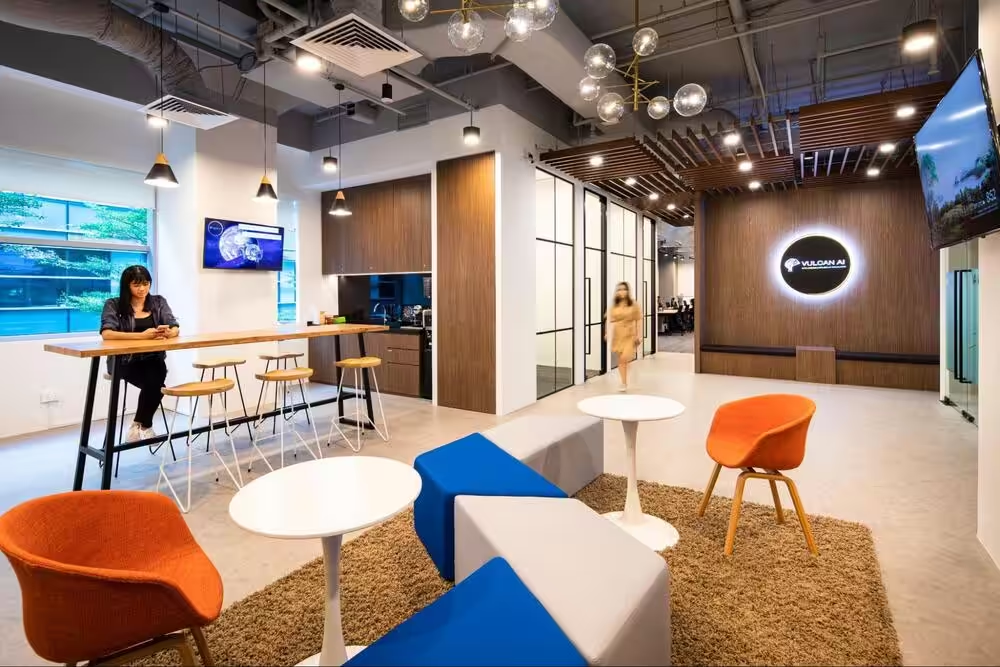
Effective office lighting design shapes productivity, concentration, and long-term well-being. Consistent, well-planned illumination reduces visual strain, minimises errors and supports sustained focus, while poor lighting strains the eyes and disrupts natural rhythms. Lighting also influences how a workspace feels, helping it appear larger,more professional and visually balanced – a key priority in modern Singapore offices with glass partitions, open ceilings, and flexible layouts. Read more with OSCA Asia.
1. Office Lighting Requirements in Singapore
Office lighting design within Singapore’s workplaces must satisfy a framework of regulations that balance safety, efficiency, health, sustainability, and user experience.
Singapore Standards SS 531: Light Levels and Visual Comfort
Singapore Standards SS 531 sets the baseline for illuminance (lux), glare control, and colour rendering in workplaces. SS 531 requires designers to keep workspaces within safe illuminance ranges that support reading, typing, meetings, and precision work. These benchmarks apply to general overhead lighting, task lighting, and accent fixtures. They guide decisions on office ceiling light layout and luminaire distribution.
To follow SS 531, take the following steps:
- Measure light levels in all zones with a handheld lux meter.
- Compare each result with SS 531 values.
- Use LEDs to stabilise output across the day.
- Adjust fixture placement to remove shadows and glare.
- Add task lights where SS 531 recommends higher lux levels.
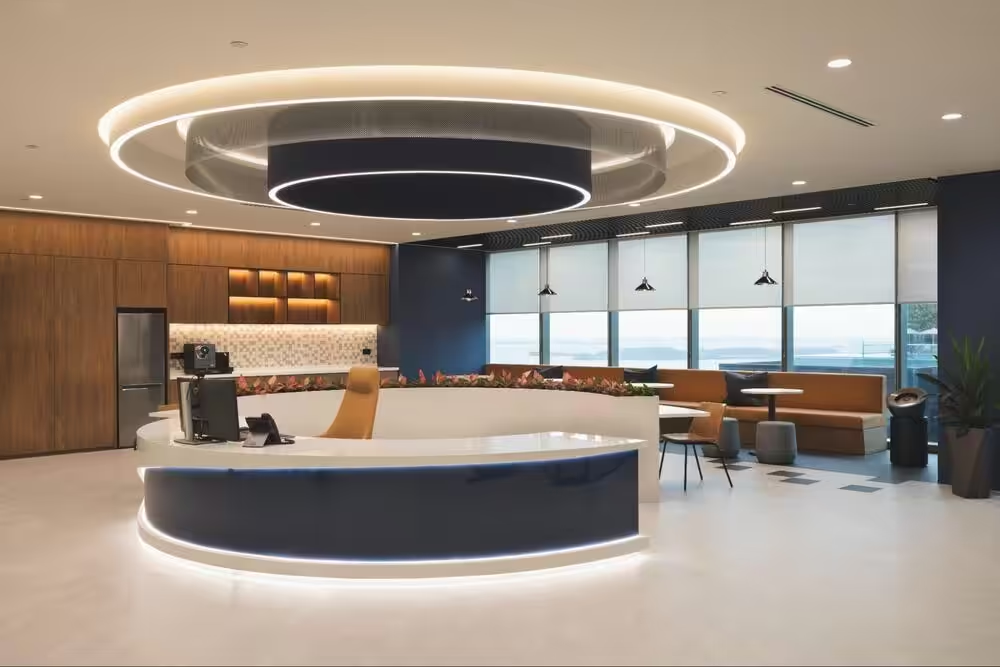
SS 531-compliant office lighting design plan
NEA Energy Efficiency Requirements
The National Environment Agency (NEA) sets energy guidelines that promote efficient lighting. NEA encourages the use of low-energy LED technology, daylight sensors, and occupancy controls to reduce consumption. These rules apply to both new offices and renovation projects, including open-plan offices and enclosed rooms.
To meet NEA guidelines:
- Replace fluorescent tubes with high-efficacy LED fixtures.
- Install motion sensors in meeting rooms and quiet rooms.
- Add daylight sensors along windows to control artificial lighting.
- Use office pendant lighting only where task or accent needs are clear.
- Select fixtures with high lumens-per-watt ratings.
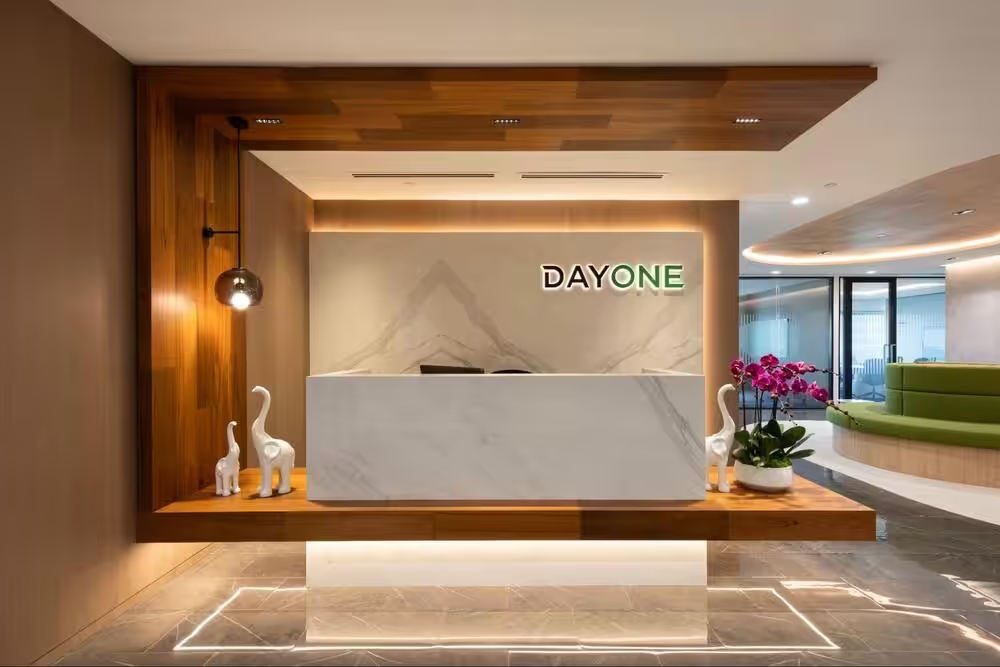
Energy-efficient LED fixtures recommended for NEA compliance
BCA Green Mark Requirements for Sustainability
Green Mark certification focuses on sustainability and indoor environmental quality. Lighting forms a key part of the scoring system. Green Mark encourages energy-efficient fittings, good daylight integration, and controls that reduce waste. The system supports a long-term approach for maintenance and encourages businesses to plan lighting layouts early.
To work toward Green Mark alignment:
- Create a layout that maximises daylight penetration.
- Reduce reliance on artificial lighting along the perimeter.
- Choose dimmable LEDs for flexible office ceiling lighting ideas.
- Integrate lighting with HVAC and ceiling systems.
- Use long-life fixtures to reduce waste.
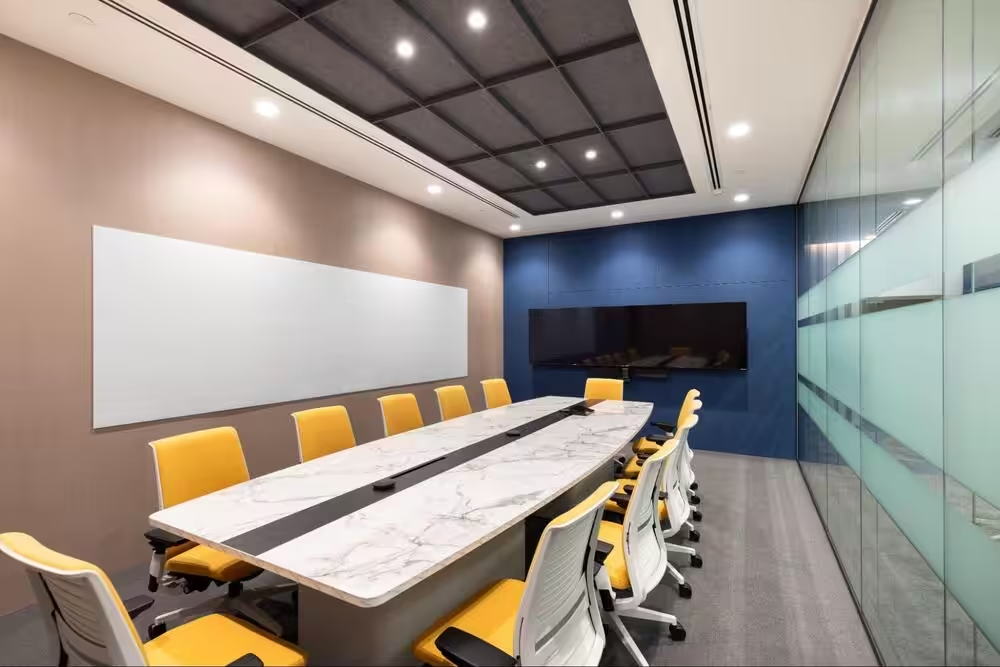
Green Mark-aligned lighting strategy by OSCA
WELL and LEED Lighting Considerations
WELL and LEED frameworks prioritise on health, comfort, and performance. Lighting requirements in these systems cover glare reduction, circadian support, and visual clarity. WELL encourages cooler daytime lighting and warmer evening levels, while LEED rewards energy-efficient design.
Follow these steps to align with WELL and LEED:
- Use indirect lighting to reduce glare.
- Balance natural and artificial light across all rooms.
- Avoid over-lighting workstations.
- Introduce office room lighting ideas that support task accuracy.
- Position fixtures to avoid reflection on screens.
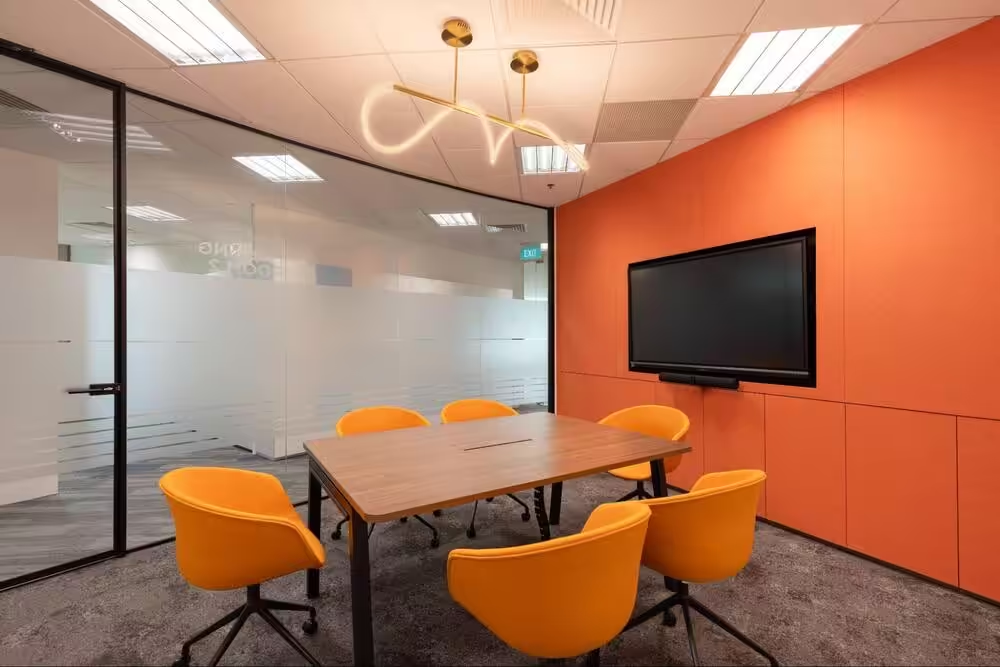
WELL-Compliant lighting layout supporting visual comfort and health
2. Types of Office Lighting Design
Office lighting design is built on five core lighting types: ambient, task, accent, decorative, and natural lighting. Each type supports a different functional need within the workplace.
2.1 Ambient Lighting: Setting the Mood for a Balanced Workspace
Ambient lighting provides the primary illumination of an office and establishes the visual foundation of the entire workspace. Typically delivered through downlights, troffers, or linear LED fixtures, it creates uniform brightness that enables staff to move through the space and carry out everyday tasks with ease. Effective ambient lighting minimises shadows across circulation routes, workstations, and shared meeting areas, while supporting contemporary office layouts, including open-plan environments with exposed ceilings or suspended systems.
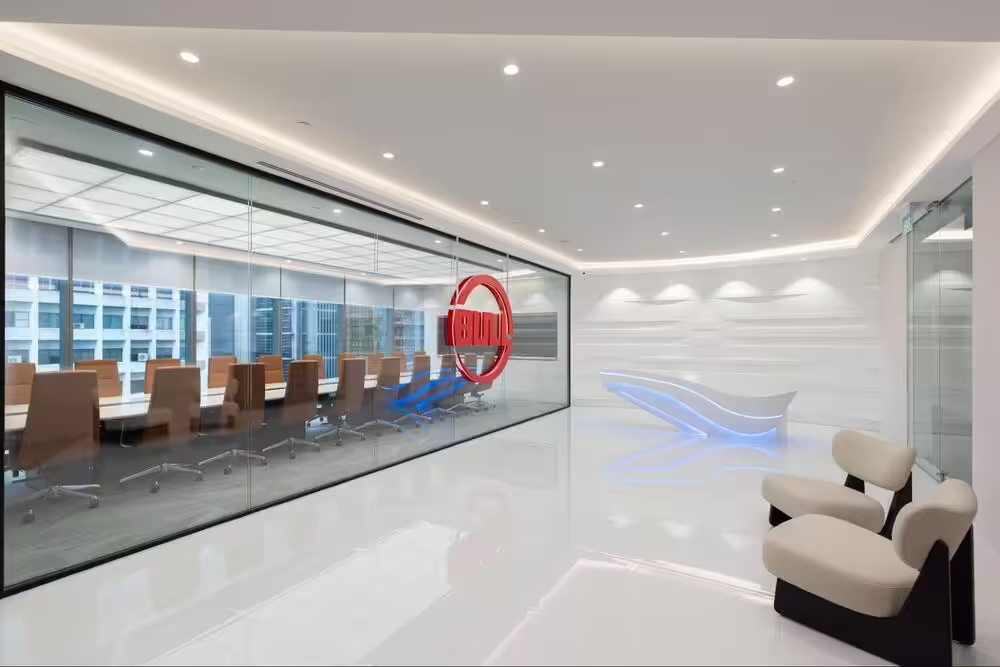
Ambient office lighting layout in a modern Singapore workspace
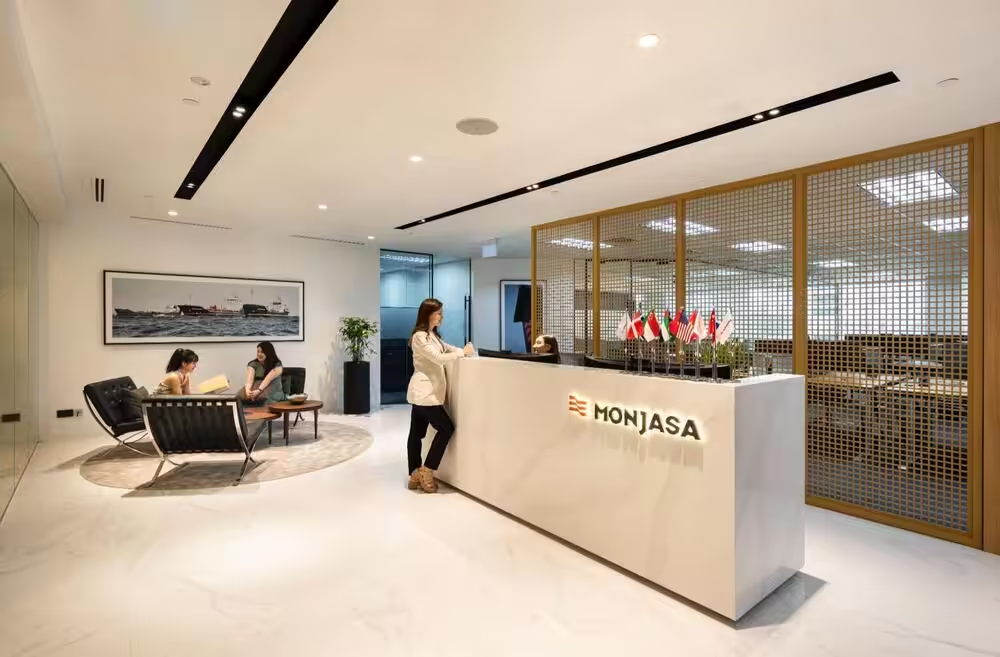
Office with even ambient lighting designed by OSCA
2.2 Task Lighting: Focus Where It Matters to Support Daily Performance
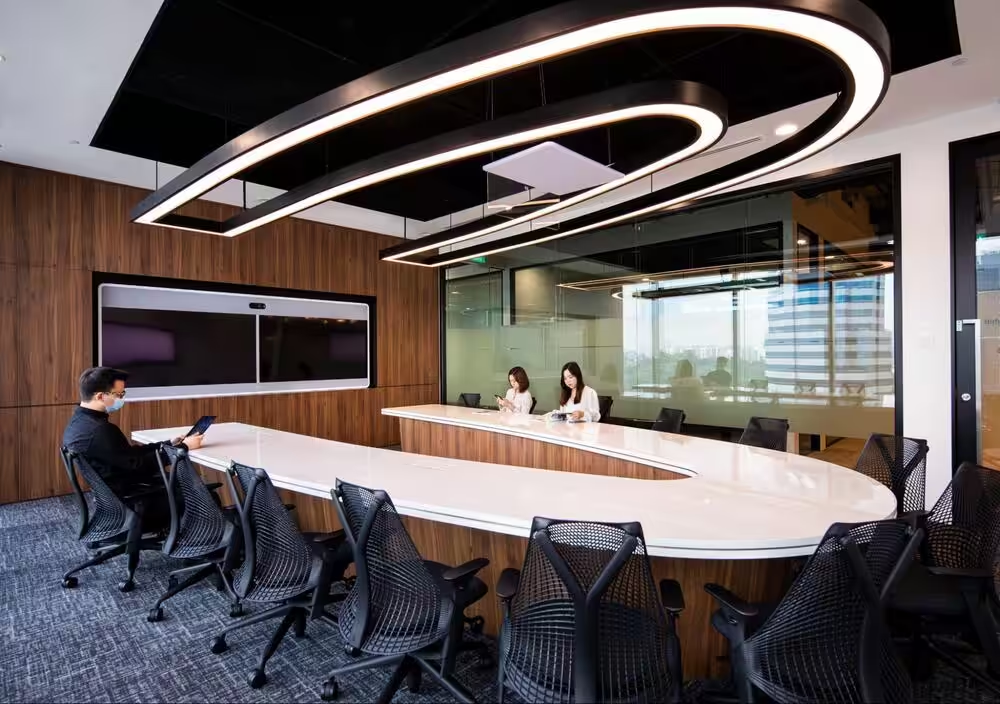
Task lighting enhances visibility for work that demands precision, particularly at workstations, collaboration areas, and meeting rooms. Delivered through desk lamps, under-cabinet fixtures, focused downlights, or pendants positioned above task surfaces, it supplies concentrated and reliable brightness for reading, writing, data processing, and computer-based activities. By adapting to tasks that change throughout the day, task lighting becomes an essential component of effective office lighting design strategies and supports consistent performance across varied work modes.
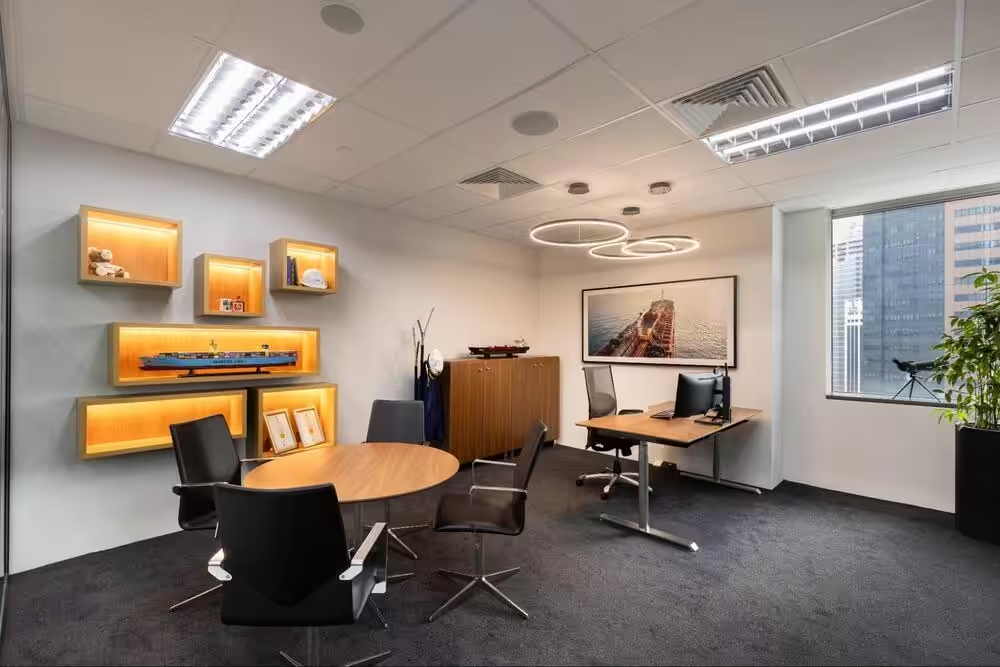
Task lighting for workstations designed by OSCA
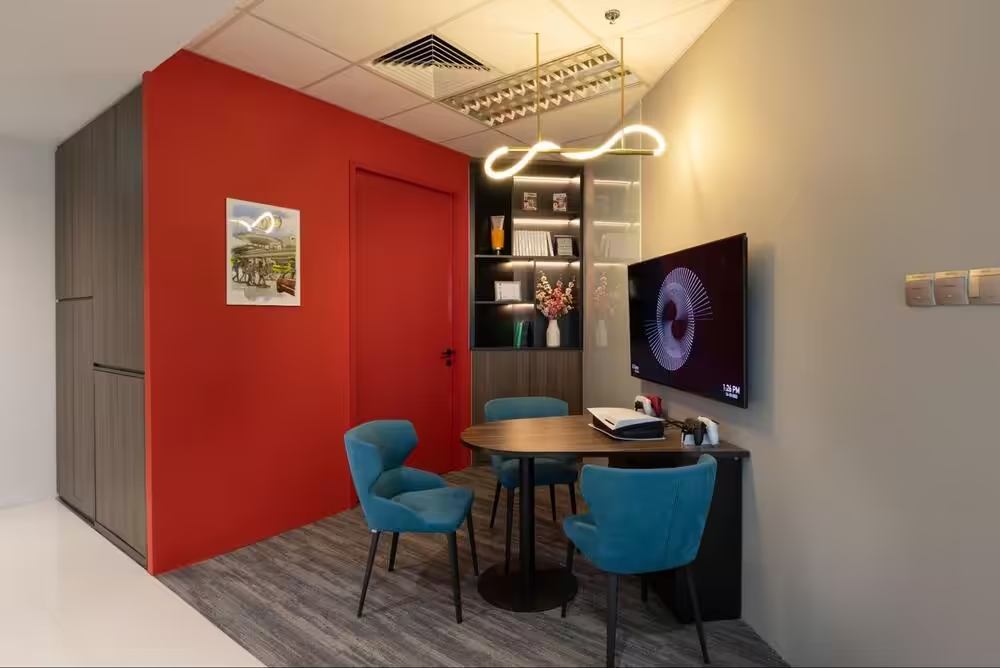
Ergonomic task lighting arrangement for individual workstations
2.3 Accent Lighting: Adding a Touch of Sparkle to Elevate Brand Identity
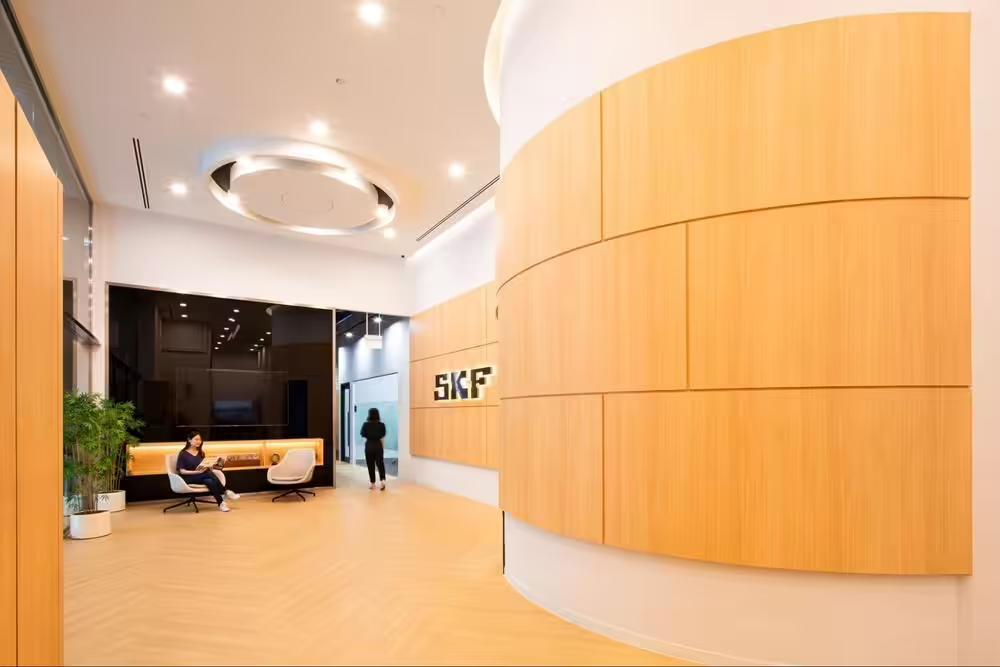
Accent lighting emphasises key architectural and branded elements, from reception counters and feature walls to artwork, signage, and display areas. In creative and technology-focused workplaces, it also reinforces identity and aids wayfinding. By directing attention and establishing visual hierarchy, accent lighting influences how people perceive and navigate a space, often shaping their first impression. It is typically achieved through narrow-beam spotlights, wall washers, track lights, or linear grazers.
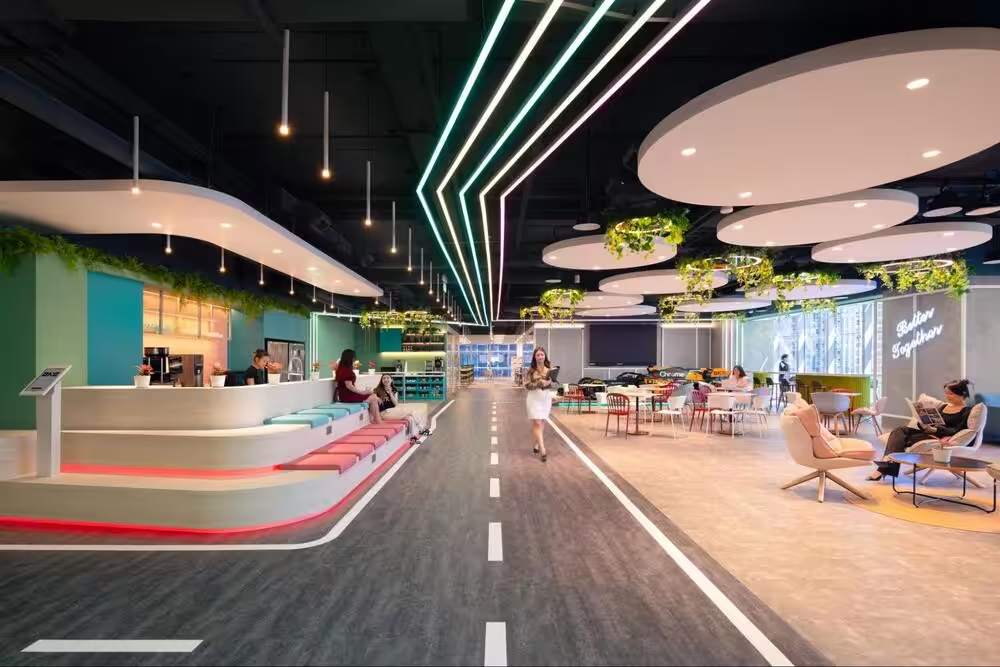
Accent lighting highlighting brand elements in corporate interiors
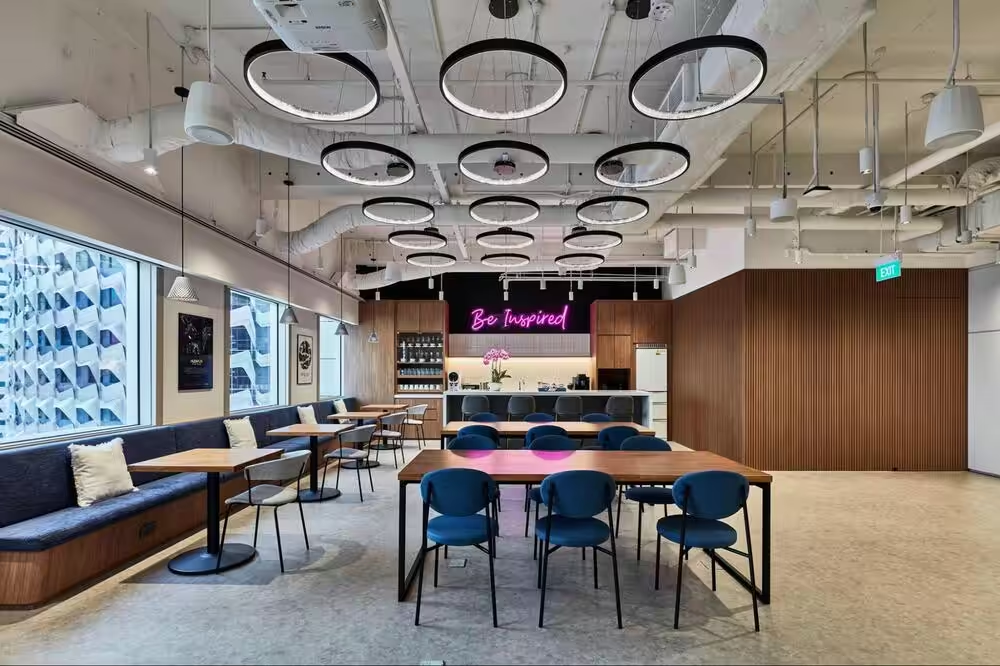
Track and spotlight accent lighting for corporate identity
2.4 Decorative & Statement Lighting: Creating Moments That Inspire
Decorative and statement lighting adds visual character and presence, frequently appearing in reception areas, collaboration zones, and pantries. These fixtures provide illumination while also expressing the identity and atmosphere of the workplace. Often realised through sculptural pendants, geometric forms, or bespoke pieces, decorative lighting creates focal points that set the tone of the environment. It enriches the overall lighting composition and enhances contemporary office ceiling and pendant lighting design.
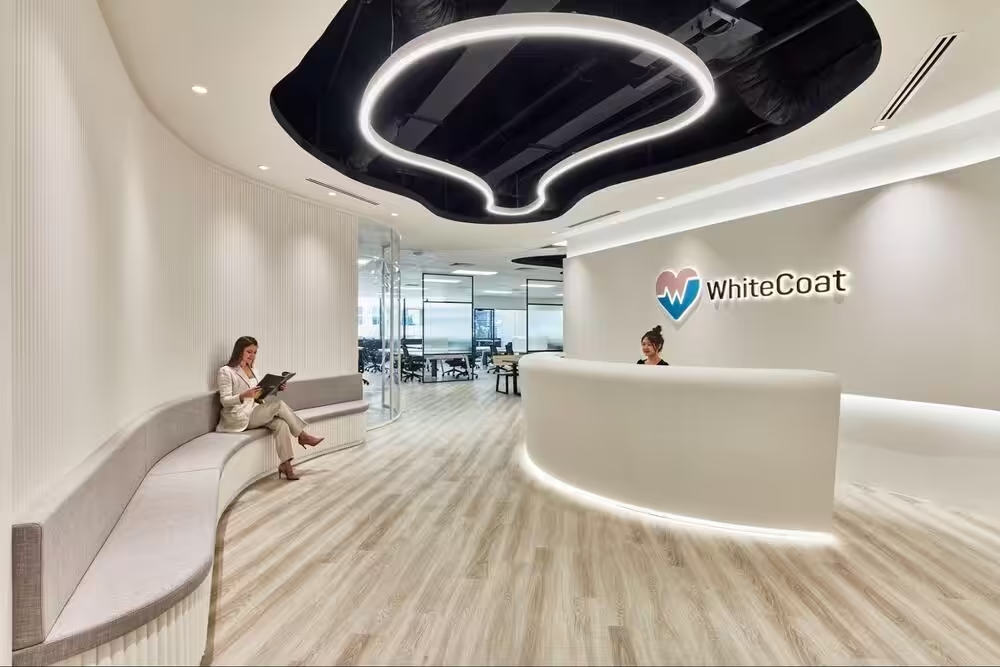
Decorative pendant lighting in a reception zone
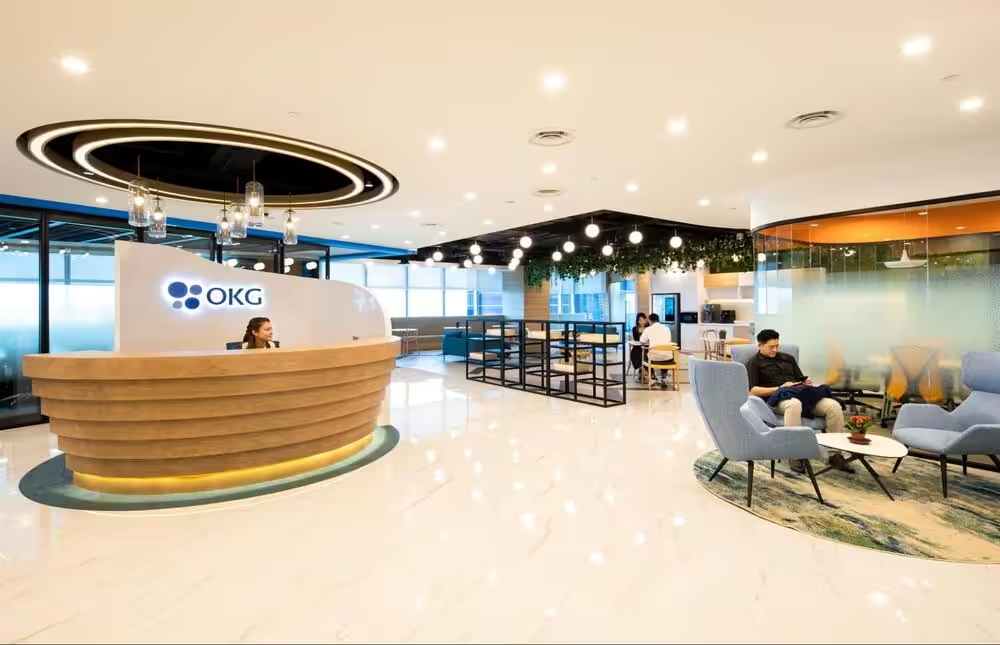
Decorative lighting features for modern office interiors
2.5 Natural Lighting: Bringing Well-Being and Energy Efficiency Together
Natural lighting decreases dependence on artificial sources, enhances alertness, and supports sustainability goals. Offices in Singapore, particularly those overlooking the CBD or Marina Bay, receive abundant daylight that naturally influences energy-efficient lighting strategies and overall design planning. To use daylight effectively, designers must manage glare, heat gain, and contrast, ensuring that natural illumination remains comfortable and consistent throughout the workspace.
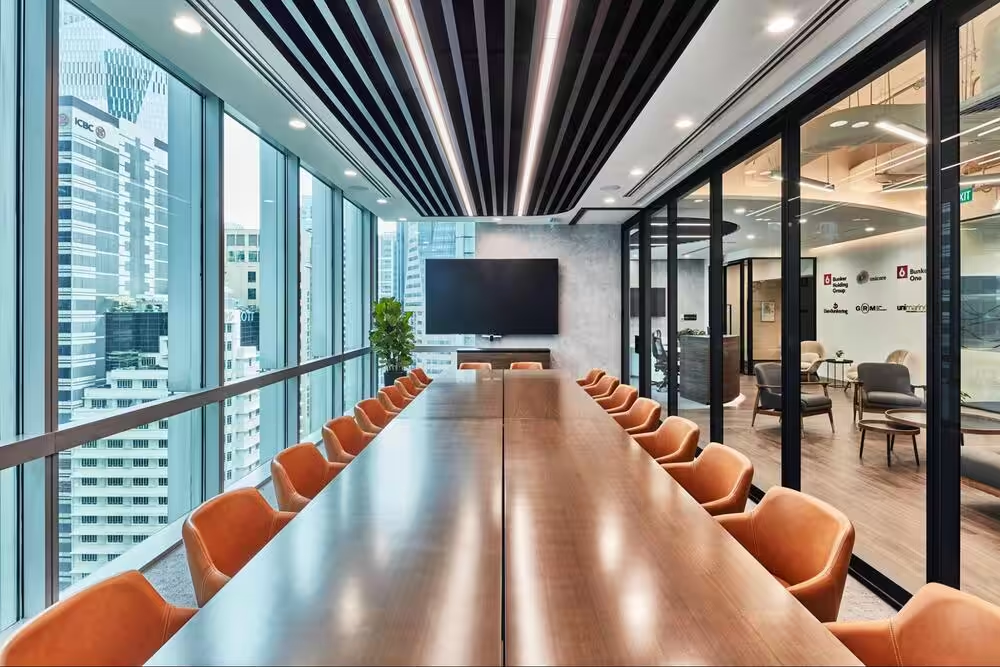
Natural daylight integration in office
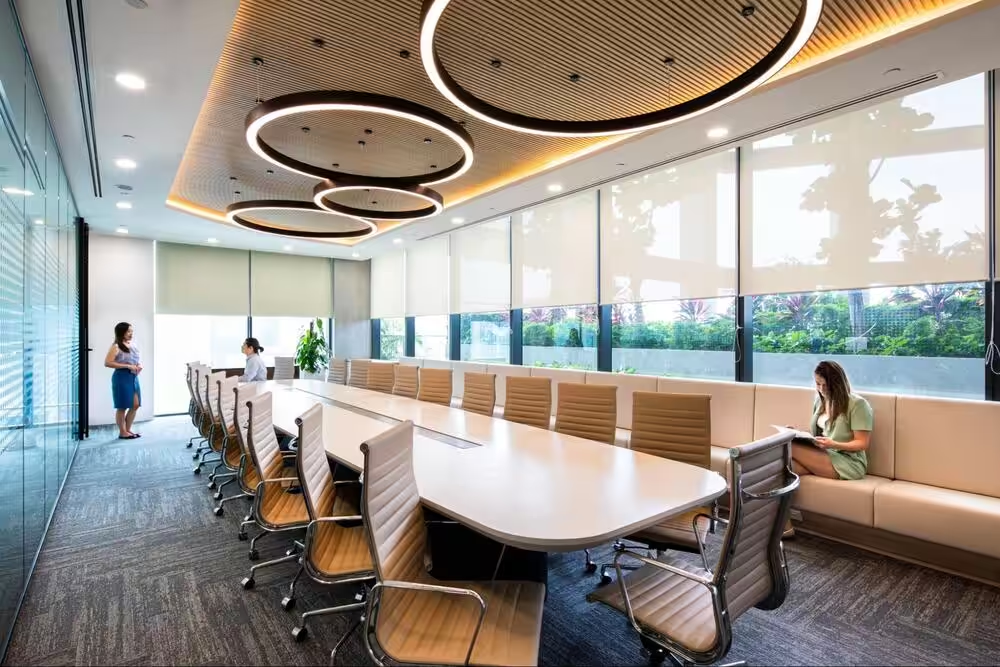
Daylight and artificial lighting integration along window perimeters
3. How to Plan an Effective Office Lighting Design
3.1 Analyse the Space
Analysing the physical space is the starting point for effective office interior lighting. The process determines where fixtures can be placed, how light spreads, and whether the office meets SS 531 lighting requirements. A thorough review also helps avoid common problems in office lighting design such as glare, shadows, and uneven brightness.
- Measure ceiling height to determine beam angle and fixture output.
- Identify structural elements that may block light, such as beams or exposed ducts.
- Review window positions and the direction of daylight.
- Check how existing office ceiling light design affects workstations.
- Map reflective materials such as glass partitions or metal finishes.
- Review acoustic panels, since they may limit fixture placement in some areas.
- Create a simple lighting grid to mark proposed fixture spacing.
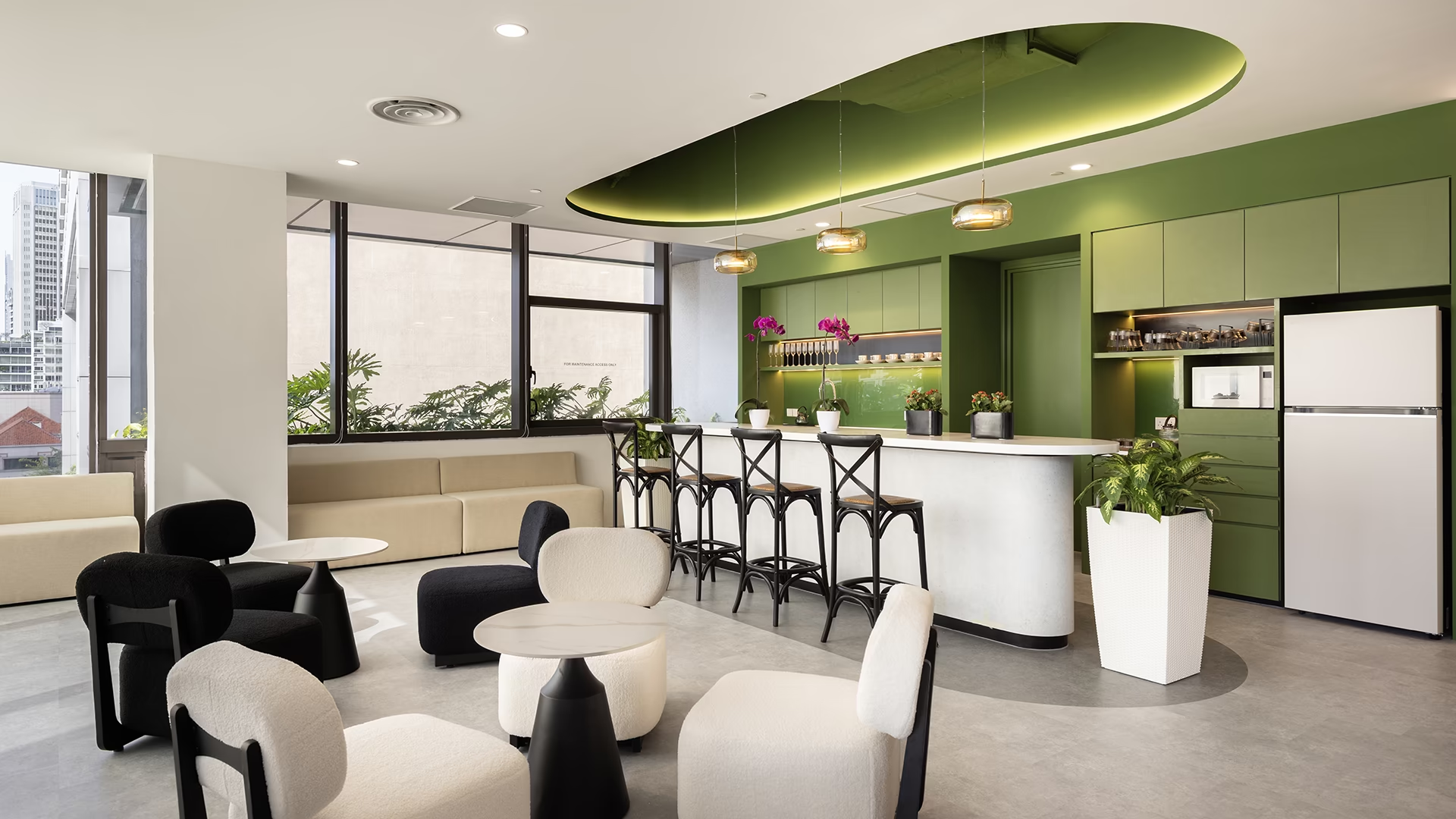
Ceiling height and layout assessment for office lighting planning
3.2 Identify Functions per Zone
Different zones demand different lighting types. Understanding these functions helps you create a office lighting design plan that supports all daily activities.
- Identify core zones: workstations, meeting rooms, collaboration areas, quiet rooms, and pantry.
- Match each zone to a primary lighting type: ambient, task, accent, or decorative.
- For meeting rooms, plan brighter and more controlled lighting.
- For collaboration zones, consider pendant fixtures to create focus points.
- For quiet rooms, use soft, low-glare lighting.
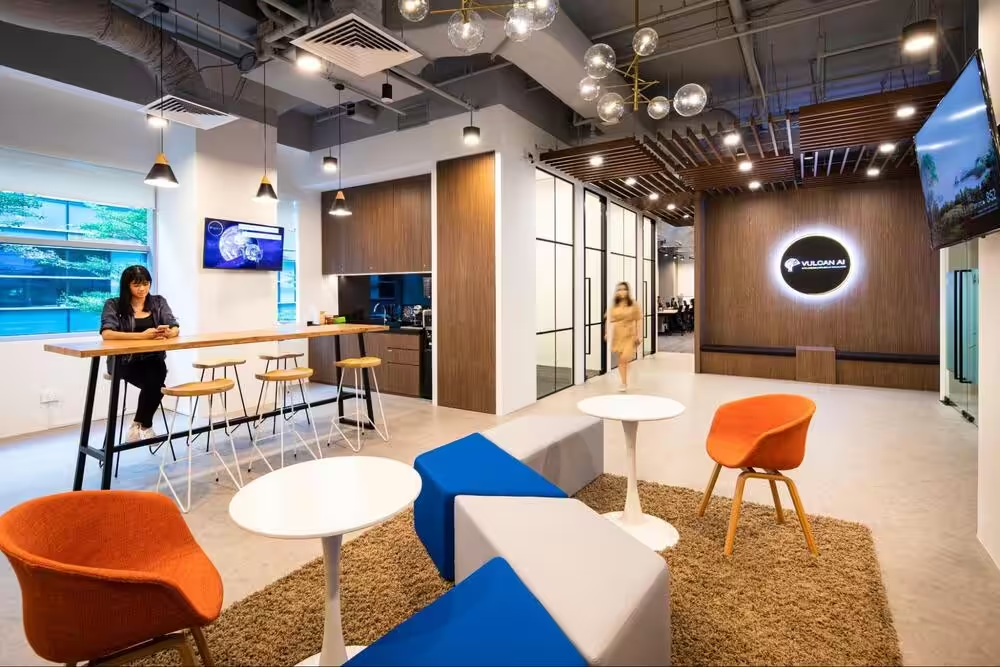
- For pantry and social areas, plan warm pendant or suspended fixtures.
- Review every zone against its functional lux requirement.
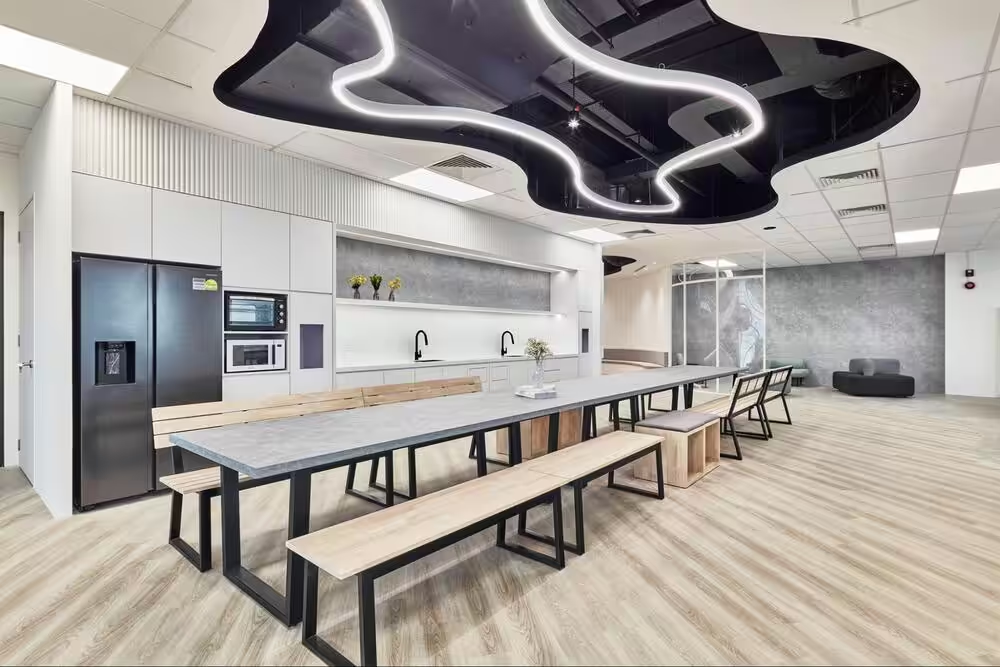
Office ceiling lighting ideas for hybrid and activity-based workspaces
3.3 Determine Lighting Levels (LUX Recommendations)
Each task has a required illuminance, measured in LUX, to support accurate and safe work. SS 531 sets clear benchmarks.
Recommended area LUX Levels for office
| Area / Task | Lux |
| Workstations | 300–500 lux |
| Meeting rooms | 400–700 lux |
| Pantry | 200–300 lux |
| Reception (accent) | 150–300 lux |
Practical steps
- Use a handheld LUX meter to measure existing light levels.
- Compare results to the SS 531 table above.
- Increase light levels using brighter lamps or closer fixture spacing.
- Reduce glare by adding diffusers or indirect light sources.
- Add task lights in areas requiring higher precision.
- Adjust pendant height to achieve target LUX.
- Test LUX levels for office at different times of day.
Handheld lux meter measuring ambient light in an office
3.4 Select the Right Colour Temperature
Colour temperature influences alertness and visual comfort. Cooler light (4,000K–5,000K) supports focused tasks, while warmer light (3,000K–3,500K) suits social areas.
Practical steps
- Use cooler temperatures in workstations and meeting rooms.
- Use warmer temperatures in lounge areas and pantry.
- Check how fixture colour temperature interacts with wall colours.
- Avoid mixing too many temperatures in one line of sight.
- Test colour temperature alongside natural light.
- Confirm that pendant fixtures match the desired tone.
- Review how colour temperature affects brand colours in accent walls.
Cool colour temperature in workspaces
3.5 Integrate Lighting With Interior Design
Lighting must align with materials, furniture placement, and spatial flow. Integration improves the experience of the workplace and supports lighting ideas for offices that are functional and visually coherent.
Practical steps
- Coordinate lighting with feature ceilings, timber finishes, and wall textures.
- Use linear LEDs to highlight architectural lines.
- Place accent lights on brand elements such as signage or artwork.
- Choose pendant fixtures that reinforce the spatial direction.
- Review how lighting interacts with glass partitions to avoid reflections.
- Match fixture finishes with metal trims, joinery, or flooring.
- Test the final effect with all furniture in place.
Office pendant lighting ideas used to define collaboration areas
4. Common Office Lighting Mistakes to Avoid
Avoiding the following mistakes helps improve office lighting design, visual comfort, and energy performance.
- Uneven lighting: Irregular light distribution creates glare and shadows, often caused by poor office light ceiling spacing or mixed colour temperatures.
- Overly bright fixtures: Excessive brightness leads to eye strain, especially in offices using outdated fluorescent lamps or high-output LEDs.
- Using only cool white light: Relying solely on cold light produces a harsh environment. Balanced tones are essential in modern office lighting ideas and social areas.
- Underlit meeting rooms and pantries: Low illumination reduces clarity during discussions and daily use. These spaces often lack proper task or ambient lighting.
- Ignoring natural light: Blocking daylight increases energy use and reduces comfort. Effective office interior lighting integrates daylight with artificial sources.
- No layered lighting: Using one lighting type results in a flat workspace. Ambient, task, accent and office pendant lighting must work together.
- Selecting decorative fixtures without function: Choosing lights for appearance alone leads to glare or insufficient spread, common with aesthetic office pendant lighting ideas.
- Poor coordination with ceiling design: Fixtures that conflict with ducts or beams reduce lighting performance and disrupt office ceiling light design consistency.
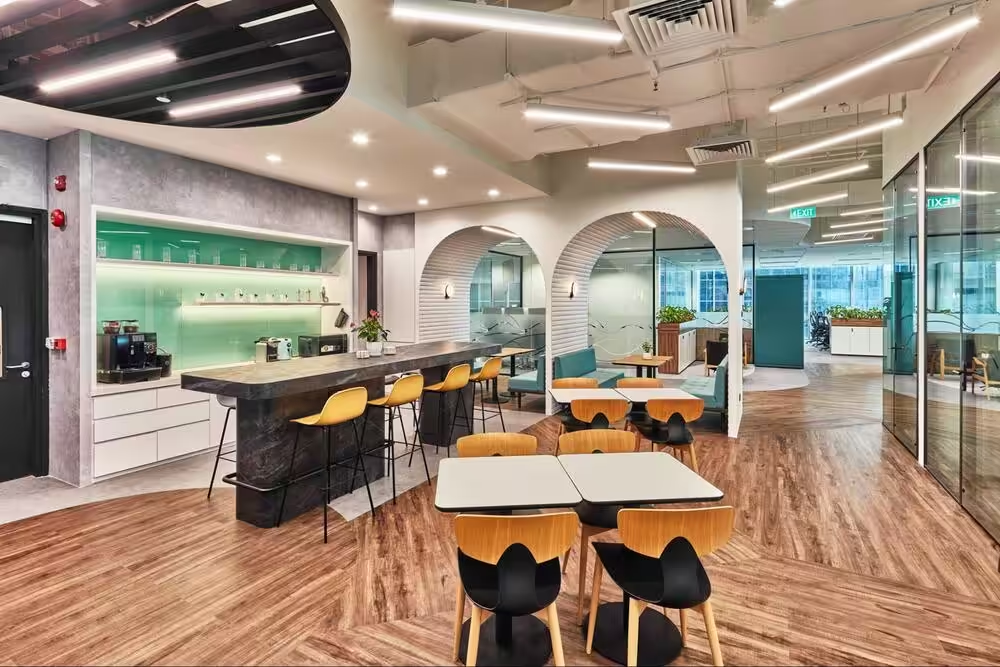
OSCA’s use of linear LED profiles in contemporary office interiors
5. OSCA’s Expertise in Office Lighting Design
OSCA delivers office lighting design solutions built on technical accuracy, regulatory compliance, and a clear understanding of workplace behaviour in Singapore. OSCA’s method integrates lighting, spatial planning, and energy control so organisations can operate efficiently while creating a comfortable workplace.
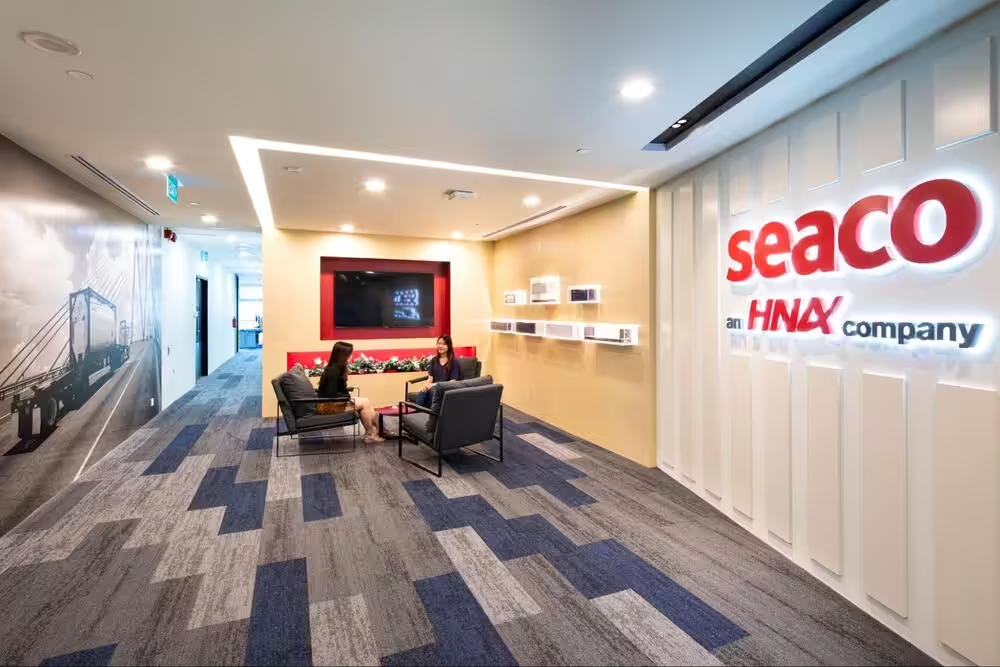
Reception desk lighting with accent and pendant fixtures
OSCA’s expertise is grounded in SS 531 requirements, Green Mark principles, and international wellness frameworks such as WELL and LEED. These standards shape how the team plans uniformity, brightness, colour temperature, and fixture placement. OSCA also considers local workplace culture, such as long laptop hours, high meeting frequency, and hybrid working patterns. This ensures all office ceiling lighting ideas, office lighting design ideas,match real operational use.
OSCA treats lighting as a core architectural element rather than a decorative add-on. The team aligns lighting layouts with furniture plans, ceiling systems, HVAC routes, and circulation paths. This avoids common issues such as glare, shadowing, or mismatched pendant heights.
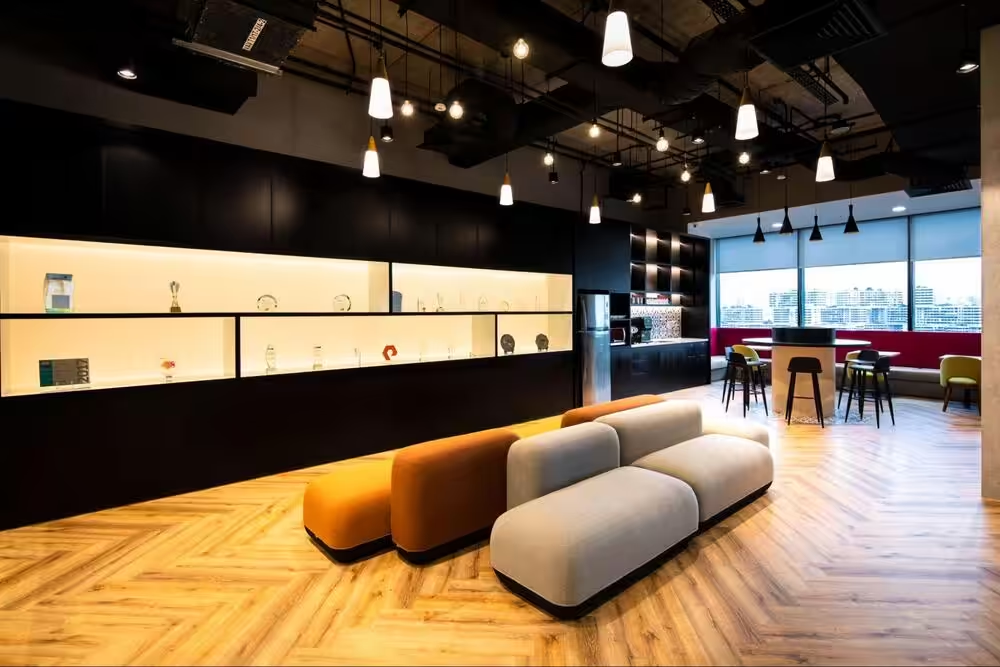
Balanced colour temperature setup in a modern Singapore office
OSCA’s process allows clients to complete 90% of the planning early. This includes identifying functional zones, measuring available daylight, confirming required lux levels, and selecting fixture types. OSCA refines these inputs and develops a full strategy that balances performance with visual clarity.
6. FAQ: Office Lighting Design in Singapore
What colour temperature works best for offices?
4,000K–5,000K for focused work; 3,000K–3,500K for social or rest areas. Consistency improves office interior lighting comfort.
Are LEDs better than fluorescent lights?
Yes. LEDs last longer, use less energy, and support smart controls – ideal for modern office lighting design and Green Mark targets.
How can I reduce electricity costs?
Use LEDs, add sensors, optimise lux levels, and combine daylight with artificial lighting. This strengthens long-term office lighting design ideas.
Should offices use warm or cool lighting?
Cool light for work zones; warm light for relaxed areas. Balanced colour temperature improves comfort and clarity.
Can pendant lights be used in offices?
Yes, in collaboration, pantry, and reception areas. Office pendant lighting must avoid glare and match the ceiling plan.
How should enclosed rooms be lit?
Meeting rooms need 400–700 lux; quiet rooms need soft, low-glare lighting. Proper levels improve office room lighting ideas.
Is accent lighting suitable for corporate environments?
Yes. Accent lighting highlights brand elements and improves spatial hierarchy within commercial office lighting ideas.
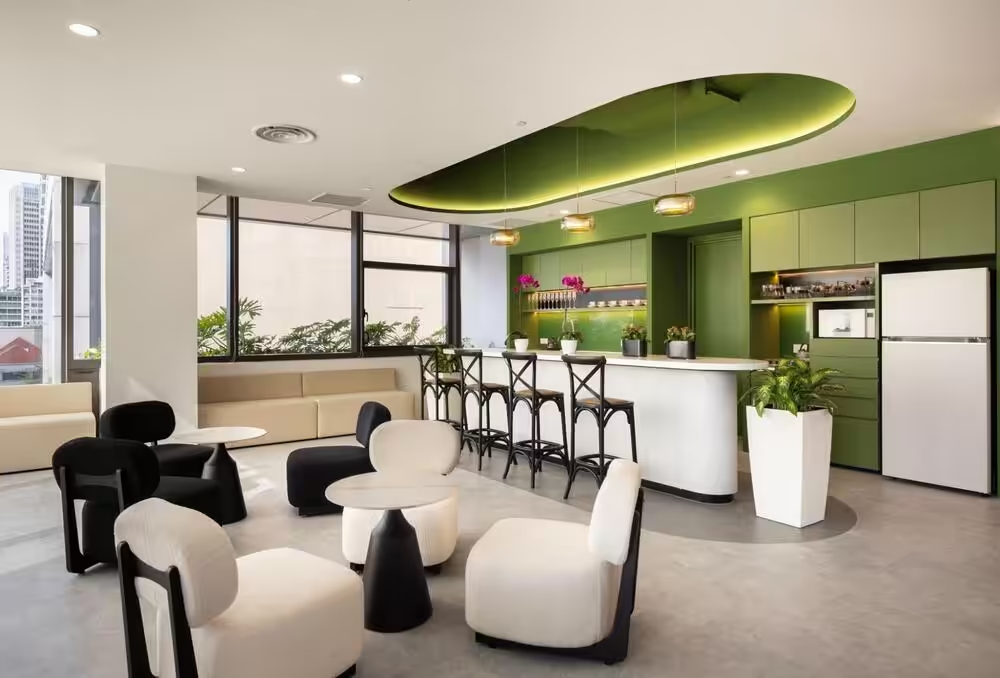
Collaborative space featuring OSCA’s layered lighting approach
Whether upgrading light levels, planning new layouts, or developing modern office lighting design for evolving workstyles, a structured lighting strategy ensures that the office performs well today and adapts smoothly to future needs. OSCA helps businesses achieve this by combining regulatory knowledge, workplace insights, and coordinated design across ceilings, furniture, and architectural features. Contact now.