Headquarters office design in Singapore plays a crucial role in reflecting business strategy, corporate culture, and employee experience. A well-planned headquarters integrates workspaces, collaboration zones, technology, and people to support productivity and team engagement. In this article, OSCA highlights key headquarters office design trends, best practices and examples showing how thoughtful architecture and interiors can enhance the modern workplace.
1. Essential Spaces in a Headquarters Office
A well-designed headquarters brings leadership, teams, technology and culture together in one place. Thoughtful planning ensures each space supports collaboration, operations, business performance and employee experience.
Executive andLeadership Suites
Executive and leadership suites provide focused, private spaces for senior management. The design should convey authority without feeling closed-off, balancing privacy with accessibility. Acoustic control, discreet meeting areas, integrated technology and a refined yet functional aesthetic are all key to supporting decision-making and leadership presence.
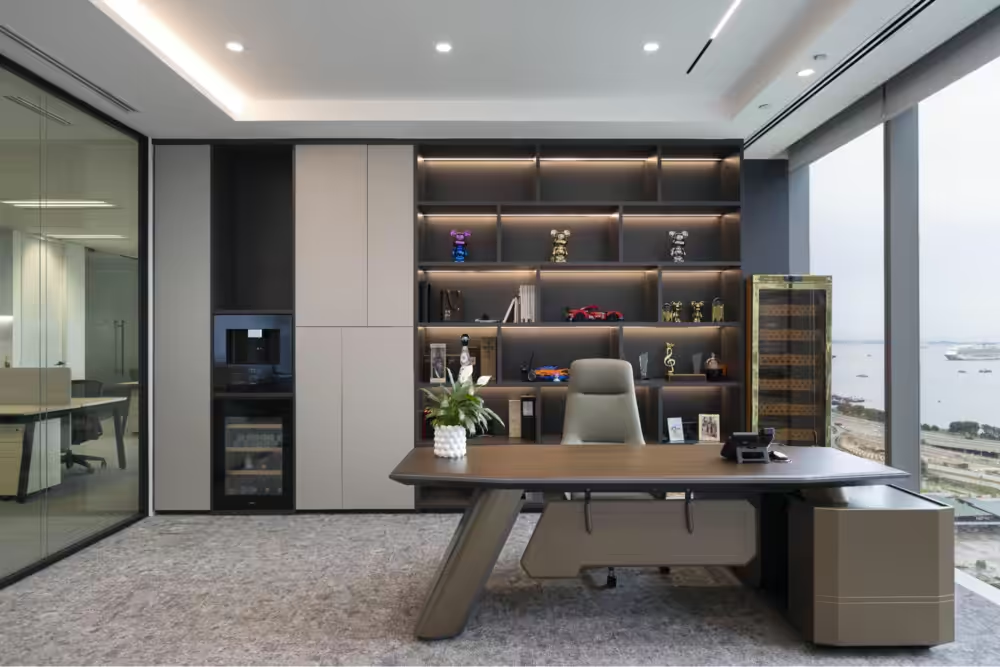
Private and refined executive suites balancing authority, accessibility and functional elegance
Boardroom and Client-Facing Meeting Rooms
These spaces represent the organisation to clients and external partners. In effective headquarters office design, areas should feel professional, welcoming and technologically reliable. Comfortable seating, clear sightlines, strong acoustics and high-quality AV systems are essential to support productive meetings, presentations and hybrid discussions with global teams.
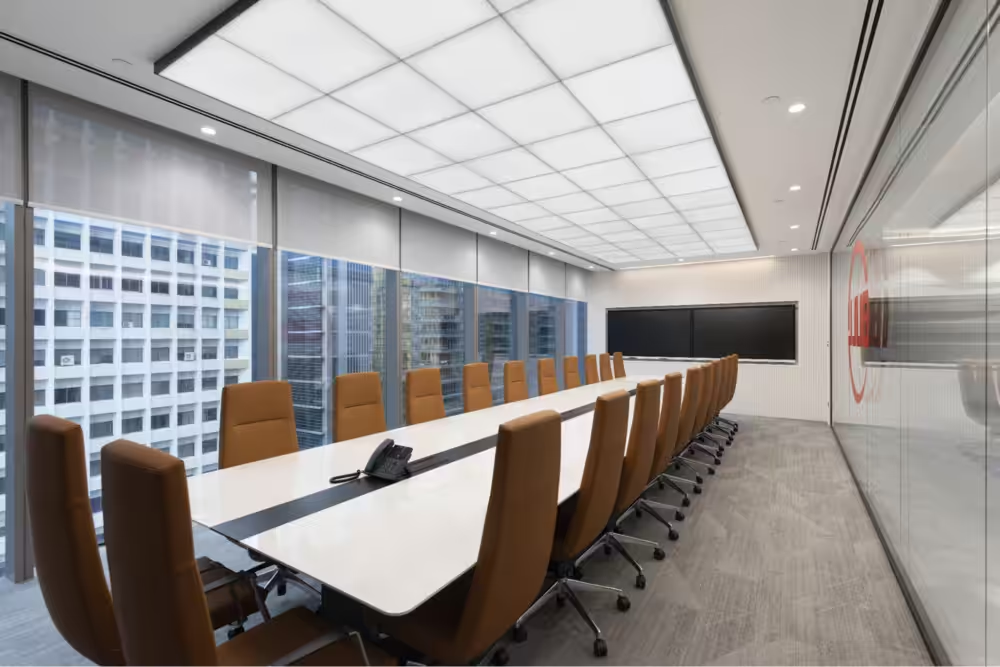
Comfortable, technologically equipped spaces that support effective presentations and collaboration
Open Workspaces for Departments
Open workspaces support daily operations and collaboration within departments. Effective design focuses on space efficiency, ergonomic furniture and thoughtful zoning. Visual openness should be balanced with noise control and access to daylight, allowing teams to work comfortably while maintaining focus throughout the day.
Key headquarters office design includes ergonomic, flexible open-plan spaces that support daily operations and team collaboration
Collaboration andBrainstorm Zones
Collaboration zones are informal areas designed for idea-sharing and teamwork. Flexible furniture, writable surfaces and a relaxed atmosphere encourage spontaneous discussion. These spaces should be easy to access from work areas, while still offering enough separation to avoid disturbing focused work nearby.
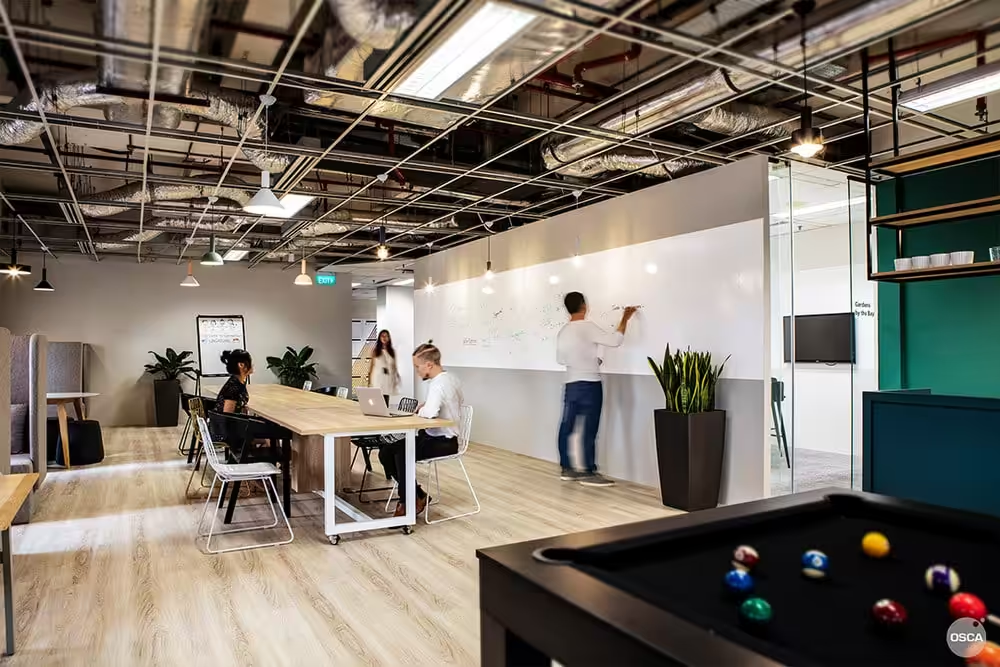
Informal collaboration areas designed to encourage idea-sharing and creative teamwork
Multi-Purpose Townhall / All-Hands Area
In headquarters office design, a townhall or all-hands space brings the organisation together for meetings, presentations and events. Flexibility is crucial, with movable seating and adaptable layouts. Good acoustics, clear visibility and integrated AV support ensure the space can host both large gatherings and smaller, functional uses.
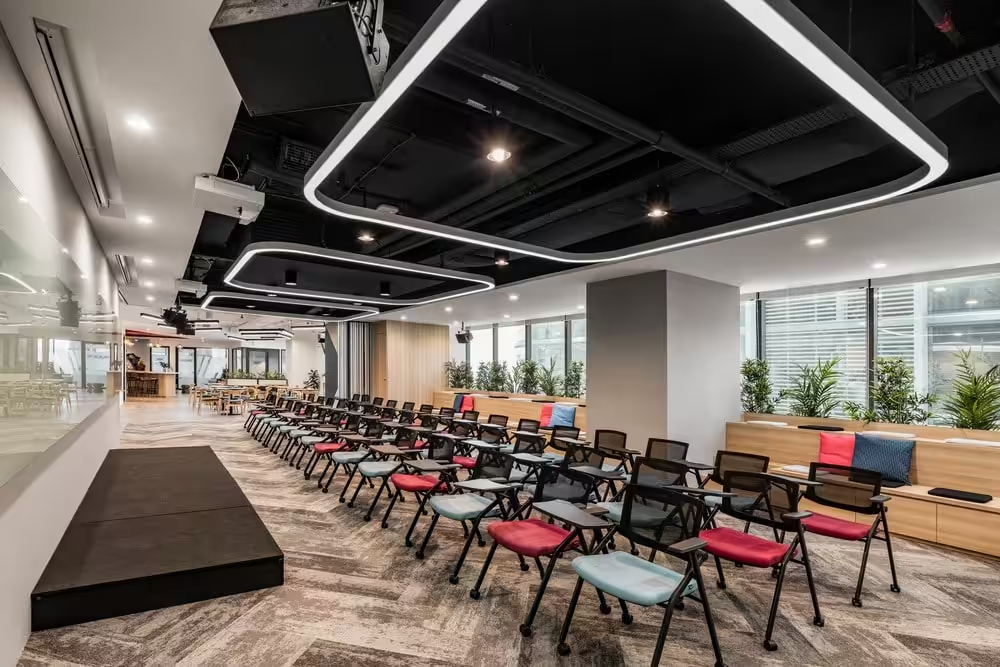
Adaptable town hall space designed for presentations, events and large-scale meetings
Employee Lounge, Café-Style Pantry and Social Hub
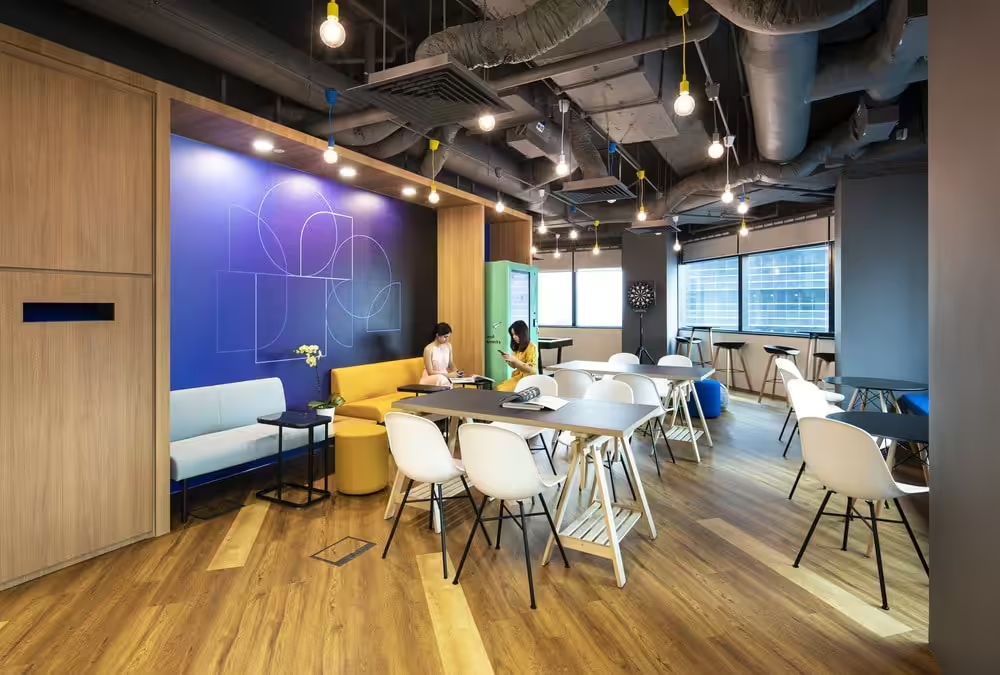
These social spaces are essential elements of headquarters office design, supporting wellbeing and informal interaction. A lounge or café-style pantry should feel comfortable and inviting, encouraging staff to recharge and connect. Key considerations include durable materials, natural light, relaxed seating, and a layout that fosters casual conversation without disrupting work zones.
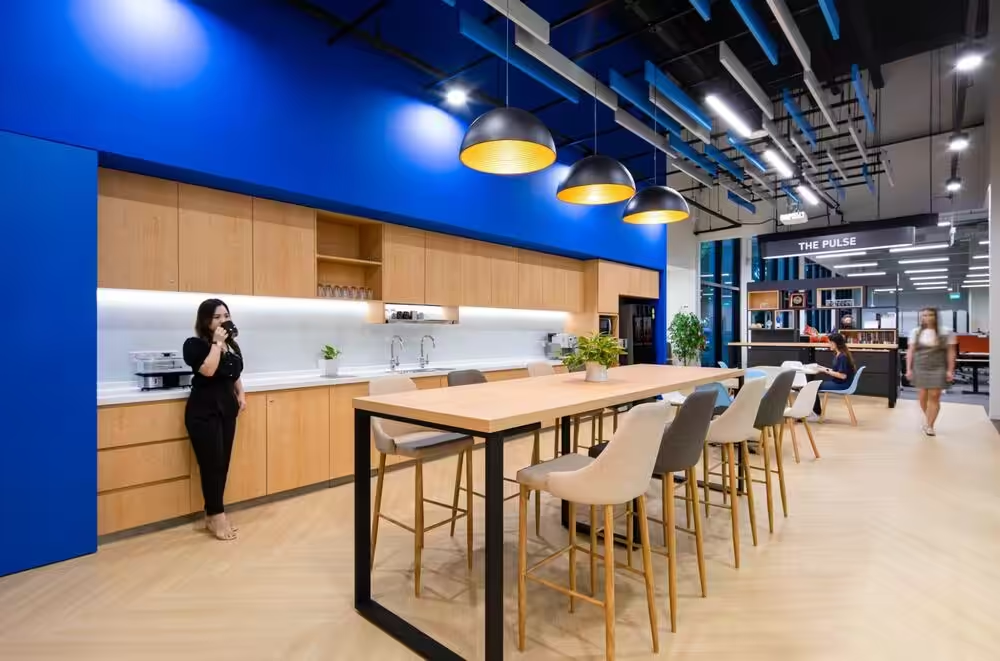
Lounge and café-style pantries designed to foster team connection and casual conversations
Phone Booths and Focus Rooms
Phone booths and focus rooms provide quiet spaces within a busy headquarters. They are essential for confidential calls, online meetings or deep work. Acoustic performance, ventilation, good lighting and convenient placement near work areas help employees shift easily between collaboration and concentration.
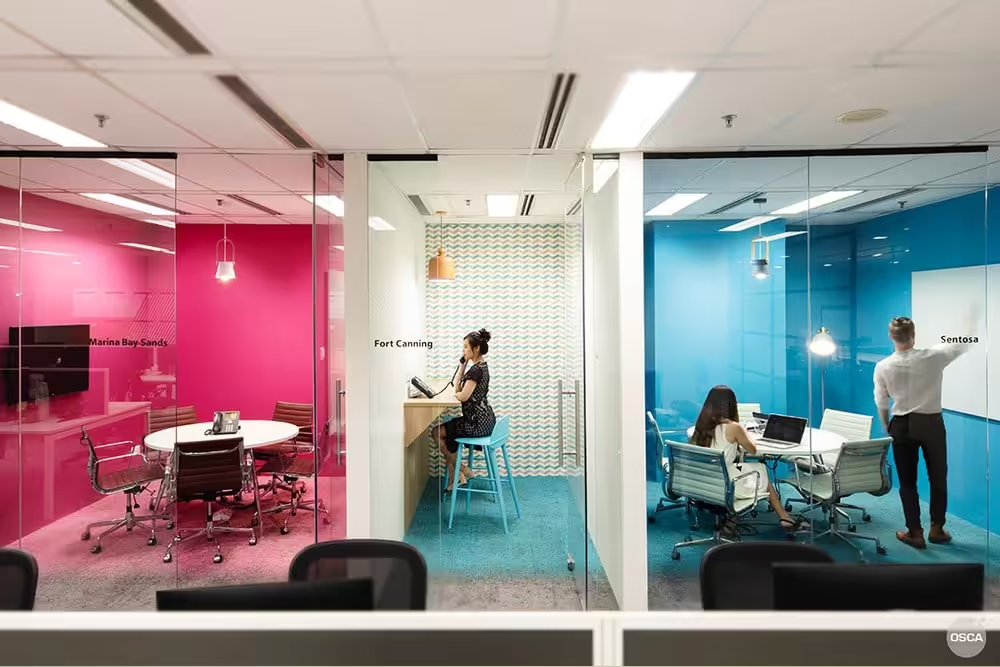
Quiet, acoustically treated spaces for confidential calls, online meetings and deep work
IT, Server Room and Mission-Critical Facilities
These technical areas are critical components of headquarters office design, forming the backbone of operations. Design prioritises security, cooling, power reliability, and ease of maintenance. While typically hidden from daily activity, they must be carefully planned to support business continuity and future technology upgrades without disrupting the workplace.
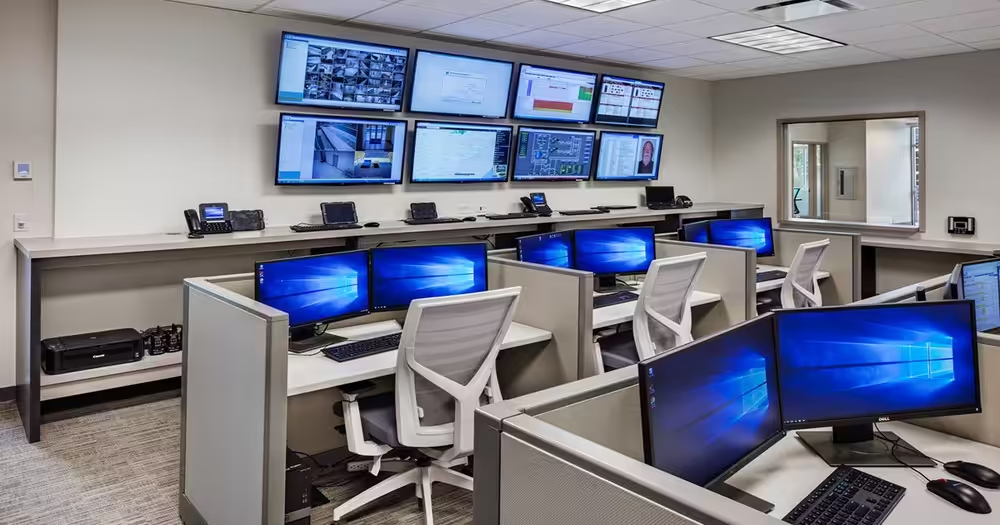
Secure and technically efficient facilities forming the backbone of headquarters operations
2. Headquarters Office Design Trends in Singapore
2.1 Hospitality-Driven Headquarters
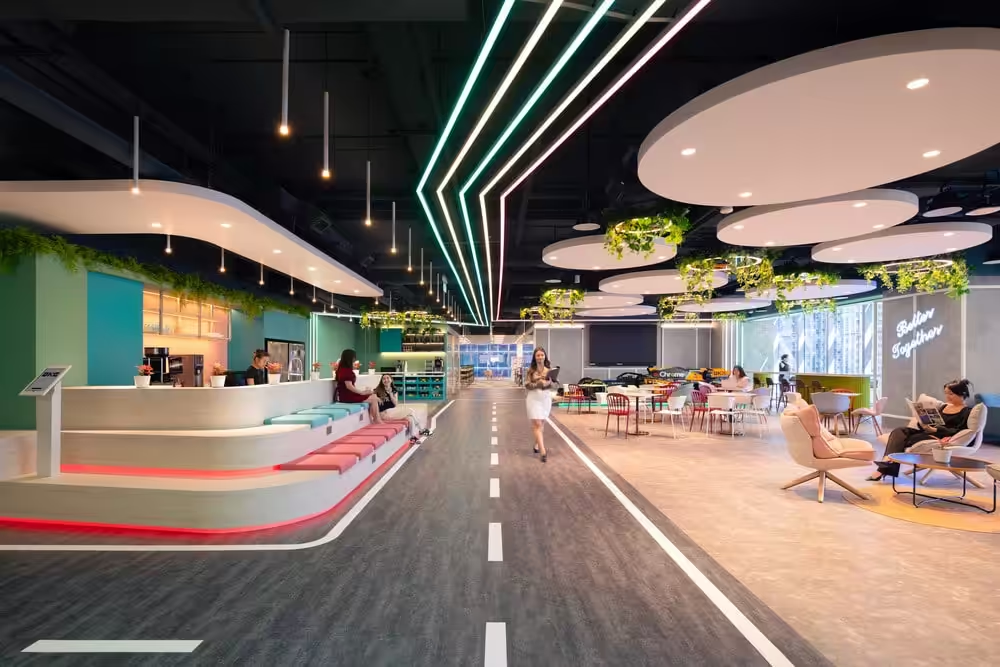
Hospitality-driven design is shaping headquarters offices in Singapore, as companies seek meaningful ways to bring people back to the workplace. Rather than focusing only on desks and formal meeting rooms, offices are designed to feel warmer and more welcoming, inspired by hotels, cafés, and members’ lounges. JLL’s research, “The return to office is driving a more social workplace”, shows organisations now prioritise social connection, informal interaction, and shared experiences over purely desk-based work.
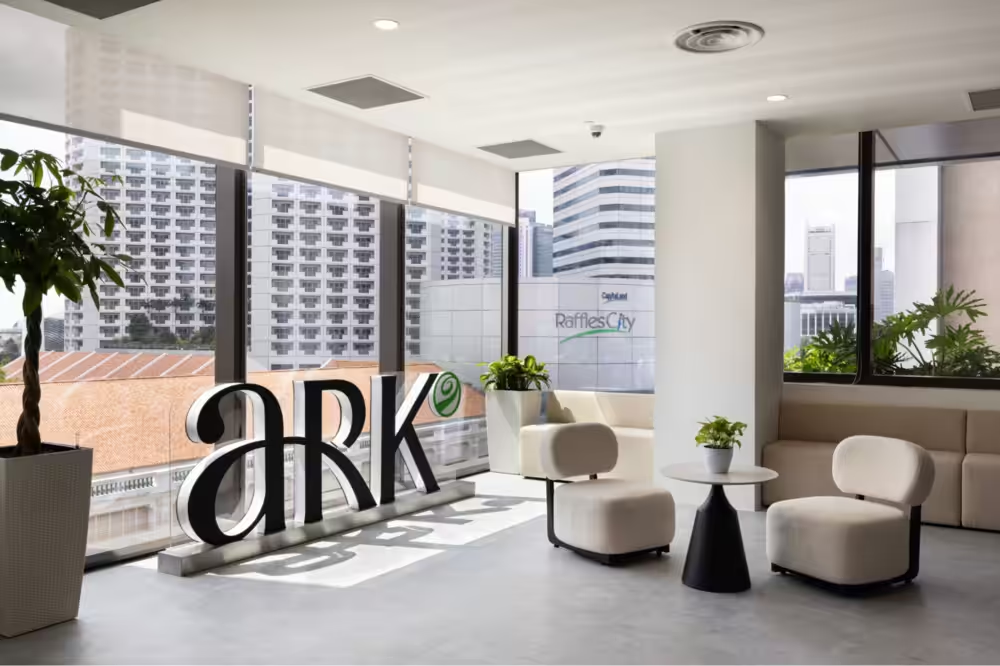
Hospitality-driven design creating welcoming office environments inspired by hotels and cafés
This trend appears in softer materials, comfortable lounge seating, café-style pantries, and inviting reception areas that encourage relaxed meetings and collaboration. Hospitality-led design enhances employee experience while projecting a professional yet approachable image to staff and visitors alike.
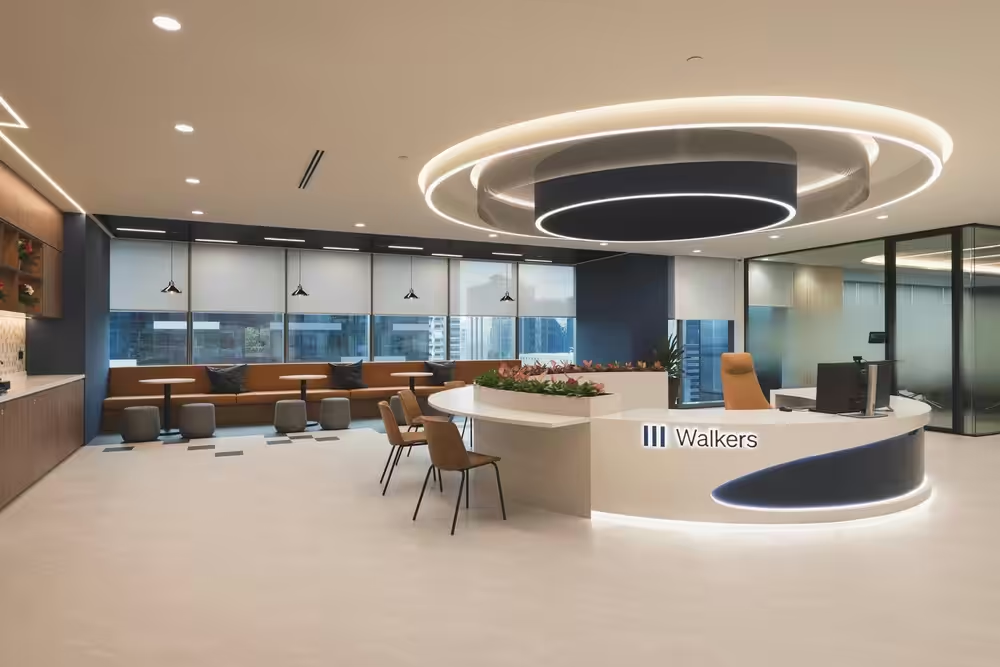
Lounge seating and café-style pantries encourage informal interaction and collaboration
2.2 Biophilic 2.0 – Beyond Plants
Biophilic 2.0 moves beyond using plants as decoration, treating nature as a core design strategy. It integrates daylight, fresh air, natural materials, sound control, temperature comfort, and views that connect people to the outdoors. A notable local example is Bjarke Ingels Group’s Singapore skyscraper, featuring around 80,000 plants across terraces and facades, where greenery shapes how people experience the building rather than simply softening interiors.
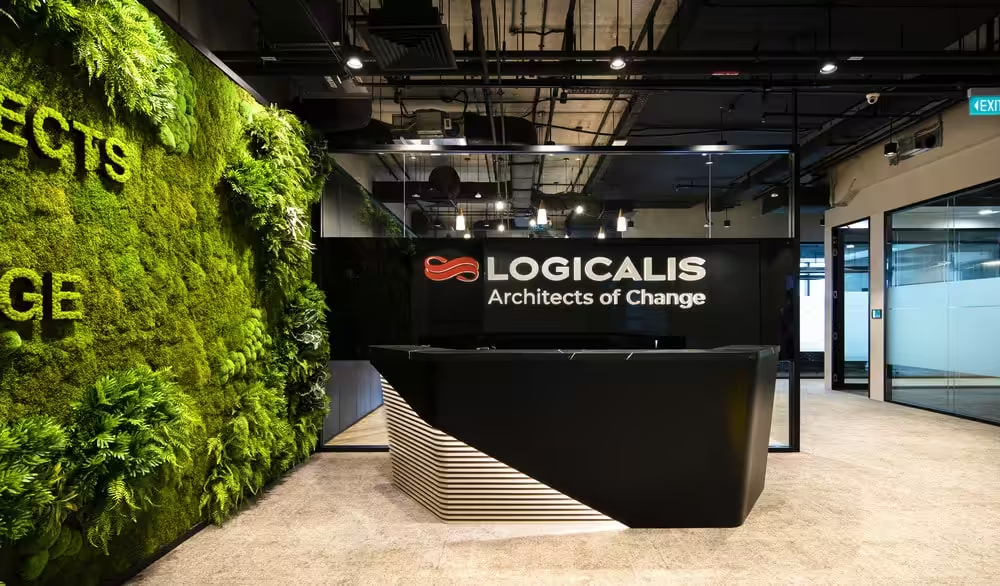
Nature-integrated design with daylight, ventilation, and greenery enhances well-being
This nature-integrated approach enhances well-being, creating offices that feel open, calm, and closely linked to the outdoors. Research by Singapore’s Building and Construction Authority (BCA) shows that such design improves indoor environmental quality, reduces stress, and boosts occupant comfort. Many headquarters now treat biophilic design as a performance strategy, aiming to create healthier, more sustainable workplaces in dense urban environments.
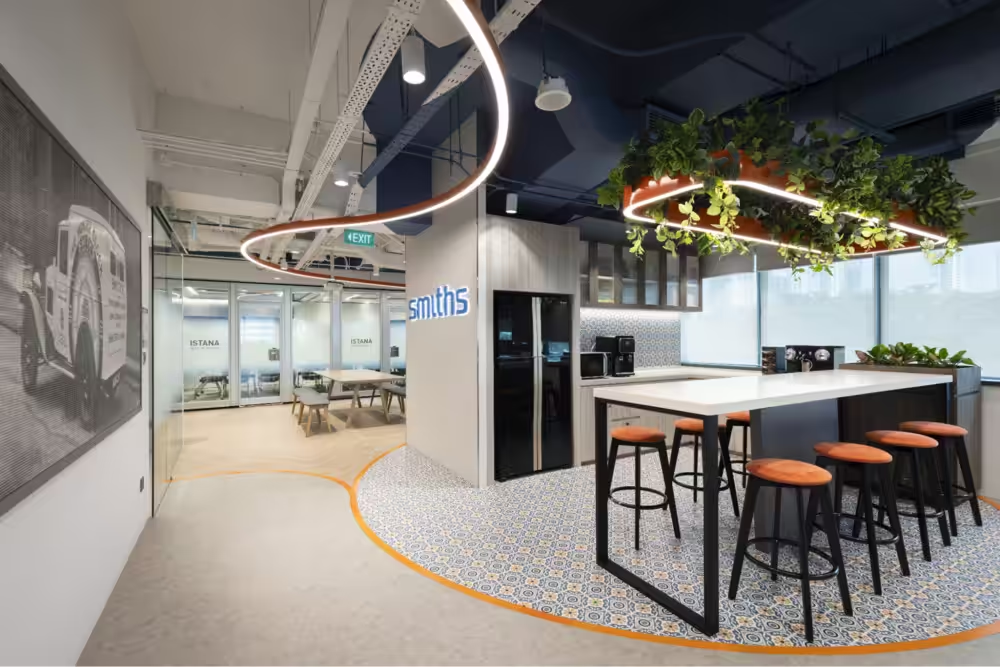
Biophilic designs create calm by weaving natural elements
2.3 Ultra-Flexible Planning for Hybrid Work
Ultra-flexible planning reflects how work in Singapore has evolved since hybrid working became the norm. Headquarters offices are no longer designed for everyone to remain at their desk all day; instead, spaces must adapt to varying team sizes, work styles, and schedules, prioritising flexibility over fixed layouts. Movable furniture, reconfigurable meeting rooms, and multi-use areas allow seamless transitions between focused work, collaboration, and informal interactions, while technology ensures smooth hybrid working.
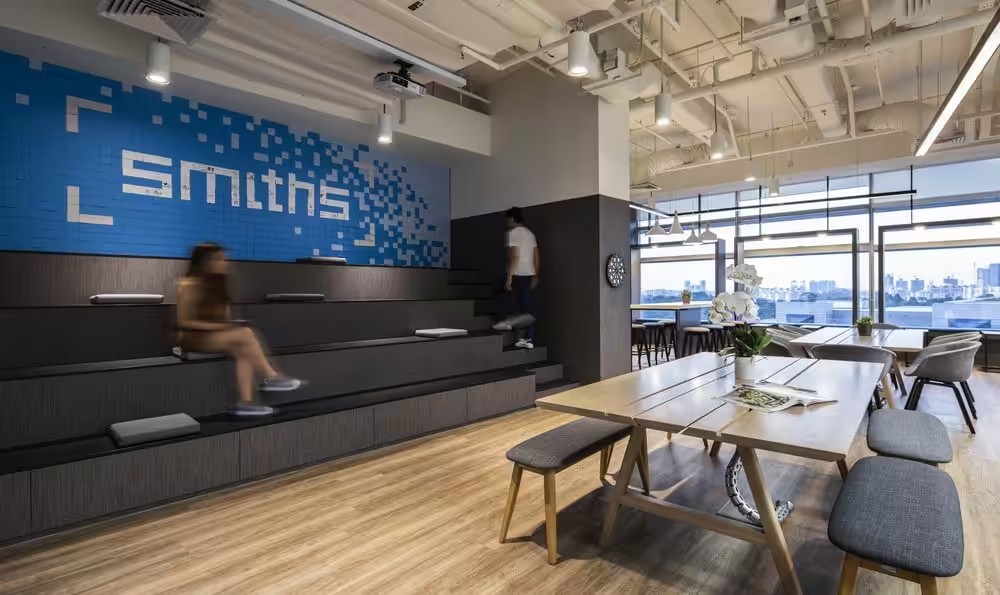
Flexible layouts and movable furniture adapt to hybrid work patterns
This trend is supported by JLL’s research, “Singapore’s future of work is shaping up”, which highlights employees’ growing expectation for adaptable offices. The study emphasises the demand for layouts that accommodate hybrid work patterns, with fewer fixed desks and spaces that can respond to changing attendance and work styles.
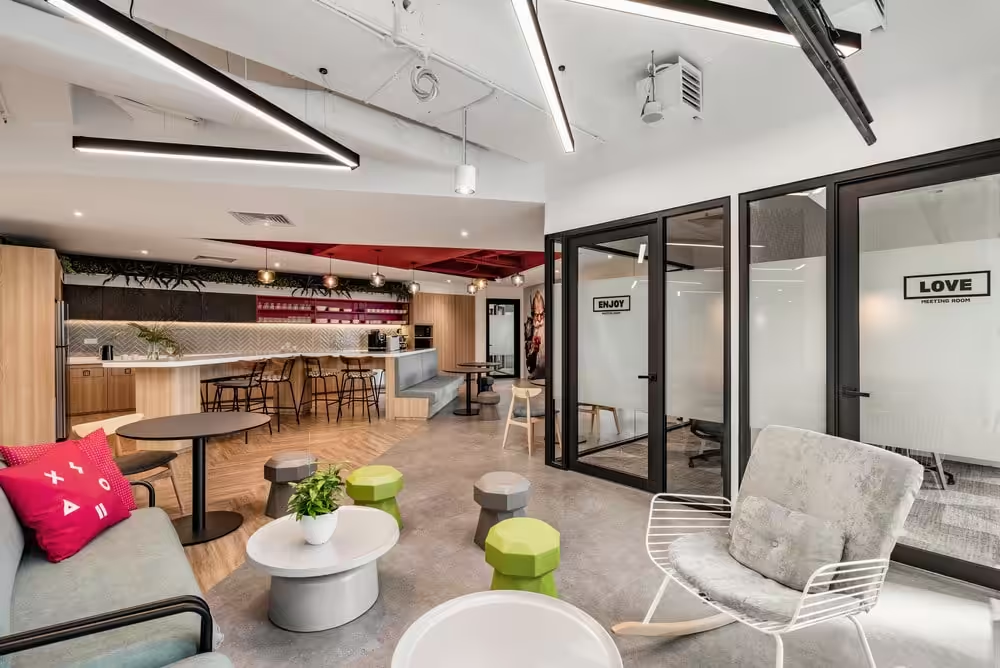
Shared spaces and reconfigurable rooms support both focus and collaboration
2.4 High-Performance Acoustics and Privacy
In today’s busy offices, particularly open-plan or hybrid environments, controlling noise and protecting privacy has become essential. Many office headquarters designs in Singapore now prioritise high-performance acoustics, using sound insulation, acoustic treatments, and layout strategies to help people concentrate or speak privately when needed. The study “Occupant Satisfaction with the Indoor Environment in Seven Commercial Buildings in Singapore” found that while 78% of occupants were broadly satisfied, sound privacy remained the top concern.
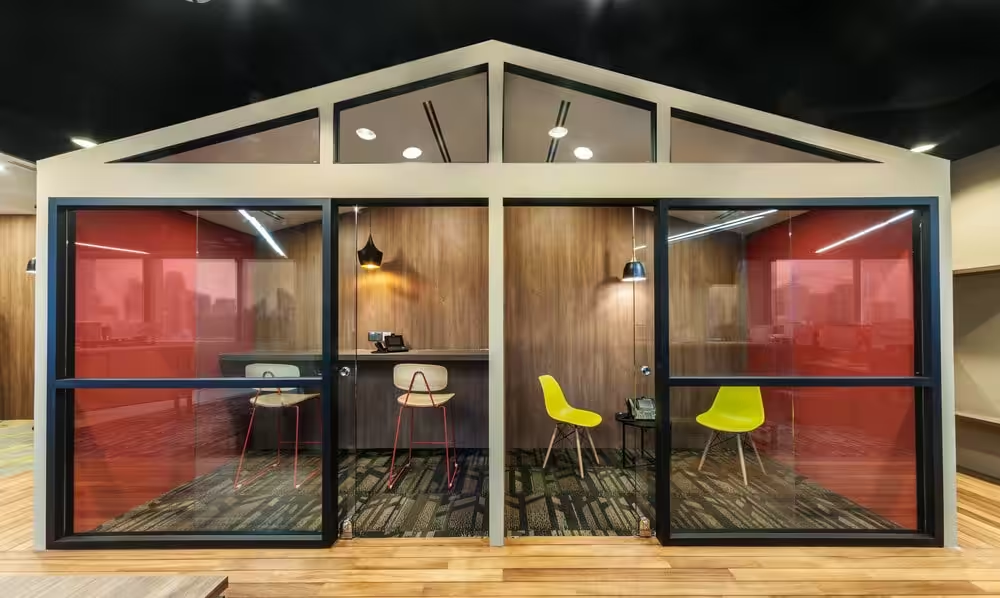
Acoustic treatments and partitions ensure privacy and reduce noise
In practice, this involves integrating sound-absorbing ceilings, acoustic panels, partitions, and quiet rooms throughout the office, not just in conference areas. Proper zoning ensures noisy collaboration areas do not disturb those focusing. By combining openness with acoustic control, modern headquarters support both collaboration and concentration, enhancing well-being and productivity.
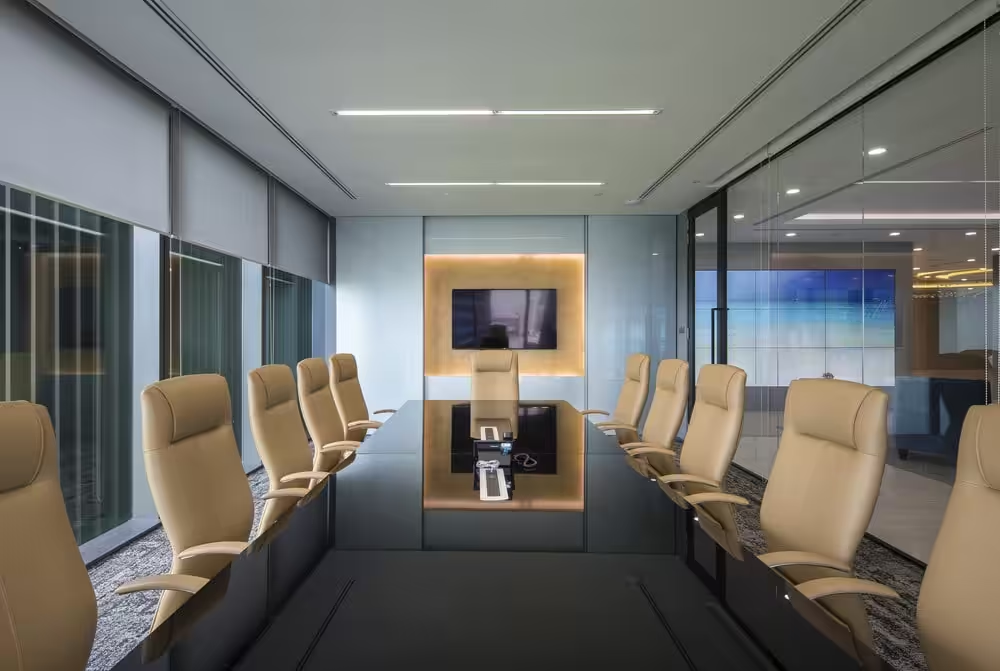
Zoning strategies balance collaboration areas with quiet focus zones
2.5 Digital Collaboration Spaces
Digital collaboration spaces are increasingly shaping modern HQ offices in Singapore. These are specially designed areas, equipped with tech infrastructure like video-conferencing tools, interactive displays and flexible layouts, that support both in-person and remote teamwork, making collaboration seamless regardless of where people are working from.
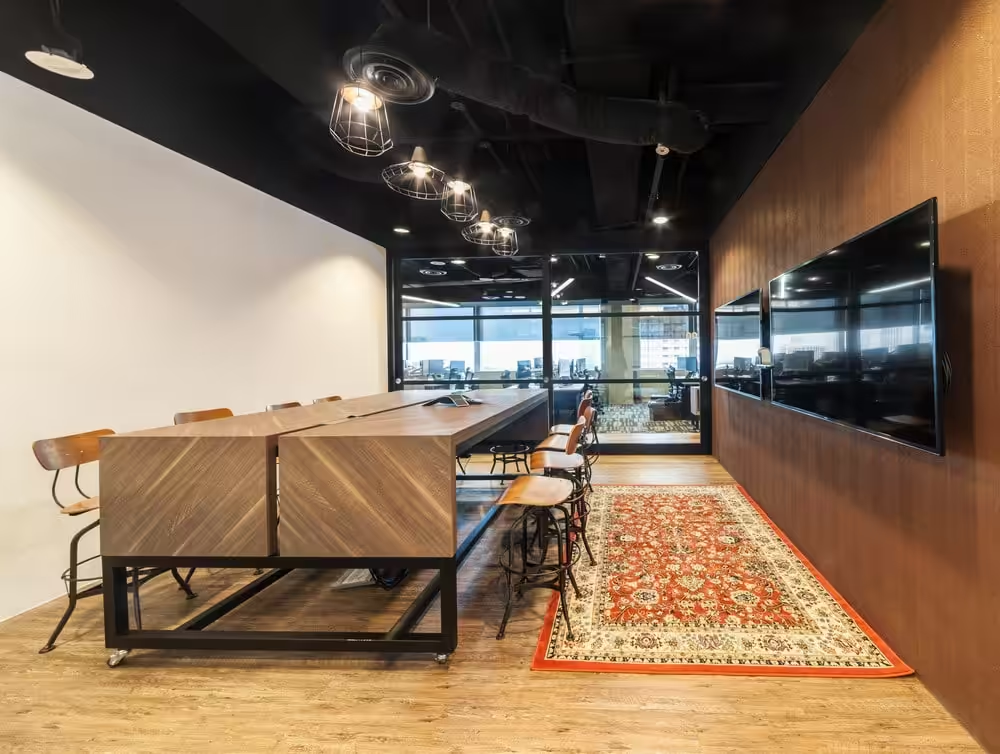
Tech-enabled zones, a key element of headquarters interior design, allow seamless hybrid meetings and teamwork.
In practice, digital collaboration spaces often include modern meeting rooms for hybrid calls, open-plan zones with movable furniture for group work, and quiet pods for small team catch-ups. The result: a flexible workspace that supports dynamic projects and helps staff stay connected and productive whether they’re in the office or remote.
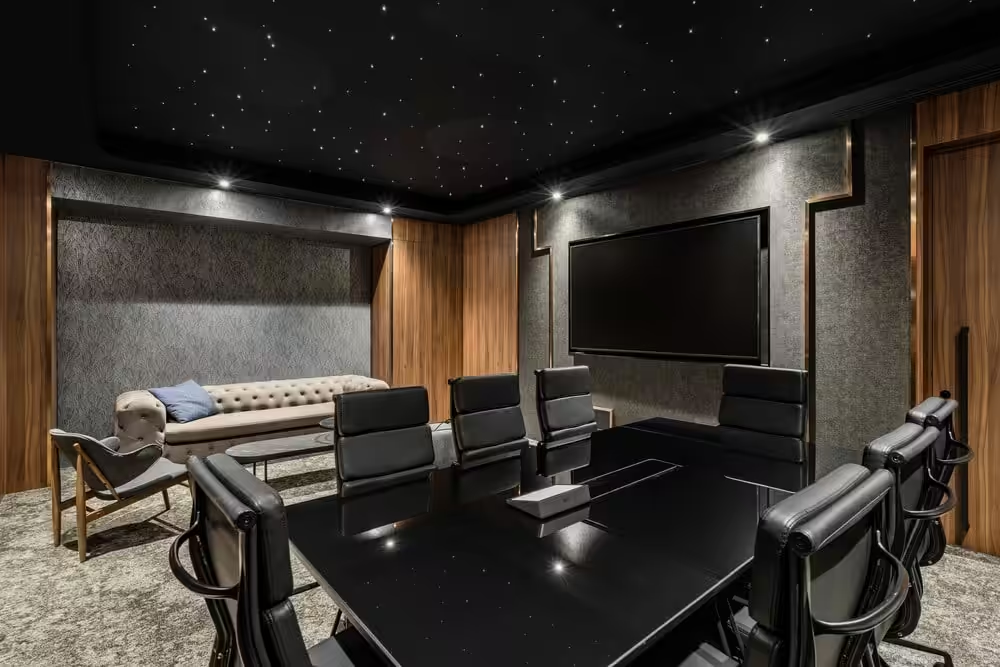
A versatile workspace that keeps teams connected and productive.
2.6 Low-Carbon Construction Materials
Low-carbon construction materials are increasingly prioritised in headquarters and commercial projects across Singapore as sustainability targets rise. Developers are moving from high-carbon materials to low-embodied-carbon concrete, recycled steel, mass timber, and adaptive reuse strategies to minimise environmental impact. This aligns with Singapore’s national goal, set by the Building and Construction Authority (BCA), to green 80% of buildings by floor area by 2030.
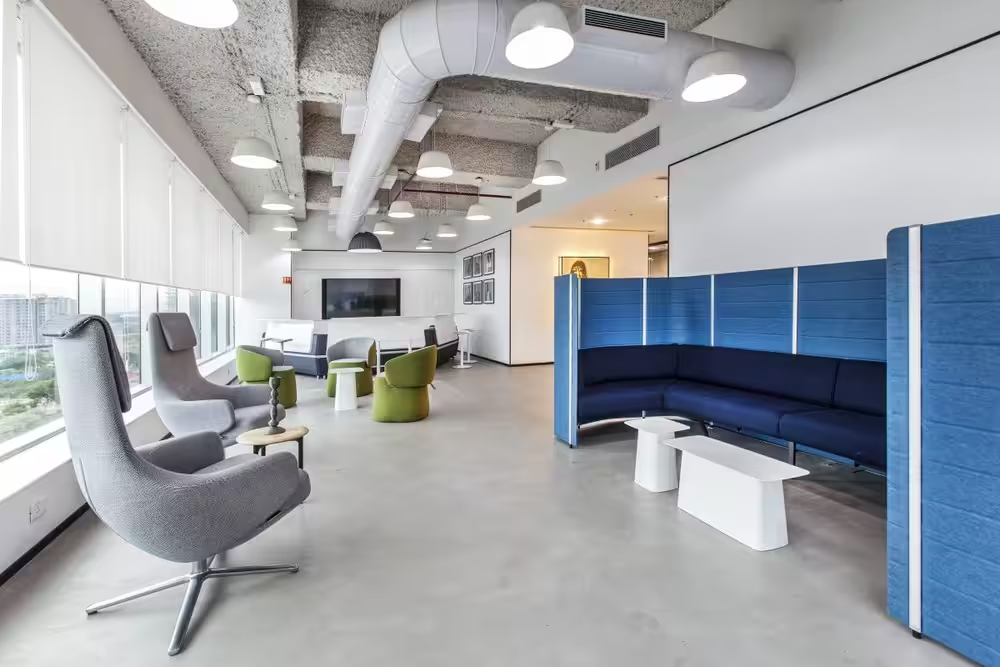
Sustainable materials reduce environmental impact and support ESG goals
In practice, low-carbon materials are no longer seen as optional. They help future-proof buildings, support corporate ESG commitments and align long-term environmental performance with commercial value in Singapore’s highly regulated built environment.
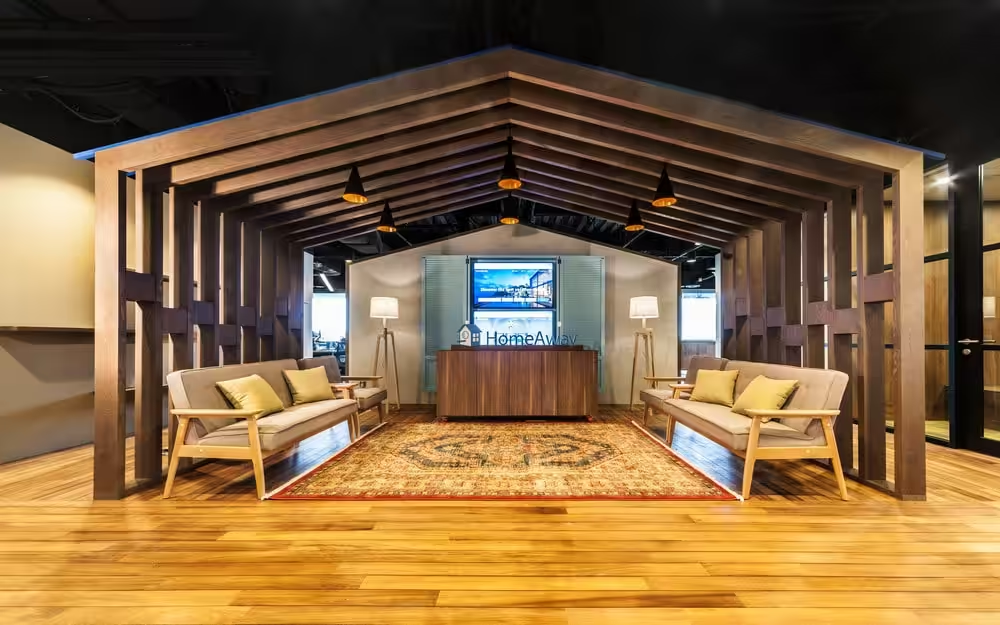
Low-carbon construction also contributes to achieving green certifications such as LEED
3. Case Studies: Headquarters Office Design in Singapore
Below are selected office headquarters design projects in Singapore that show how workplace design can reflect brand, culture and business identity, with design delivered by OSCA.
3.1 Bunker Holding – Maritime HQ with Danish Design
OSCA designed Bunker Holding’s headquarters at One Marina Boulevard with a concept inspired by maritime ripple reflections. The curved reception counter becomes a central visual element, expressing movement and the company’s long-term vision in global shipping.
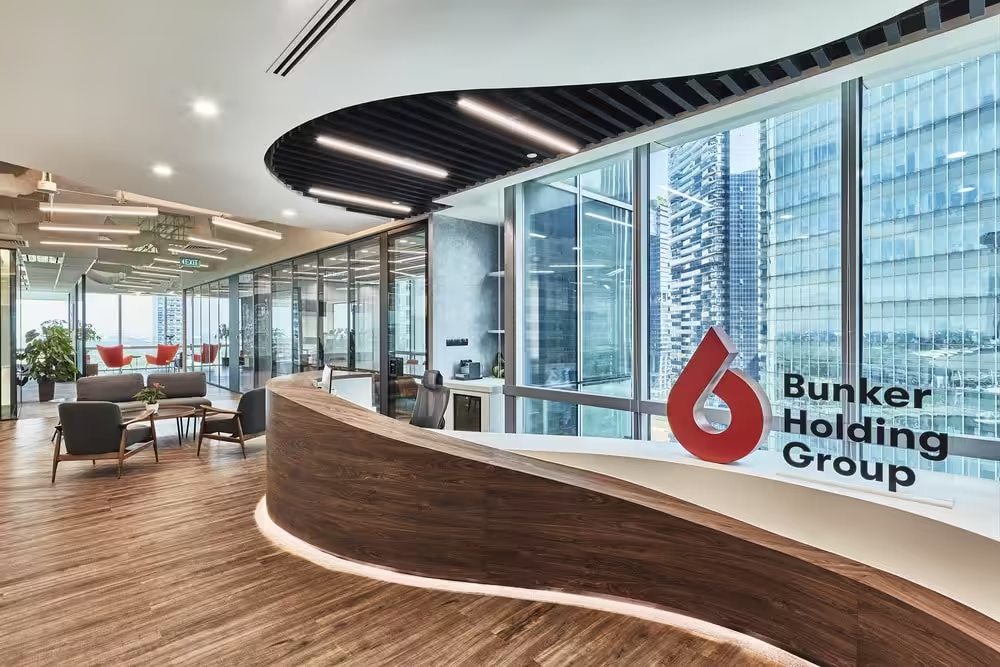
Reception curves reflect maritime heritage and global shipping vision
Natural timber finishes and selected Danish furniture create a calm, refined working atmosphere. Flexible planning, including a boardroom with movable walls, allows the space to adapt to different meeting formats.
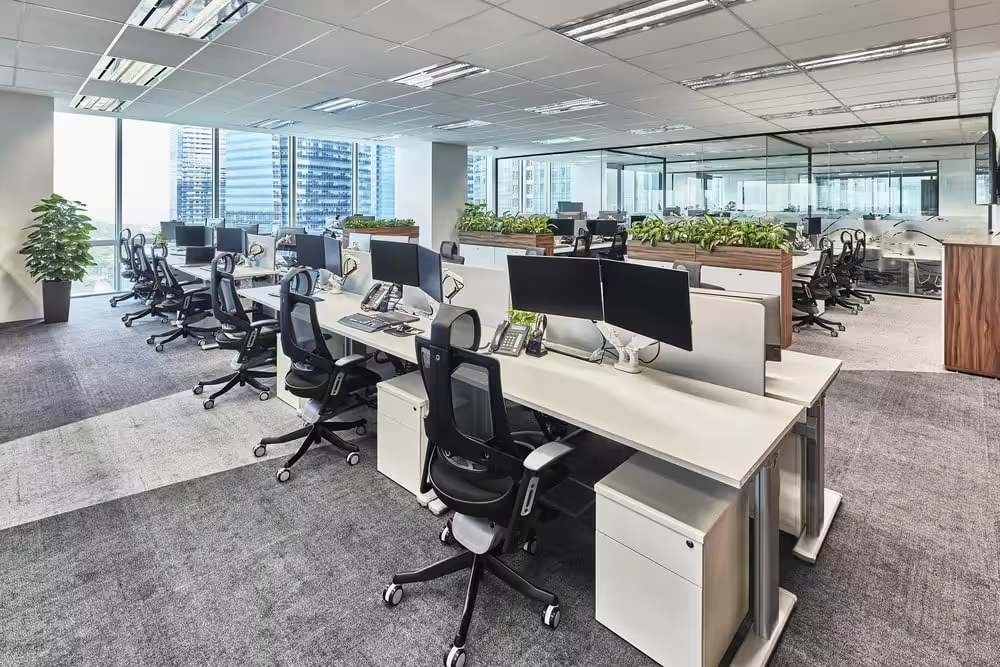
Timber finishes and Danish furniture create a calm, flexible workspace
Double-glazed glass partitions ensure high acoustic performance while maintaining openness and daylight flow. The 10,000 sq ft headquarters was delivered within a 16-week programme.
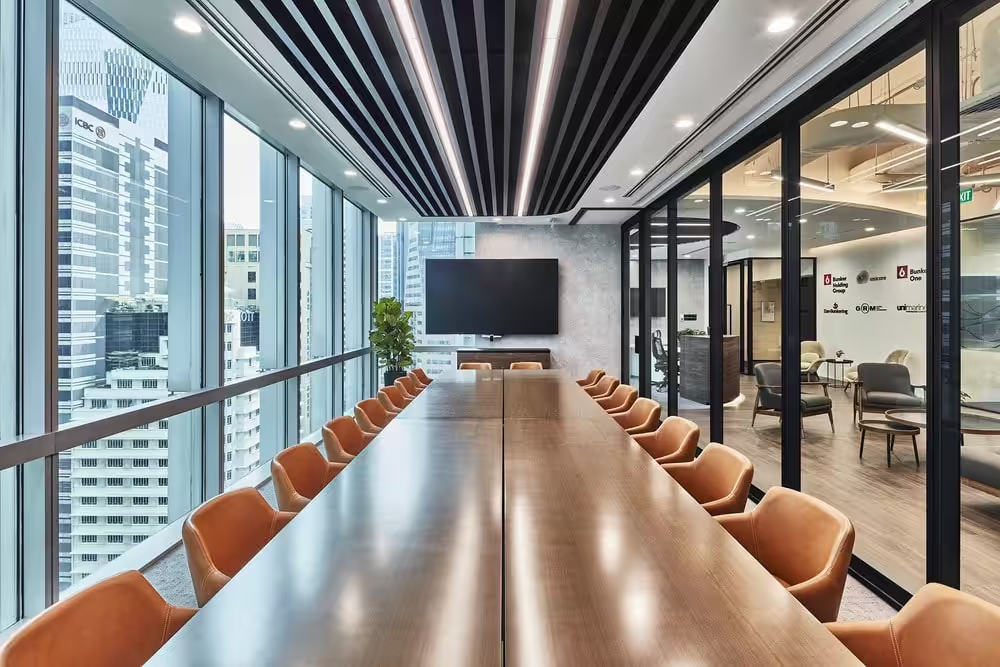
Double-glazed partitions ensure privacy while maintaining openness
3.2 ARRI Singapore – Lens-Inspired Design for Film Tech HQ
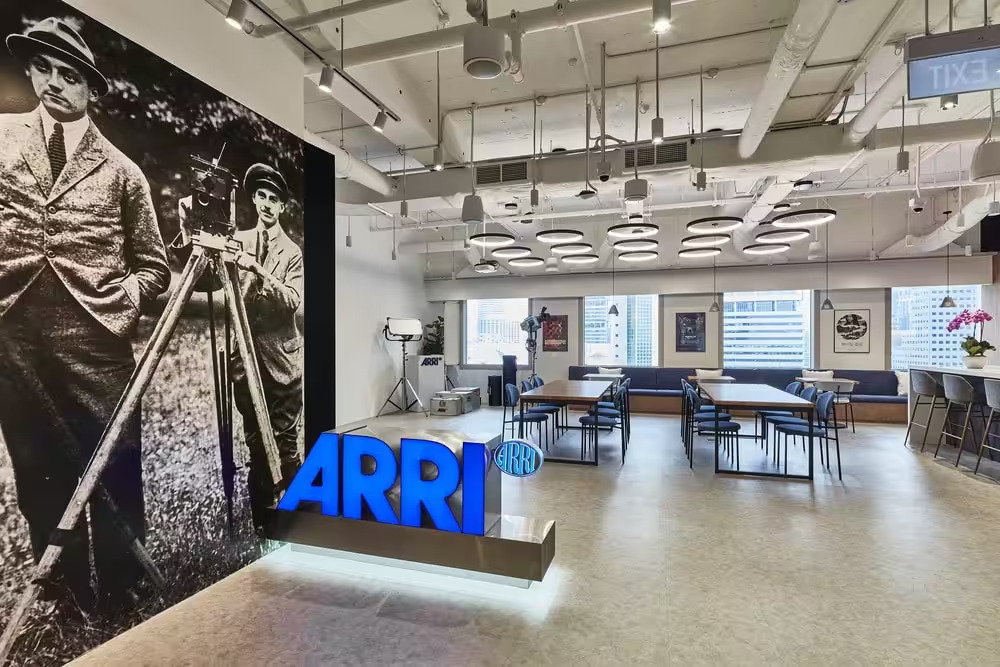
At Millenia Tower, OSCA shaped ARRI’s 3,500 sq ft office around the company’s iconic camera lenses. A flowing curved wall links the workplace directly to ARRI’s product DNA, giving the compact space a strong cultural anchor.
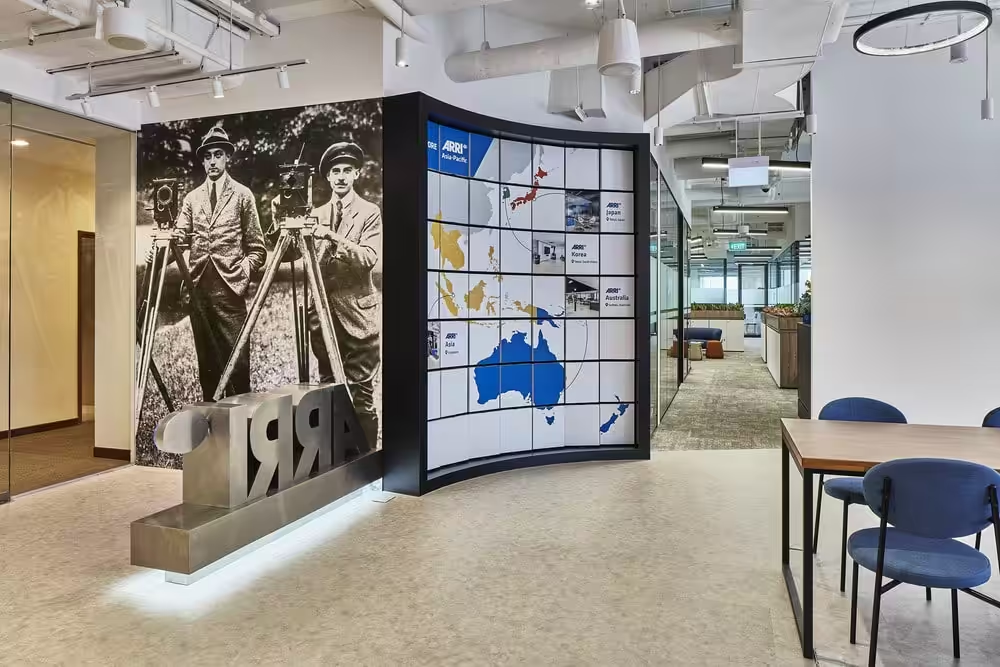
Curved wall inspired by ARRI lenses links design to brand DNA
A sustainable Instagram wall with flappable panels allows content to be refreshed easily, supporting brand storytelling and creative experimentation. Flexible furniture layouts enable the ARRI office to host events for up to 50 people.
Eco-friendly Instagram wall supports creativity and brand storytelling
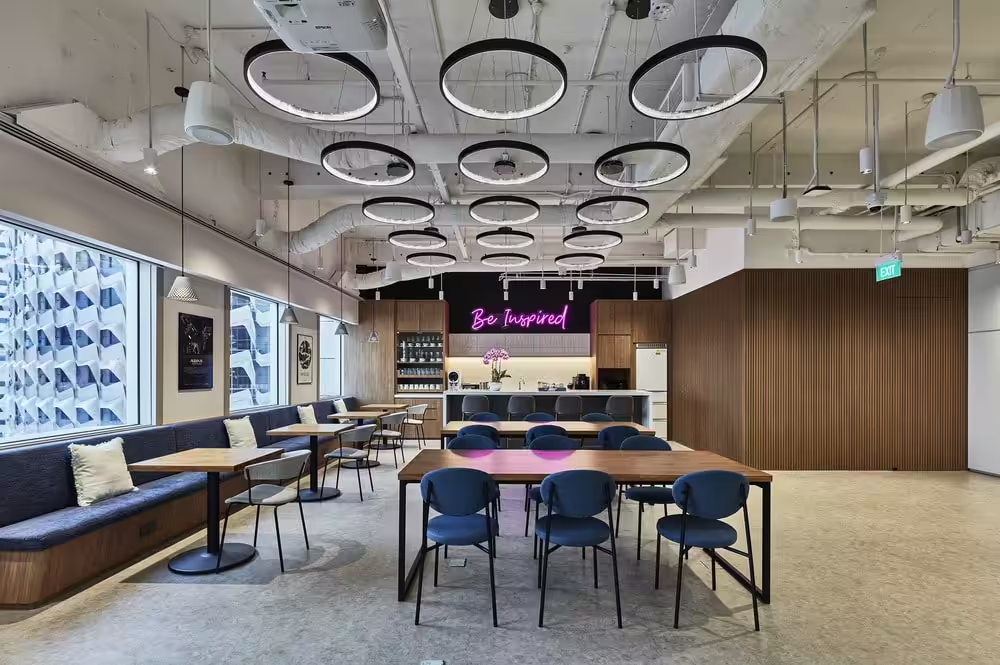
Flexible layouts allow events for up to 50 people in 3,500 sq ft
Open ceilings, strategic glazing and collapsible meeting rooms help maximise light and spatial efficiency. The project was completed within an 8-week design-and-build timeframe.
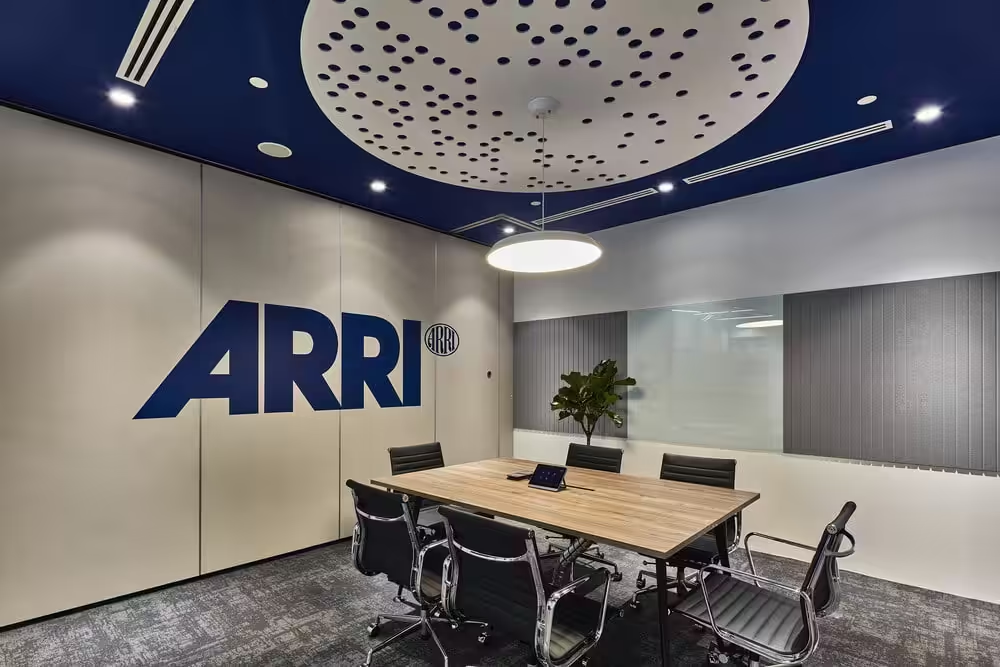
Collapsible meeting rooms ensure the office can adapt quickly to changing functional needs
3.3 China Telecom – Futuristic Tech-Driven HQ
OSCA transformed China Telecom’s regional headquarters at One Marina Boulevard into a future-forward workplace built around the “Technology Curve” concept. Dynamic lines, smooth surfaces and an open plan highlight digital movement and connectivity.
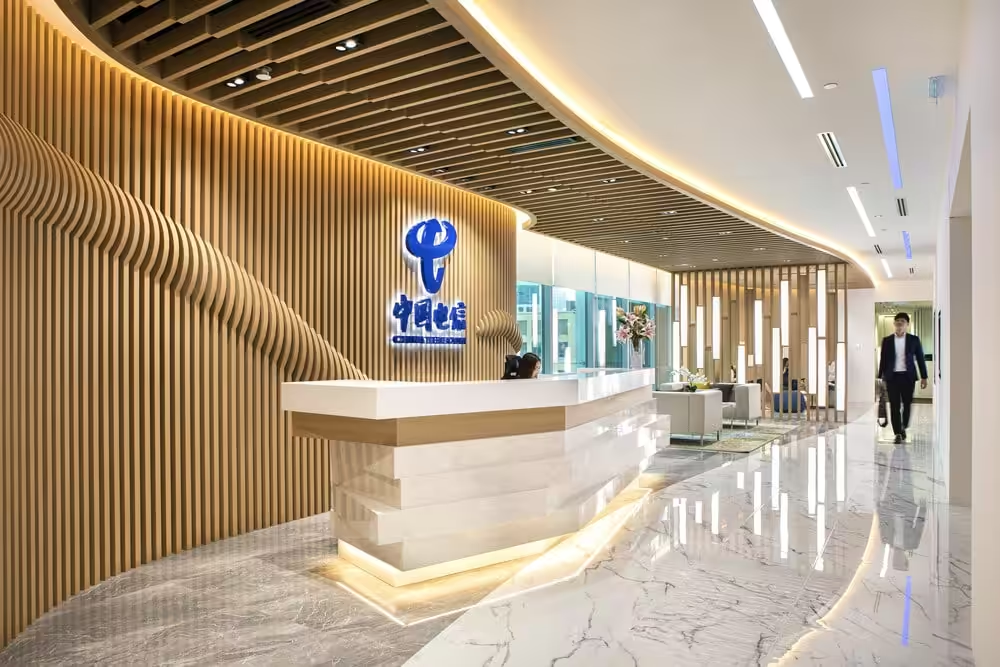
Futuristic design reflects innovation and global connectivity
By removing existing partitions, the 19,270 sq ft floorplate was opened up to support collaboration and visibility across teams. A vibrant palette and contemporary furnishings create energy suited to a predominantly millennial workforce.
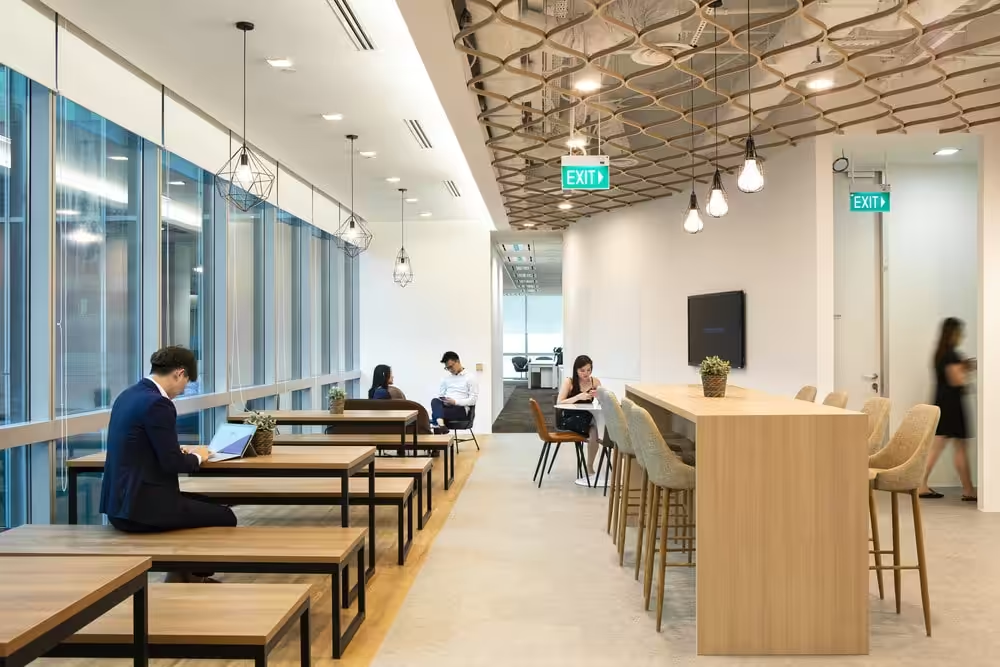
Workspace tailored for millennial workforce and collaborative performance
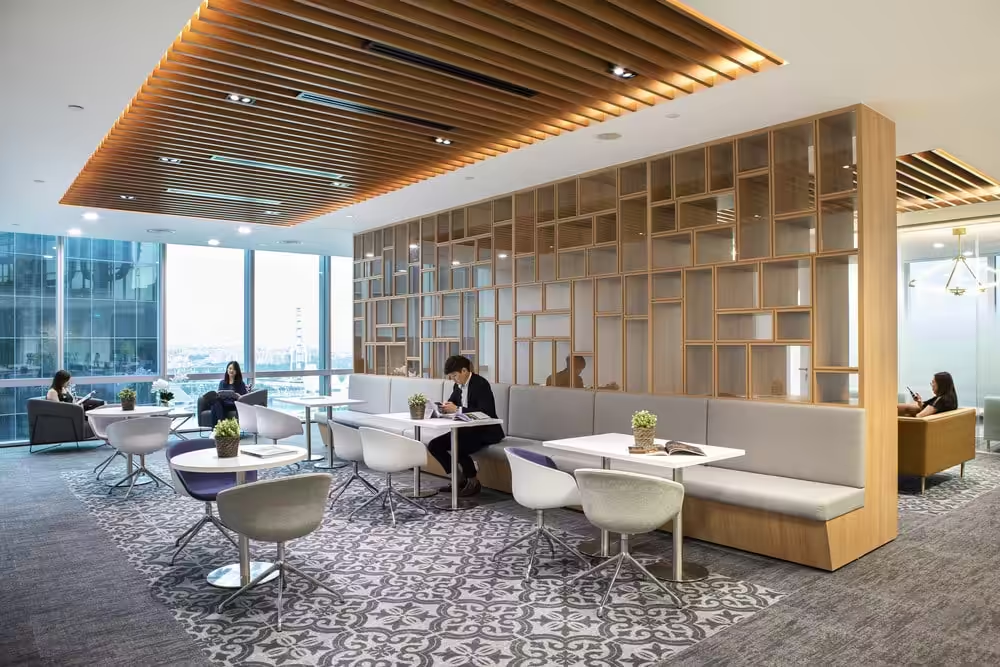
Fluid layouts and open floorplan support collaboration and visual flow
Tech-enabled areas and clearly defined functional zones promote agile working. Delivered in 20 weeks, the headquarters presents a confident and modern expression of the brand’s ambitions.
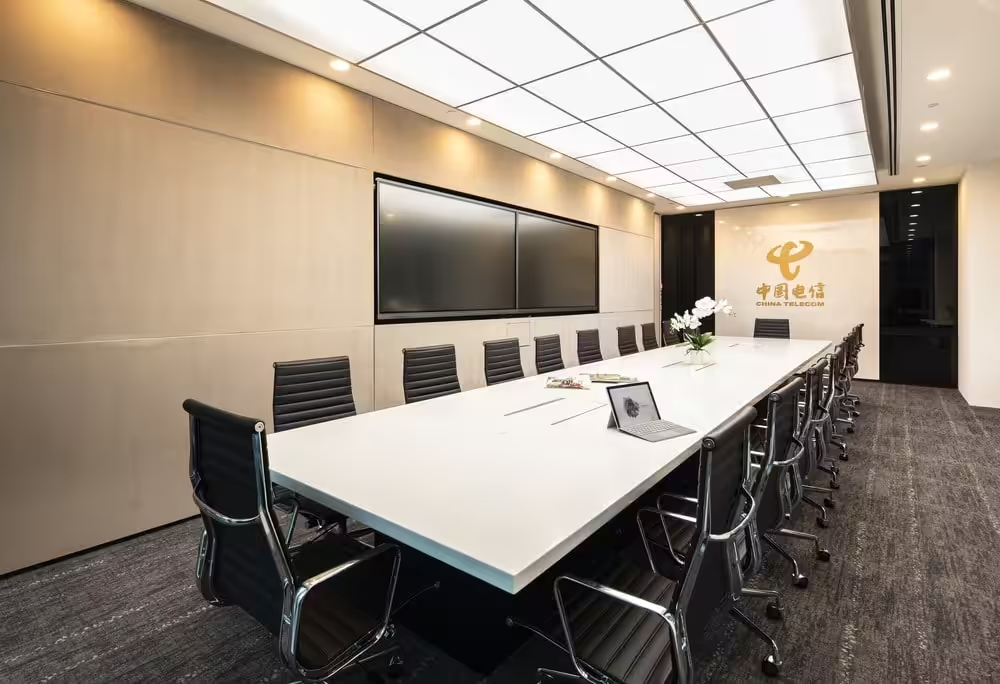
Tech-enabled areas enable flexible, agile team collaboration
3.4 SEACO – Industrial Identity for a Global Logistics HQ
At MTower, OSCA crafted a workplace that reflects SEACO’s global logistics heritage through an industrial yet polished aesthetic. The design draws heavily from shipping culture and container architecture.
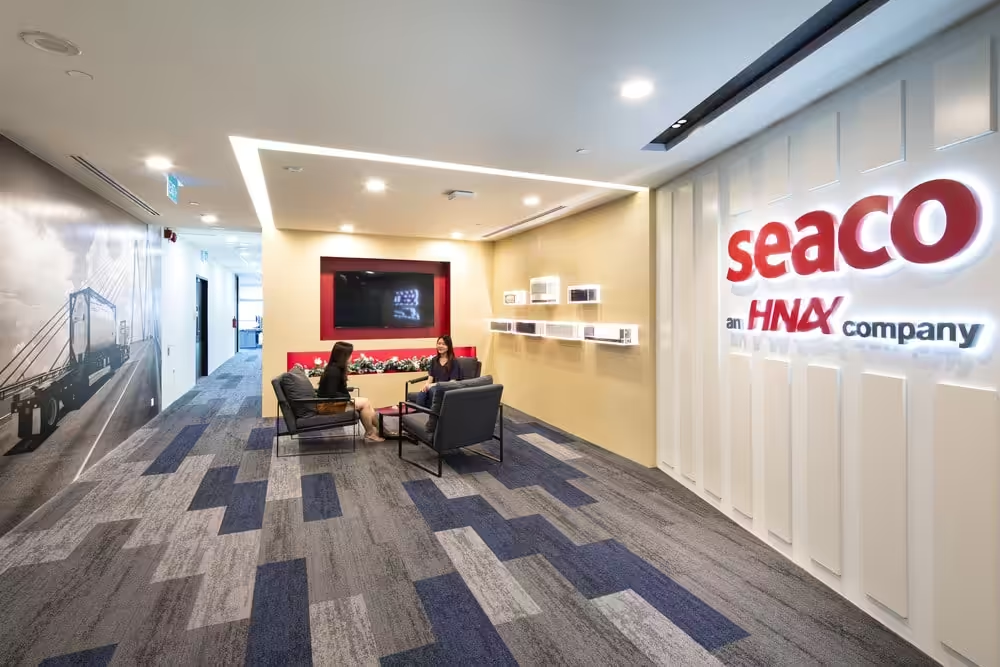
Industrial aesthetic reflects shipping heritage and global scale
Brand colours, including striking reds and deep navy blues, are used throughout the 13,000 sq ft office to reinforce identity. Corrugated wall panels mimic container structures and guide movement through the workspace.
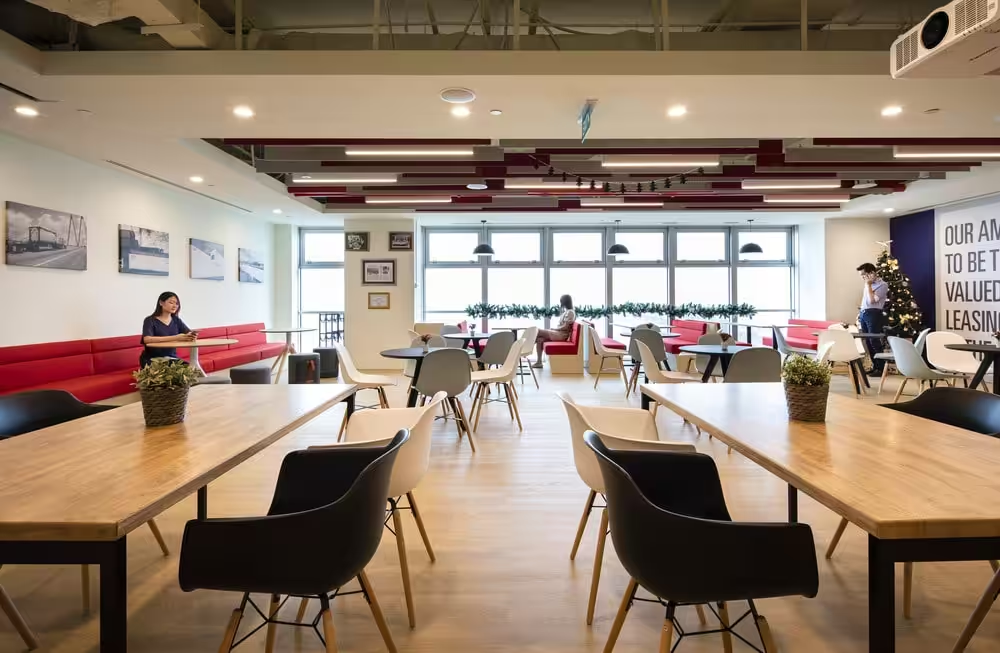
Brand colours and accents reinforce company identity across spaces
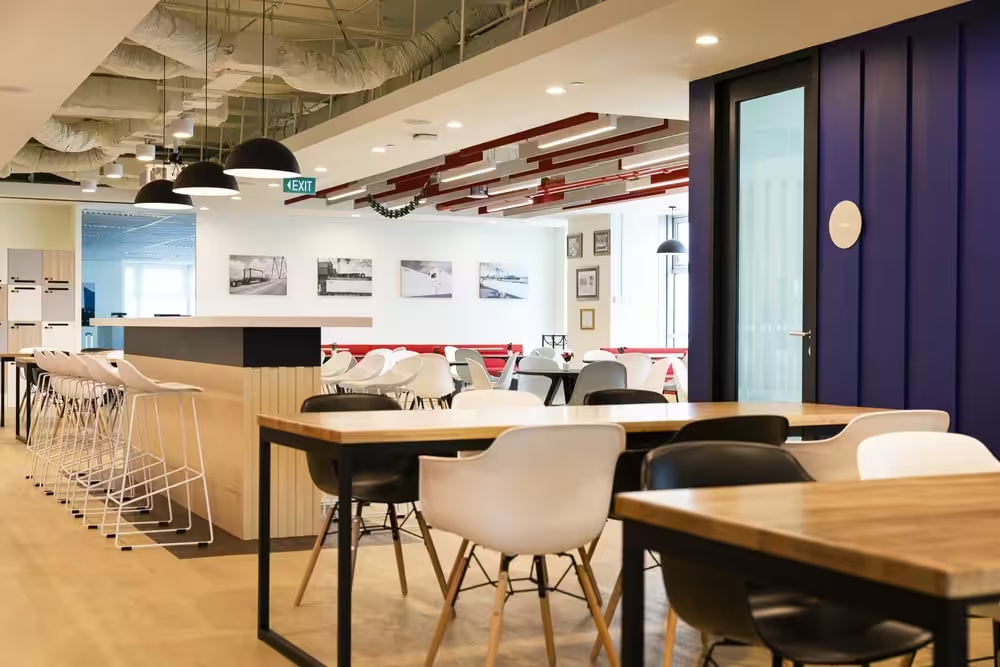
Corrugated walls and carpet patterns evoke container structure and sea routes
An open white ceiling with exposed red pipes enhances spaciousness while evoking the atmosphere of a ship cabin. The project was completed in 12 weeks.
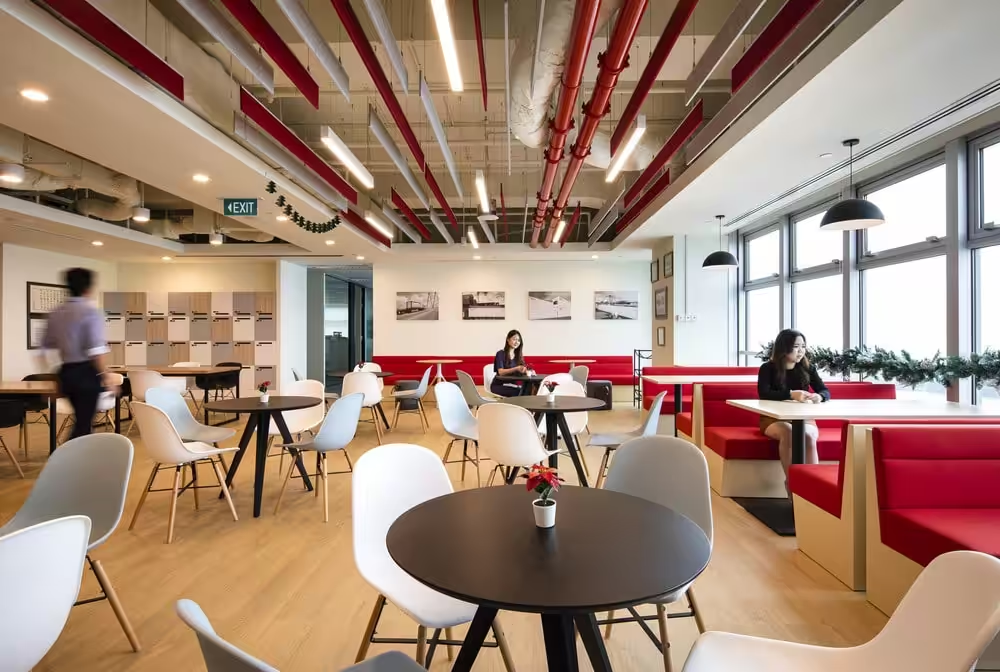
Open ceiling with exposed pipes enhances ship-cabin character and spaciousness
3.5 Traveloka – Dynamic HQ with Brand-Centric Design
Traveloka’s headquarters at Robinson 77 adopts an industrial-modern style with concrete, cement and brick textures, reflecting the agility of a fast-growing travel-tech brand. The design balances raw materials with warm, expressive elements.
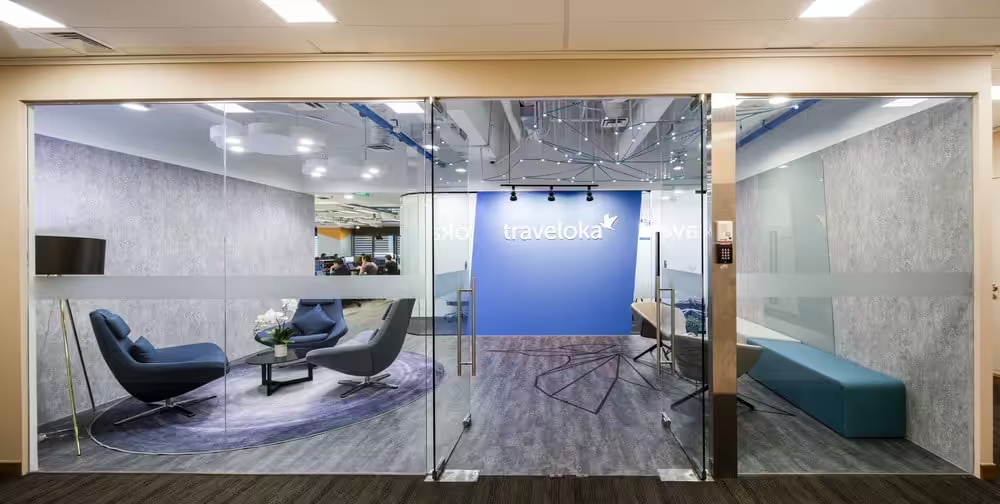
Industrial-modern design reflects energy and agility of the brand
Vibrant colours energise open work areas and collaboration zones, supporting the needs of younger teams. Hot-desking and flexible work settings encourage a dynamic, adaptable working culture.
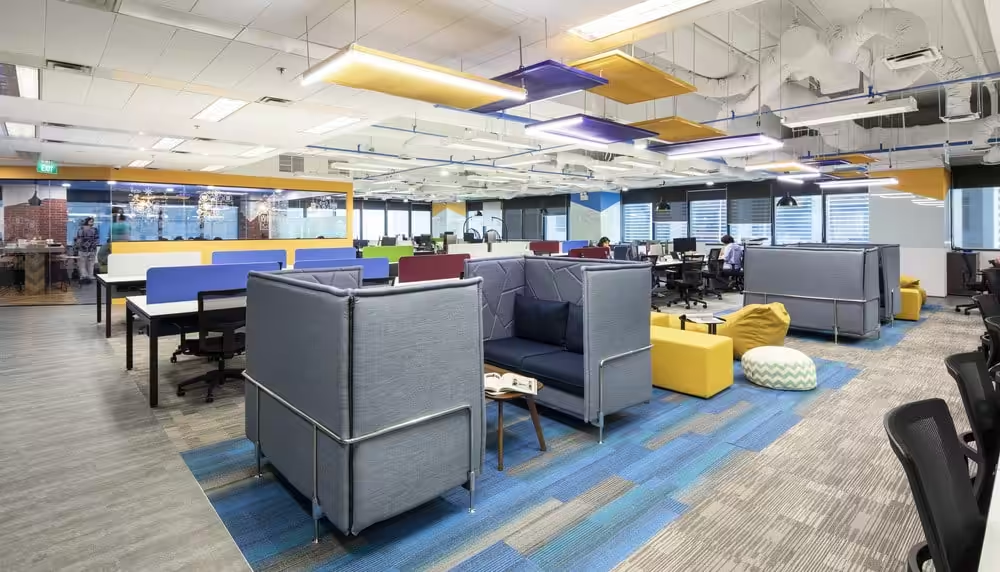
Concrete, cement and brick textures create a raw yet modern atmosphere
Across 12,100 sq ft, OSCA delivered a brand-centric environment within a tight 10-week schedule, capturing Traveloka’s spirit of exploration while supporting operational efficiency.
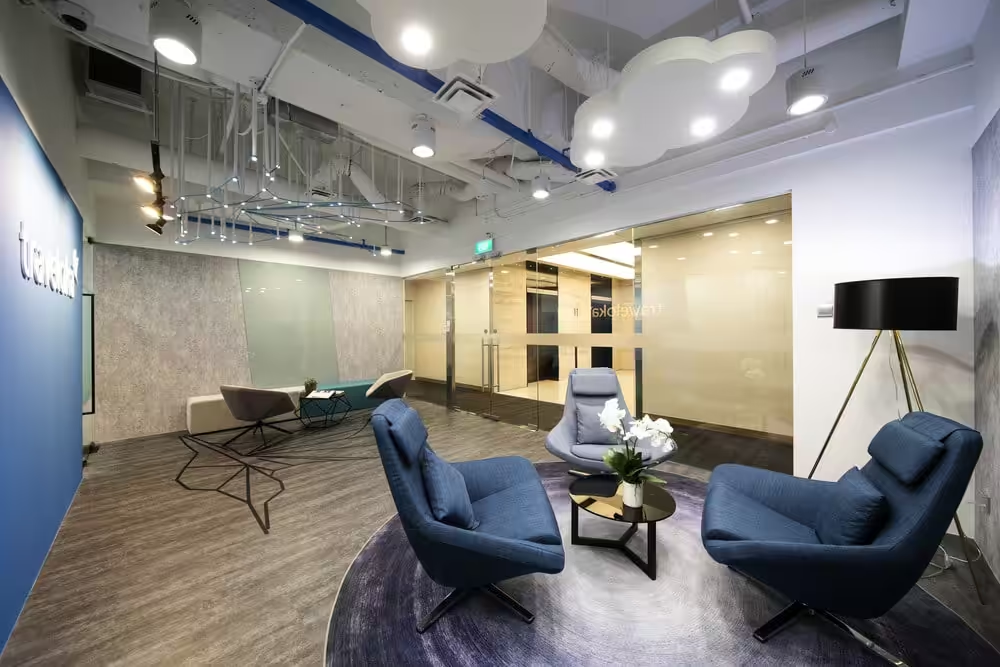
Brand-led design captures Traveloka’s spirit while providing adaptable workspace
4. OSCA – The Right Headquarters Office Design and Build Partner in Singapore
OSCA is a leading office design and build consultancy in Singapore, recognised for delivering high-performance headquarters that integrate workplace strategy, brand identity, and operational requirements. Acting as a long-term partner, OSCA guides organisations through every stage of workplace transformation, from strategic planning and design development to construction, handover, and ongoing maintenance. This end-to-end approach ensures each headquarters is cohesive, efficient, and future-ready.
At the heart of OSCA is a multidisciplinary team of architects, engineers, interior designers, and project managers who collaborate to deliver well-considered solutions. By combining creative design, technical expertise, and commercial insight, the team ensures workspaces are visually compelling, practical, and sustainable. Drawing on extensive experience across Singapore, Malaysia, Indonesia, and Vietnam, OSCA blends regional knowledge with global workplace standards to deliver consistent and confident results.
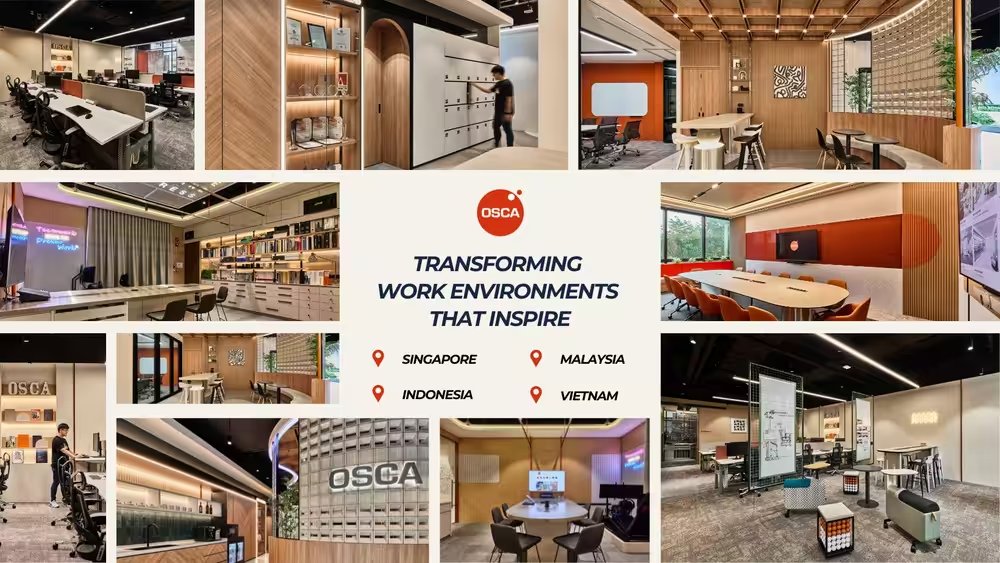
OSCA’s objective is to deliver headquarters interior designs that inspire people and elevate organisational identity
OSCA’s capabilities are anchored in its integrated Strategy – Design – Build – Maintenance model. Each project begins with workplace strategy aligned to business goals, culture, and future growth, translated into designs that balance aesthetics, functionality, and adaptability. Projects execute with precision, managing timelines, costs, and quality while minimising operational disruption. Post-completion maintenance safeguards long-term workplace performance and investment.
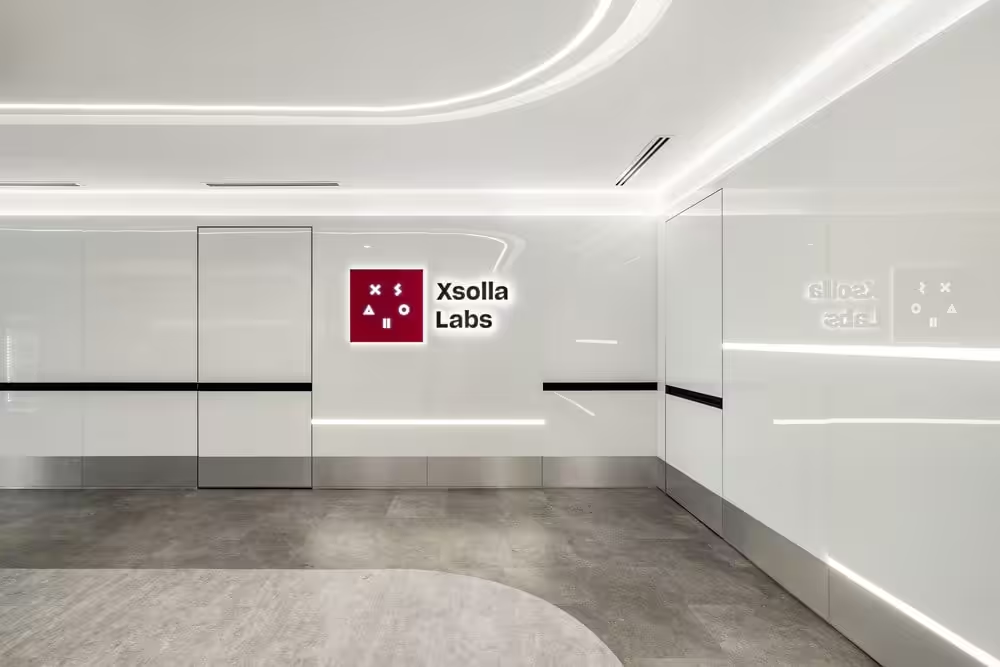
Xsolla Project – Best Workplace Design, Design Excellence Awards 2023
OSCA’s dedication to excellence is demonstrated through numerous industry accolades, showcasing the firm’s expertise in delivering best-in-class workplace design.
- Best Workplace Design, Design Excellence Awards 2023 (OKG, Xsolla)
- Honorary Award, Best Workspace Design, Singapore Interior Design Awards 2022
- Highly Commended, Best Workplace Design, Design Excellence Awards 2022 (OKG)
OKG Project – Best Workplace Design, Design Excellence Awards 2023
5. FAQs About Headquarters Office Design in Singapore
- What is the typical cost and timeline for an HQ project?
HQ project costs vary with size, materials, technology, and customisation. In Singapore, projects generally take 10–24 weeks for design, construction, and handover, depending on complexity.
- Is a workplace strategy necessary?
Yes. A workplace strategy optimises space, boosts productivity, and reflects corporate culture, ensuring layouts, facilities, and environment align with business goals, brand identity, and employee needs.
- How should HQ layouts adapt for hybrid work?
Hybrid work requires flexible shared spaces, hot-desking, collaborative zones, and meeting rooms supporting both in-person and remote participation, ensuring seamless interaction and a consistent employee experience.
- Should a headquarters meet WELL, LEED, or other sustainability standards?
Certifications like WELL, LEED, or Singapore’s BCA Green Mark improve well-being, energy efficiency, and corporate reputation. Many organisations combine these standards for comprehensive green and healthy building outcomes.
Headquarters office design in Singapore focuses on flexibility, sustainability, and enhancing employee experience, while clearly communicating brand identity. Thoughtful design strengthens employee satisfaction and performance, while presenting a professional, modern, and environmentally responsible corporate image. If you need expert advice on headquarters interior design for office in Singapore, contact OSCA to explore solutions tailored to your brand and workplace needs.