
The office renovation cost can vary widely depending on layout complexity, scope, materials, and project conditions. Without a structured approach, many businesses face budget overruns, delays, and rising renovation expenses. This guide provides a practical breakdown of what influences the office renovation price in Singapore. Find more with OSCA Asia.
1. What determines office renovation cost?
The total office renovation cost depends on several core variables. Each variable influences the final renovation price, often in ways that are not visible at the early planning stage.
Office size and layout complexity
Office size establishes the base level of the renovation office cost. Larger spaces require more materials, longer labour time, and higher coordination effort. However, layout complexity often has a stronger impact on the final office remodel cost.
Scope of renovation
The scope of work directly defines the level of the office renovation cost. It determines how much of the existing office will be changed or replaced. A cosmetic renovation focuses on surface upgrades such as painting, flooring, and lighting. This type of work usually results in a lower renovation price. A full renovation involves layout changes, system upgrades, and structural adjustments, which significantly increase the cost to renovate office space.
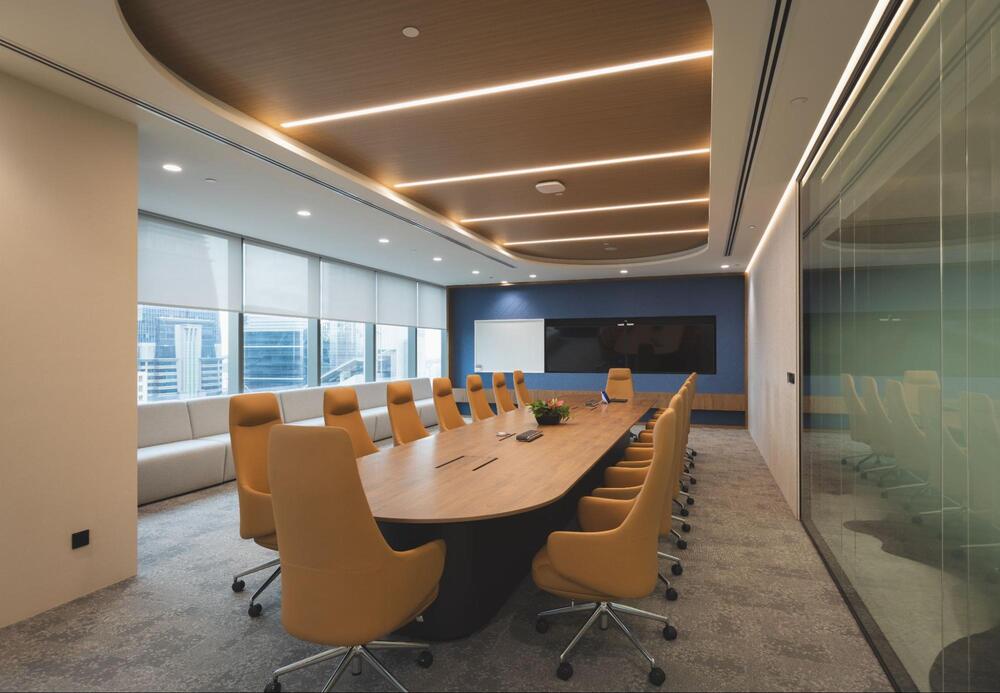
Scope impact on office renovation price
Material and furniture selection
Material and furniture choices have a direct impact on both the office renovation budget and spatial quality. Different selections lead to different cost levels and long-term performance outcomes. Budget materials such as laminates and standard finishes reduce the initial renovation price. Premium materials such as stone, metal finishes, or custom joinery increase the renovation office cost due to higher material and installation requirements.
Location and labour costs
Location plays a critical role in determining the cost to renovate office space. Labour rates vary depending on the region, with central business districts often having higher costs due to demand and operational constraints. Site conditions also influence the office renovation cost. Buildings may have restrictions on working hours, material delivery, or lift usage. These limitations increase labour time and coordination complexity, which raises the overall office renovation price.
Timeline and project urgency
Project timeline has a direct impact on the final office remodel cost. Short timelines often increase costs due to the need for overtime labour and accelerated workflows. Urgent projects may require faster procurement of materials, which can raise the office renovation price. Limited coordination time between design and construction teams can also lead to inefficiencies or adjustments during execution, increasing overall office renovation expenses.
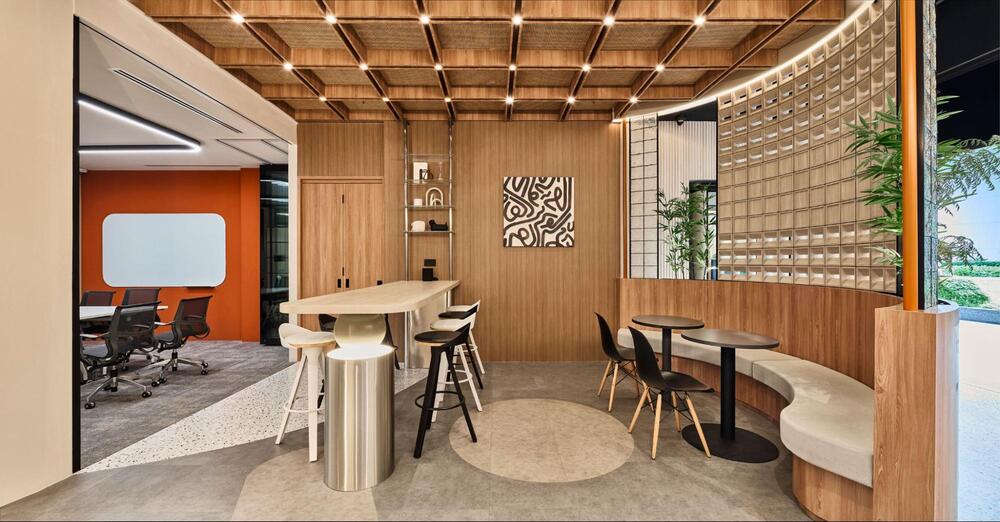
Office layout complexity and its impact on cost
2. Average office renovation cost breakdown (2026)
Cost per square meter
In Singapore, the renovation office cost is commonly calculated per square metre. Based on current market conditions in 2026, the ranges are:
| Tier | Estimated cost (SGD per sqm) | Market reality |
| Low budget | SGD 400 – 700 | Basic upgrades, limited layout changes |
| Mid-range | SGD 700 – 1,200 | Standard corporate fit-out |
| Premium | SGD 1,200 – 2,200+ | Full design, custom build, system upgrades |
These figures represent the average office remodel cost across commercial offices in areas such as CBD and business parks.
Detailed cost components
A realistic workplace renovation cost in Singapore must be broken down into key components. Each component contributes to the final cost to renovate office space. Typical cost distribution in the Singapore market:
| Component | Cost share (%) | Market notes |
| Design & consultancy | 8 – 12% | Includes workplace strategy and authority submissions |
| Construction & labour | 45 – 60% | Higher due to labour and site constraints |
| Furniture & equipment | 10 – 20% | Depends on modular vs custom solutions |
| Technology & infrastructure | 10 – 15% | Strong demand for digital workplaces |
| Compliance & permits | 5 – 10% | Required for landlord and authority approval |
Hidden costs most businesses miss
Hidden costs are a major reason why projects exceed the planned office space renovation budget in Singapore. Common hidden costs include:
- Downtime cost: Office renovation often affects daily operations. Delays or phased work can reduce productivity, increasing indirect office renovation expenses.
- Temporary workspace: Many companies lease swing space during renovation. In Singapore, rental rates are high, which increases the total cost to renovate office space.
- Change orders: Design changes during construction are common. Each change affects materials, labour, and approvals, raising the overall renovation cost.
- Authority and landlord requirements: Buildings in Singapore require strict approvals. Additional fire safety works, inspections, or reinstatement clauses can increase the office renovation price.
- Existing site conditions: Older buildings may have outdated MEP systems. Upgrading these systems adds to the renovation office cost.
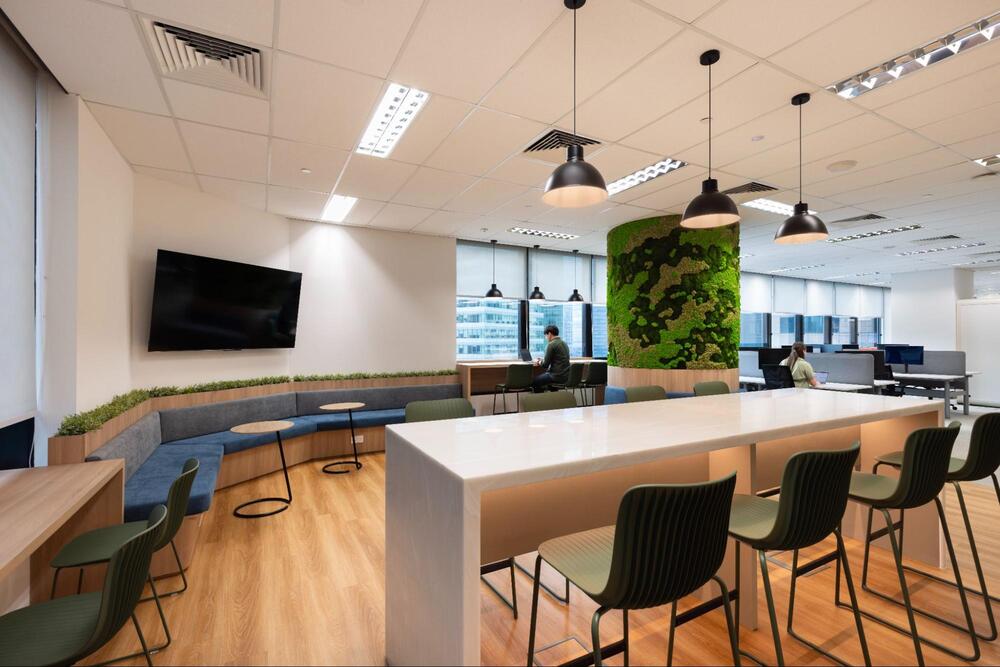
Office remodel cost breakdown by components
3. How to reduce office renovation cost?
Below are proven methods used in the Singapore market to control office renovation expenses and optimize the overall cost.
3.1 Start with a clear workplace strategy
A defined workplace strategy is the foundation of cost control. Without it, projects often face redesign, delays, and increased workplace renovation expenses. You should first align the office layout with business needs. This includes headcount planning, work patterns, and space usage. When these factors are unclear, design changes occur during construction, which increases the office renovation cost.
A clear strategy also reduces wasted space. Oversized meeting rooms, unused areas, or inefficient layouts increase the renovation office cost without improving performance. A structured workplace plan ensures that every square metre supports business operations. This approach stabilises the office renovation budget and reduces unnecessary spending.
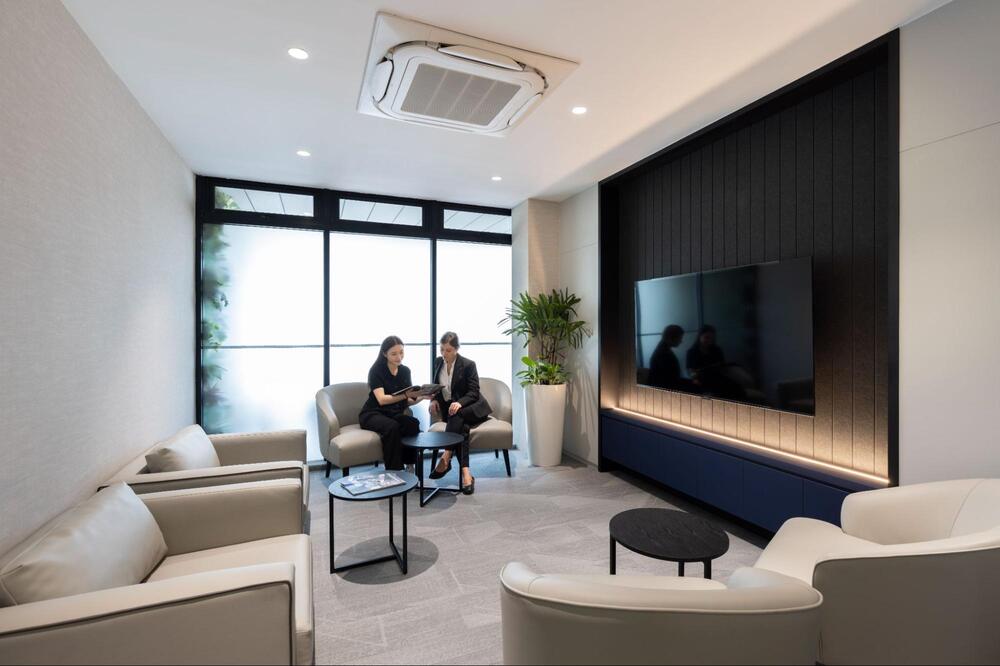
Workplace strategy planning for cost efficiency
3.2 Choose design & build instead of separate vendors
The delivery model has a direct impact on the workspace renovation price. Separate design and construction vendors often lead to coordination gaps, which increase the office remodel cost. A design and build approach integrates planning and execution under one team. This reduces duplication of work and improves cost control.
With a single point of responsibility, project timelines are better managed. Fewer delays mean lower labour costs and reduced office renovation expenses. This approach also improves budget accuracy. Design decisions are made with real construction input, which reduces the risk of cost overruns during implementation.
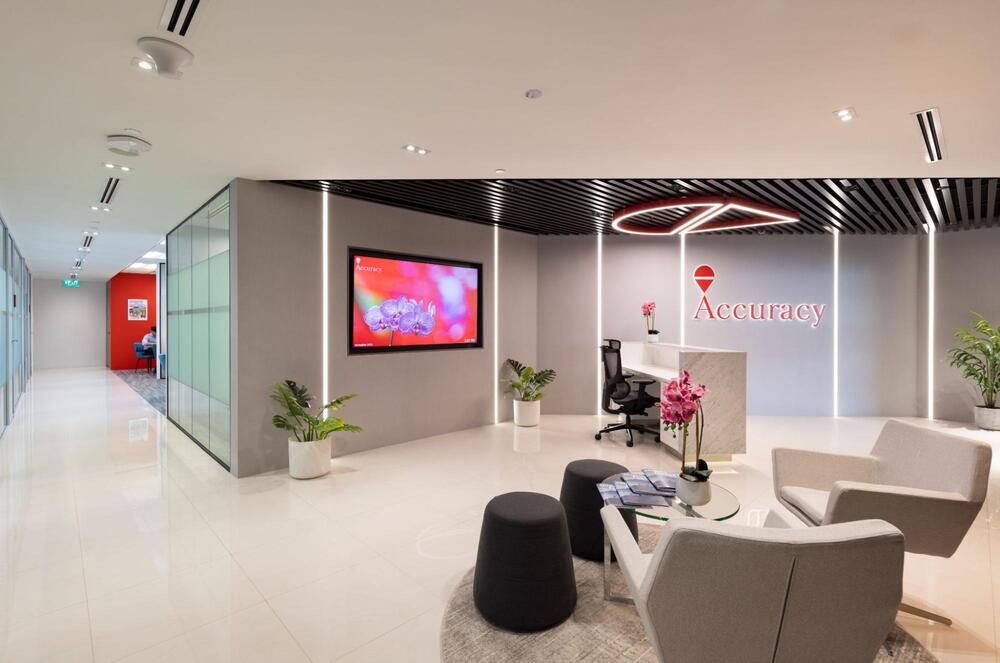
Design and build process in office remodel
3.3 Optimise space planning
Efficient space planning reduces both construction scope and long-term workplace renovation expenses. Poor planning leads to unnecessary partitions, redundant circulation areas, and underused spaces. You should focus on multi-functional areas. Open collaboration zones, flexible meeting spaces, and shared facilities reduce the need for additional rooms.
Reducing partitions lowers material and labour costs. It also simplifies MEP coordination, which directly lowers the office renovation cost. Efficient layouts improve workflow and reduce the overall cost to renovate office space without compromising usability.
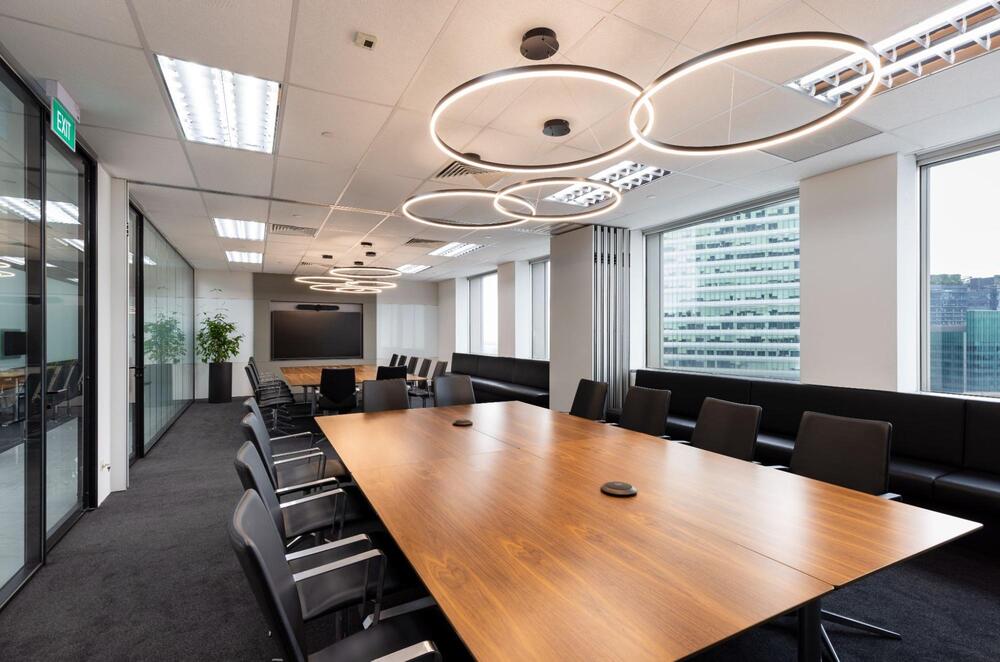
Efficient office space planning for cost reduction
3.4 Reuse and refurbish existing assets
Reusing existing elements is one of the most effective ways to reduce the renovation price in offices. Many offices replace items that can still be used or upgraded. Furniture, partitions, and ceiling systems can often be refurbished. This reduces procurement cost and limits waste, lowering the total renovation expenses.
Retrofitting is often more cost-efficient than full replacement. For example, upgrading lighting systems or reconfiguring workstations can reduce the office remodel cost. This approach also shortens project timelines, which further controls labour costs and supports the overall budget.
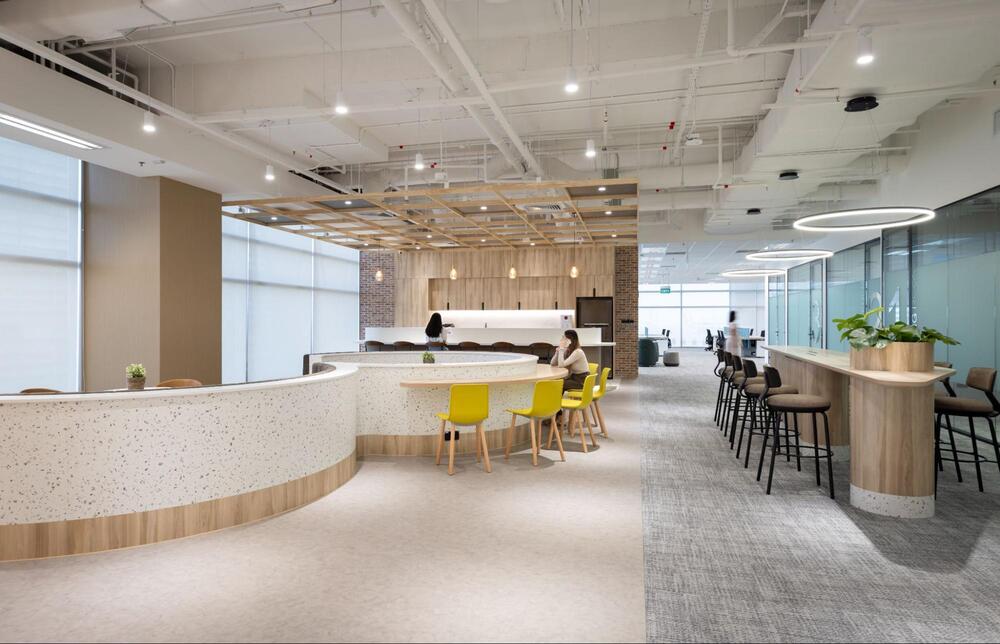
Reuse and refurbish office furniture strategy
3.5 Standardise materials and finishes
Material selection has a direct impact on the renovation office cost. Custom finishes increase fabrication complexity and installation time. Standardised materials allow bulk purchasing, which reduces the renovation price. They also simplify installation, lowering labour costs.
Limiting the number of material types reduces coordination effort and minimises errors. This helps control office renovation expenses during construction. A consistent material palette can still deliver a strong spatial identity while maintaining a controlled workplace renovation cost.
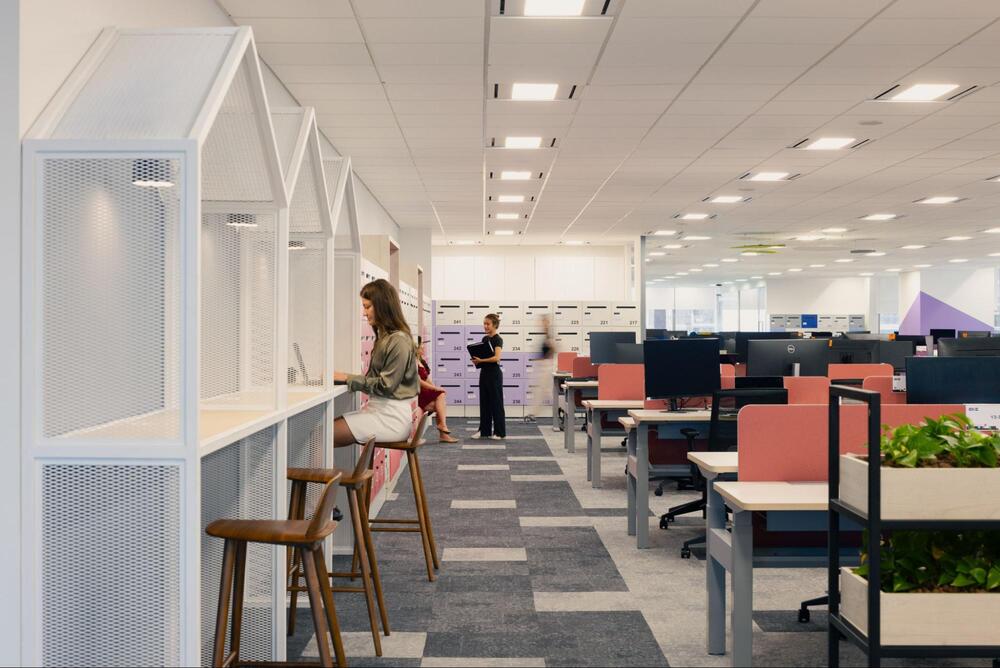
Standardised materials in office interior design
3.6 Phase the renovation
Phasing allows you to spread the renovation cost over time. Instead of renovating the entire office at once, work is completed in stages. This approach reduces immediate financial pressure on the budget. It also allows business operations to continue, which limits indirect office renovation expenses.
Phased renovation reduces the need for temporary relocation. This lowers the total cost to renovate office space, especially in high-rent markets like Singapore. However, phasing requires careful planning to avoid disruption and maintain project efficiency.
3.7 Prioritise high-impact areas
Not all areas require the same level of investment. Focusing on key spaces helps control the office remodel cost. Reception areas, meeting rooms, and collaboration zones have the greatest impact on user experience and brand perception. Investing in these areas provides value without increasing the overall office renovation price. Back-of-house areas can use standard finishes. This reduces the renovation office cost while maintaining functionality.
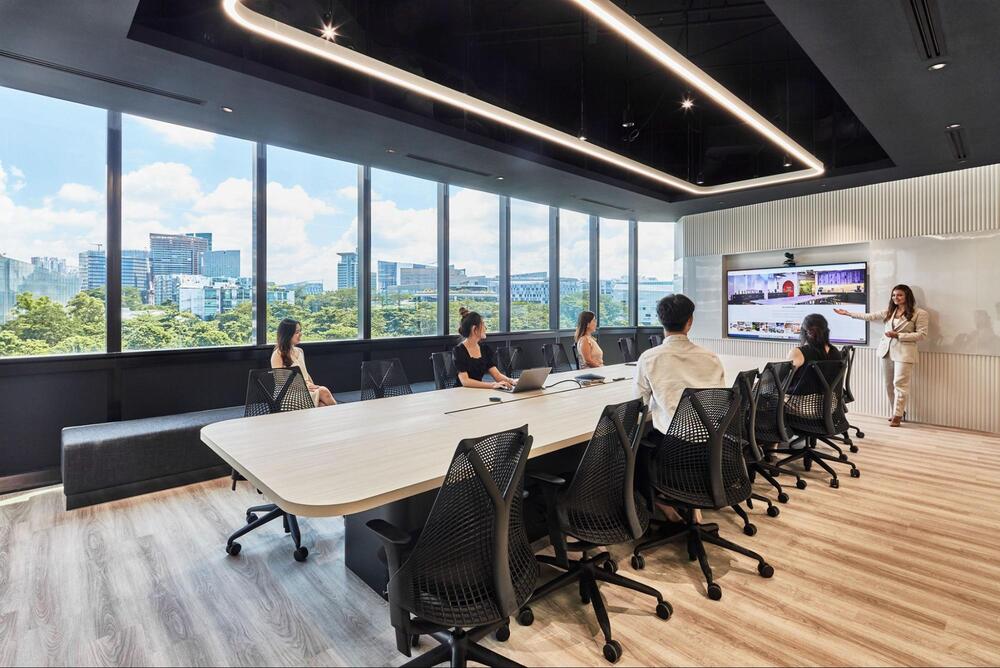
High-impact office areas: reception and meeting rooms
3.8 Work with Experienced Project Managers
Project management plays a critical role in controlling the office remodel cost. Poor coordination leads to delays, errors, and increased office renovation expenses.
Experienced project managers oversee scheduling, procurement, and contractor coordination. This reduces the risk of rework, which is a major cause of rising renovation prices. They also manage budget tracking and cost control throughout the project. This ensures that the office remodel budget remains aligned with actual spending.
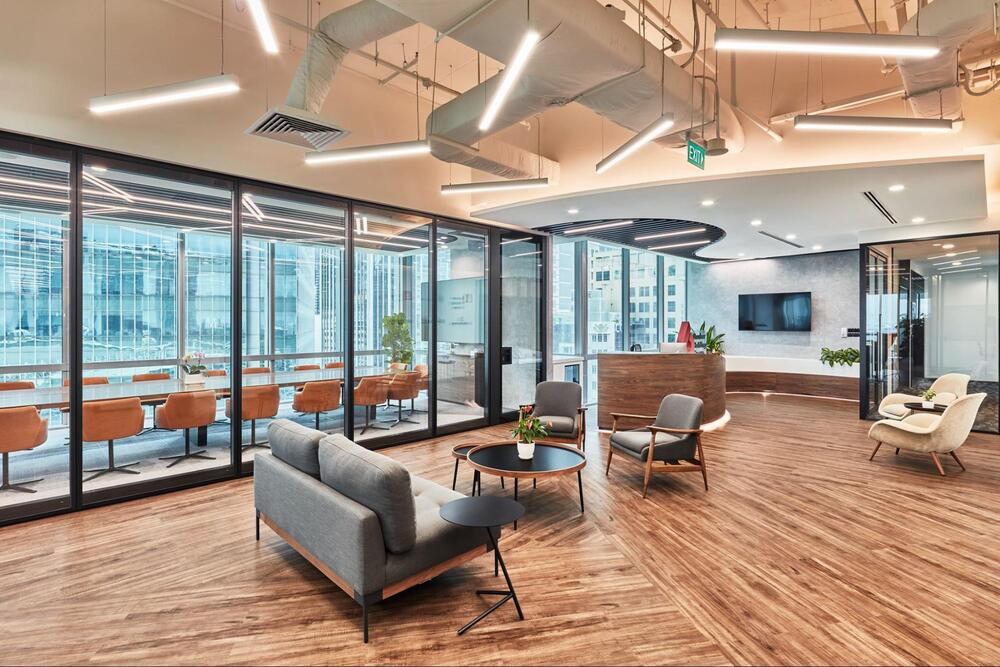
End-to-end office renovation project management
Working with an experienced partner such as OSCA Asia strengthens this process. Established in 2010, OSCA is a commercial interior design and build specialist with a strong track record across Singapore and Asia. The firm delivers integrated services that combine workplace strategy, design consultancy, and construction under one framework.
OSCA’s approach focuses on aligning spatial planning with business objectives from the early stage. This reduces design revisions during construction, which helps control the cost to renovate office space. Their team manages every phase, from concept development to project completion, ensuring consistency in quality, timeline, and cost execution.
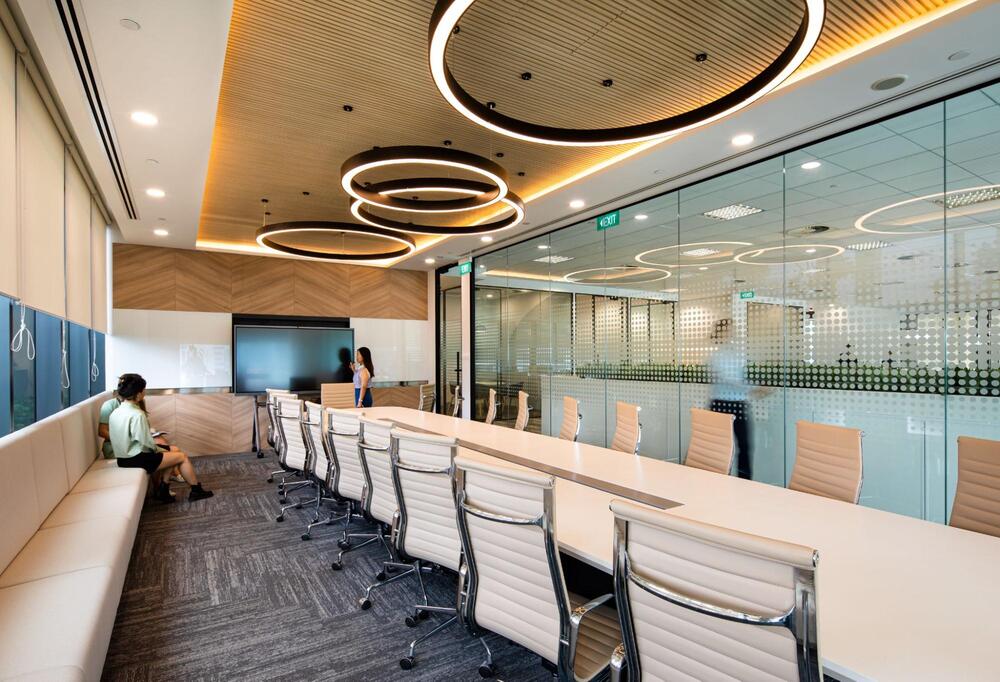
Design and build office solutions by OSCA Asia
Through a design and build model, OSCA minimises coordination gaps between consultants and contractors. This results in clearer cost forecasting, fewer variations, and tighter control of the overall office renovation expenses. Their experience with MEP coordination, compliance requirements, and landlord approvals also reduces risk during project delivery.
In addition, OSCA applies practical cost management strategies such as material standardisation, efficient space planning, and phased execution. These methods help optimize the office remodel cost without compromising functionality or spatial performance.
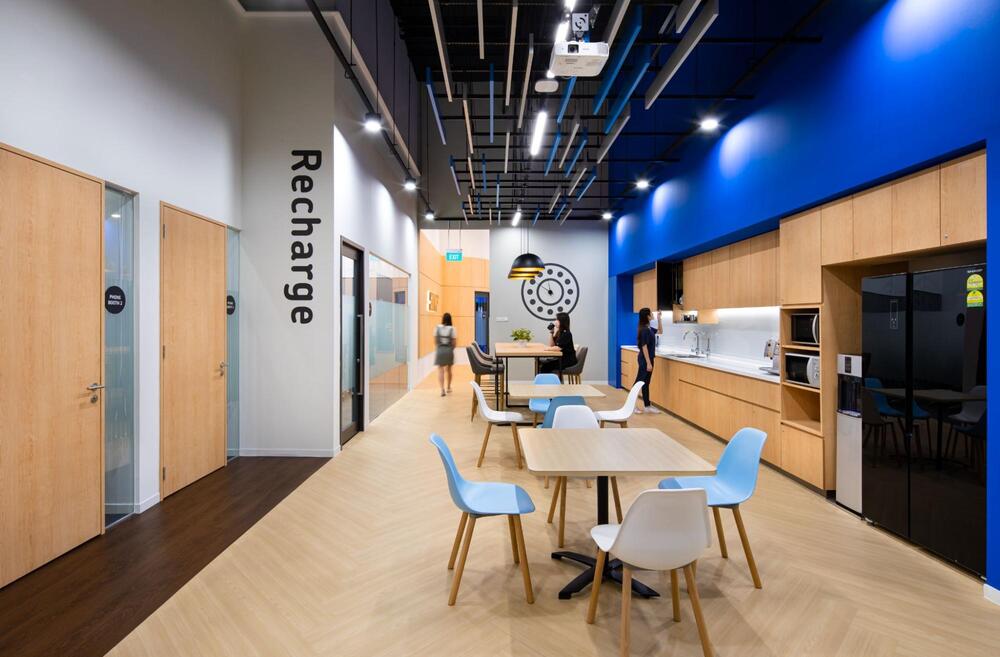
Integrated office fit-out process for cost control
4. Common mistakes that increase office renovation cost
Many businesses exceed their planned office remodel cost due to common but avoidable mistakes. These issues often appear during design and execution, leading to higher prices and uncontrolled expenses.
Overdesign without clear function
Overdesign increases the office remodel cost without improving usability. Custom features, complex finishes, and non-standard elements raise fabrication and installation cost. These choices often lead to coordination issues and rework, which increases the renovation expenses.
How to improve:
- Define functional requirements before design
- Limit custom elements to key areas
- Focus on usability over visual complexity
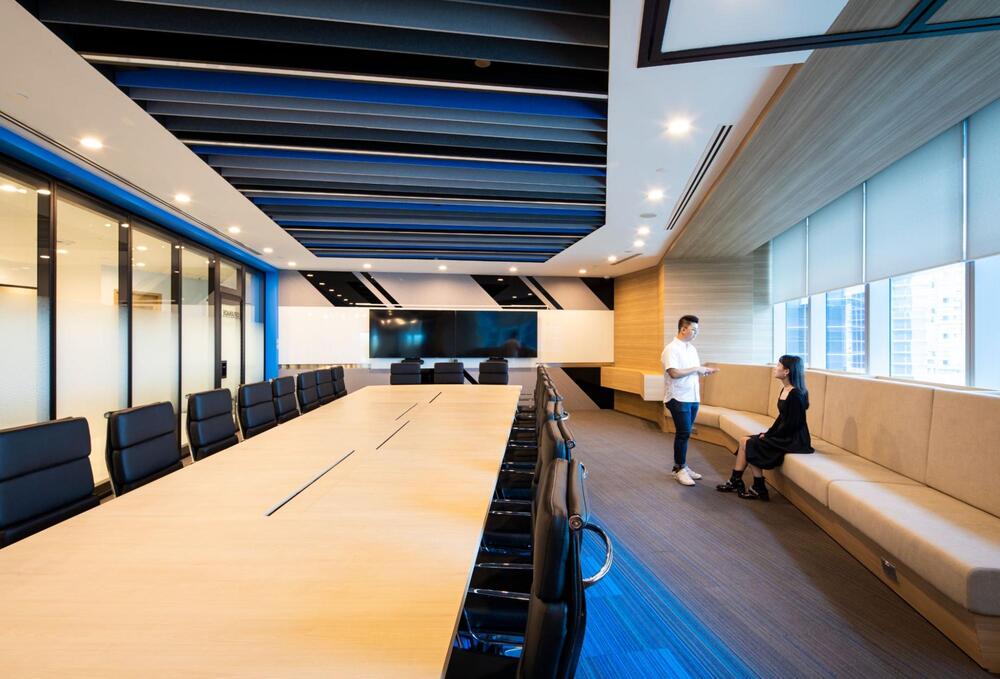
Smart office remodel strategies for better cost control
Poor space planning leading to rework
Poor planning leads to inefficient layouts, unused areas, and excessive partitions. These issues increase material usage and labour time, which raises the cost. Rework during construction further increases the renovation price.
How to improve:
- Align layout with workflow and headcount
- Reduce unnecessary partitions
- Validate space planning before construction
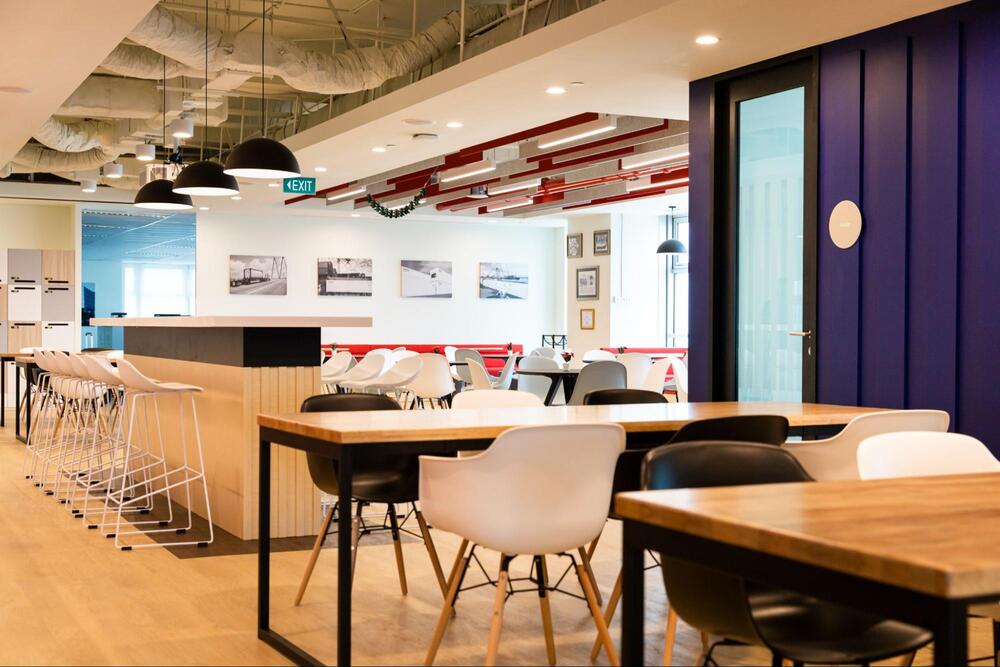
Effective office layout planning for cost efficiency
Choosing the cheapest contractors
Low-cost contractors often exclude scope details or lack experience. This leads to variations, delays, and quality issues, which increase the total office renovation expenses and final renovation office cost.
How to improve:
- Compare scope, not just price
- Review past projects and experience
- Select contractors with clear cost breakdowns
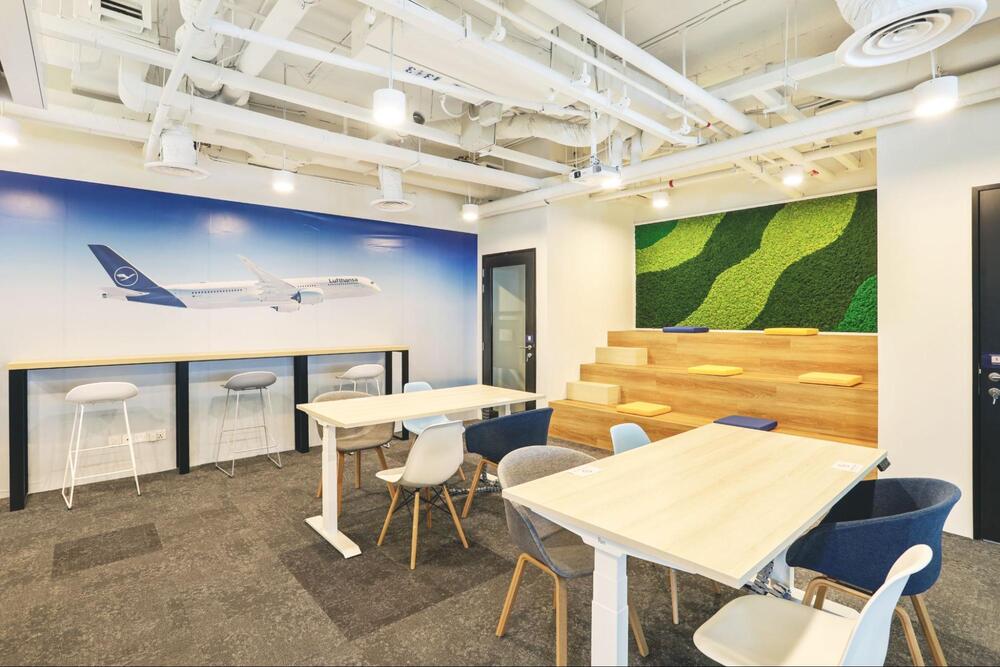
Balanced office design for function and cost optimization
Ignoring scalability
Ignoring future needs leads to higher long-term office remodel cost. Spaces become difficult to modify, and system upgrades increase the cost to renovate office space.
How to improve:
- Plan for future growth and flexibility
- Use modular furniture and adaptable layouts
- Ensure sufficient capacity for IT and MEP systems
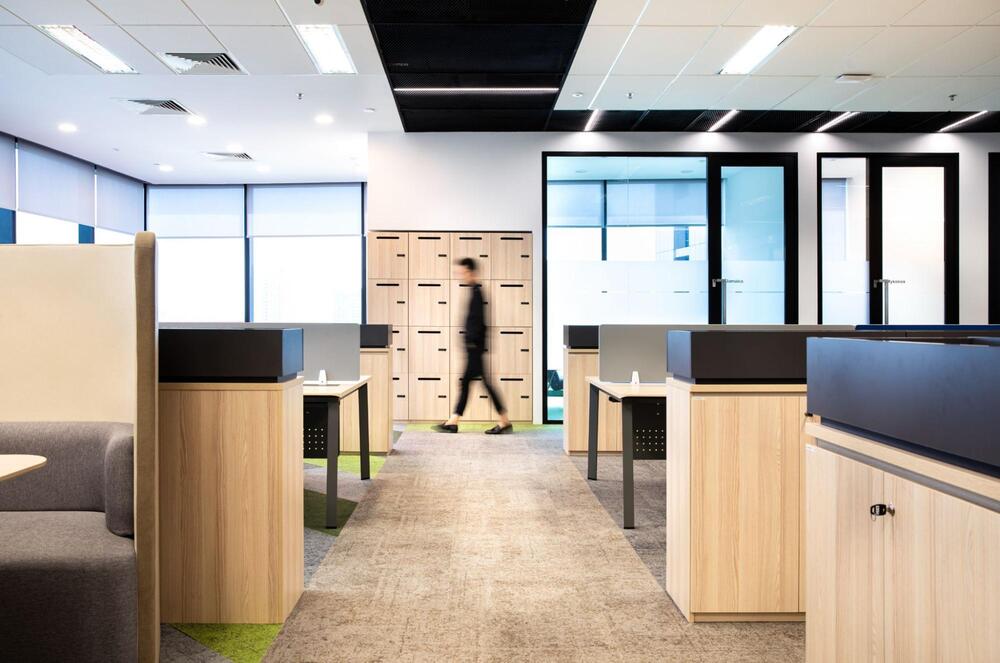
Selecting reliable contractors for successful office fit-out
By understanding the real structure of the office renovation cost in Singapore, you can build a realistic budget and avoid unexpected expenses. Working with OSCA Asia – an experienced partner also plays a key role in managing the cost to renovate office space. With the right approach, your office renovation can deliver both financial efficiency and a workspace that supports productivity, flexibility, and long-term business growth.