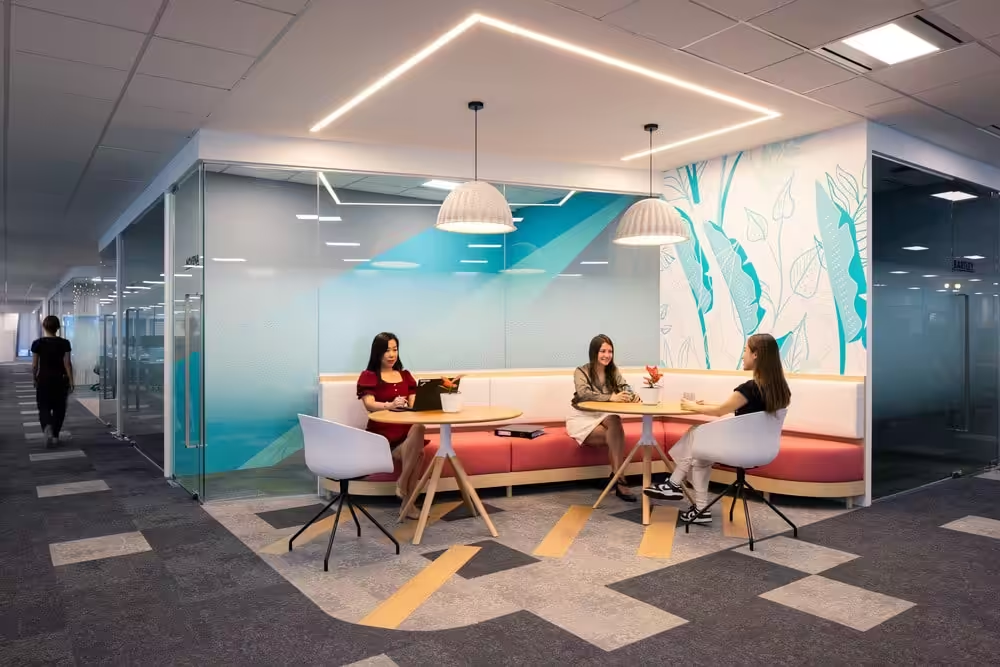
In today’s fast-paced work environment, collaboration spaces have become essential for fostering teamwork, creativity, and productivity. Well-designed workspaces go beyond traditional meeting rooms, providing dynamic areas where employees can brainstorm, problem-solve, and connect. In this article, OSCA Asia introduces the concept of collaboration spaces in modern offices.
1. What is a collaboration space? Benefits of collaboration office spaces
A collaboration space is a dedicated area in the office where people can easily gather to talk, share ideas, and work together on the same goals. It’s more flexible and interactive than a traditional meeting room, allowing everything from quick team chats to energetic brainstorming sessions.
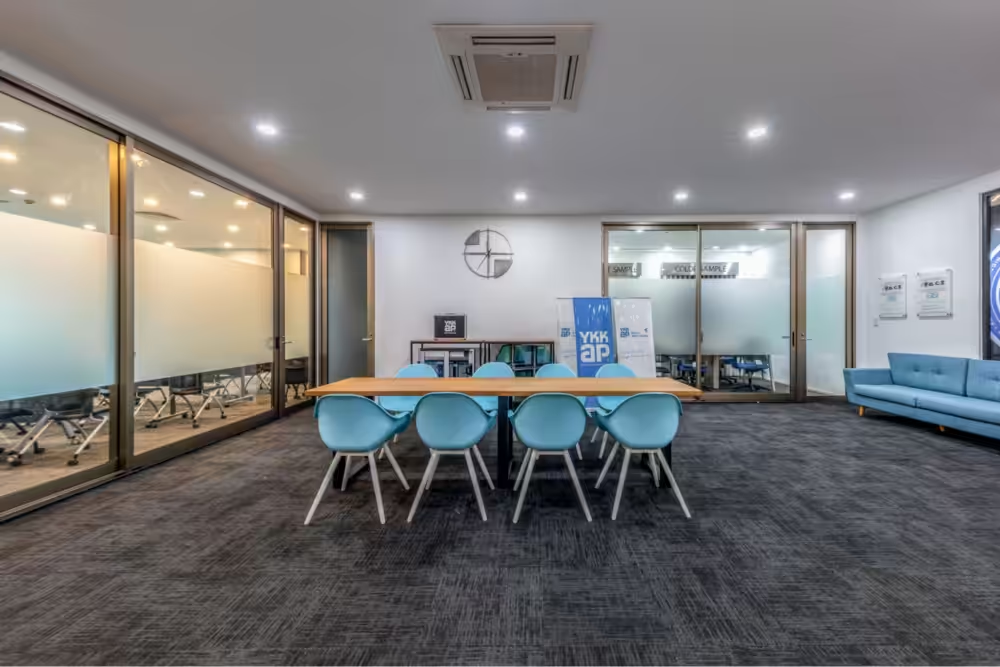
A collaboration space is a dedicated area where people can easily meet, share ideas, and work together.
Research shows that collaborative workspaces boost both innovation and well-being. Open, creative layouts encourage informal interactions and idea exchange, driving business model innovation (MDPI, 2019). A cooperative climate also enhances employee happiness, with proactive job crafting further amplifying these benefits (Review of Managerial Science, 2022/2023).
Beyond fostering creative ideas and accelerating decision-making, collaboration spaces also bring a range of additional benefits to modern workplaces:
Strengthens teamwork and communication
Collaboration spaces encourage both planned meetings and spontaneous interactions, allowing teams to share ideas and knowledge more naturally. By fostering closer connections and open communication, these spaces help teams solve problems more efficiently and reduce misunderstandings or delays.
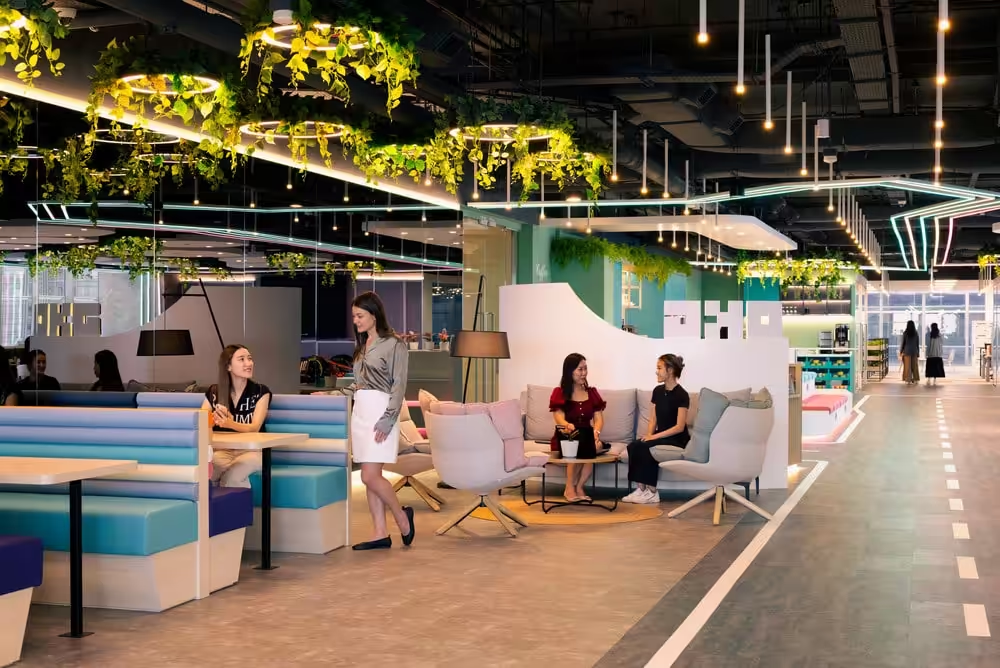
Collaboration spaces bring people together and enable effortless idea sharing
Sparks creativity and innovation
Flexible layouts, open discussion zones, and interactive tools create an environment that inspires creative thinking. Employees can brainstorm, prototype ideas, and experiment in a setting designed to stimulate collaboration, ultimately driving innovation and new solutions.
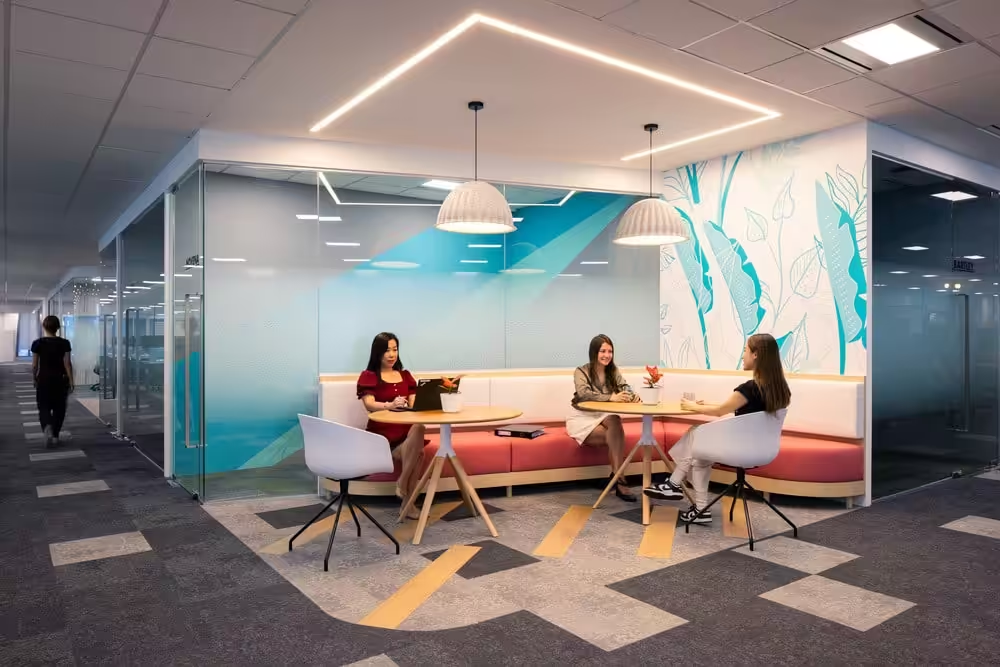
A flexible collaborative office space design could boosts communication and innovation
Enhances productivity and performance
Having the right space for the right task, whether a quick huddle or a focused group session, helps teams work more efficiently and make decisions faster.
Improves employee experience and satisfaction
Well-designed collaboration spaces contribute to a more engaging and supportive workplace. Employees feel valued and empowered when they have access to versatile, comfortable, and inspiring areas, which enhances motivation, satisfaction, and a sense of belonging within the organization.
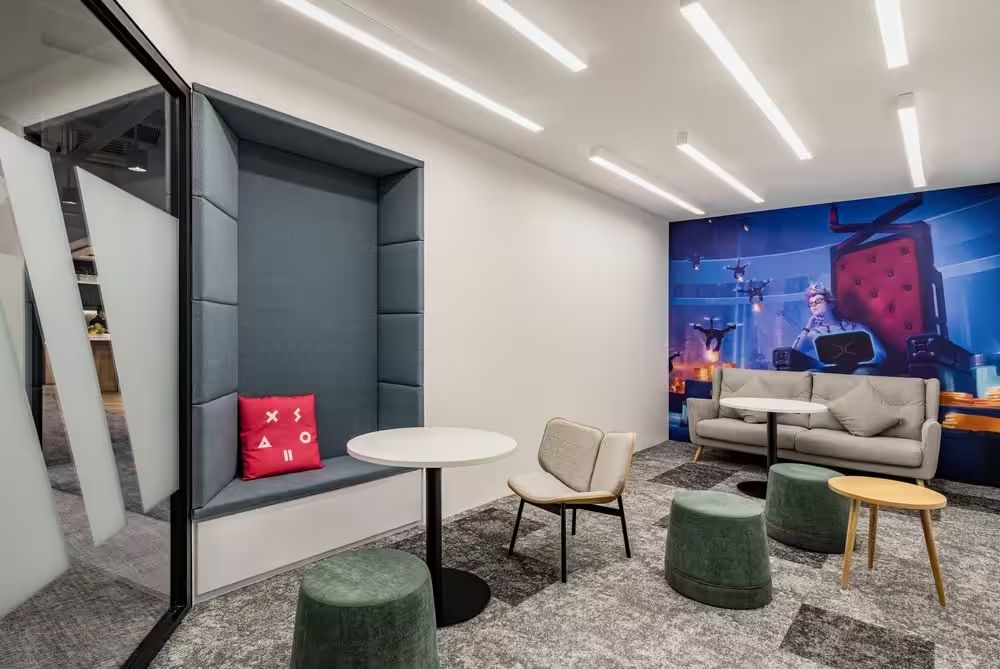
Spaces that make employees feel engaged and empowered
2. 4 Common types of collaboration workspaces
2.1 Huddle rooms
Huddle rooms are small, enclosed workspaces designed for quick discussions or focused team meetings, usually fitting 2–6 people. Equipped with compact seating, acoustic panels, and essential tech like screens or video conferencing tools, they support fast, focused collaboration without using larger meeting rooms. With a simple, functional style and comfortable atmosphere, huddle collaboration spaces help teams connect easily and work efficiently.
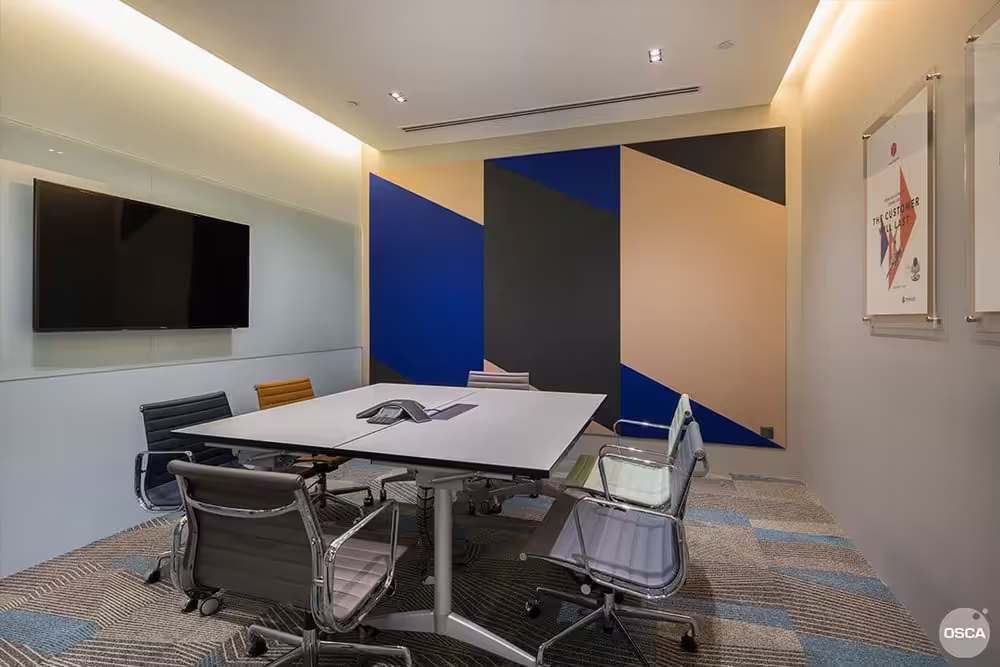
Private room ideal for rapid decision-making
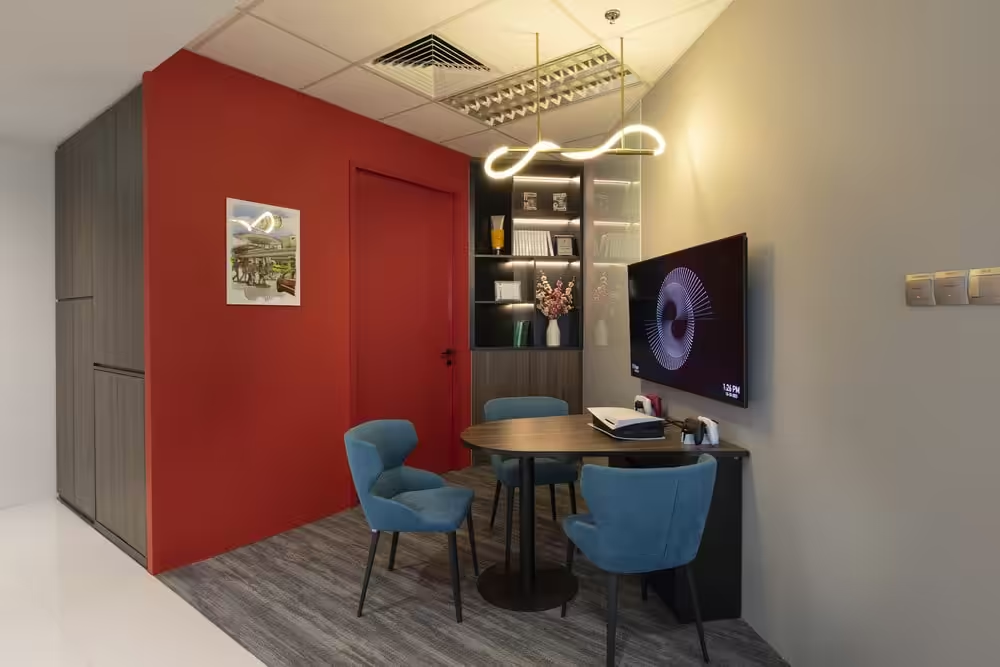
Compact space for quick, focused discussions
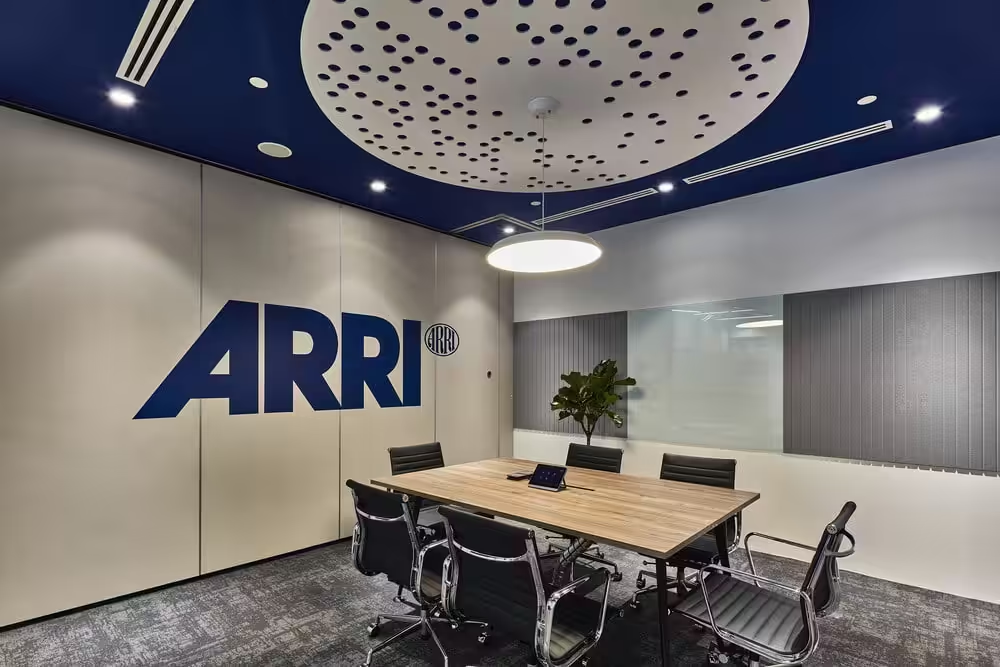
Compact, enclosed rooms designed for fast check-ins and focused team conversations
2.2 Open collaboration zones
Open collaboration rooms are open-concept and informal areas that encourage spontaneous interaction and idea-sharing, creating a dynamic environment where teamwork happens naturally. Featuring movable furniture, collaboration tables, lounges, or even cafe-style setups, these spaces encourage casual idea exchange, strengthen team connections, and support multi-purpose use – all while creating a dynamic, engaging workplace.
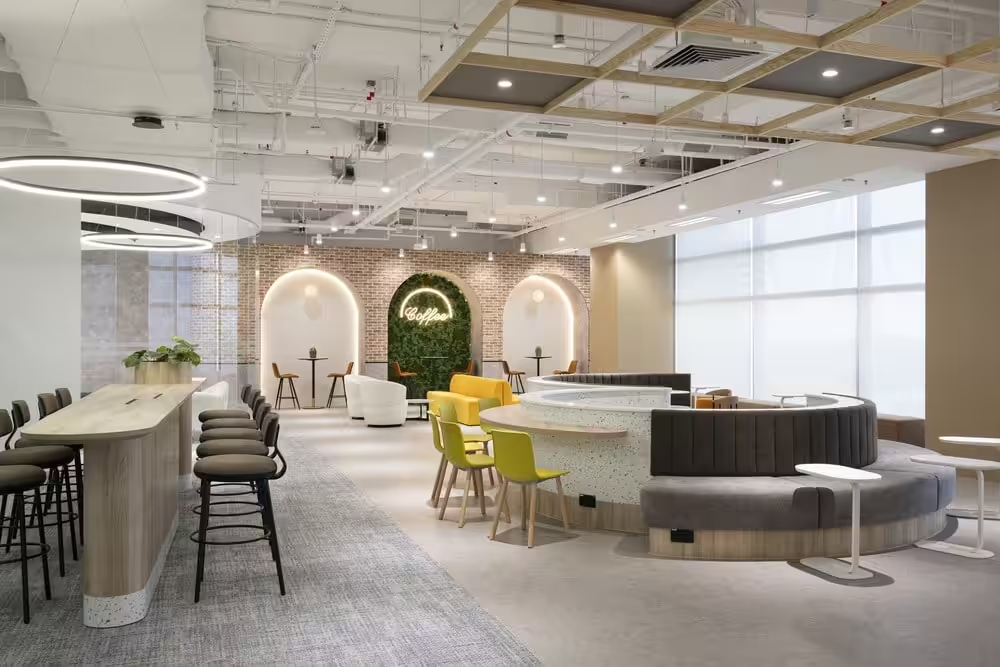
Flexible zones for spontaneous team collaboration
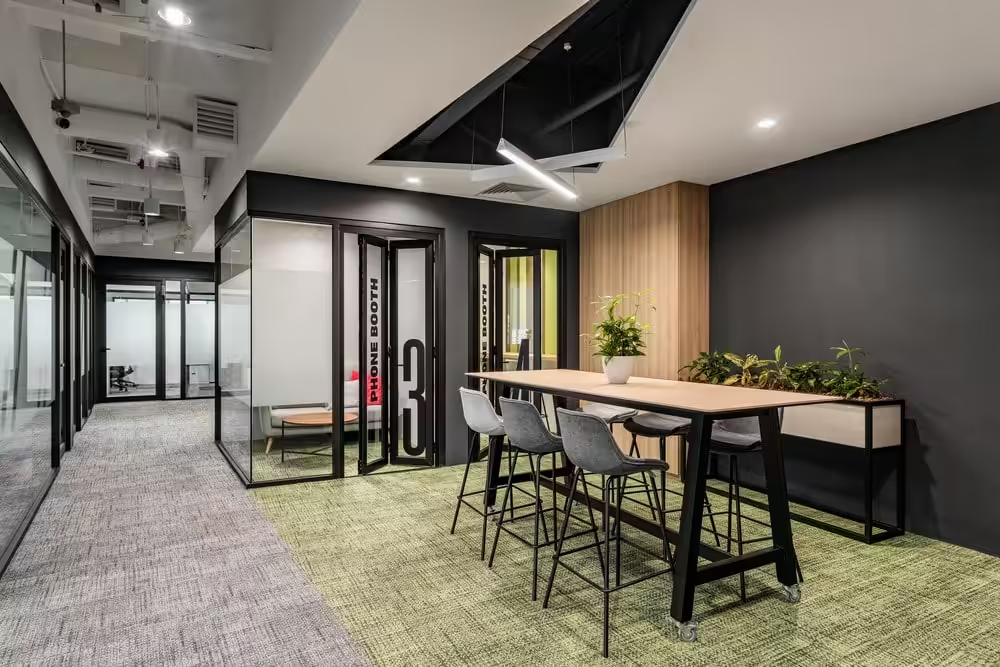
Open spaces that encourage casual idea exchange
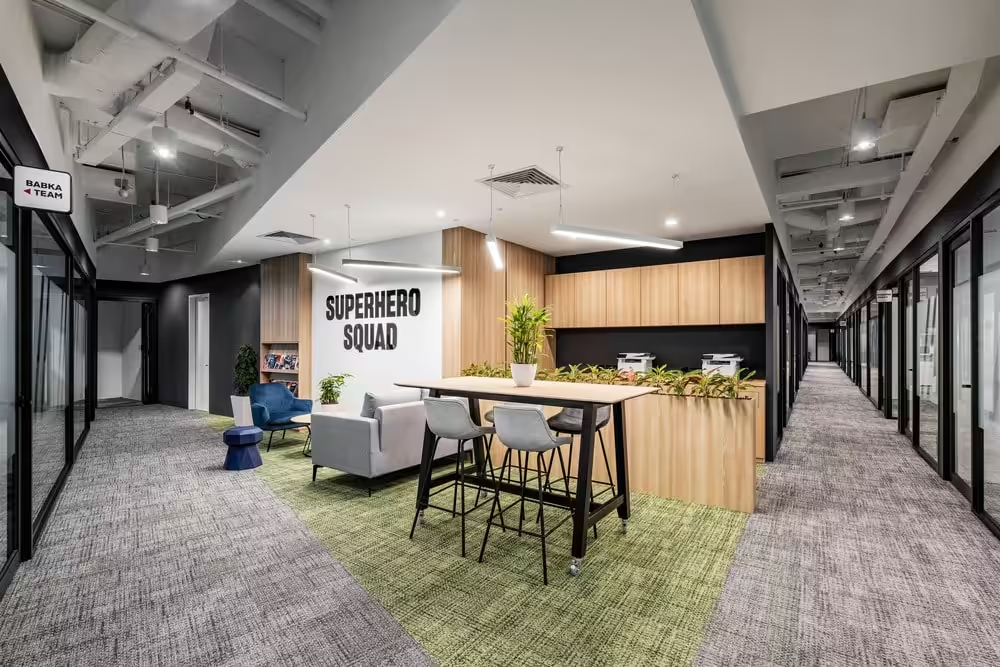
Café-inspired setups bring comfort and creativity together
2.3 Flexible collaboration spaces
Flexible collaboration rooms are versatile work areas with reconfigurable furniture and layouts, suitable for different activities ranging from small group huddles to workshops or brainstorming sessions. These office collaboration spaces foster creativity, encourage interaction, and support a wide range of collaboration needs, making it easy for teams to adjust the environment to match their workflow.
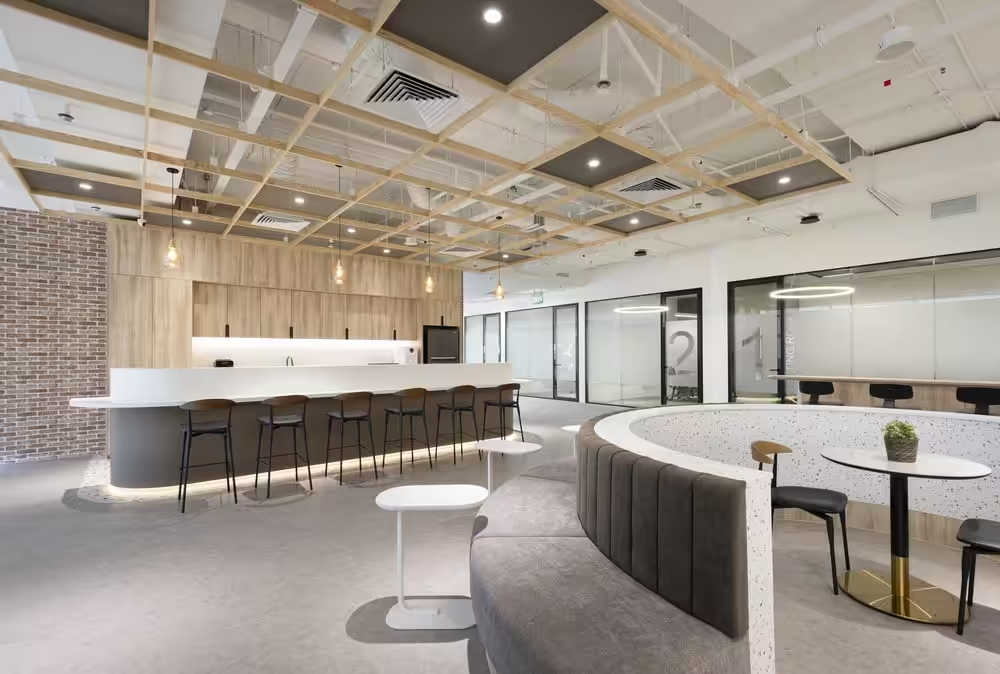
Modular layouts that transform seamlessly for any activity
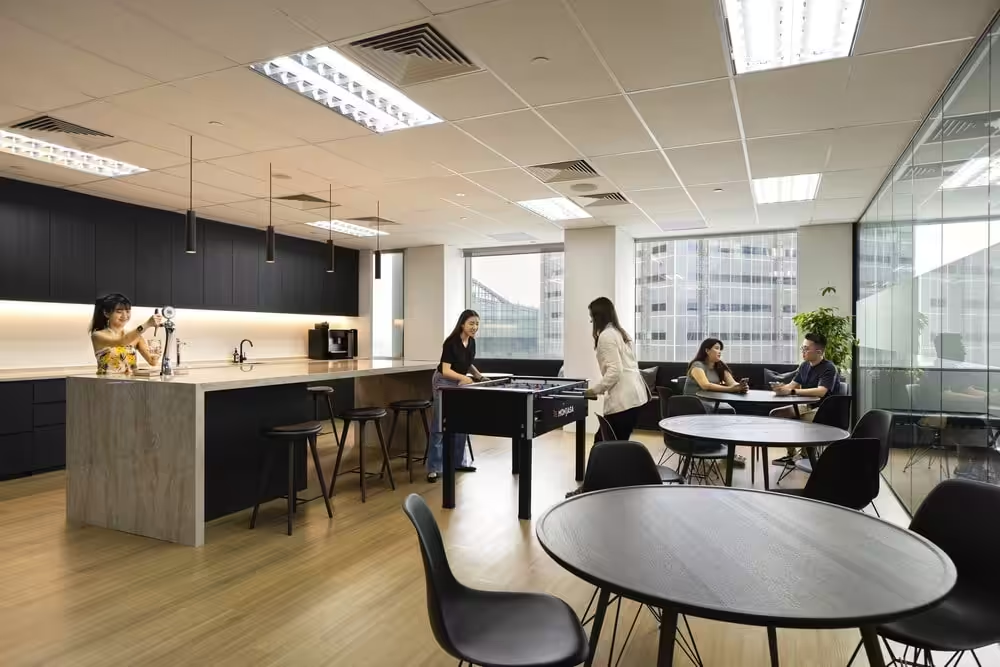
Employees can work together, exchange ideas, and also relax in the same area
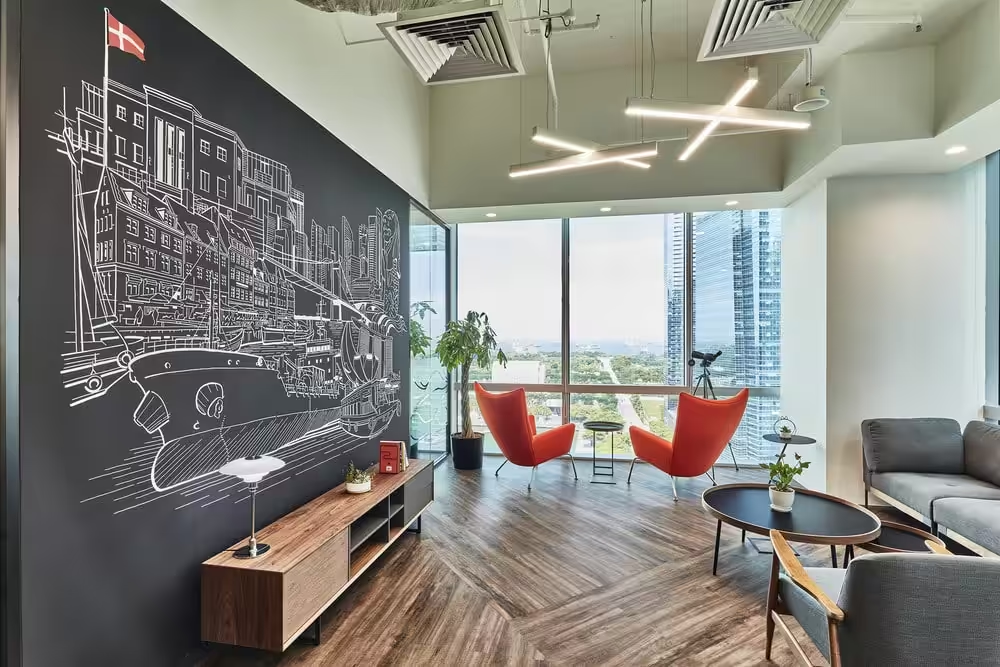
Work, connect, unwind anywhere in the team workspace
2.4 Creative labs
Creative labs are purpose-built environments for innovation and experimentation, often equipped with prototyping tools and interactive office space Singapore surfaces that support hands-on idea development.
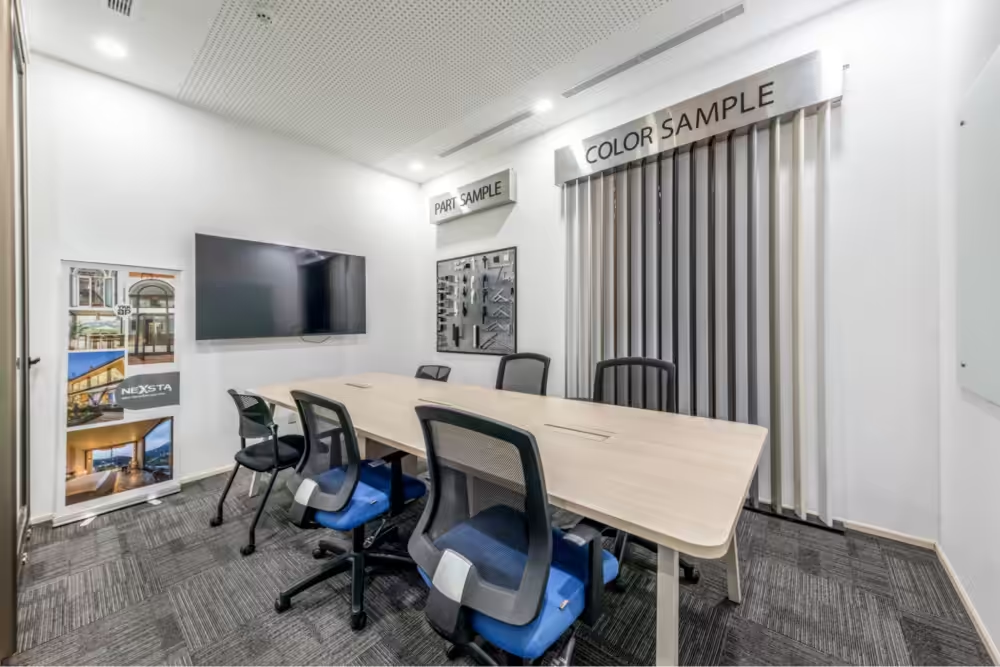
Collaborative workspace for brainstorming and design exploration
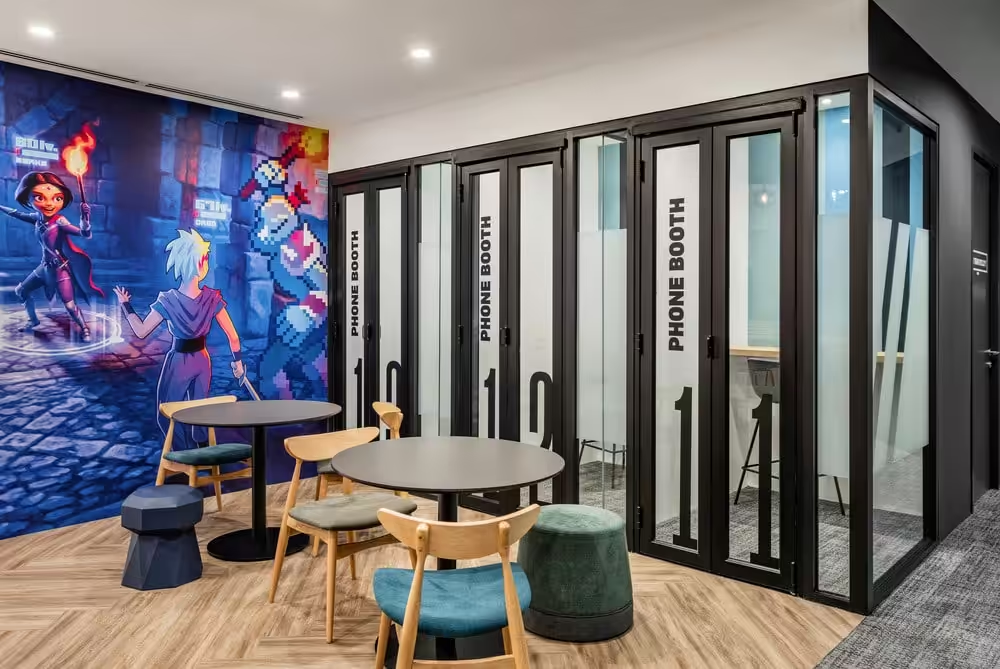
Creative pods for focused work and quick idea sharing
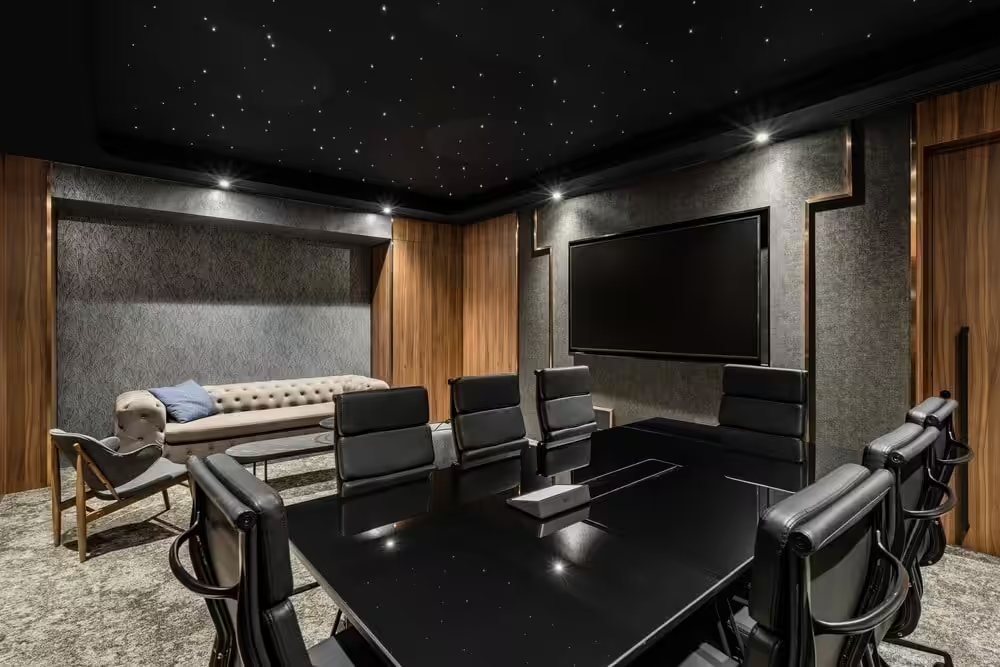
Studio-style collaborative workspace for immersive teamwork and presentations
3. Collaboration space trends 2025–2026
In 2025–2026, collaboration spaces are expected to evolve significantly, reflecting the changing ways teams work and interact. Trends will focus on creating more flexible, technology-enabled, and sustainable environments that support both in-office and remote collaboration, while fostering creativity, productivity, and employee engagement.
Flexible and multi-purpose spaces
Team collaborative workspace will allow teams to quickly reconfigure layouts for different activities, from small huddles and brainstorming sessions to large workshops, using modular furniture, movable partitions, and adjustable seating.
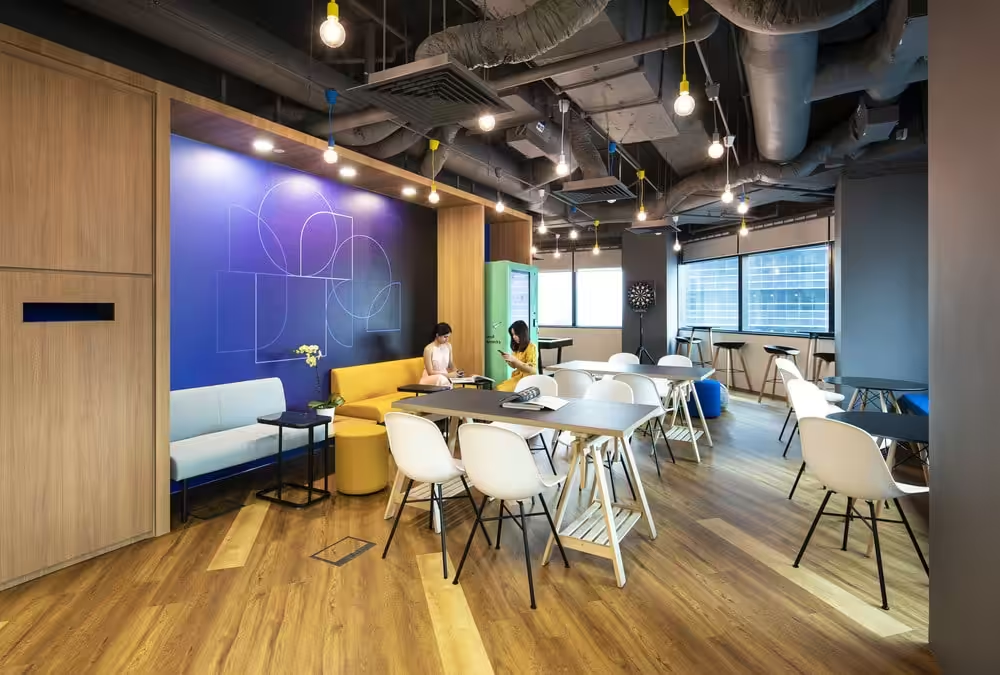
Flexible and multi-purpose spaces for different activities
Integration of AR/VR and smart office technology
Collaboration spaces in offices will increasingly adopt AR/VR tools, digital whiteboards, connected displays, and IoT-enabled devices to enhance collaboration, enable immersive experiences, and facilitate seamless participation for remote and in-office team members.
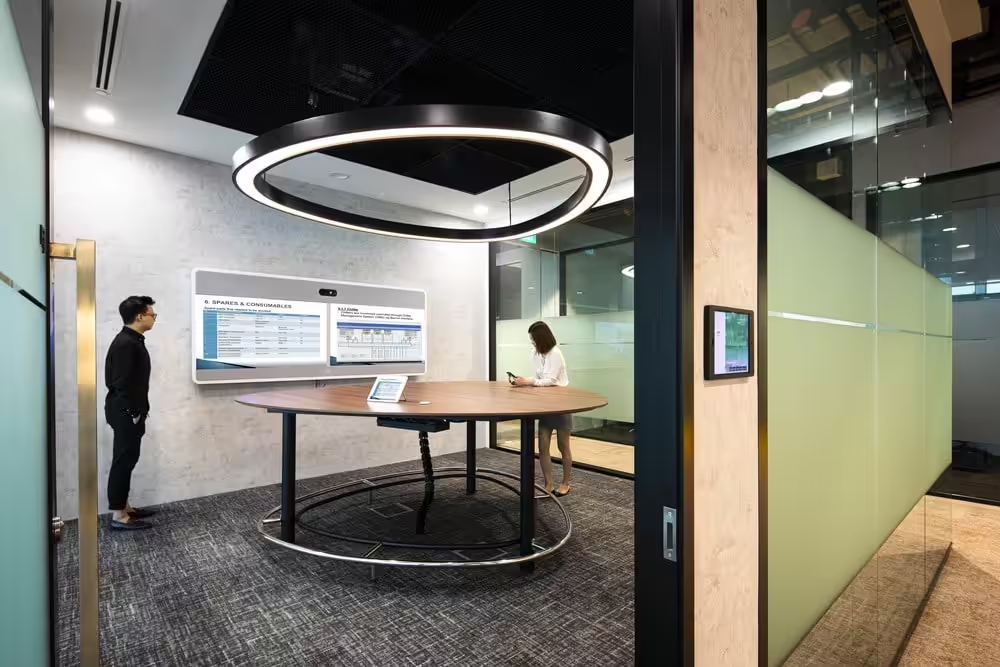
Smart tech and AR/VR elevate collaboration and immersive teamwork
Green and eco-friendly design
Natural light, indoor plants, sustainable materials, and biophilic elements will create healthier, inspiring workplaces that boost employee well-being, creativity, and overall productivity.
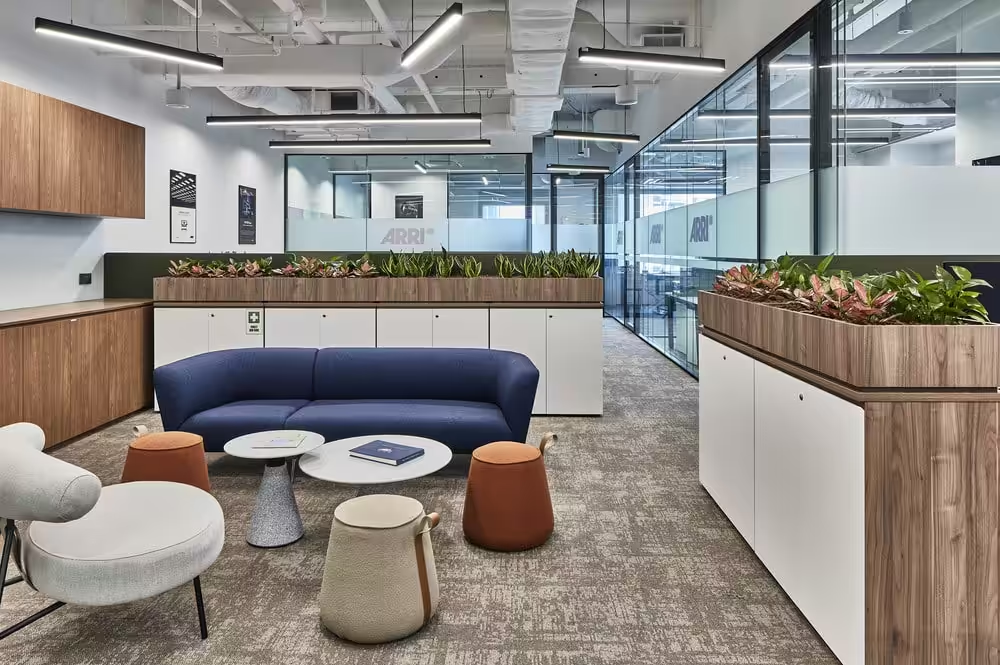
Eco-friendly design creates healthier, more inspiring workspaces
Support for hybrid and remote work culture
Collaborative office space interior will provide flexible layouts, high-quality AV setups, and connected systems to ensure teams can communicate, collaborate, and make decisions effectively, regardless of whether they are in the office or working remotely.
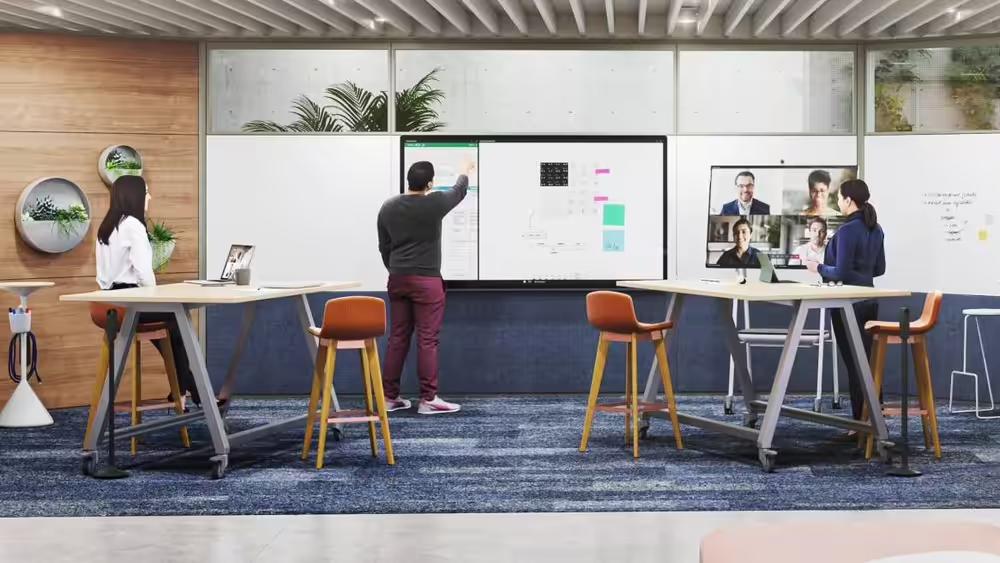
Hybrid-ready spaces support teamwork from anywhere
4. OSCA Asia – A trusted collaboration office space design in Singapore
OSCA Asia is a leading office design and renovation company in Singapore, specialising in creating innovative office collaboration spaces that foster teamwork, creativity, and productivity. With over 15 years of experience and a professional team of designers and project managers, OSCA ensures seamless execution from concept to completion.
Having delivered numerous office renovation projects across Singapore, Malaysia, Indonesia, and Vietnam, OSCA Asia brings unmatched industry expertise to every project, consistently creating workspaces that not only meet but exceed client expectations.
OSCA Asia has successfully delivered numerous office interior projects focused on collaborative space design across Singapore and the region. For example:
City Serviced Offices at Republic Plaza
A 13,000 SQFT co-working space designed to balance urban energy with a welcoming, productive environment, and other dynamic offices for tech firms and creative agencies, featuring flexible work zones, open collaboration spaces in offices, and creative labs.
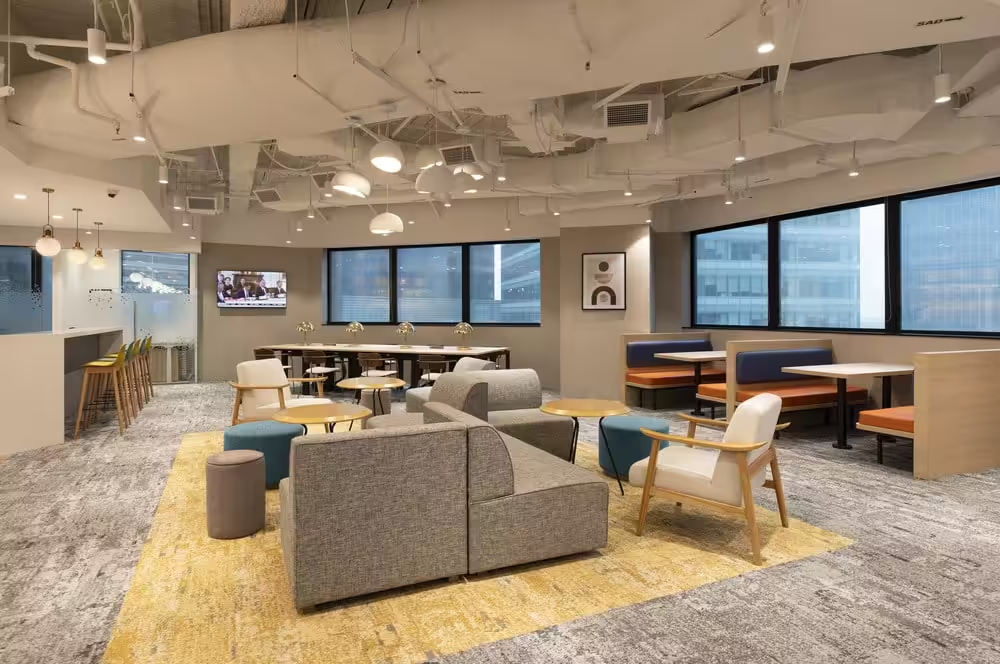
Flexible work zones and creative labs designed for productivity and collaboration
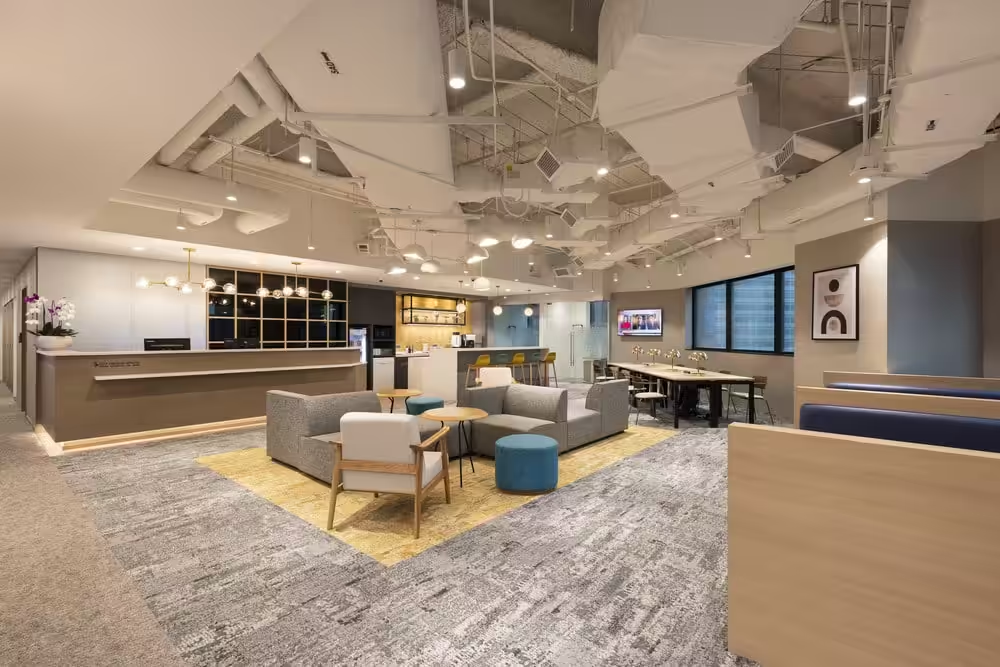
A 13,000 SQFT co-working space balancing urban energy with a welcoming vibe
Ark Group Global at Odeon 333
An 8,130 SQFT investment firm office that balances sleek design with functionality. The design emphasizes workplace fluidity, modern aesthetics, and intelligent spatial planning, with client-facing zones, intimate collaboration areas, and bright breakout lounges that encourage both formal and informal interactions.
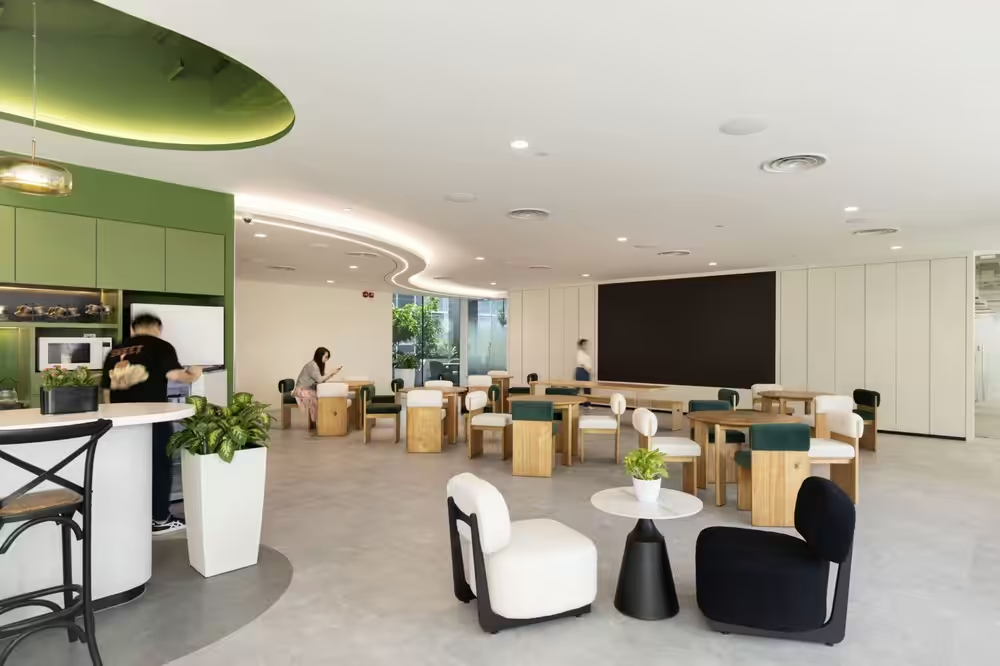
Bright and welcoming collaboration spaces at Ark Group Global
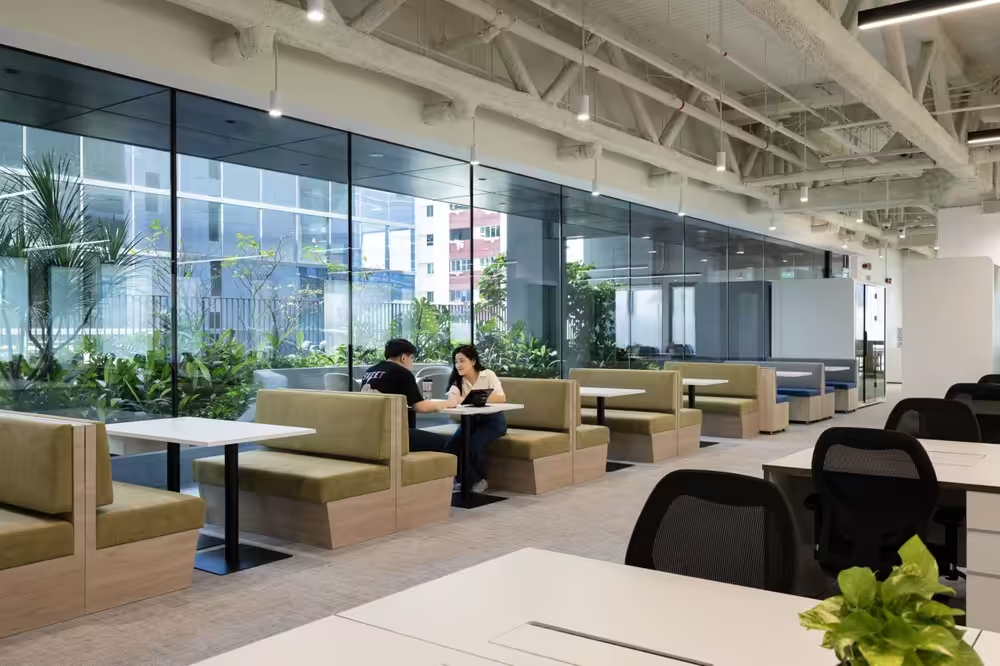
Open workstations with natural light and green accents, promoting focus, flexibility, and spontaneous collaboration.
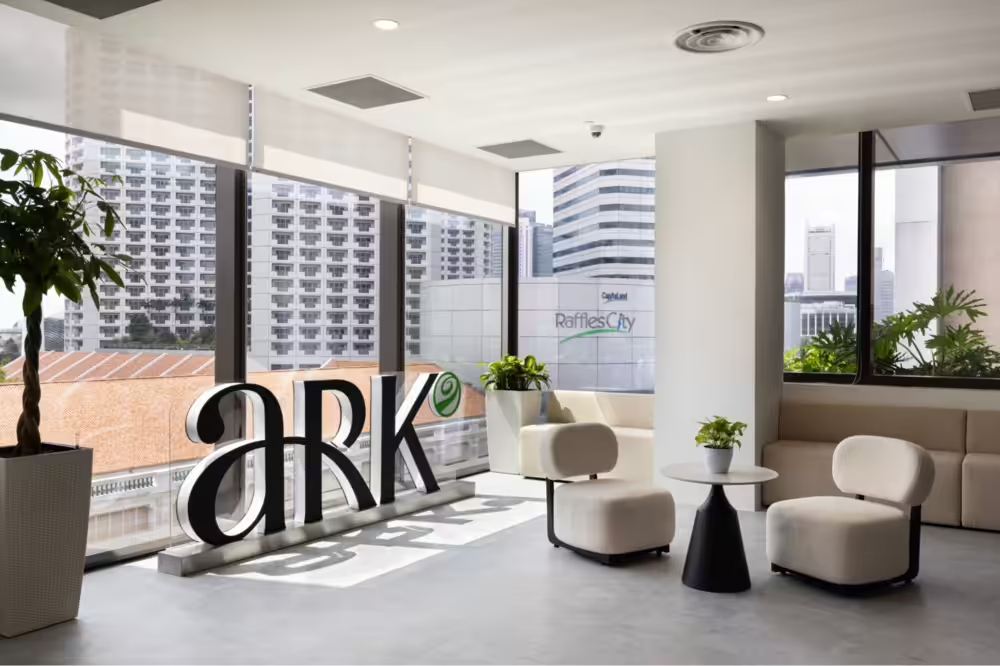
Comfortable seating for meetings & networking
Effective collaboration spaces transform the way teams work, inspiring creativity, enhancing communication, and boosting overall performance. By integrating flexible layouts, modern technology, and thoughtful design, offices can become hubs of innovation and engagement. OSCA Asia’s expertise in creating tailored collaboration environments demonstrates how strategic workspace design can elevate employee experience and drive organisational success.