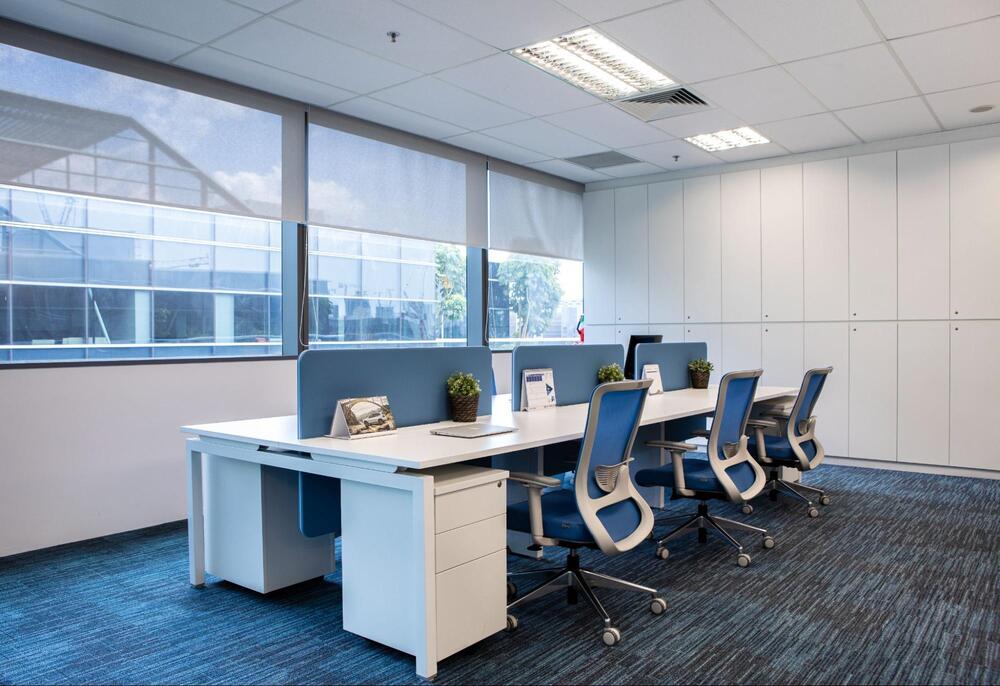
In modern workplace design, simplicity and visual harmony are becoming increasingly important. Monochromatic office design is a popular approach that uses variations of a single color to create a cohesive, professional, and visually balanced workspace. In this article, OSCA explores the concept, benefits, and best practices of Monochromatic Office Design to help businesses create a stylish and functional working environment.
1. What Is Monochromatic Office Design?
Monochromatic office design is an interior design approach that uses variations of a single color to create a cohesive workspace. The concept originates from the Greek words monos (one) and chroma (color).
In this style, designers choose one main hue and apply different shades, tones, and tints of that color throughout the office. This technique helps create a harmonious and visually consistent environment while still adding depth through the use of lighting, materials, and textures.
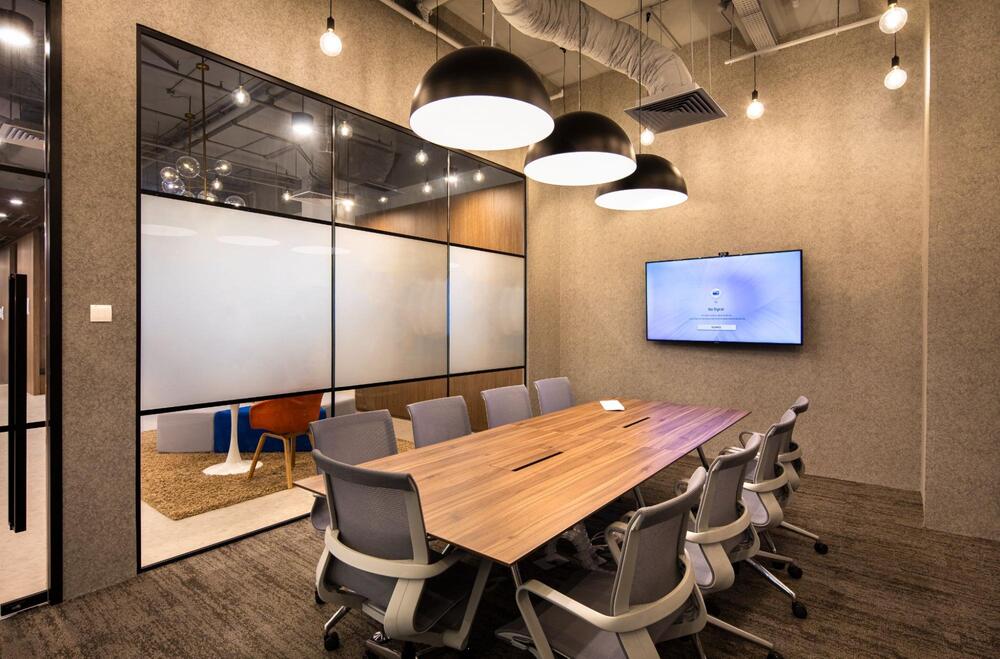
Monochromatic office design
Although these design approaches can appear similar, they are based on different principles:
- Monochromatic office design focuses on one dominant color and its variations. The goal is visual harmony through shades, tints, and tones of the same hue.
- Neutral office design uses a palette of neutral colors such as white, beige, grey, or taupe. Instead of relying on a single hue, it creates a calm and versatile environment through understated colors.
- Minimal office design emphasizes simplicity, functionality, and reduced visual clutter. While it often uses neutral or limited color palettes, its primary focus is not color but rather clean lines, open space, and essential elements only.
In summary, monochromatic design is centered on a single-color strategy, neutral design is defined by subdued color palettes, and minimal design prioritizes simplicity and spatial clarity.
2. Benefits of Monochromatic Office Design
Monochromatic office design offers several advantages for modern workplaces by creating a balanced and visually cohesive environment.
- Creates visual harmony and consistency: Using different shades and tones of one colour helps unify the entire office, creating a cohesive and well-balanced workspace.
- Enhances focus and reduces visual clutter: A simplified colour palette minimizes visual distractions, allowing employees to concentrate better and work more efficiently.
- Strengthens corporate branding through colour identity: Monochromatic design can reinforce a company’s brand by incorporating its signature colour throughout the office interior.
- Makes small offices feel larger and more organized: A consistent colour scheme visually expands the space and creates a cleaner, more structured layout.
- Supports modern and professional aesthetics: With its clean and refined look, a monochromatic palette contributes to a contemporary, timeless office atmosphere while still allowing subtle accent pieces or textures to add interest when needed.
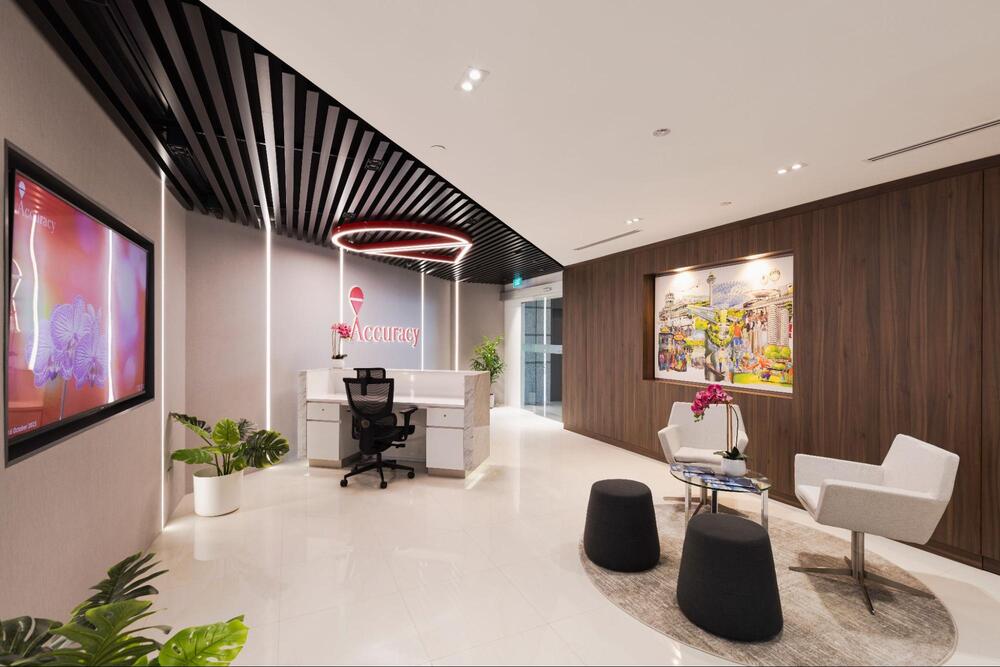
The value of Monochromatic Office Design
3. Popular Monochromatic Office Color Schemes
3.1. All-White Monochromatic Office
All-white monochromatic office is a monochromatic color scheme that uses different shades and textures of white throughout the workspace. This approach creates a clean, bright, and cohesive environment while making the office feel more spacious and modern.
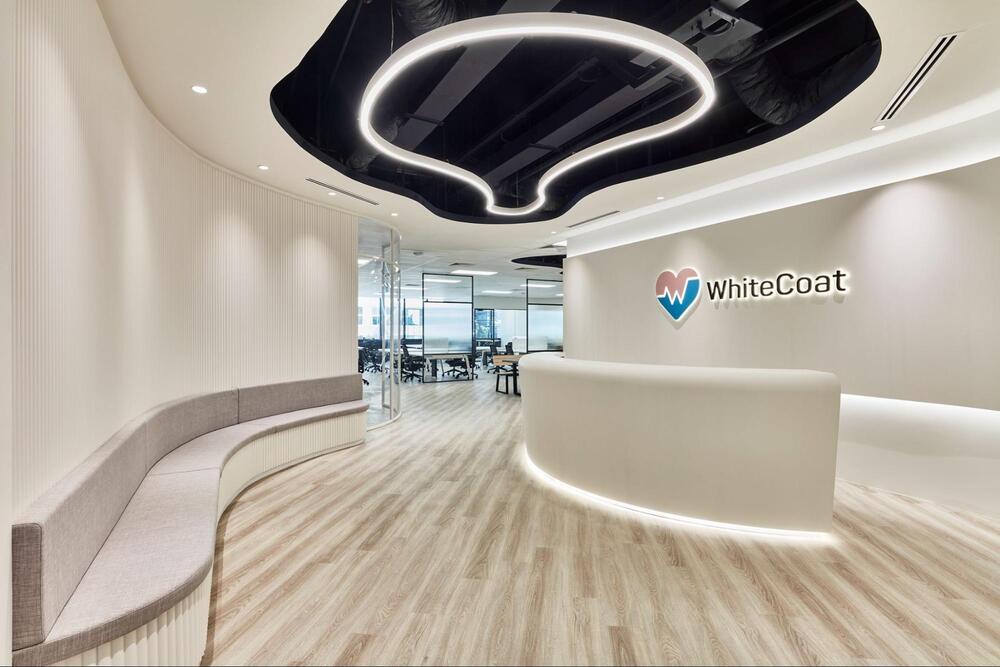
An all-white monochromatic office creates a clean and cohesive workspace
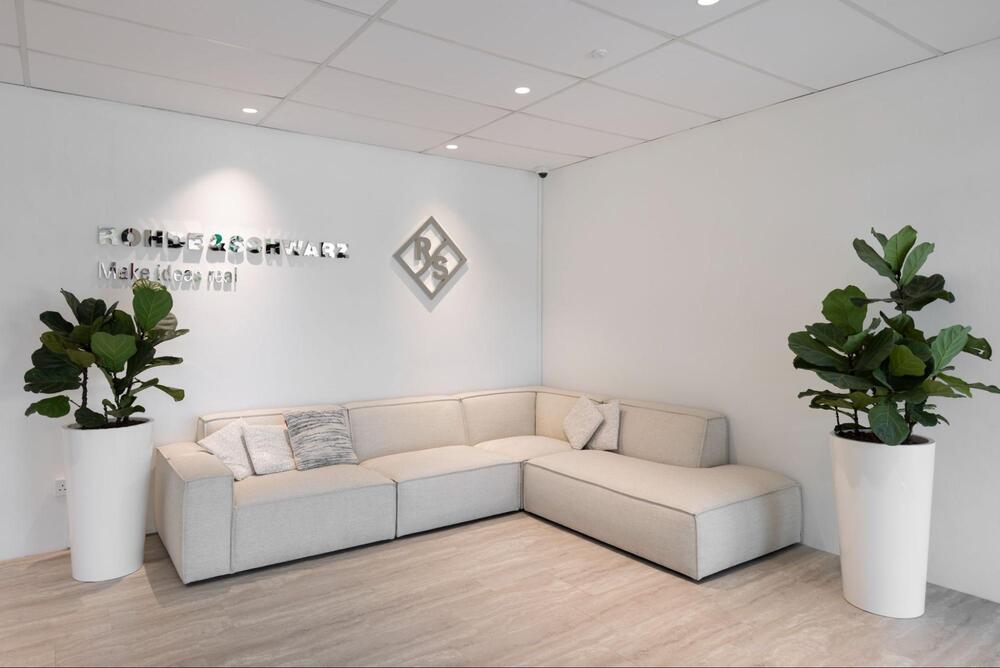
Layered white tones make the office feel brighter and more spacious
3.2. Grey Monochromatic Office Design
Grey monochromatic office design is a monochromatic color scheme that uses different shades and tones of grey throughout the workspace. This approach creates a balanced, sophisticated, and cohesive environment while giving the office a modern and professional appearance.
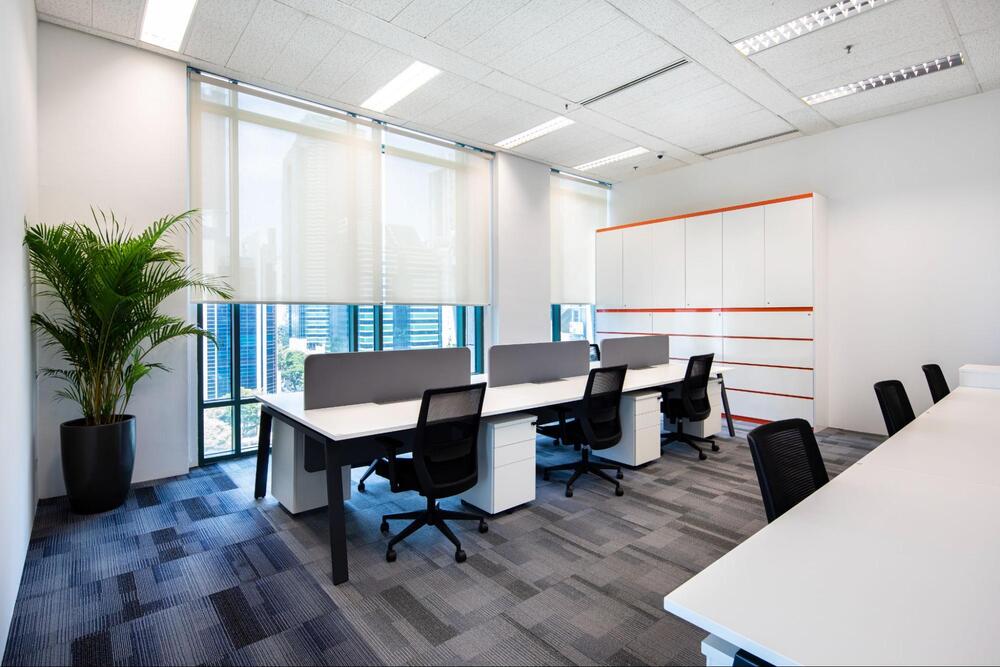
A grey monochromatic office uses layered shades of grey to create a balanced and cohesive workspace
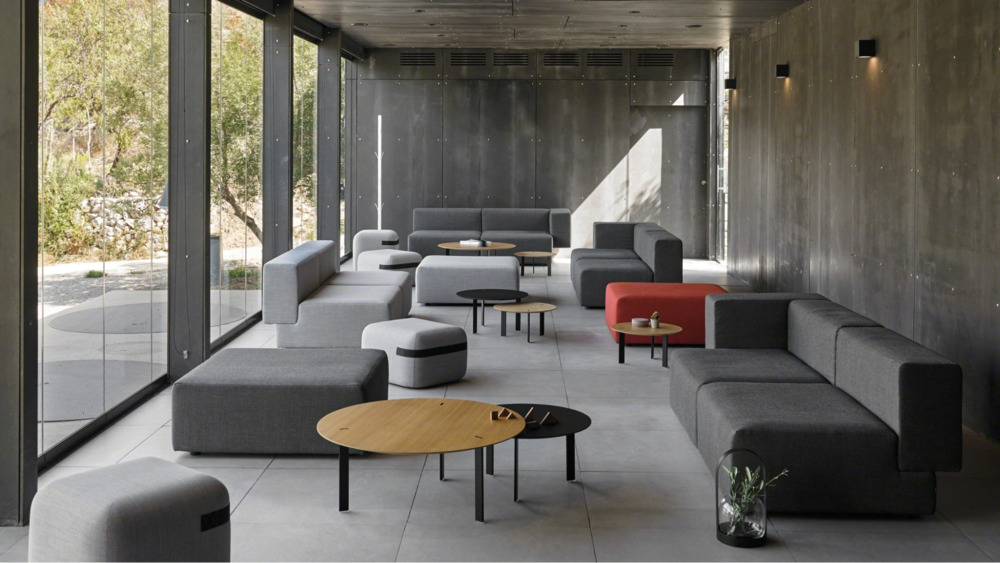
The neutral palette gives the office a modern, sophisticated, and professional look
3.3. Black and Charcoal Office Spaces
Black and charcoal office spaces refer to a monochromatic design approach that uses deep black and charcoal tones throughout the workspace. This palette creates a bold, elegant, and cohesive environment while giving the office a sophisticated and contemporary atmosphere.
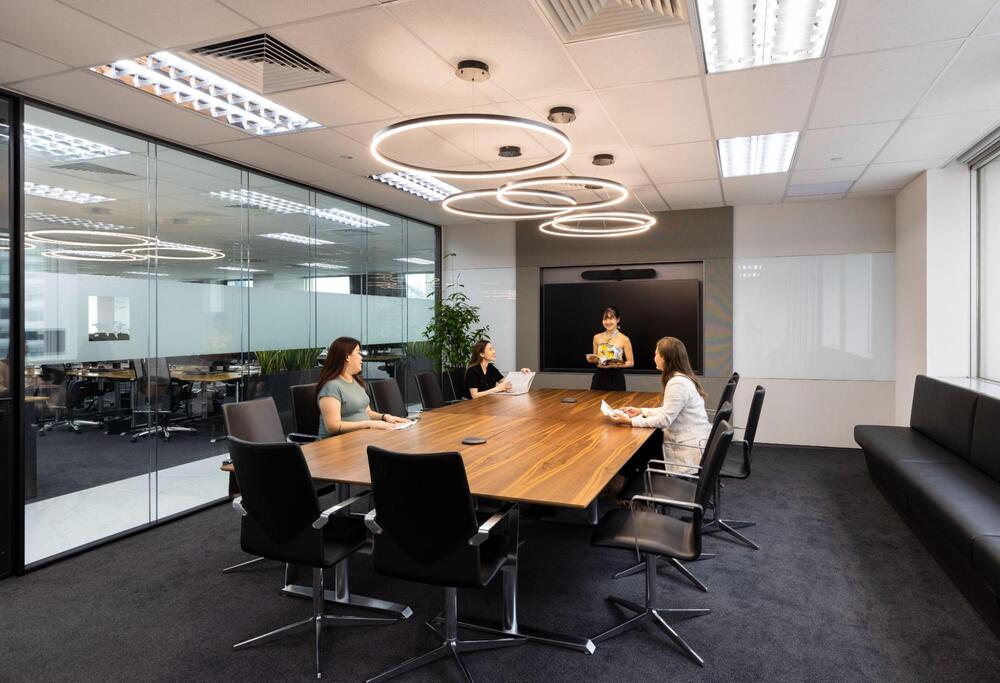
Black and charcoal tones create a bold and cohesive monochromatic office space
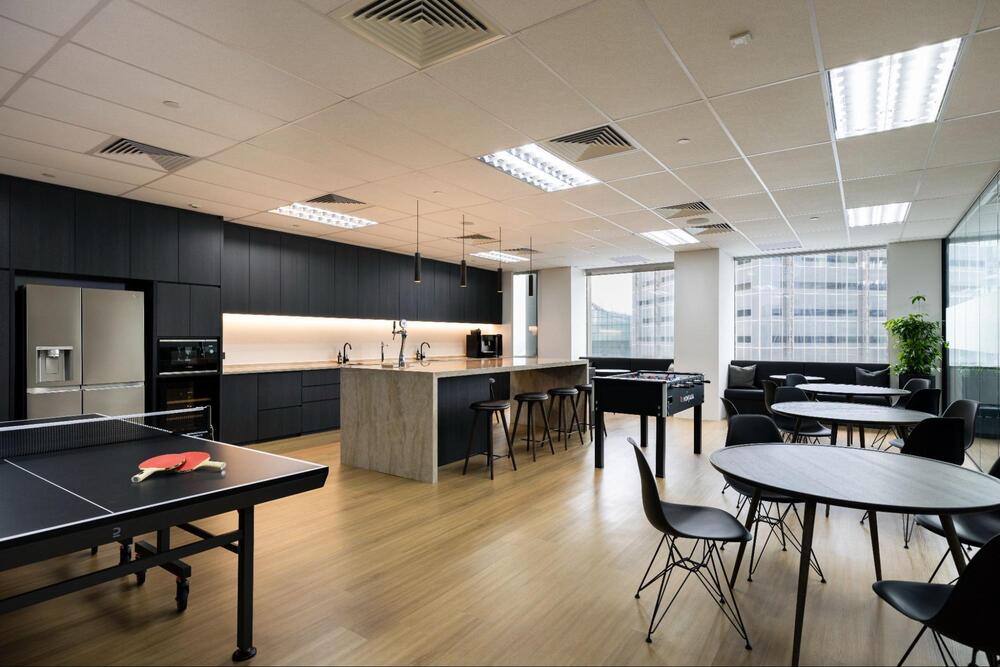
The dark palette adds a sophisticated and contemporary atmosphere to the workspace
3.4. Blue Monochromatic Workspaces
Blue monochromatic workspaces refer to a monochromatic design approach that uses different shades and tones of blue throughout the office. This palette creates a calm, cohesive, and refreshing environment while promoting focus and a professional atmosphere in the workspace.
Blue monochromatic workspaces use layered shades of blue to create a calm and cohesive office
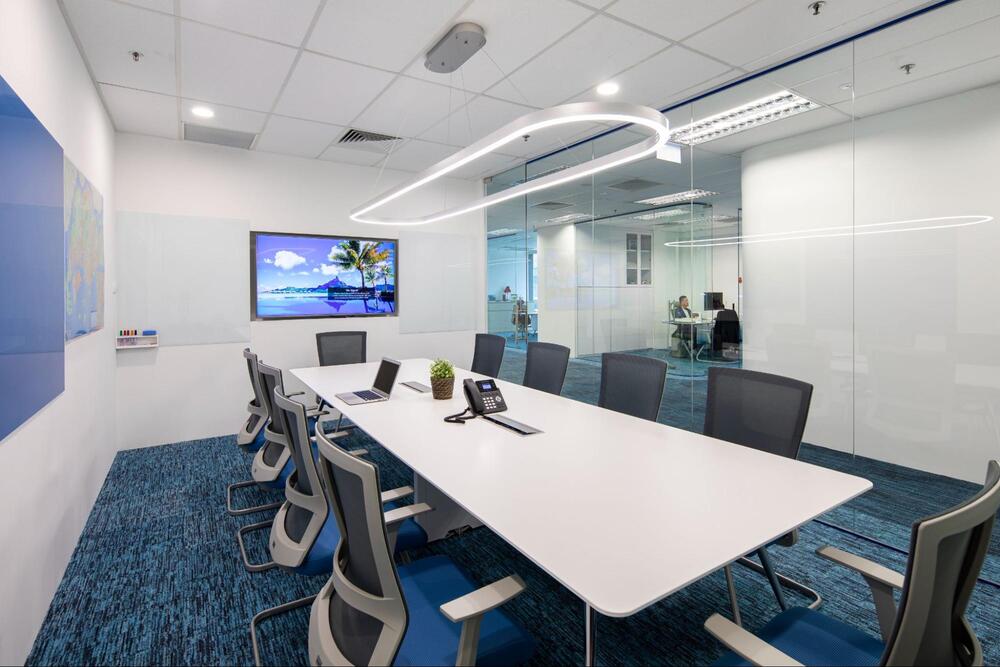
The blue palette promotes focus while maintaining a modern and professional atmosphere
3.5. Earth-Tone Monochromatic Offices
Earth-tone monochromatic offices refer to a monochromatic design approach that uses different shades of earthy colors such as beige, brown, and sand throughout the workspace. This palette creates a warm, natural, and cohesive environment while giving the office a calm and welcoming atmosphere.
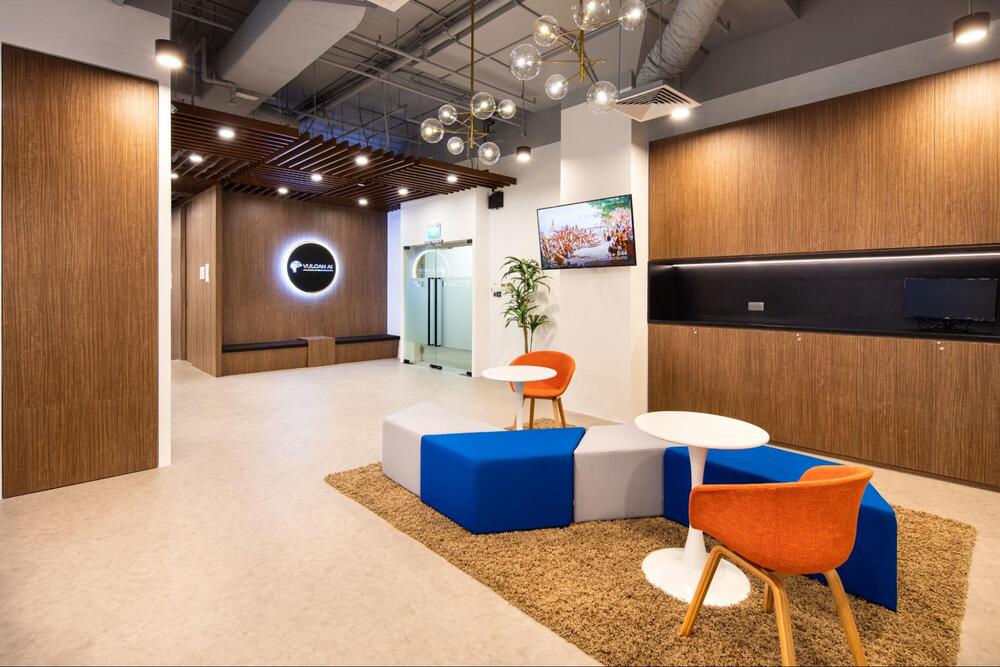
Earth-tone monochromatic offices use shades of beige, brown, and sand to create a warm workspace
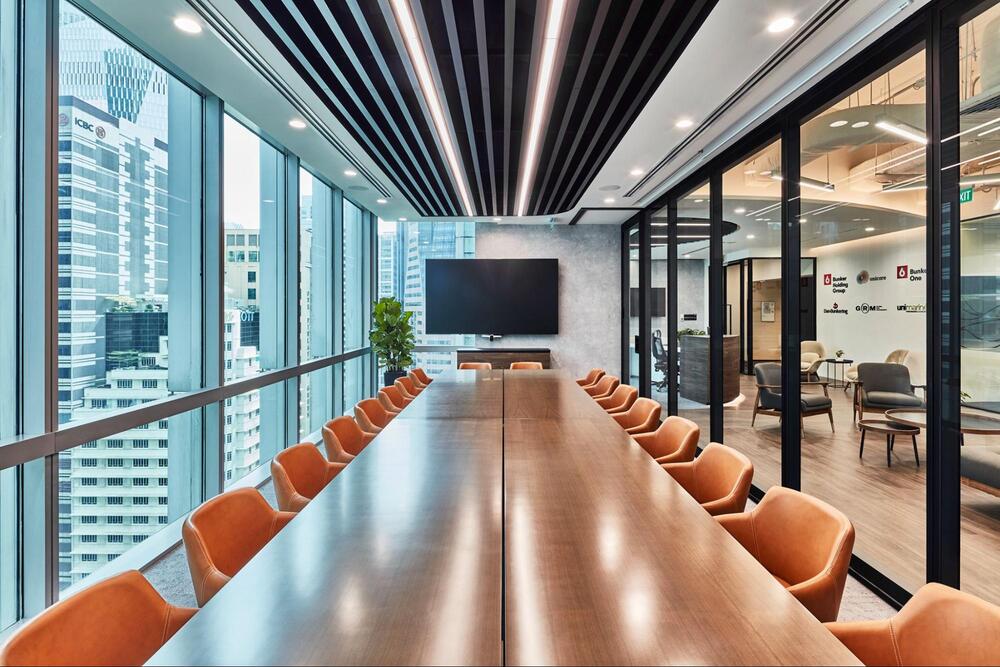
The natural palette brings a calm and welcoming atmosphere to the office
4. Common Mistakes to Avoid in Monochromatic Office Design
While monochromatic office design can create a clean and cohesive workspace, certain mistakes can make the space feel dull or unbalanced if not handled carefully.
- Overusing a single flat tone: Relying on only one shade without variation can make the office look monotonous. Using different tones, shades, and tints of the same color helps add depth and visual interest.
- Ignoring texture and material contrast: Without variation in materials such as wood, metal, glass, or fabric, a monochromatic space may appear flat. Mixing textures helps create dimension and a more dynamic environment.
- Poor lighting that flattens the space: Inadequate or poorly planned lighting can reduce depth and make the space look dull. Combining natural light with layered lighting helps highlight different tones within the color scheme.
- Lack of visual hierarchy: If every element has the same visual weight, the space may feel unstructured. Strategic use of darker or lighter tones can help guide attention and create a clear visual hierarchy within the office.

Adding varied textures, materials, and proper lighting helps create depth and visual balance in the workspace
5. Frequently Asked Questions About Monochromatic Office Design
What colors work best for monochromatic offices?
Neutral tones such as white, grey, and black are among the most popular choices because they create a clean and professional look. However, other colours like blue, beige, or earth tones can also work well when different shades and textures are layered to add depth and visual interest.
Is monochromatic office design suitable for small offices?
Yes. Monochromatic colour schemes can make small offices feel more spacious and organized. Using lighter tones and consistent colours throughout the space helps create visual continuity and enhances the perception of openness.
How do you prevent a monochromatic office from looking boring?
The key is to introduce variety through textures, materials, and lighting. Combining elements such as wood, metal, fabric, or plants can add warmth and dimension, while subtle accent pieces can bring personality without disrupting the overall colour harmony.
Can monochromatic design reflect brand identity?
Yes. A monochromatic office can easily reflect a company’s brand by incorporating its signature colour and using different shades of that colour throughout the workspace. This approach strengthens brand identity while maintaining a cohesive and professional environment.
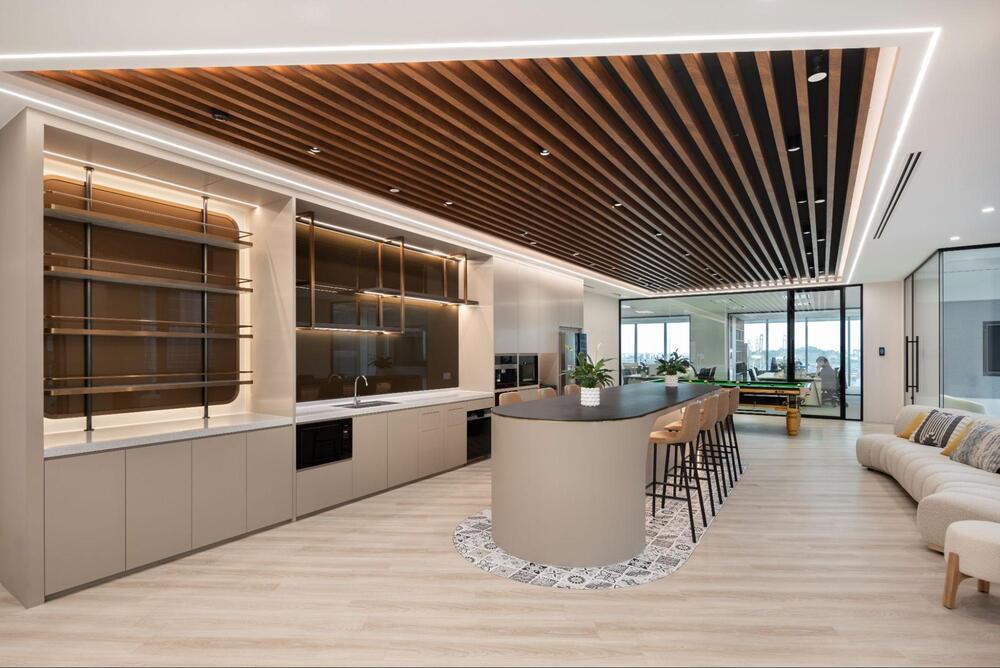
Overall, Monochromatic Office Design offers a refined and effective way to create a modern, cohesive workspace. By using variations of a single color combined with thoughtful lighting, materials, and textures, businesses can achieve an office environment that is both visually appealing and highly functional. With the expertise of OSCA, companies can transform their offices into inspiring environments that support productivity, reinforce brand identity, and leave a lasting impression on employees and clients alike.