- 1. What is a functional layout?
- 2. Why is functional layout important in office design?
- 3. Key principles of an effective functional layout
- 4. How to create a functional layout for your office?
- 5. Types of functional layouts used in modern offices
- 6. How does OSCA design functional layouts for high-performance workspaces?
A well-designed functional layout plays a crucial role in shaping how a workplace operates, communicates, and performs on a daily basis. Beyond aesthetics, it directly influences productivity, space efficiency, and employee experience. In this article, OSCA Asia will explore what a functional layout is, why it matters, and how to design an effective one for modern office environments.
1. What is a functional layout?
In simple terms, the functional layout meaning refers to how a space is organised to support workflow, movement, and the purpose of each area. In office environments, a functional office layout ensures that workstations, meeting areas, and circulation paths are arranged logically to improve productivity and reduce unnecessary movement. A poorly arranged workspace can quietly reduce efficiency without being noticed. That is why understanding what is functional layout is essential in modern office design.
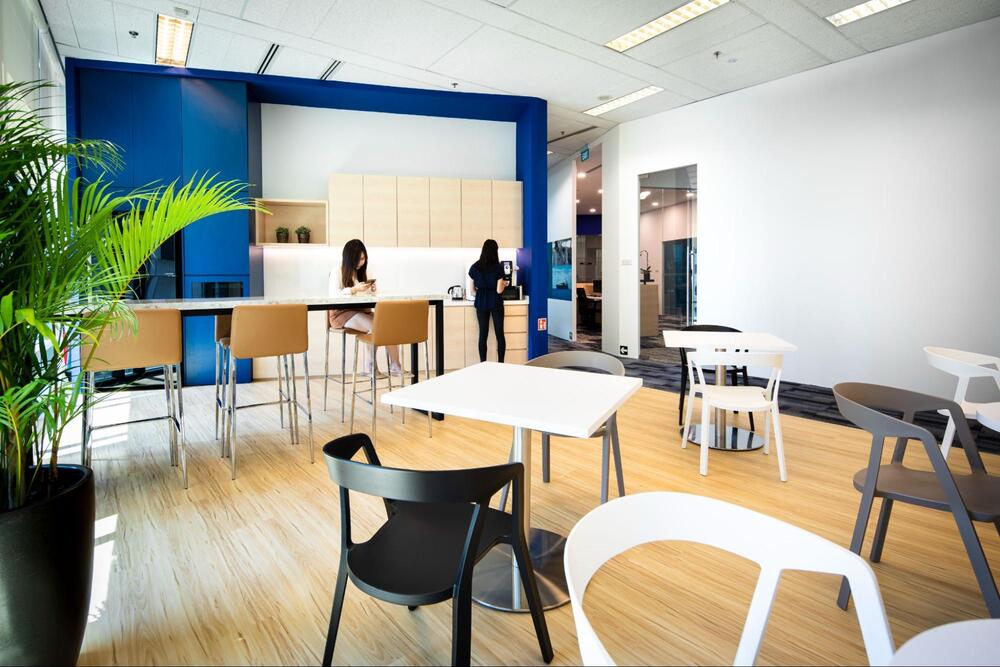
Functional layout meaning in modern workspaces
2. Why is functional layout important in office design?
A well-planned functional layout directly impacts how employees work, move, and collaborate. Instead of just organising space, it helps create a more efficient and productive workplace.
Enhances employee productivity
A well-designed layout plays a key role in helping employees stay focused throughout the workday. When the workspace is organised logically, it reduces friction and allows tasks to be completed more efficiently.
- Reducing unnecessary movement between tasks
- Minimising distractions in the workspace
- Placing tools and resources within easy reach
Improves workflow and team collaboration
An effective layout ensures that teams can interact and coordinate without unnecessary delays. By aligning space with workflow, communication becomes more seamless and natural.
- Departments are positioned based on interaction needs
- Communication becomes faster and more natural
- Collaboration spaces are easily accessible
Maximizes space efficiency
A functional layout is essential for making the most out of available space. It helps businesses utilise every area effectively without creating clutter or discomfort.
- Every area is used with a clear purpose
- Avoids overcrowding while maintaining functionality
- Supports both individual and team activities
Supports employee comfort and well-being
Beyond efficiency, layout design also affects how employees feel in the workspace. A balanced environment can improve both comfort and overall job satisfaction.
- Balances open areas with quiet zones
- Reduces stress caused by clutter or poor organisation
- Creates a more comfortable and user-friendly environment
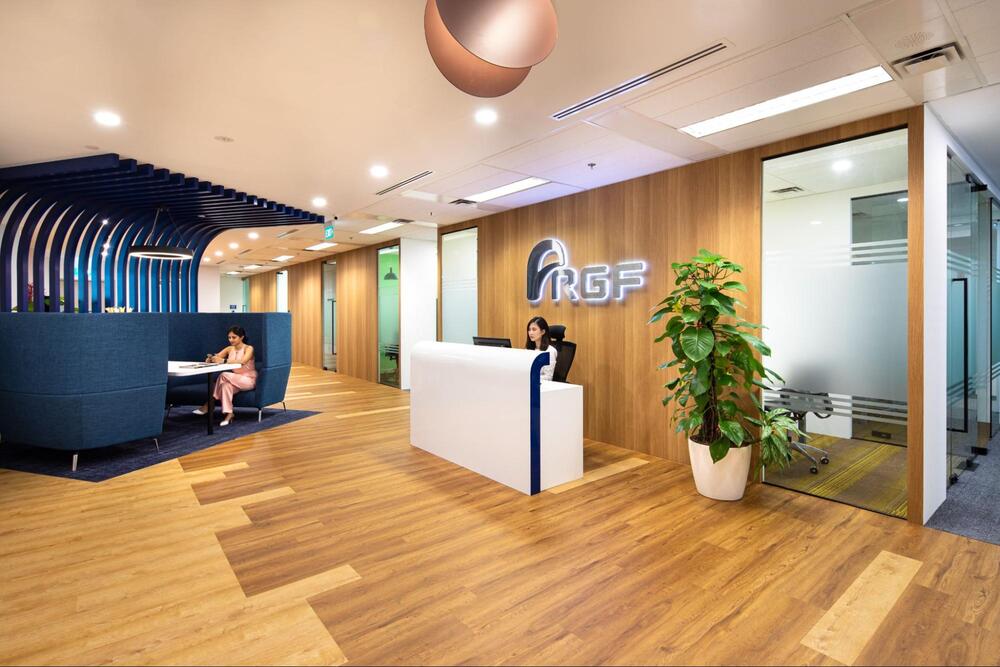
Functional layout supporting team collaboration
3. Key principles of an effective functional layout
Creating an effective functional layout requires more than just arranging furniture. It involves strategic planning to ensure the space aligns with workflow, supports employees, and adapts to business needs over time.
Space planning based on workflow patterns
A successful layout starts with understanding how work actually happens within the organisation. By mapping out daily processes, businesses can design spaces that support natural task flow.
- Arrange workstations based on task sequence
- Position frequently used areas closer together
- Reduce unnecessary movement between functions
Strategic zoning for different work functions
Different tasks require different environments, and a well-planned layout clearly defines these zones. This helps employees quickly identify where to go for specific activities.
- Separate focus areas, meeting rooms, and collaboration zones
- Design quiet spaces for deep work
- Create dedicated areas for team interaction
Traffic flow and accessibility considerations
Smooth movement within the workspace is essential for maintaining efficiency. A good layout ensures that employees can navigate the office easily without disruption.
- Design clear pathways between key areas
- Avoid bottlenecks in high-traffic zones
- Ensure easy access to shared resources
Flexibility and adaptability for future growth
Business needs are constantly evolving, so a layout should be able to adapt over time. Flexible design allows companies to scale without major disruptions.
- Use modular furniture and flexible workstations
- Plan for team expansion or restructuring
- Allow spaces to be reconfigured when needed
Balancing privacy and collaboration
A productive workplace requires both quiet focus and open communication. The right balance ensures employees can work effectively without feeling isolated or distracted.
- Provide private areas for focused tasks
- Maintain open spaces for collaboration
- Use design elements to control noise and distractions
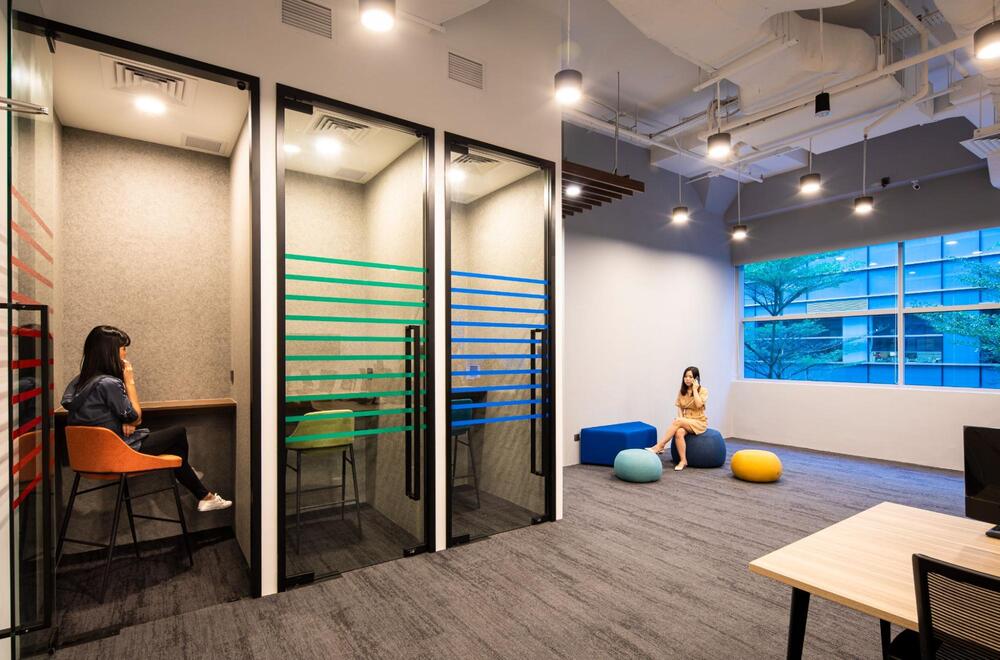
Flexible functional layout for future office growth
4. How to create a functional layout for your office?
- Step 1: Assess business needs and team structure
- Step 2: Analyze space utilization requirements
- Step 3: Prioritize employee movement and accessibility
- Step 4: Incorporate ergonomic furniture placement
- Step 5: Integrate technology and infrastructure planning
Creating a functional layout requires more than just arranging desks and furniture. It involves understanding how your business operates and translating that into a space that supports workflow, movement, and employee needs.
The following steps will help you build a practical and effective functional layout plan that aligns with your daily operations and long-term goals.
4.1 Assess business needs and team structure
The first step in creating a functional layout is understanding how your business operates. Different teams have different workflows, and the layout should reflect these real working patterns.
- Identify team sizes and roles
- Understand how departments interact with each other
- Define specific needs for each team (focus, collaboration, meetings)
4.2 Analyze space utilization requirements
Before designing, it’s important to evaluate how much space is actually needed and how it will be used. This helps avoid both overcrowding and wasted areas.
- Measure available office space
- Allocate space based on team functions
- Plan shared areas such as meeting rooms and breakout zones
4.3 Prioritize employee movement and accessibility
An effective layout ensures that employees can move easily and access what they need without disruption. Smooth circulation directly improves daily efficiency.
- Design clear pathways between key areas
- Place frequently used spaces within easy reach
- Minimise unnecessary walking distances
4.4 Incorporate ergonomic furniture placement
Furniture placement plays a major role in both comfort and productivity. A well-designed functional office layout should support healthy working habits.
- Position desks for proper lighting and posture
- Use ergonomic chairs and adjustable workstations
- Ensure sufficient space for movement around desks
4.5 Integrate technology and infrastructure planning
Modern offices rely heavily on technology, so it must be considered early in the layout planning process. A well-prepared setup avoids future disruptions and inefficiencies.
- Plan power outlets and network access points
- Ensure strong connectivity across all areas
- Align layout with IT and equipment requirements
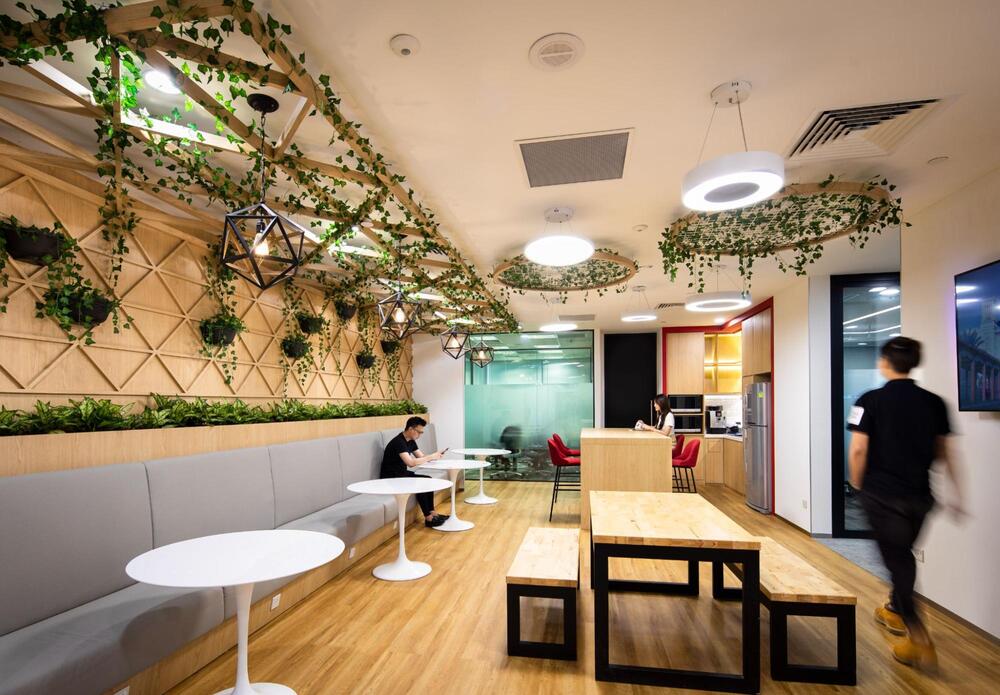
Office space planning for functional layout optimization
5. Types of functional layouts used in modern offices
Not all offices operate the same way, so there is no one-size-fits-all solution. Choosing the right functional layout depends on your workflow, team structure, and business goals. Below are some common functional layout examples used in modern workplaces.
Open plan functional layout
This is one of the most common functional layout examples, especially in modern and collaborative workplaces. It removes physical barriers to create a shared working environment.
- Large open spaces with minimal partitions
- Encourages communication and teamwork
- Suitable for startups and creative teams
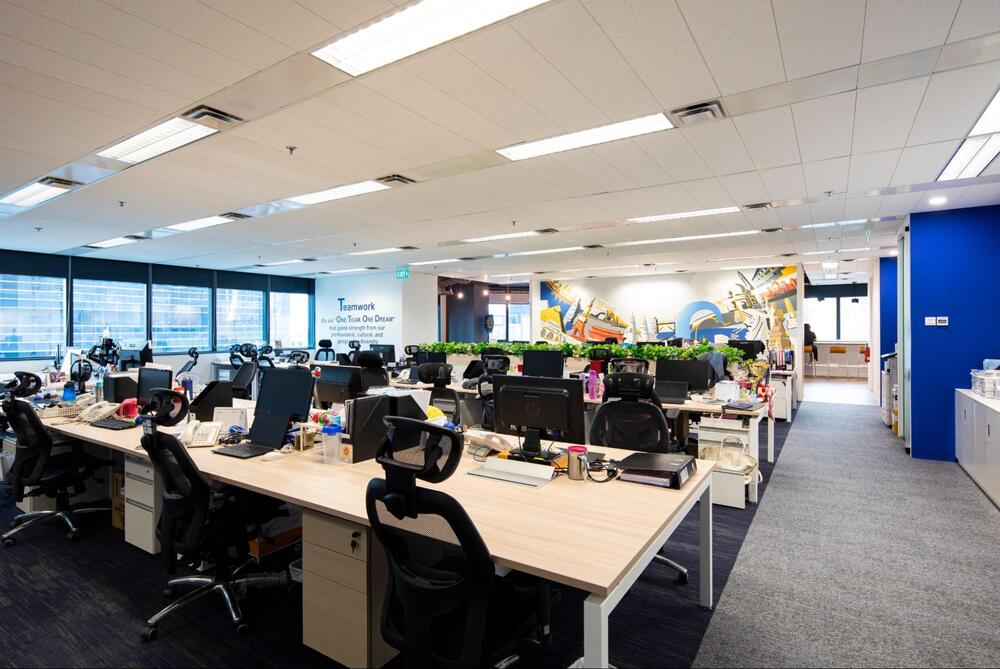
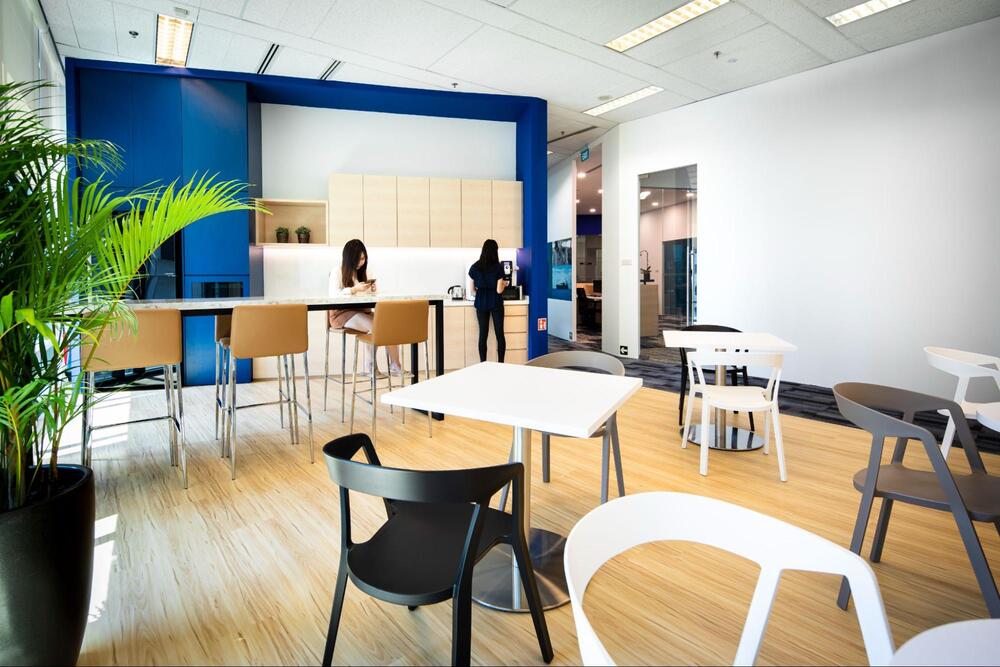
Open plan functional layout example
Hybrid office layout
A hybrid layout combines different workspace types to support both collaboration and focused work. It offers flexibility for teams with diverse working styles.
- Mix of open areas and private spaces
- Supports both in-office and flexible working
- Adapts to different team needs and tasks
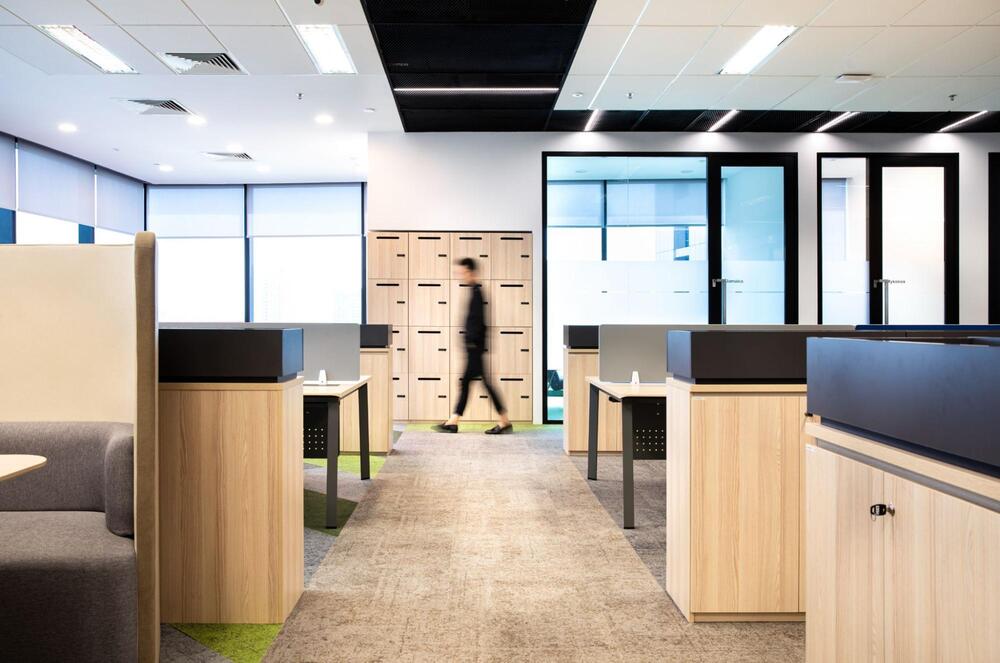
Hybrid functional layout for flexible workspaces
Activity-based working layout
This approach designs the office around specific activities rather than fixed desks. Employees choose spaces based on the task they need to complete.
- Dedicated zones for focus, meetings, and collaboration
- No fixed seating, flexible workspace usage
- Encourages productivity through task-based environments
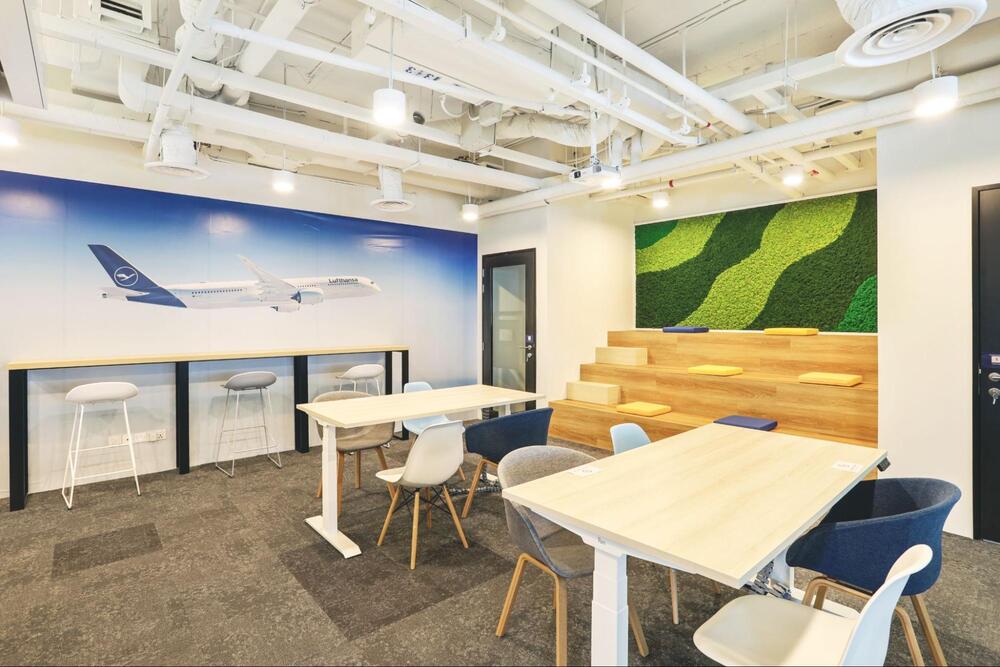
Activity-based working functional layout
Departmental/Zoned layout
This layout groups teams based on their functions, similar to how workflows are structured in operations. It works well for organisations with clearly defined departments.
- Each department has its own dedicated area
- Improves coordination within teams
- Suitable for structured and process-driven businesses
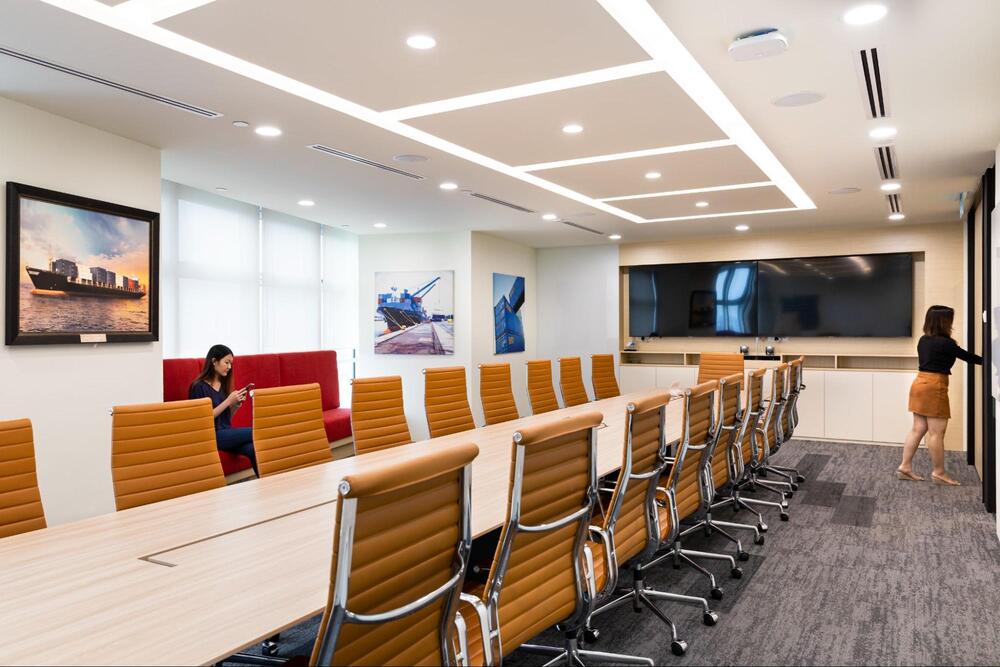
Departmental functional layout in office design
6. How does OSCA design functional layouts for high-performance workspaces?
Designing an effective functional office layout requires more than theory, it takes real-world experience and a deep understanding of how businesses operate. At OSCA, every functional layout plan is developed with a focus on practicality, performance, and long-term value.
With experience since 2010 in commercial interior design, OSCA specialises in design and build workspace solutions that help businesses improve productivity through well-planned environments.
Human-centric space planning approach
At the core of every project is a focus on people. OSCA designs spaces that support how employees actually work, ensuring comfort, efficiency, and engagement.
- Prioritise employee experience and daily workflow
- Design spaces that support both focus and collaboration
- Improve usability through intuitive layout planning
Tailored layout strategies based on operational needs
Every business operates differently, so OSCA avoids one-size-fits-all solutions. Each functional layout is customized based on specific workflows and team structures.
- Analyse business operations before planning layout
- Align space with department functions and interactions
- Create layouts that support real working patterns
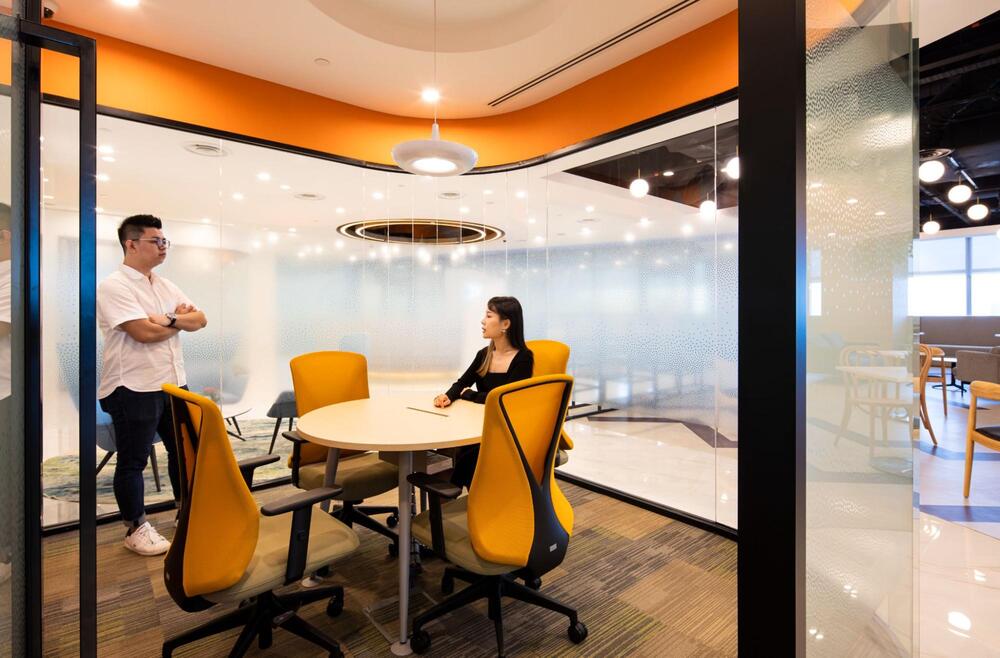
OSCA functional layout design for high-performance offices
Combining functionality with brand identity
A workspace should not only function well but also reflect the company’s identity. OSCA ensures that design and functionality go hand in hand.
- Integrate brand elements into the workspace design
- Maintain consistency between aesthetics and usability
- Create environments that reflect company culture
Proven experience in transforming modern offices
With over a decade of experience, OSCA has delivered practical workplace solutions across various industries. Each project focuses on improving efficiency through smart design.
- Established expertise in commercial interior design since 2010
- End-to-end design & build workspace solutions
- Strong focus on practical layouts that enhance productivity
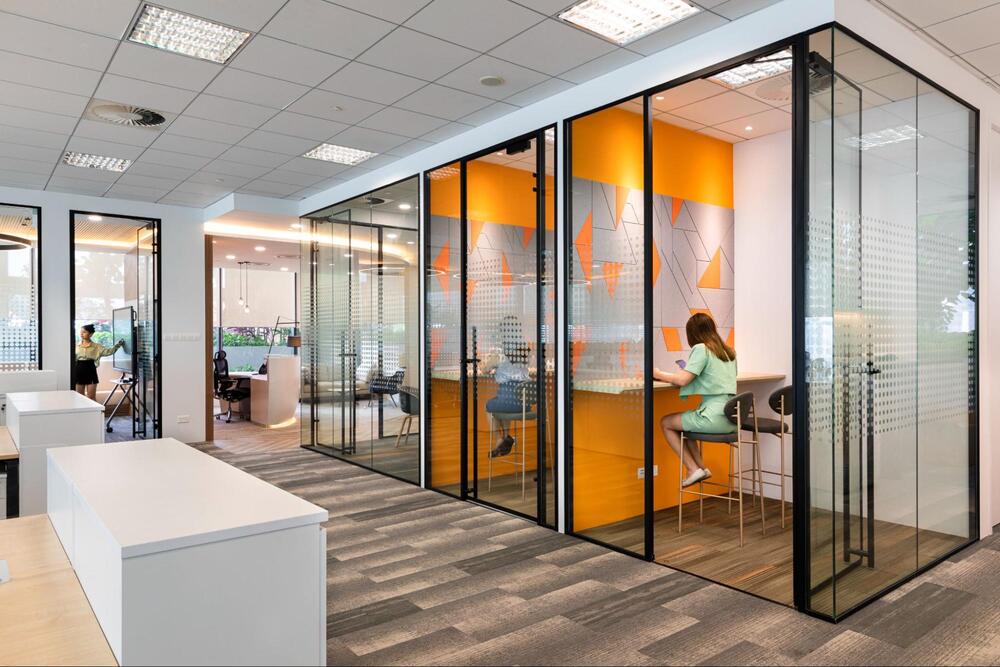
Human-centric functional layout by OSCA
A strong functional layout is not just about arranging space, it is about creating a workplace that supports people, improves workflow, and drives long-term business performance. If you are looking to develop a high-performance workspace, OSCA is ready to support you. Contact OSCA to transform your office into a more efficient, functional, and future-ready workspace.
- Hotline: +65 6336 1800
- Email: sg@osca.asia