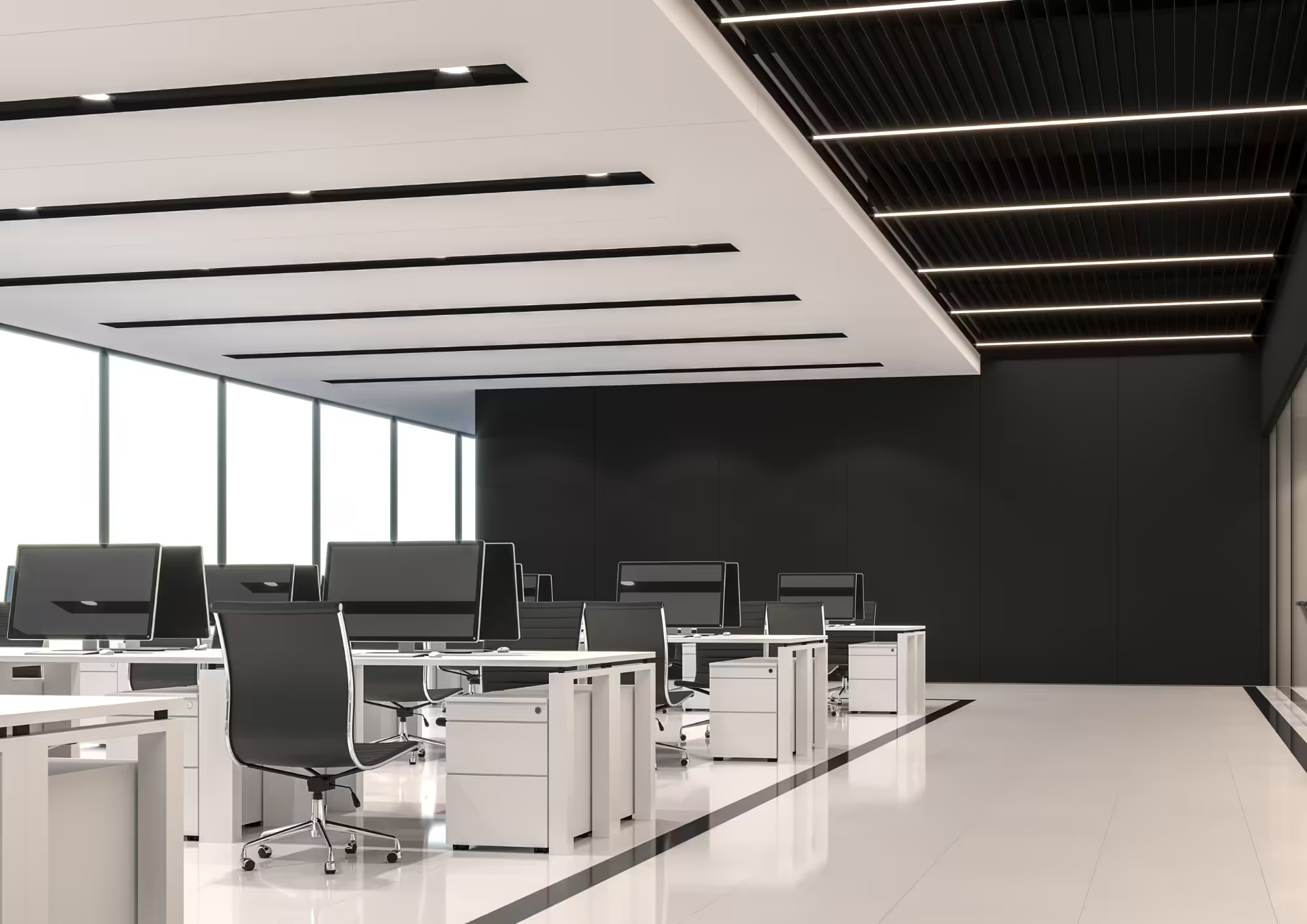
Planning an office renovation involves more than just design ideas, it requires a clear understanding of the renovation timeline to ensure everything runs smoothly from start to finish. Without proper planning, projects can easily face delays, budget overruns, and miscommunication between stakeholders. Find more with OSCA Asia in this article.
1. Typical renovation timeline breakdown (Step-by-step)
The typical renovation timeline for an office in Singapore generally ranges from 12 to 30 weeks, depending on factors such as office size, design complexity, building regulations, and approval requirements.
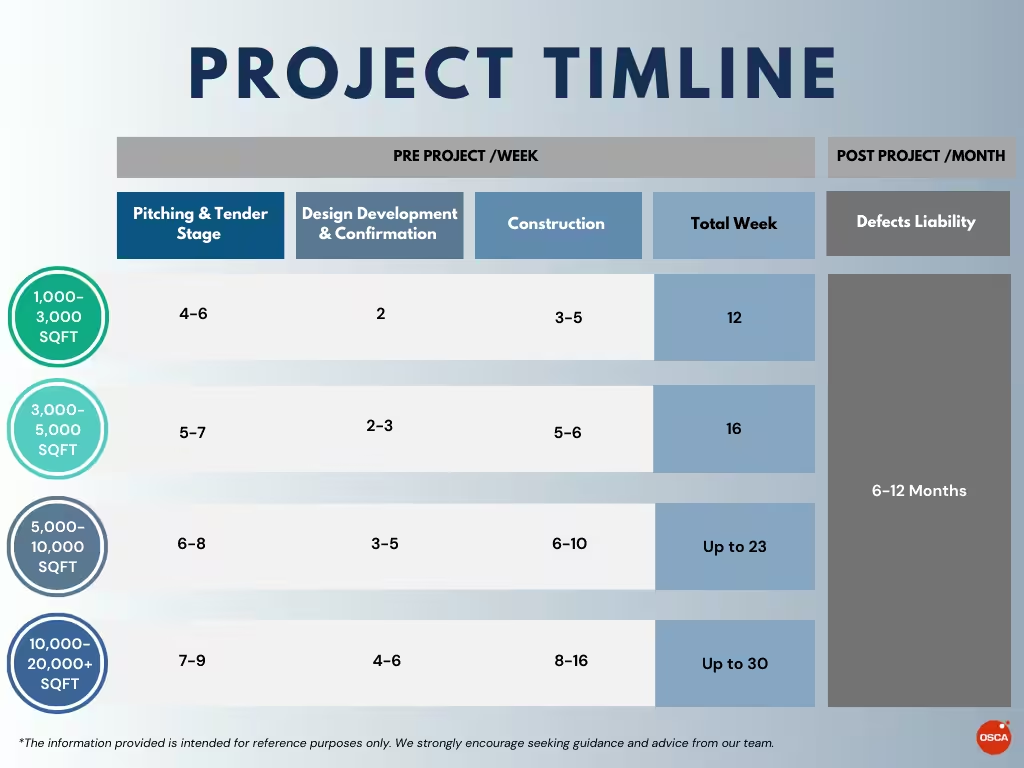
Office renovationtimeline project management
Below is a structured breakdown of each phase to help you better visualize the full renovation journey.
1.1 Pre-renovation phase (4–9 Weeks)
This initial stage focuses on setting the strategic direction for your entire renovation timeline. Rather than jumping straight into design, this phase ensures that all key decisions, such as scope, priorities, and constraints, are clearly defined from the beginning. A strong foundation at this stage allows your office renovation project plan to move forward with clarity, reducing the risk of misalignment and costly changes later on.
- Conducting a site survey and assessing existing conditions
- Defining business needs, operational requirements, and goals
- Setting a clear and realistic renovation budget
- Preparing a detailed design brief (scope, expectations, timeline)
- Performing a feasibility study to identify constraints early
A well-structured office renovation project plan at this stage helps streamline communication and reduces the risk of costly changes later.
Planning workspace renovation budget and requirements
1.2 Design & Planning phase (2–4 Weeks)
At this stage, the project shifts from high-level direction to detailed planning and visualization. The goal is to translate initial ideas into a cohesive design approach that balances functionality, aesthetics, and practicality. When managed effectively, this phase helps streamline execution and ensures that the overall renovation timeline remains efficient without unnecessary back-and-forth adjustments.
Key activities include:
- Space planning and layout optimization
- Developing 3D designs and visualizations
- Selecting materials, finishes, and furniture
- Reviewing and refining design proposals
- Finalizing and approving all design details
Timely decision-making is critical here, as delays in approvals or material selection can significantly extend the renovation timeline.
Office space planning and layout design
1.3 Approval & Permits (2–6 Weeks)
This phase acts as a critical checkpoint before construction begins, ensuring that all plans meet regulatory and building requirements. It involves coordination across multiple stakeholders, making it a stage where delays can easily occur if not handled properly. Integrating this step early into your office renovation project plan helps maintain momentum and prevents disruptions in later phases.
Key activities include:
- Submitting drawings to landlord or building management
- Applying for permits (if required)
- Ensuring compliance with fire safety and MEP systems
- Handling revisions based on authority feedback
This phase can impact your office renovation project plan if approvals take longer than expected or require multiple revisions.
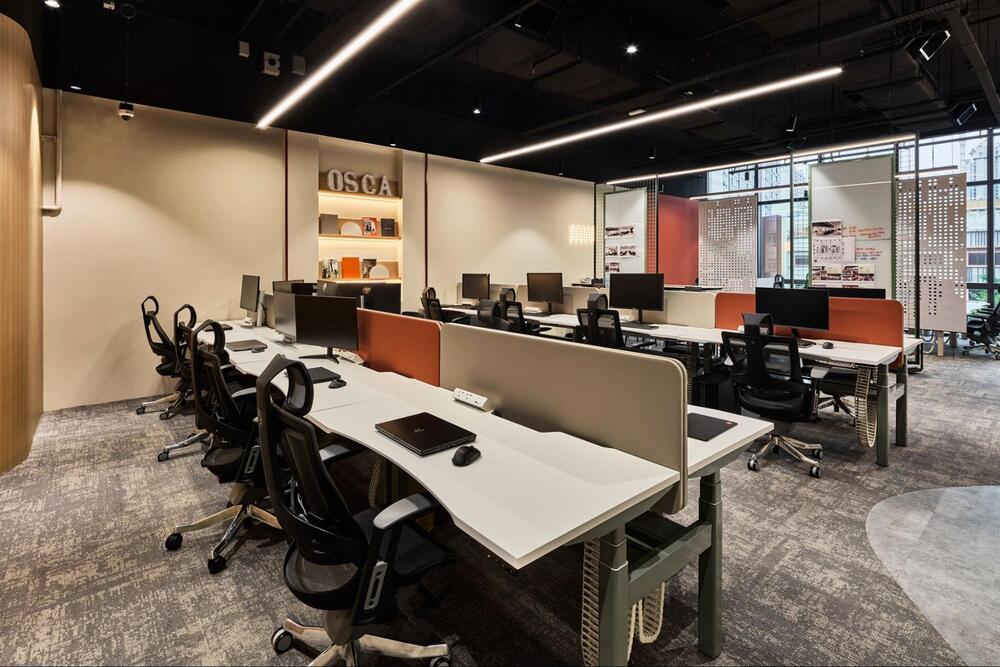
Ensuring compliance with building regulations
1.4 Construction phase (3–16 Weeks)
As the core execution stage, this is where all planning efforts are put into action and the physical transformation takes place. It typically requires the highest level of coordination, as multiple teams and processes must run in parallel. Because of its complexity, this phase has the greatest influence on the overall renovation timeline, making project management and on-site efficiency especially important.
Key activities include:
- Demolition and site preparation
- MEP works (electrical, plumbing, HVAC systems)
- Partitioning, ceiling installation, and structural works
- Flooring, finishes, and painting
- Furniture delivery and installation
Factors that may affect duration:
- Building regulations and restricted working hours
- Site accessibility (e.g., cargo lift, loading/unloading areas)
- Lead time for custom-made materials or furniture
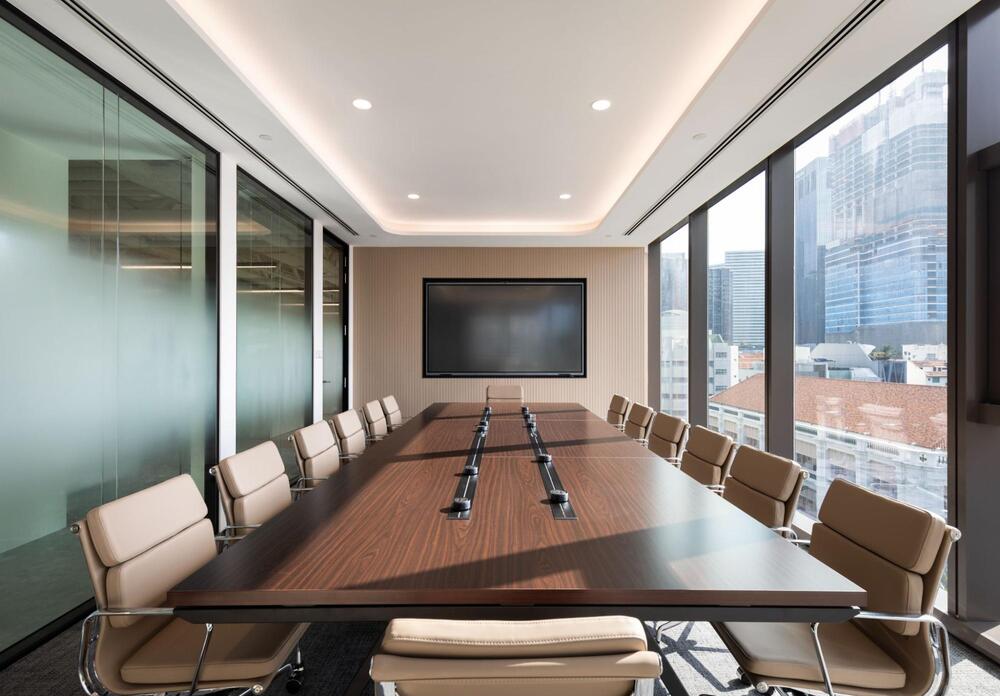
Interior fit-out and partition installation
1.5 Post-renovation & Handover (6-12 Months)
The final stage focuses on ensuring that the completed space is fully functional, compliant, and ready for use. Beyond just finishing the work, this phase is about validating quality and preparing for a smooth transition into daily operations. A well-executed closing stage ensures your office renovation project plan is completed properly, minimizing post-move issues and disruptions.
Key activities include:
- Conducting final inspections and quality checks
- Snagging and fixing any defects
- Cleaning and preparing the space
- Handover of keys, access cards, and user manuals
- Move-in preparation and staff orientation (if needed)
At this point, your office renovation project plan is successfully completed, and your workspace is ready to be occupied.
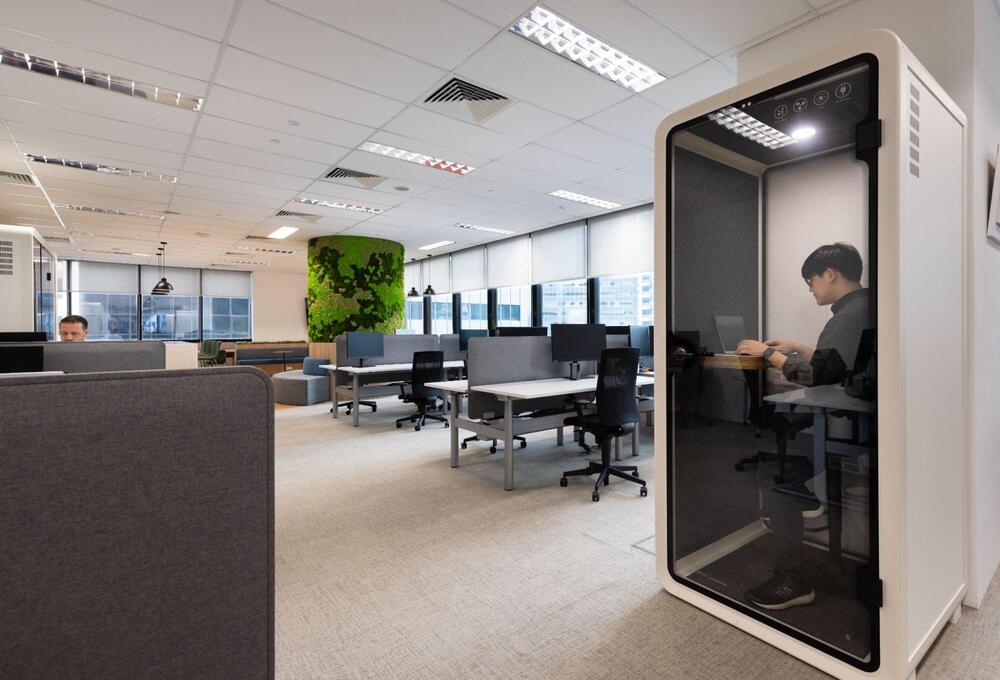
Clean and ready-to-use office workspace
2. Sample renovation timeline
While every project varies in scope and complexity, having a clear reference for a typical renovation timeline can help you plan more effectively and set realistic expectations. A well-structured office renovation project plan should always consider the size of the workspace, as this directly impacts coordination, approvals, and construction duration.
- Small office (1,000 – 3,000 sqft): 8 – 12 weeks – Suitable for compact teams with simpler layouts and faster execution, typically involving fewer design revisions and minimal construction complexity.
- Medium office (3,000 – 10,000 sqft): 16 – 23 weeks – Requires more detailed planning, multiple functional zones, and closer coordination between design, approval, and construction teams.
- Large commercial projects (10,000 – 20,000+ sqft): 4 – 6 months – Involves complex layouts, extensive MEP systems, stricter compliance requirements, and longer approval timelines, making project management more critical.
These benchmarks give you a practical overview of how the renovation timeline scales with project size, helping you build a more accurate and efficient office renovation project plan.
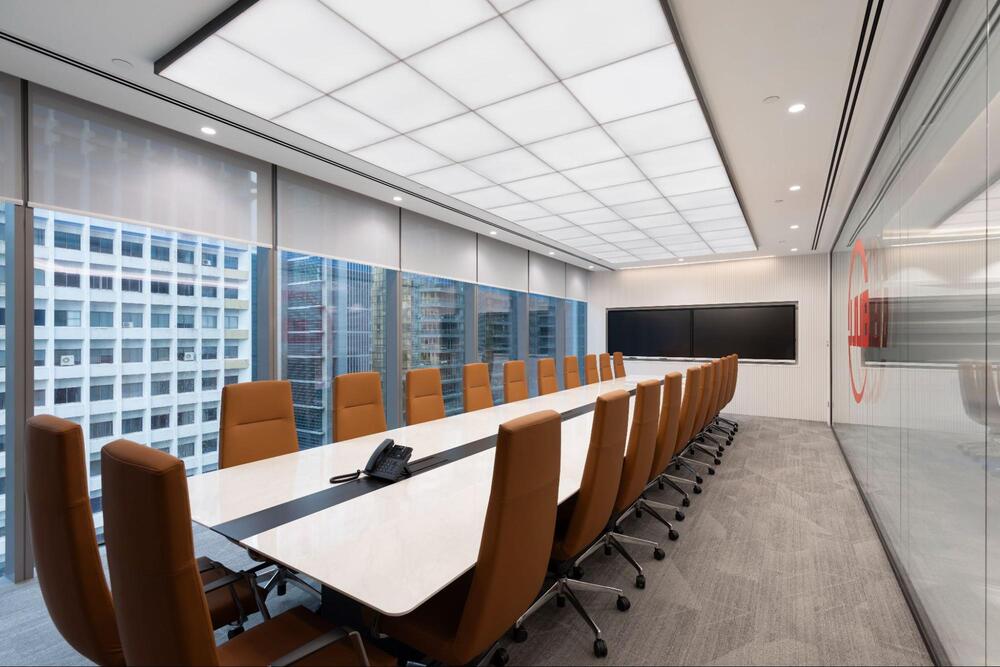
Office handover and move-in preparation
3. Why work with a professional like OSCA Asia?
Managing an office renovation involves more than just design and construction, it requires careful coordination across every stage of the renovation timeline. Without the right expertise, delays, miscommunication, and budget overruns can easily occur.
Working with a professional partner like OSCA Asia ensures your office renovation project plan is handled seamlessly from start to finish, allowing you to focus on your business while experts manage the complexity.
- One-stop design & build solution – From concept design to final execution, everything is managed under one roof for better efficiency and consistency.
- End-to-end timeline management – Every phase of the renovation timeline, from planning to completion, is carefully coordinated to avoid delays and keep the project on track.
- On-time and on-budget delivery – With structured project management and clear processes, risks are minimized and costs are controlled effectively.
- Proven experience in large-scale office projects – Backed by extensive industry experience, the team is well-equipped to handle complex requirements and deliver high-quality results.
Choosing the right partner can make a significant difference in how smoothly your office renovation project plan is executed, and ultimately, how successful your renovation outcome will be.
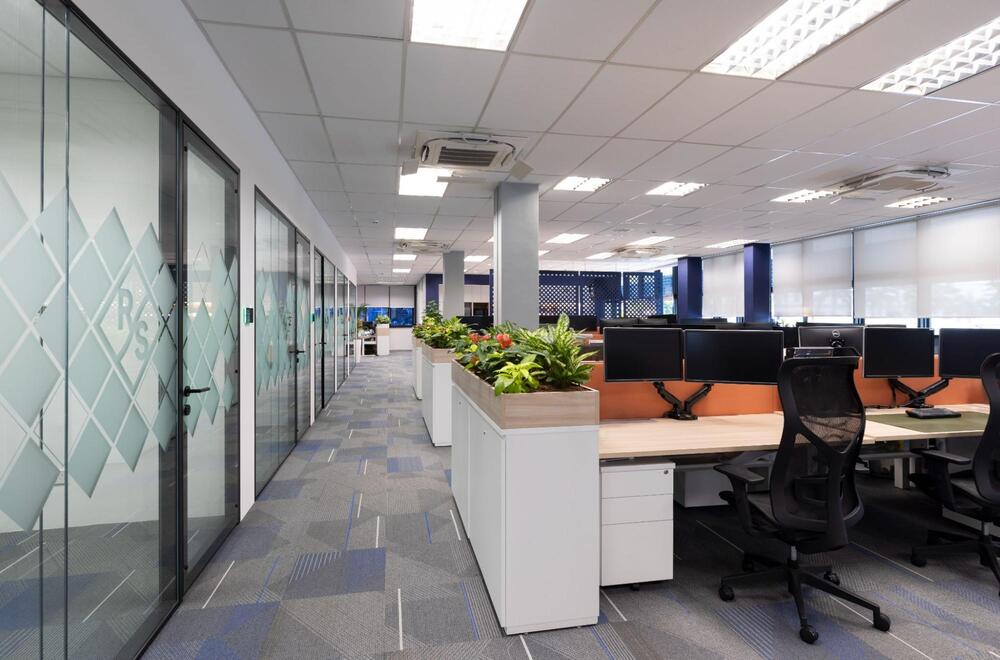
Professional office design and build team
4. FAQs about renovation timeline
Understanding the renovation timeline is essential for effective planning, especially when managing a complex office renovation project plan. Below are some of the most common questions businesses have:
1. How long does a typical renovation timeline take?
A standard renovation timeline for an office in Singapore usually ranges from 8 to 16 weeks for small to medium projects. Larger or more complex offices may take 4 to 6 months, depending on design requirements, approvals, and construction scope.
2. How can I shorten the renovation timeline?
To speed up your office renovation project plan, you can:
- Finalize design decisions early to avoid revisions
- Work with an end-to-end design & build firm
- Prepare all required documents in advance
- Choose materials with shorter lead times
- Maintain clear communication with all stakeholders
3. Can design and construction run simultaneously?
Yes, in some cases, design and construction can overlap through a fast-track approach. However, this requires a well-coordinated office renovation project plan and an experienced team to manage risks, as changes during construction may affect cost and timeline.
4. Which stage is most likely to cause delays?
Delays in the renovation timeline most commonly occur during:
- Approval & permits (due to regulatory requirements)
- Design phase (due to late changes or indecision)
- Construction (due to site conditions or material delays)
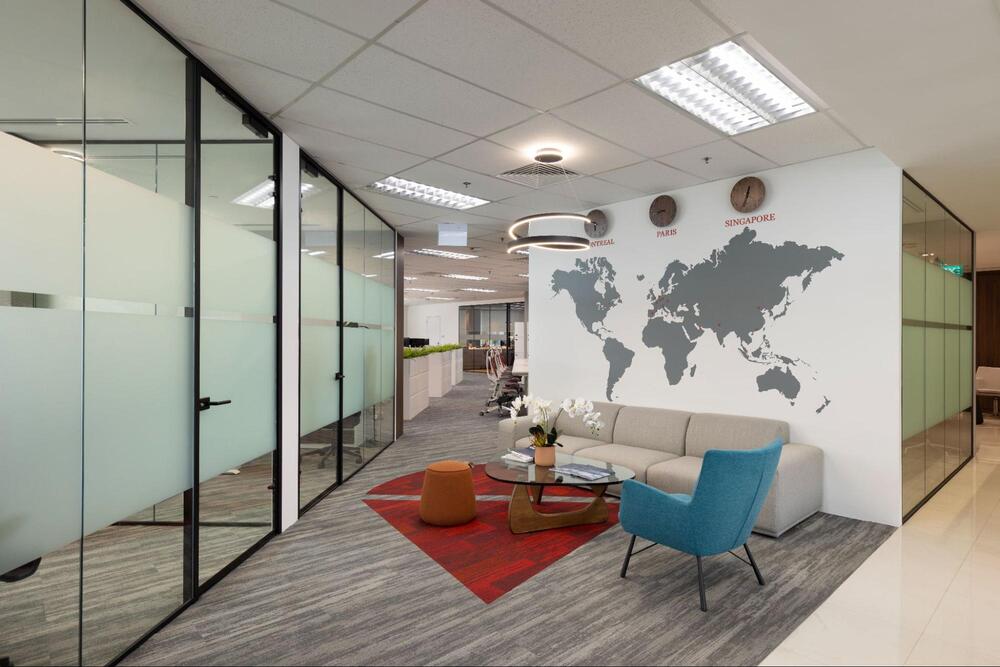
Managing office remodel timeline effectively
Understanding the full renovation timeline is key to delivering a successful office transformation, on time and within budget. With the right strategy and execution, businesses can minimize risks while maximizing efficiency throughout the entire process. If you’re planning an office renovation, working with a trusted partner like OSCA Asia can make all the difference.