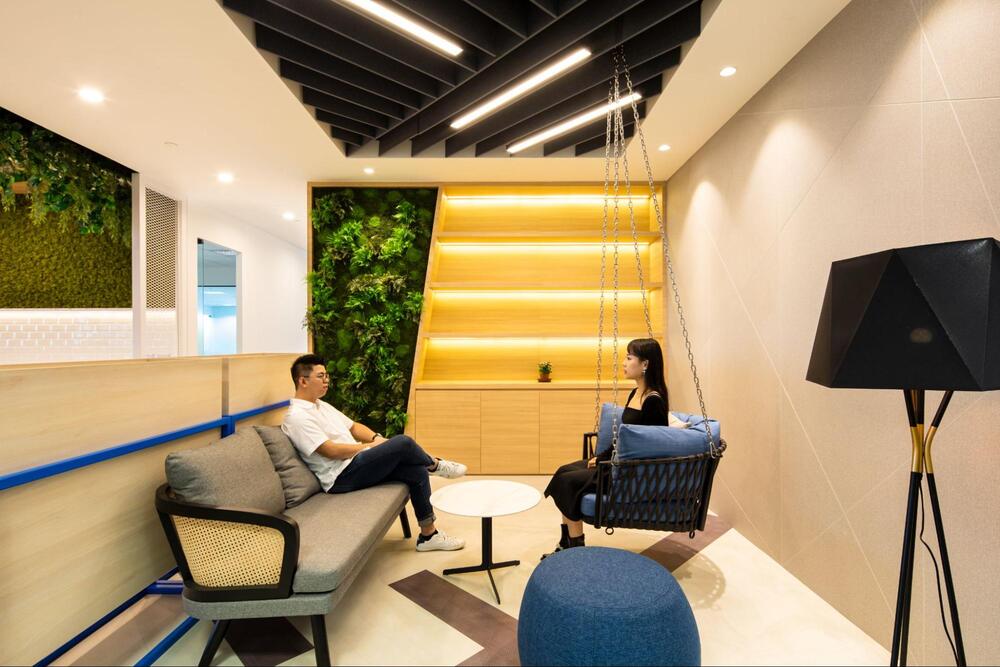
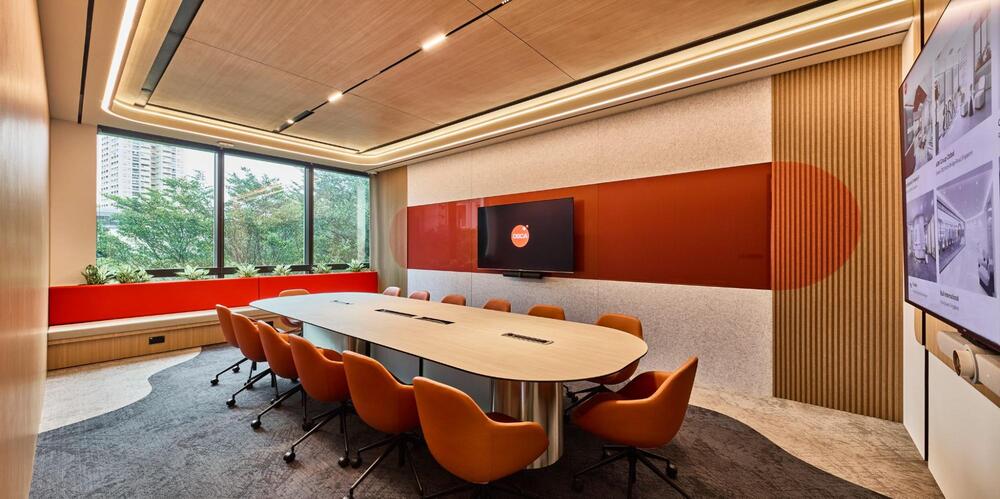
A clear and methodical office renovation checklist or office refurbishment checklist provides decision-makers with a practical framework to plan, execute, and hand over an office project with confidence. This OSCA’s guide outlines a complete checklist to help organisations manage risk, protect return on investment, and achieve consistent renovation outcomes.
Contents
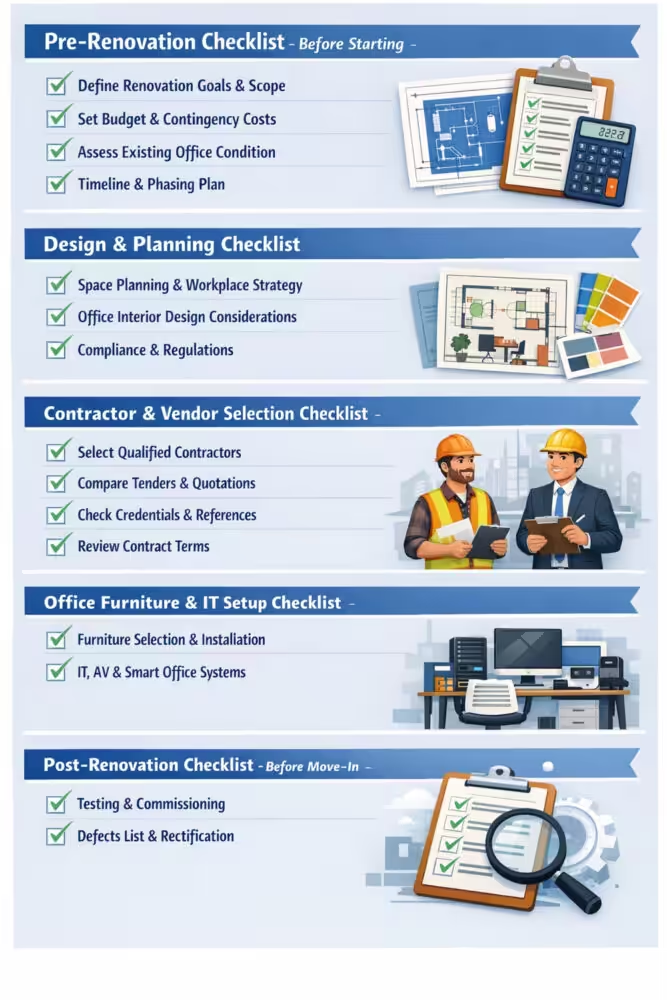
- 1 1. Pre-Renovation Checklist (Before Starting)
- 2 2. Design & Planning Checklist
- 3 3. Contractor & Vendor Selection Checklist
- 4 4. Office Furniture & IT Setup Checklist
- 5 5. Post-Renovation Checklist (Before Move-In)
- 6 6. Downloadable Office Renovation Checklist
- 7 7. Common Office Renovation Mistakes to Avoid
- 8 8. FAQs About Office Renovation Checklist
1. Pre-Renovation Checklist (Before Starting)
A structured pre-renovation checklist helps control cost, timeline, and operational risk. Before any design or construction work begins, organisations must clearly define objectives, budget, and existing site conditions to support long-term workplace performance and return on investment.
1.1 Define Renovation Goals & Scope
Start by clarifying why the renovation is required and what success looks like. Common drivers include:
- Headcount growth
- Rebranding or organisational change
- Hybrid or activity-based working
- Performance targets such as WELL or LEED
Each goal should be measurable. For example, hybrid work objectives should translate into clear desk ratios, collaboration areas, and meeting room requirements.
Next, assess whether renovation is preferable to relocation. Compare both options based on lease terms, building capability, space efficiency, and total occupancy cost. Once confirmed, define the scope in writing, listing included and excluded works such as demolition, MEP upgrades, furniture, IT, and compliance items. A well-defined scope prevents disputes and enables accurate tender comparison.
1.2 Set Budget & Contingency Costs
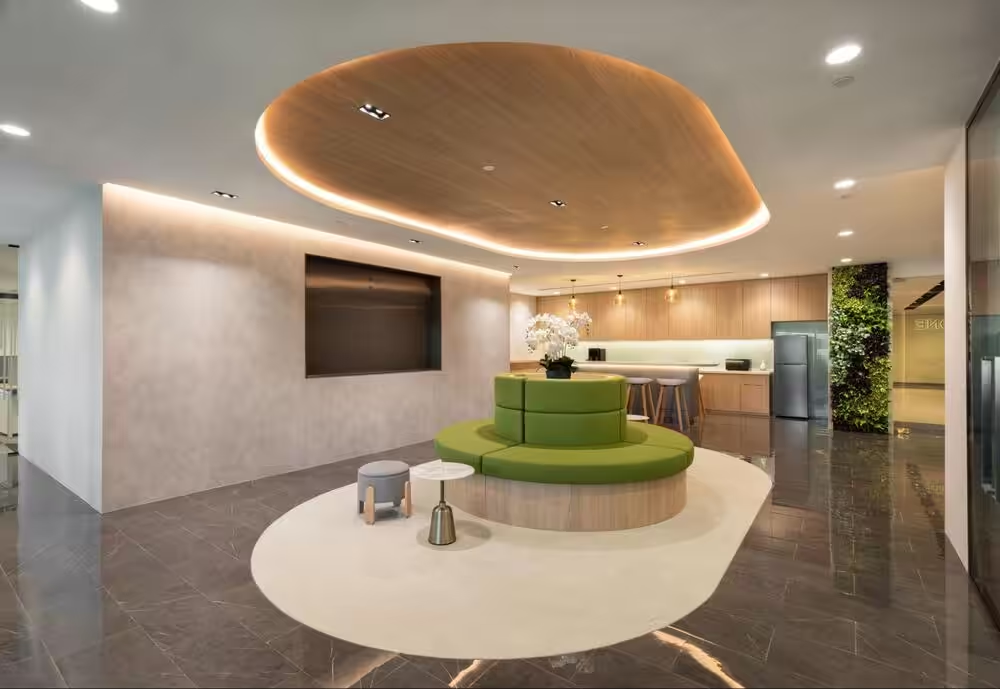
Budget planning is a key control point in any office renovation checklist. Develop a detailed cost breakdown covering design, construction, MEP, furniture, IT, and statutory fees. Validate costs against market benchmarks and project complexity.
Include a contingency allowance of 10–15% to cover unknown site conditions and regulatory changes. Assign clear budget authority to one decision-maker, supported by regular cost reporting, to maintain financial control throughout the office renovation.
1.3 Assess Existing Office Condition
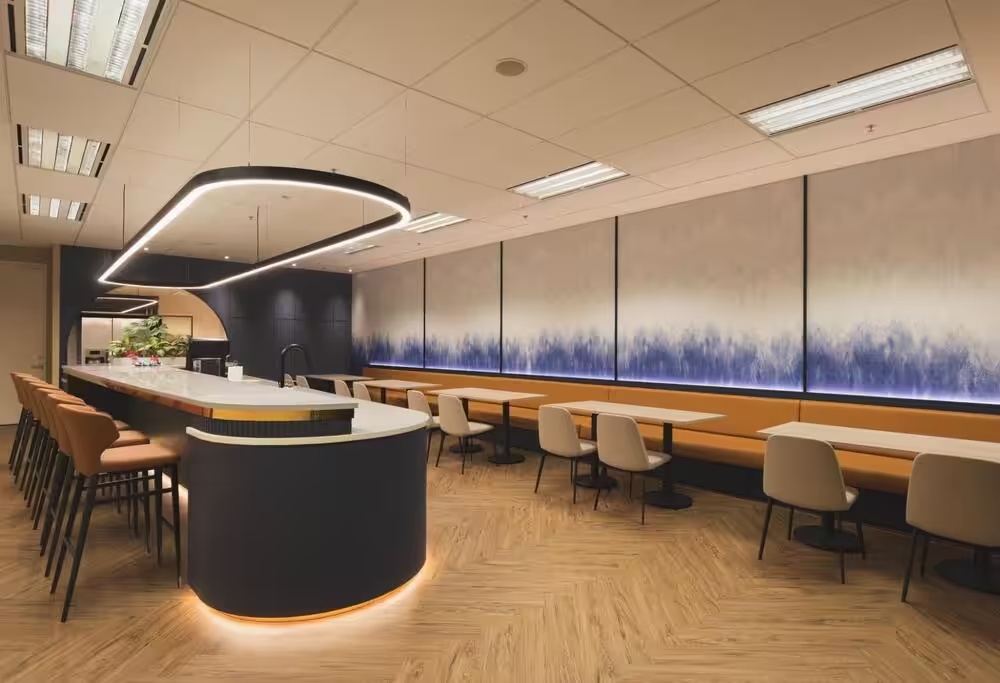
Conduct a technical assessment before design development starts. Review layout efficiency, MEP systems, fire safety provisions, and structural constraints in planning an office renovation. Identify elements that can be retained or upgraded only if they meet current performance and compliance requirements.
Engage qualified professionals to review as-built drawings and maintenance records. Early identification of defects reduces disruption, rework and cost later in the office refurbishment process.
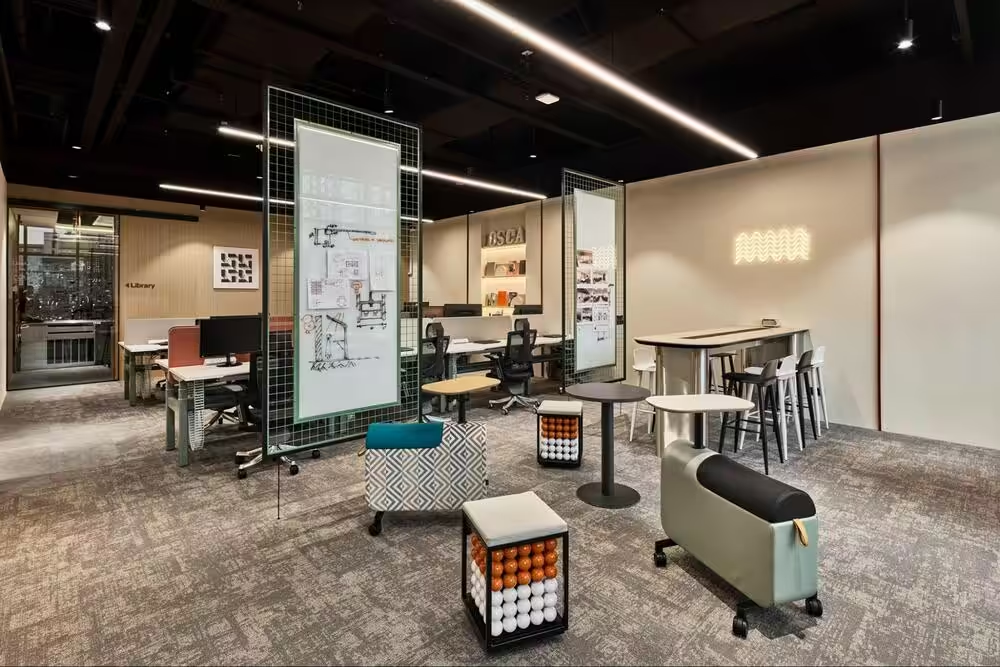
1.4 Timeline & Phasing Plan
Develop a realistic programme aligned with business operations and lease milestones. Decide whether renovation will occur in an occupied or vacant office. Occupied renovations require careful phasing, noise control measures, and strict safety measures.
Define construction sequencing, access routes, continuity measures, and key handover dates. Include time buffers for approvals, inspections and system testing to avoid rushed delivery.
2. Design & Planning Checklist
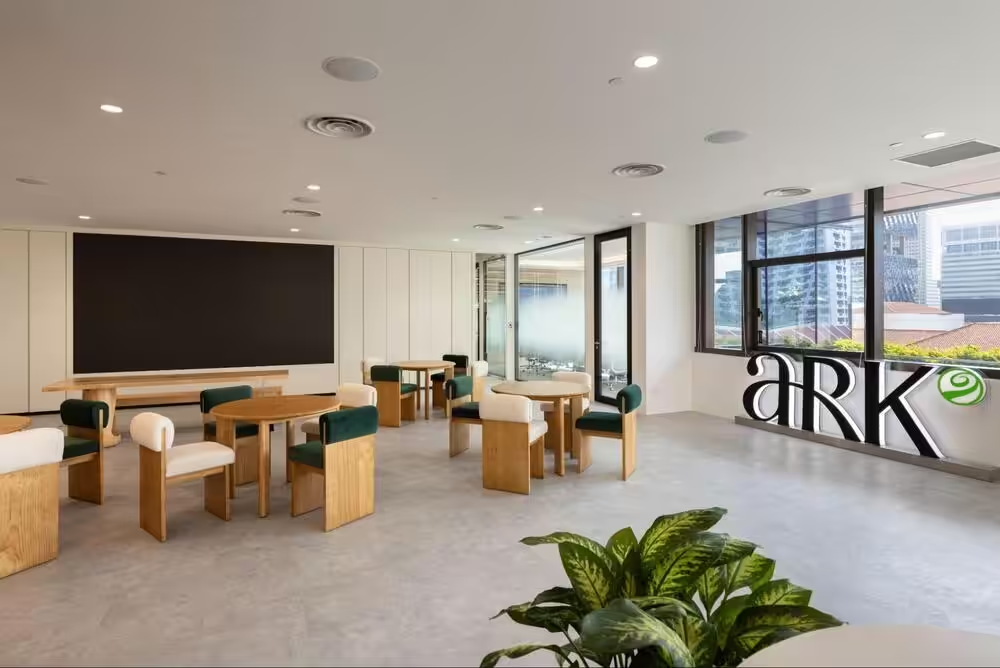
The Design & Planning phase determines how the office will function, comply with regulations, and perform over time. A structured approach ensures business objectives are translated into a future-ready workplace.
2.1 Space Planning & Workplace Strategy
Start with headcount planning, including growth projections and hybrid workers. Convert this data into a seating strategy and space allocation plan.
Map work modes such as focused work, collaboration, and confidential meetings. Allocate spaces based on actual usage patterns. Plan circulation carefully to separate noisy zones from focus zones. Incorporate flexibility through modular layouts and shared spaces to accommodate future change.
2.2 Office Interior Design Considerations
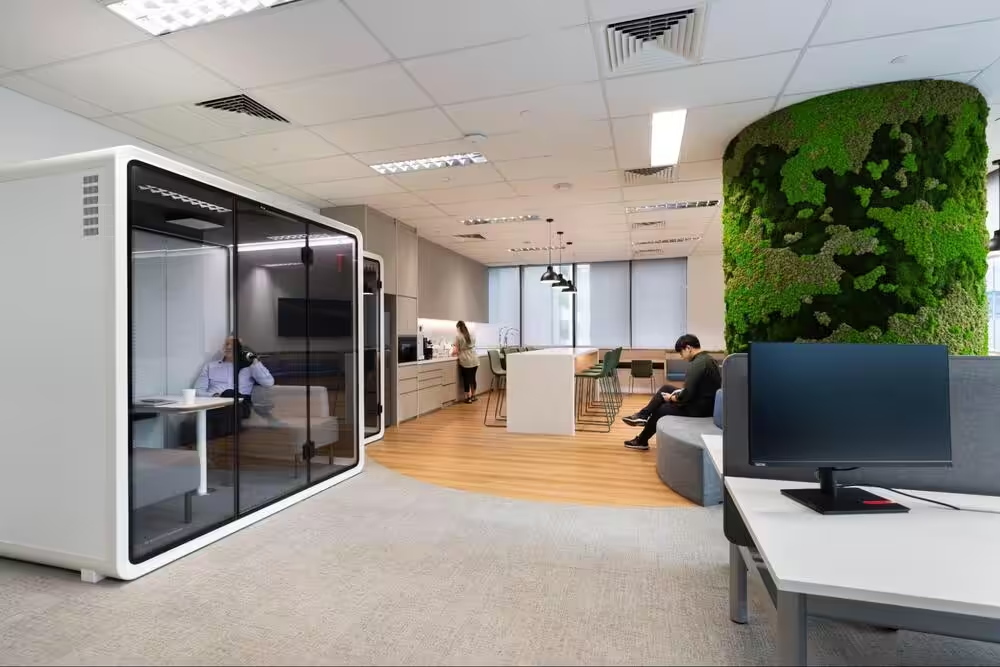
Commercial interior design should support both brand identity and employee wellbeing. Integrate branding through controlled use of colour, materials, and environmental graphics.
Address ergonomics early by defining workstation standards. Plan lighting to support task requirements and reduce glare, prioritising access to natural light where possible. Apply acoustic treatments to manage noise and support concentration. Introduce biophilic elements only where maintenance capabilities and building systems allow.
2.3 Compliance & Regulations
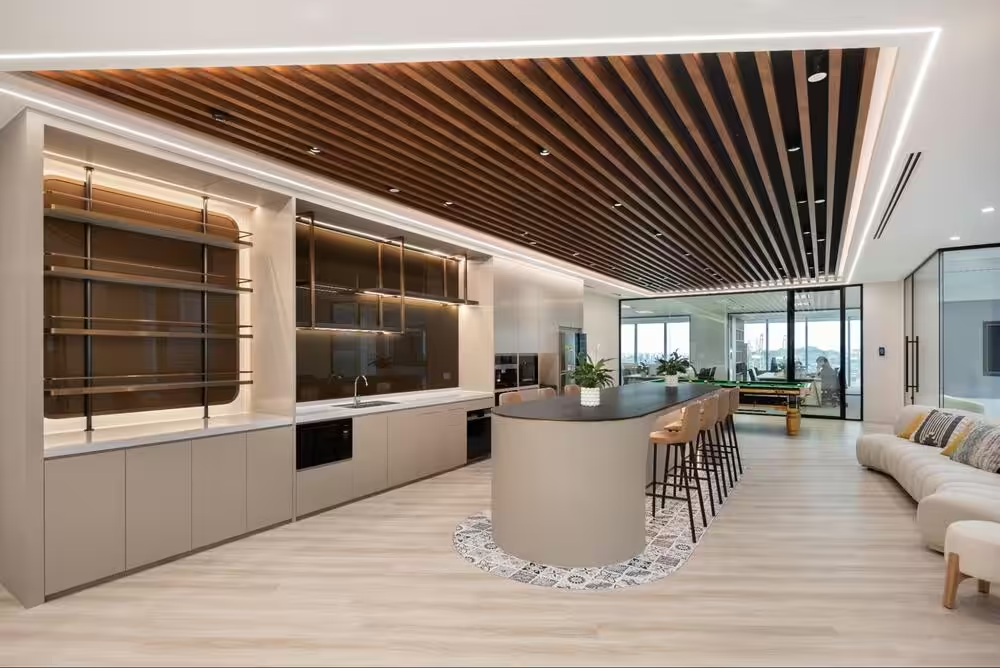
Compliance is a critical component of any office refurbishment checklist. Review building management rules and identify constraints that affect design and construction.
Plan fire safety measures with qualified professionals, including escape routes and fire-rated elements and system integration. Identify required authority submissions for structural, MEP, or occupancy changes and factor approval timelines into the overall programme.
3. Contractor & Vendor Selection Checklist
Contractor selection is one of the highest-risk stages in the office renovation checklist.
3.1 Choosing the Right Office Renovation Contractor
Decide between Design & Build or separate design and construction appointments. Shortlist contractors with proven office renovation experience and review comparable projects.
Evaluate candidates based on relevant experience, project management structure, financial stability, insurance coverage, and warranty support. Verify safety records and defect liability terms to protect post-handover performance.
3.2 Tender & Quotation Comparison
Issue a clear tender package that includes drawings, scope definition, and programme assumptions. Compare quotations on a like-for-like basis and identify exclusions, assumptions and provisional sums.
Review construction and MEP costs, programme duration, and specialist works. Pay close attention to potential hidden costs such as approvals, testing and commissioning. Confirm final scope, contract terms, and risk allocation before appointment.

4. Office Furniture & IT Setup Checklist
Furniture and IT systems setup translate design into daily operation and directly affect productivity.
4.1 Furniture Selection & Installation
Finalise layouts before selecting furniture. List requirements by area and define ergonomic standards. Choose between custom-built and loose furniture based on flexibility, budget, and lead time.
Confirm finishes based on durability and maintenance needs. Schedule installation after major construction works are completed and protect items from damage.

4.2 IT, AV & Smart Office Systems
Assess technology requirements for data, voice, video, security, and assess control. Plan cabling early and align data points with furniture layouts.
Standardise meeting room AV systems to reduce support complexity. Ensure access control complies building policies. Test all systems before move-in and prepare as-built drawings and operation manuals as part of the office renovation checklist close-out.

5. Post-Renovation Checklist (Before Move-In)
The final stage confirms readiness for occupation and protects safety and continuity.
5.1 Testing & Commissioning
Test all MEP systems, fire safety installations, lighting, and ventilation systems against approved standards. Verify IT and AV systems under live operating conditions. Collect all test reports and certificates before occupancy approval.
5.2 Defects List & Rectification
Conduct a joint walkthrough and prepare a formal defects or snag list covering workmanship issues, incomplete works, damage, and compliance gaps. Agree on rectification timelines and track closure.
Final payments should only be released once defects are resolved or formally accepted, ensuring accountability within the office refurbishment checklist.

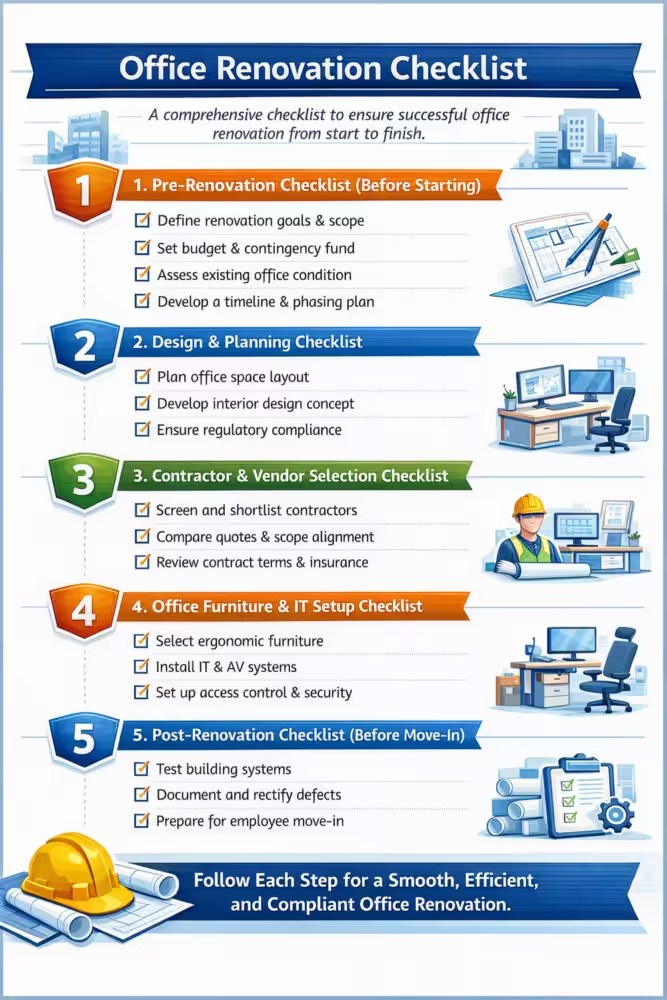
6. Downloadable Office Renovation Checklist
7. Common Office Renovation Mistakes to Avoid
Avoiding common errors is essential to the success of any office renovation checklist. These mistakes often lead to cost overruns, delays, and workplaces that fail to support daily operations.
Underestimating Budget and Timeline
Underestimating cost and time is a common failure in an office refurbishment checklist. Initial budgets are often based on incomplete scope or outdated benchmarks. To reduce risk, prepare a detailed cost breakdown covering design, construction, MEP, furniture, IT, and statutory approvals. Validate figures against current market conditions and building constraints. Always include a 10–15% contingency for unknown site conditions and regulatory changes.
Programme underestimation presents similar risk. Office renovations involve approvals, procurement, and testing that require realistic time allowances. Build buffers into the schedule and avoid fixing move-in dates before contracts are finalised. This approach strengthens the office remodel checklist.
Poor Communication and Stakeholder Alignment
Weak communication leads to delays, rework, and disputes. Many projects fail due to unclear authority and inconsistent decisions. Define a clear governance structure from the outset. Assign one project owner with authority over scope, budget, and variations and record key decisions in writing and hold regular coordination meetings focused on cost, programme, and risk.
Engage internal teams such as HR, IT, and facilities early. Late input often forces design changes that affect cost and compliance. Clear communication is a core control within any office renovation checklist.

Ignoring Employee Needs
Designs that fail to consider how employees work often result in inefficient space use. Avoid this by analysing work patterns before finalising layouts. Plan spaces for focus work, collaboration, meetings, and calls based on actual use. Treat ergonomics, acoustics, and lighting as essential requirements as poor comfort reduces productivity and wellbeing.
Prepare employees for the new workspace through basic change management and orientation to ensure value is realised after handover.
Choosing the Lowest Price Without Scope Clarity
Selecting contractors based on price alone is high risk within an office refurbishment checklist. Low bids often exclude critical items or rely on assumptions.
Issue a clear tender package and compare quotations on a like-for-like basis. Identify exclusions and provisional sums early. Evaluate experience, delivery capability, and warranty support alongside cost. Document all clarifications and include them in the contract. This protects quality, budget, and delivery certainty.
8. FAQs About Office Renovation Checklist
How long does an office renovation take?
Most office renovations take 8–16 weeks, depending on size, scope, approvals, and whether the office is occupied during work.
How much does office renovation cost?
Costs vary by design level, materials, and MEP scope. In Singapore, a typical office renovation ranges from SGD 80–180 per sq ft, excluding loose furniture and IT.
Can office renovation be done while operating?
Yes. Renovation can be phased to minimise disruption. This requires clear zoning, after-hours work, and strict safety control.
Do I need permits for office renovation?
Yes. Most projects require building management approval and may need fire safety or local authority permits, depending on the scope.
Should I hire a design & build company?
Yes, for most projects. A design & build company reduces coordination risk, shortens timelines, and provides single-point accountability. OSCA Asia is the best choice when looking for the office renovation project management.
Whether used as an office renovation checklist template or a reference for complex projects, this structured approach supports safer delivery, stronger workplace performance, and long-term operational stability. Partner with OSCA for a compliant and well-managed office renovation.