In today’s evolving work environment, natural lighting in office design has moved beyond a purely aesthetic consideration to become a fundamental element of workplace performance, employee well-being, and sustainability. This OSCA article explores why natural lighting is essential in the workplace, examines evidence-based benefits for productivity, mental health, and sustainability, and outlines practical design strategies for integrating daylight across different office areas.
Contents
1. Why Natural Lighting Is Important in the Workplace
1.1 Boosts Employee Productivity and Focus
Natural light in the office improves cognitive performance and sustained attention. Exposure to daylight aligns the body’s internal clock, improving alertness and reducing daytime fatigue.. A study named “The impact of optimised daylight and views on the sleep duration and cognitive performance of office workers” examined optimised daylight and revealed that office workers exposed to natural light scored significantly higher on cognitive performance tasks than those working primarily under glare-dominated or artificially lit environments.
Corporate Wellness research also highlights that workers in daylight-rich settings can show measurable gains in efficiency. For example, daylight exposure has been associated with improved focus, reduced eye strain, and enhanced task completion rates compared to poorly lit workspaces.While specific percentages vary by study and context, these effects are consistent across different office environments and industries.
1.2 Enhances Employee Well-being and Mental Health
Daylight plays a critical role in emotional health and sleep regulation. Regular exposure to natural light helps stabilise mood, sleep, and emotional health. Studies show that daylight exposure contributes to better sleep quality by regulating circadian rhythms. Employees working in offices with substantial daylight access often report better sleep patterns than peers in low-light spaces.
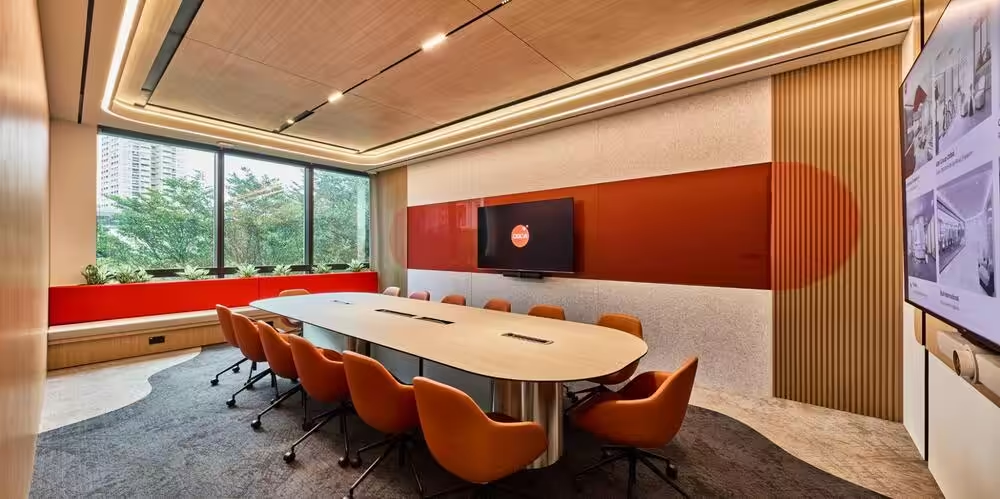
Exposure to daylight is also linked to lower stress levels. Research called “Why We Need More Nature at Work: Effects of Natural Elements and Sunlight on Employee Mental Health and Work Attitudes” confirms that offices with ample natural light are associated with higher job satisfaction and reduced psychological strain and improved overall mental well- being. Sunlight has a measurable effect on mood, reducing symptoms of depression and anxiety when compared with enclosed, dim environments.
1.3 Improves Energy Efficiency and Sustainability
Natural light in office designs is also a key contributor to energy efficiency. By reducing reliance on artificial light during daylight hours, offices can lower electricity consumption and associated cooling loads. Science research in IRE Journals confirms that effective daylighting strategies reduce the need for artificial lighting and can improve overall energy performance in commercial buildings.
In Singapore’s cooling-dominated climate, thoughtful daylight planning helps balance visual comfort with thermal control, supporting sustainability goals without compromising occupant comfort.
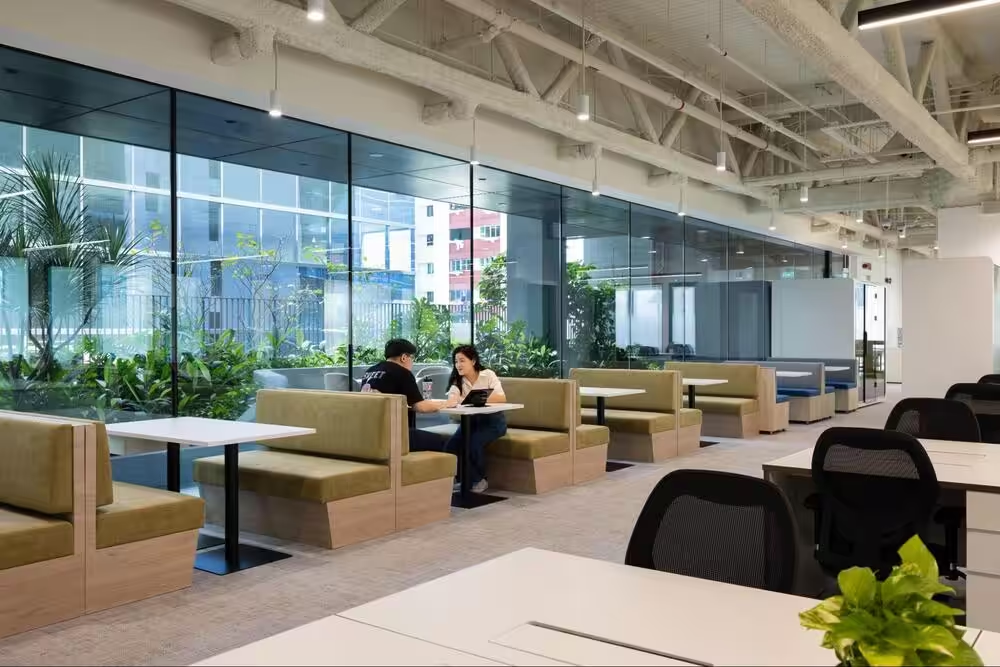
2. Key Natural Lighting Strategies for Office Design
Effective natural lighting in office design is not achieved by adding windows alone. It requires a structured approach that combines spatial planning, material selection, and environmental control.
2.1 Space Planning and Layout Optimisation
Space planning is the foundation of office daylight lighting. Without the right layout decisions, even offices with large windows fail to benefit from daylight.
Step 1: Identify the daylight zone
Start by mapping the daylight penetration depth. In most offices, effective daylight penetrates approximately 6–8 metres from the façade. This zone should be prioritised for regular work activities.
Step 2: Place workstations within the daylight zone
Position desks and shared work areas close to windows. Avoid locating storage, print rooms, or enclosed meeting rooms in these prime zones. This ensures that employees benefit directly from natural light throughout the day.
Step 3: Reduce solid visual barriers
Limit full-height opaque partitions. Use open-plan layouts or low partitions to allow daylight to travel deeper into the floorplate. This improves visual continuity and reduces contrast between bright and dark areas.
Step 4: Plan circulation to support light flow
Design main circulation paths parallel to windows rather than blocking them. Corridors that cut across daylight paths often waste usable light.
Step 5: Support internal zones with secondary strategies
For deep-plan offices or natural light for offices with no windows, introduce internal glazing, light wells, or borrowed light from adjacent spaces. These methods redistribute available daylight without structural changes.
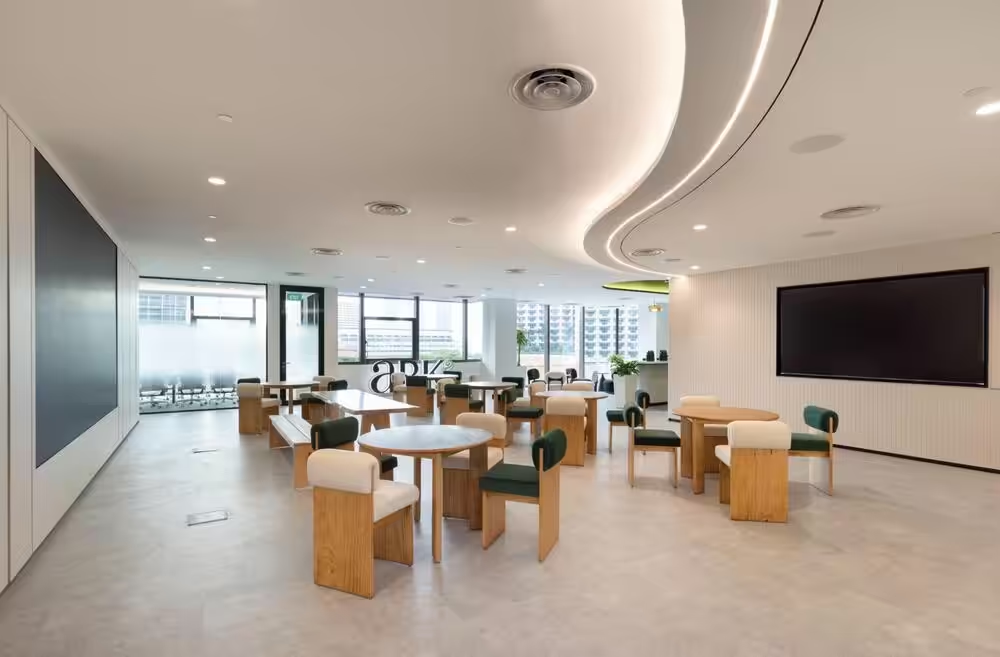
2.2 Glass Partitions and Transparent Materials
Glass is a critical tool for spreading daylight across an office. Used correctly, it balances light distribution, privacy, and acoustic performance.
Step 1: Replace opaque partitions with glass where possible
Use clear or lightly frosted glass for meeting rooms and private offices. This allows daylight to pass through while maintaining visual separation.
Step 2: Select the correct glass specification
Choose glazing based on function:
- Clear glass for maximum light transfer
- Frosted or patterned glass for privacy
- Low-E glass to reduce heat gain while maintaining daylight levels
Step 3: Control glare and reflections
Avoid placing glass directly opposite strong sunlight without shading. Combine glass with blinds or films to reduce glare on screens and work surfaces.
Step 4: Maintain acoustic performance
Use double-glazed or laminated glass where sound control is required. This preserves privacy without sacrificing light.
Step 5: Coordinate glass with lighting systems
Glass partitions work best when paired with circadian-supportive artificial lighting. This maintains consistent illumination in enclosed rooms during low-light periods.
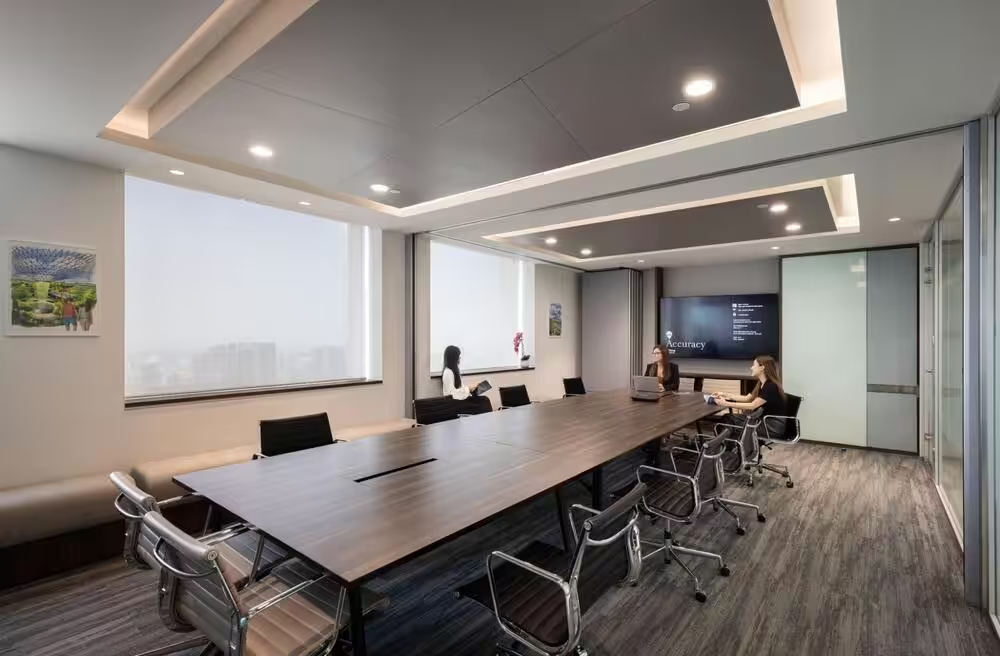
2.3 Window Design and Orientation
Windows determine both the quality and controllability of daylight, especially inSingapore’s tropical climate, window design must manage brightness and heat together.
Step 1: Understand building orientation
Identify sun paths and exposure. East- and west-facing windows require stronger glare control due to low-angle sunlight.
Step 2: Use external and internal shading
Install louvers, fins, or blinds to control direct sunlight. This prevents overheating and visual discomfort while maintaining daylight access.
Step 3: Specify performance glazing
High-performance glazing limits solar heat gain while supporting office daylight lighting. This reduces cooling loads and improves comfort.
Step 4: Balance window size and distribution
Larger windows are not always better. Evenly distributed openings often provide more usable daylight than single large glazed areas.
Step 5: Integrate artificial lighting controls
Link windows with daylight sensors and dimming systems. This ensures smooth transition between natural and artificial lighting throughout the day.
3. Natural Lighting in Different Office Areas
3.1 Workstations and Open Offices
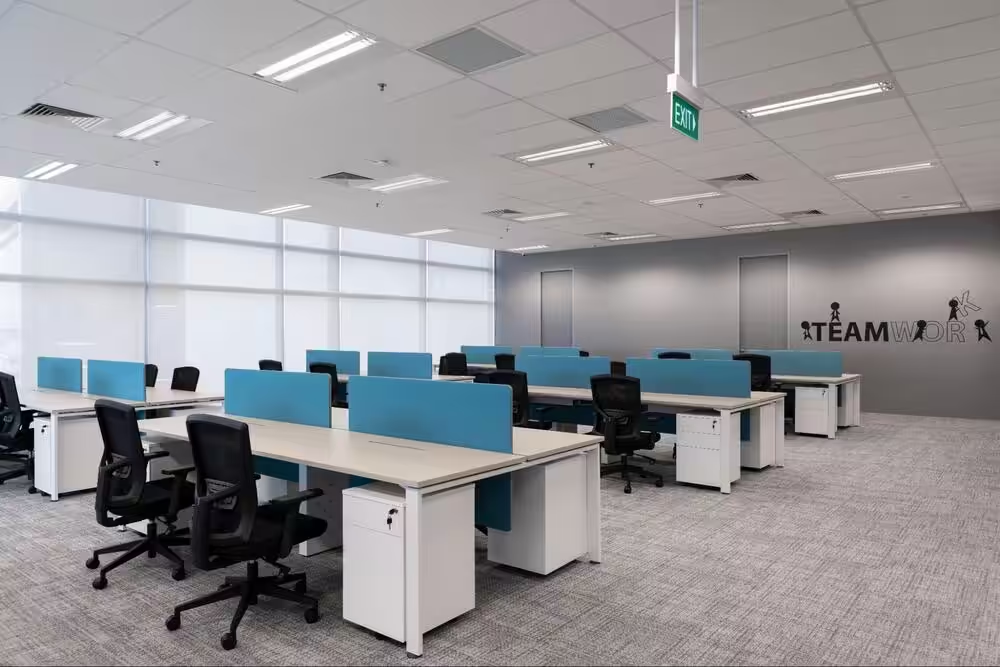
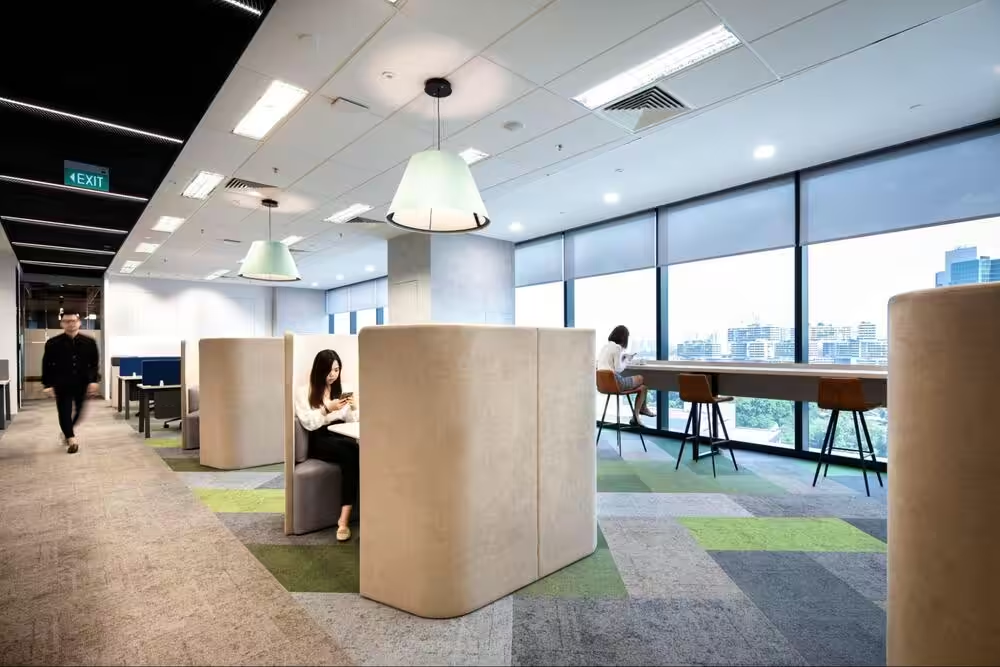
Workstations and open offices require stable and evenly distributed office daylight lighting to support prolonged focus and screen-based work, so daylight must be diffused rather than direct. Excessive brightness or glare causes eye strain and reduces concentration, while uneven lighting creates visual discomfort between different desk zones.
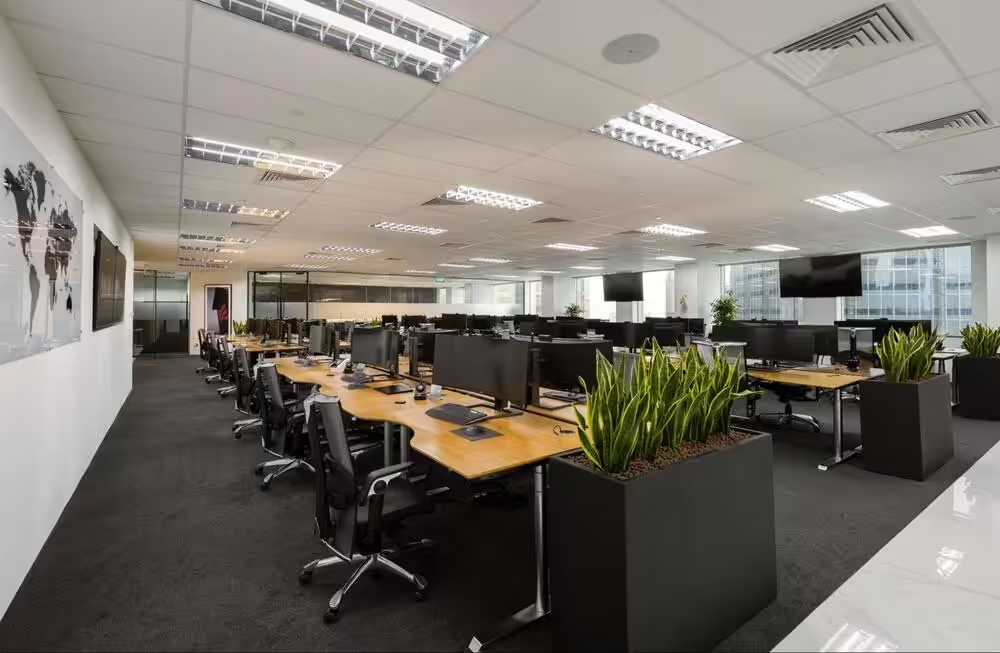
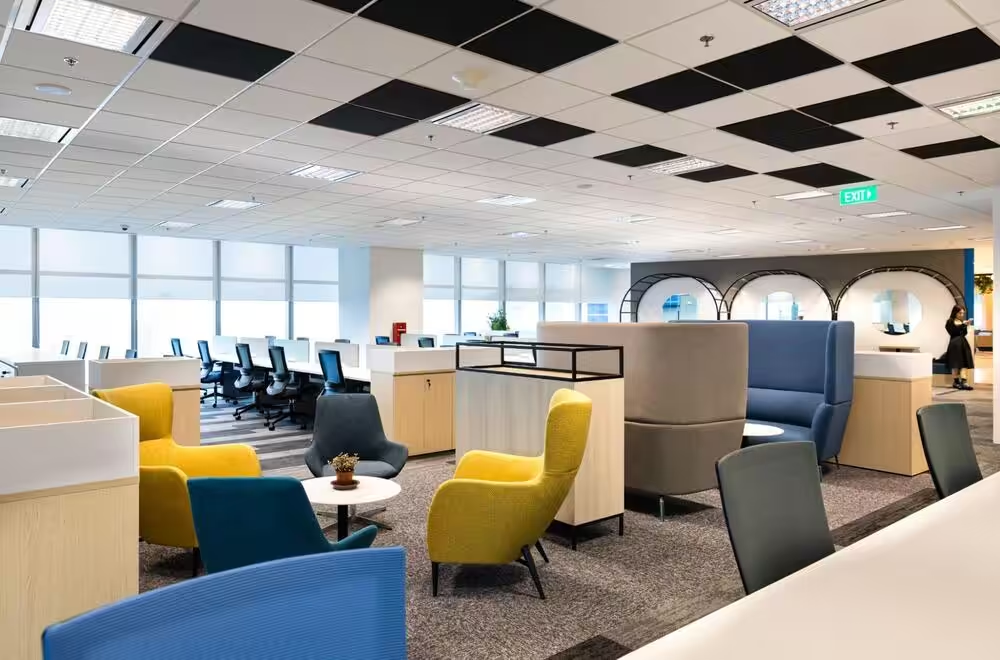
Successful open offices ensured shared daylight access, natural light in offices should avoid concentrating daylight only at perimeter desks. Instead, daylight should travel across the floorplate through open layouts and light-transmitting elements, supported by office lighting that mimics sunlight to maintain consistency during low-light periods.
3.2 Meeting Rooms
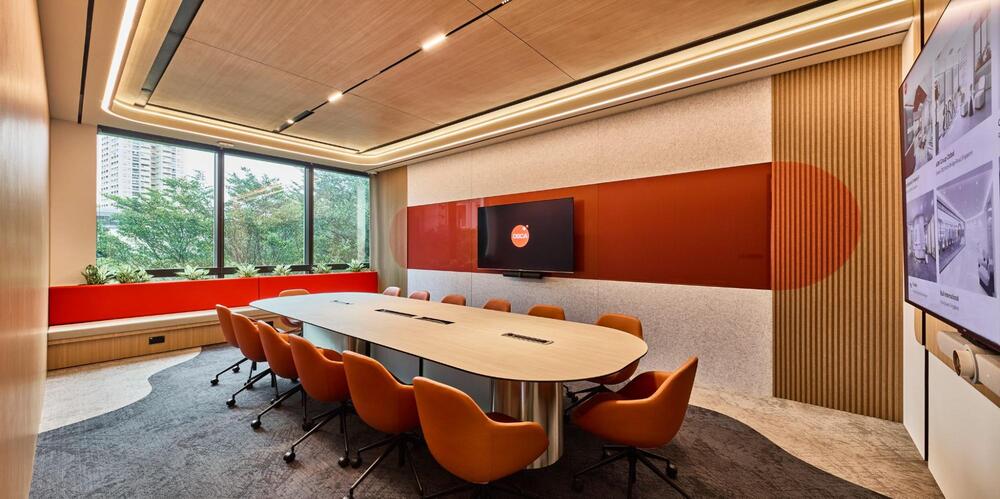
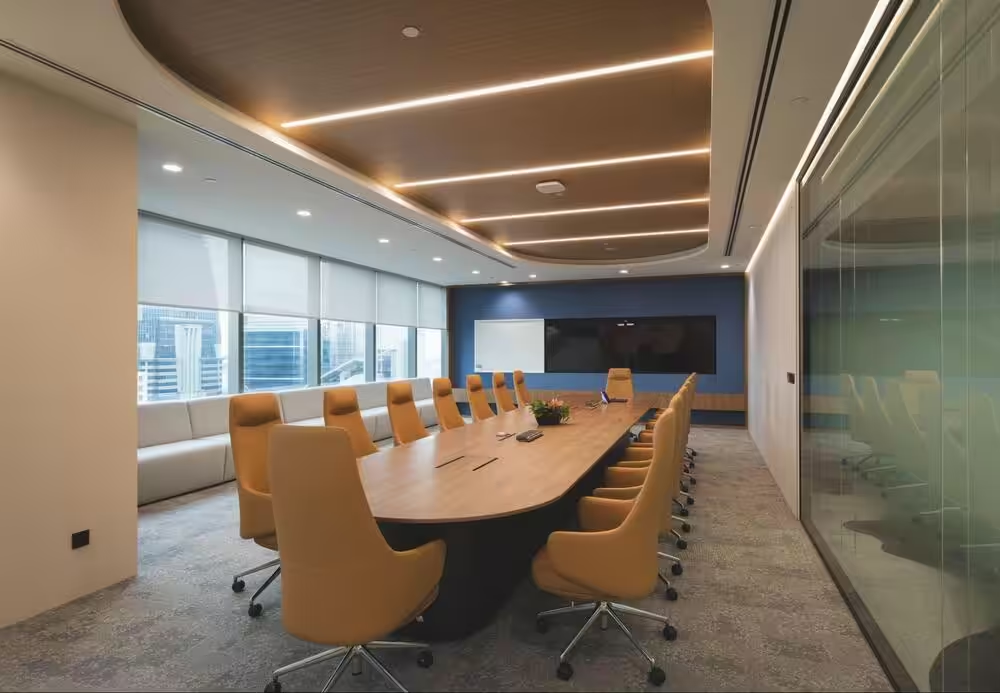
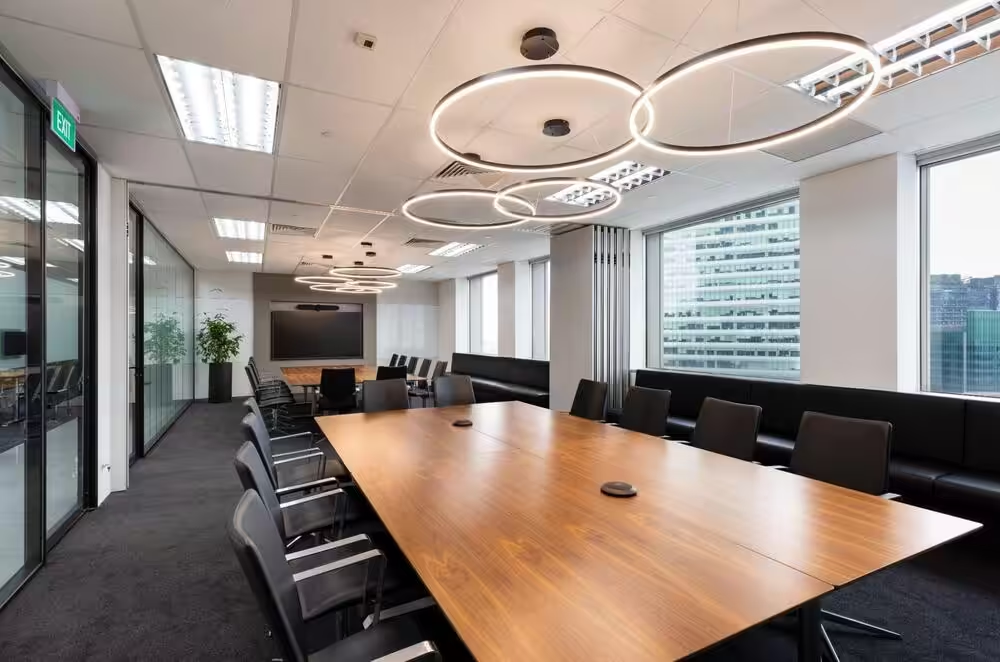
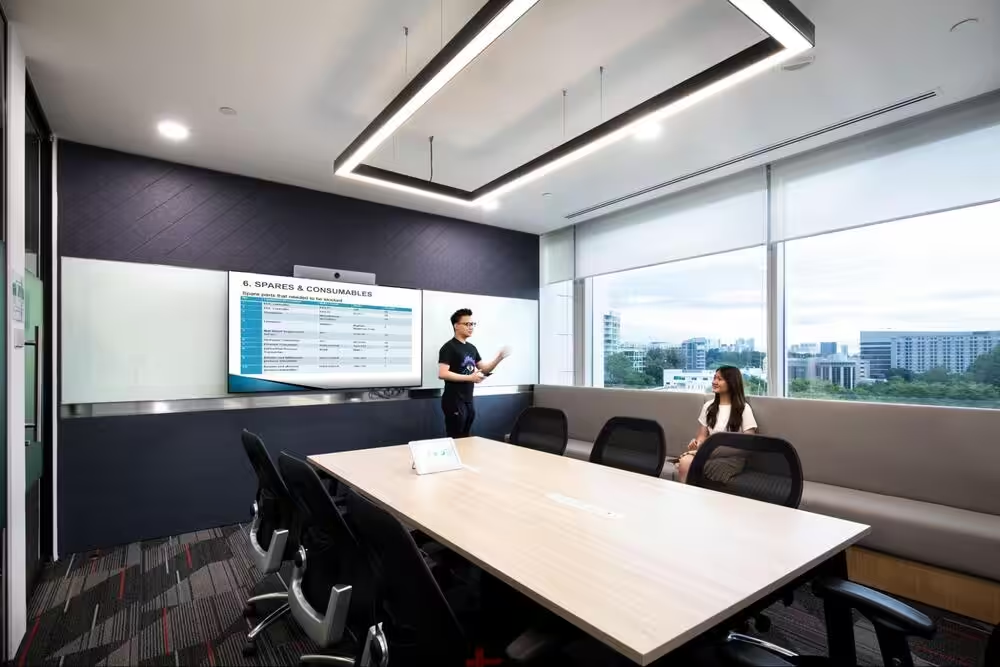
Meeting rooms benefit from daylight but require a higher level of control. Natural light in offices supports alertness and reduces fatigue during long discussions, yet unmanaged daylight can interfere with presentations and screens.
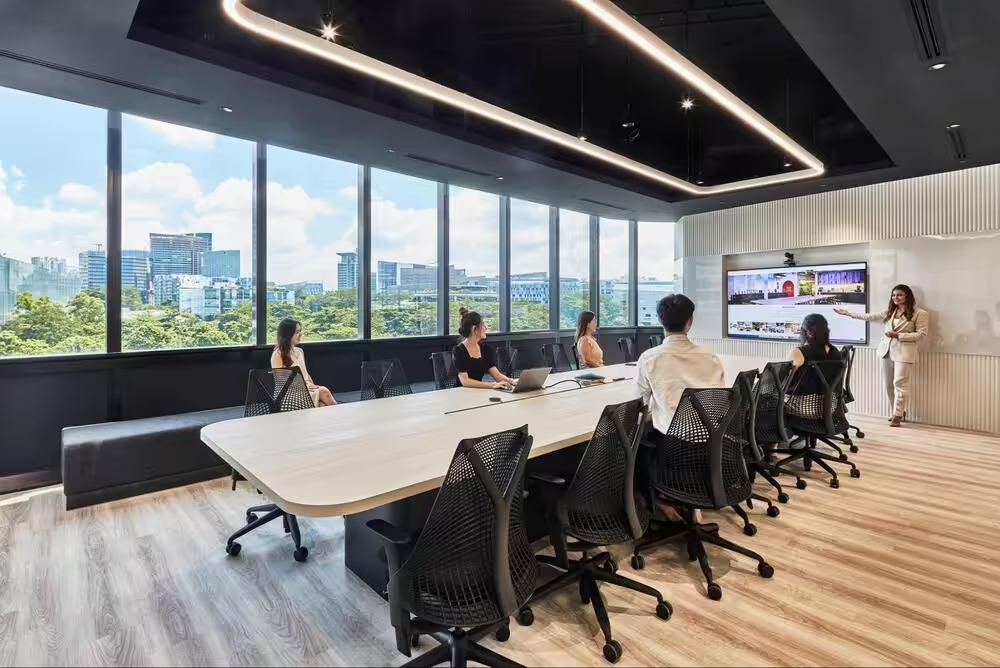
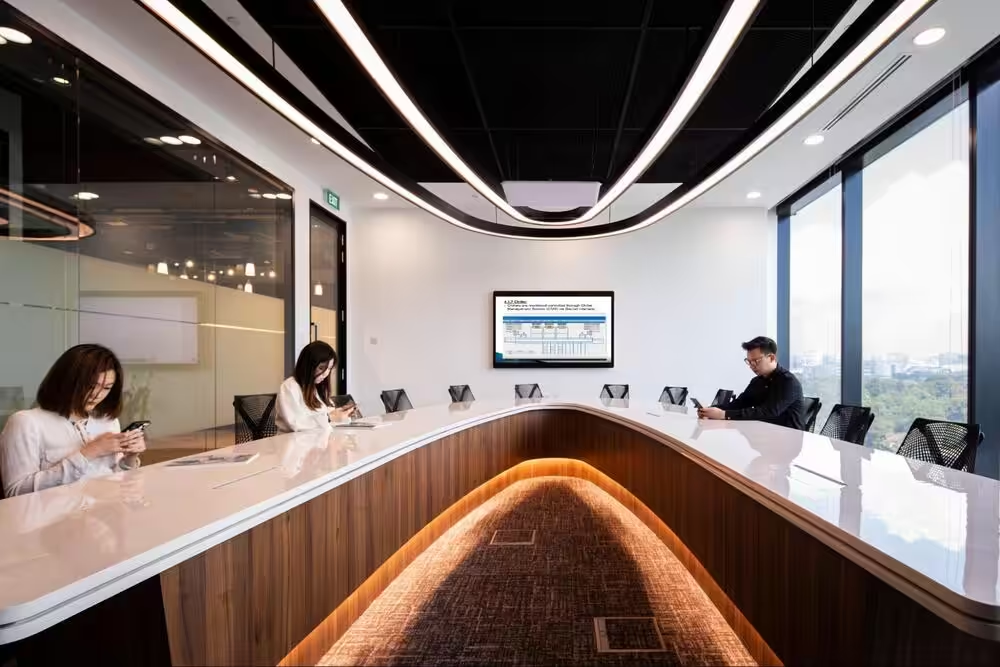
Glass partitions are commonly used to borrow daylight from adjacent spaces while maintaining enclosure. Adjustable shading and balanced artificial lighting ensure visual comfort across different meeting formats.
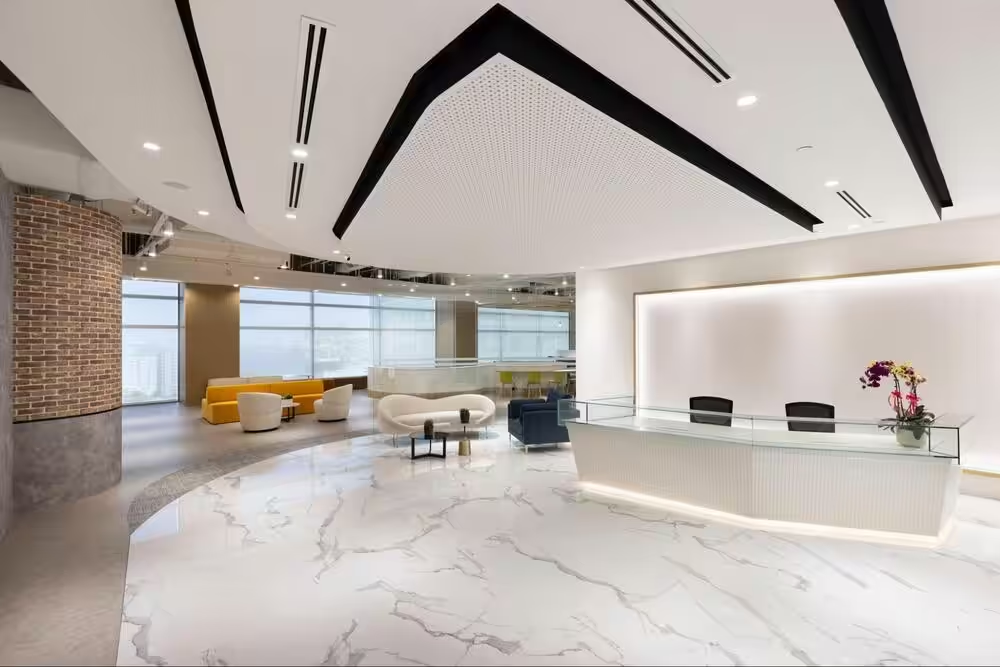
3.3 Reception and Client Areas
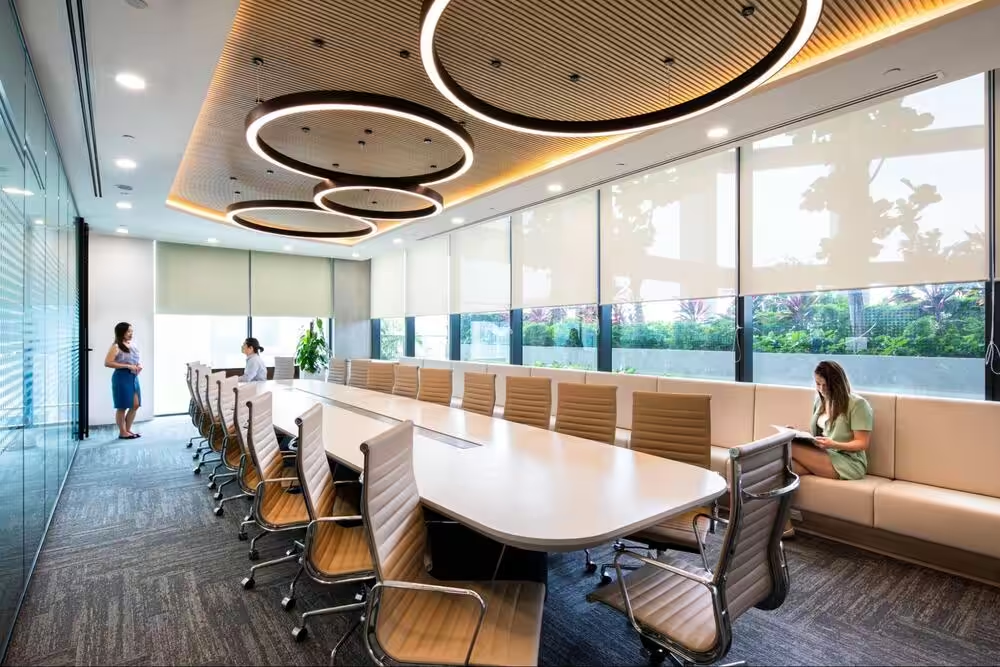
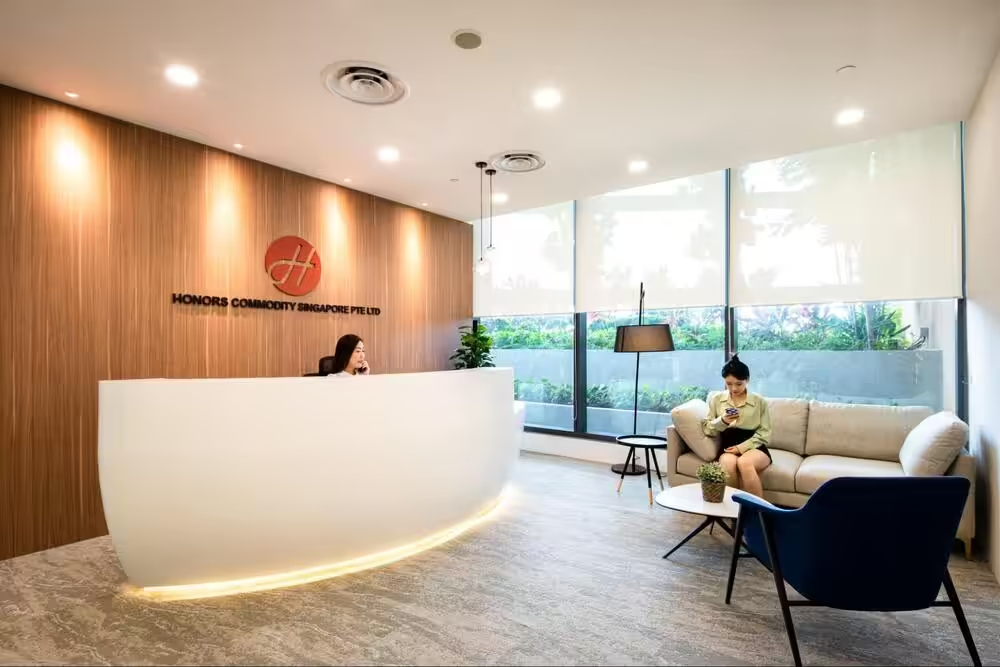
Reception and client-facing areas rely on daylight to shape first impressions. Natural light improves spatial clarity, highlights circulation, and communicates openness and professionalism. These spaces typically tolerate higher brightness levels than work areas, as they involve short-term occupancy rather than sustained tasks.
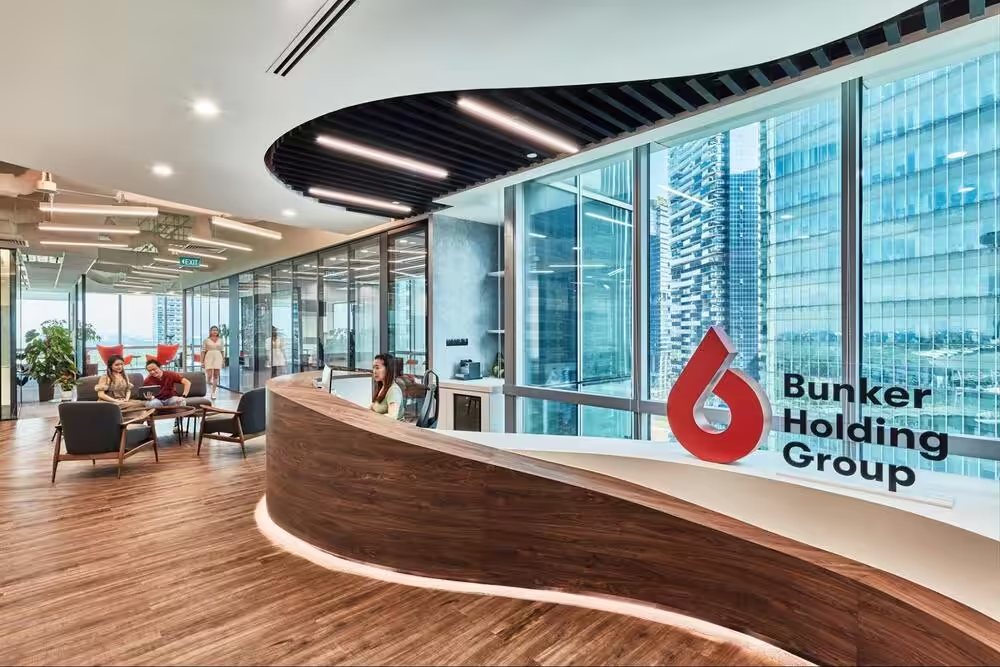
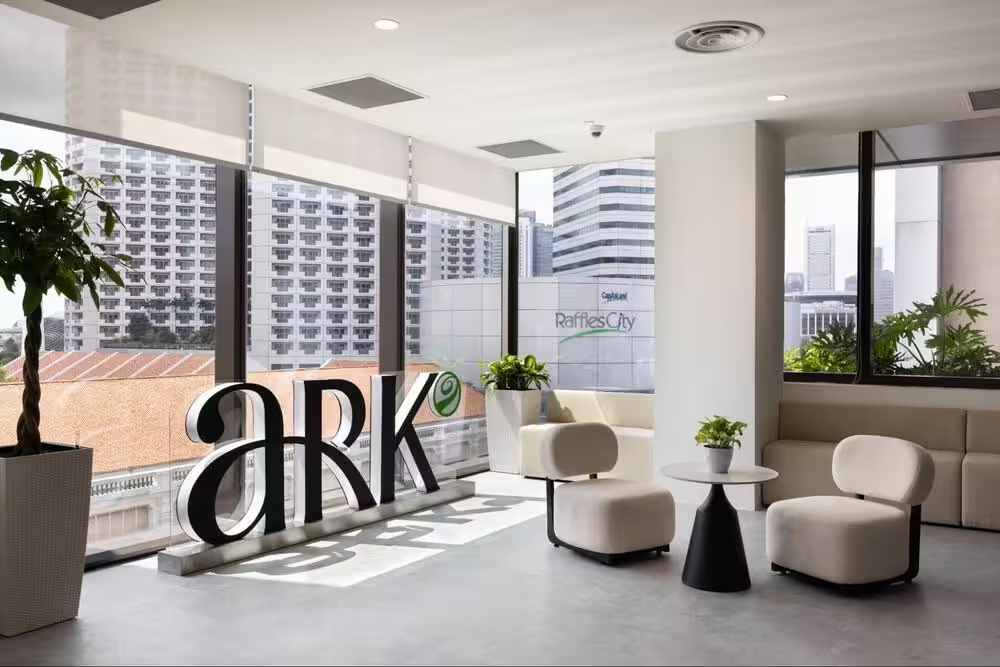
In an office with natural light, reception zones act as visual connectors between exterior and interior. However, glare at eye level must be avoided to ensure comfort for visitors. Office daylight lighting is often complemented by artificial lighting to maintain a consistent visual experience throughout the day.
3.4 Breakout & Collaboration Spaces
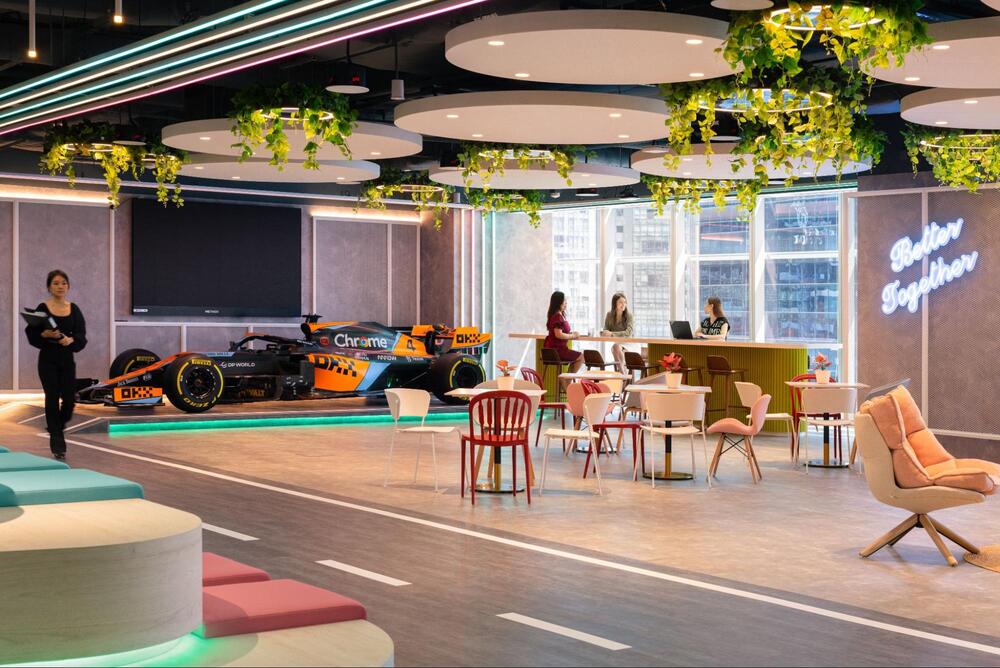
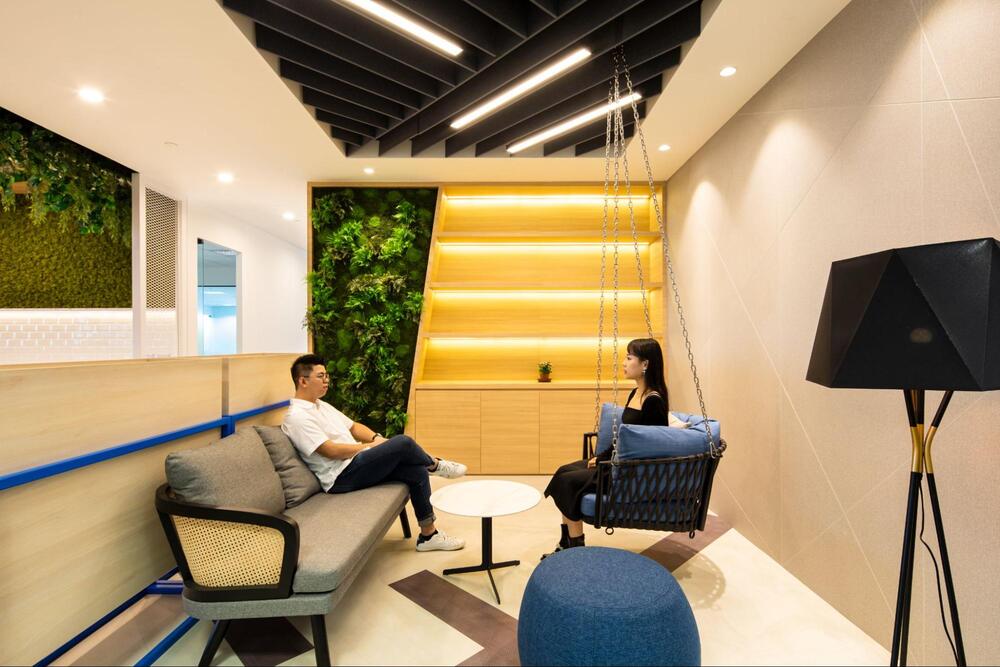
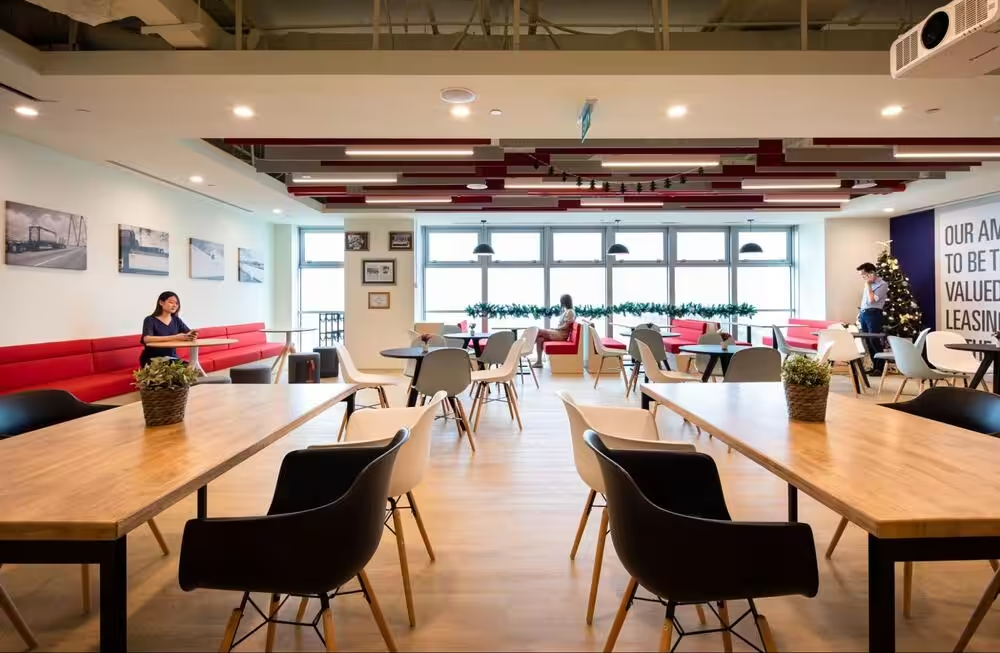
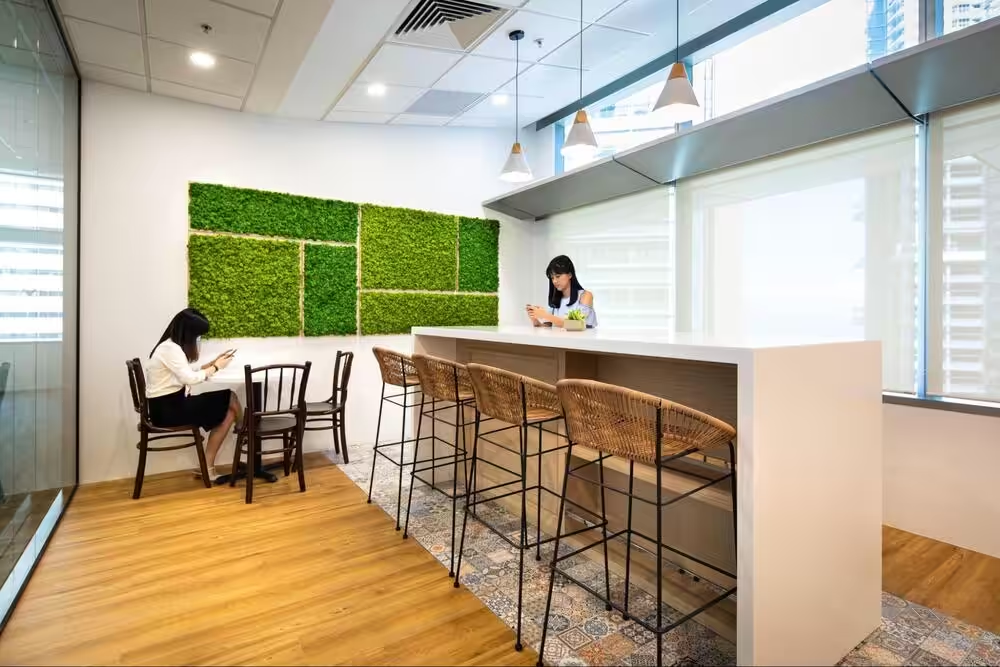
Breakout and collaboration spaces benefit from softer daylight that supports relaxation, informal interaction, and mental recovery. Unlike task-focused areas, these zones do not require high light precision, but they benefit strongly from visual connection and natural rhythm.
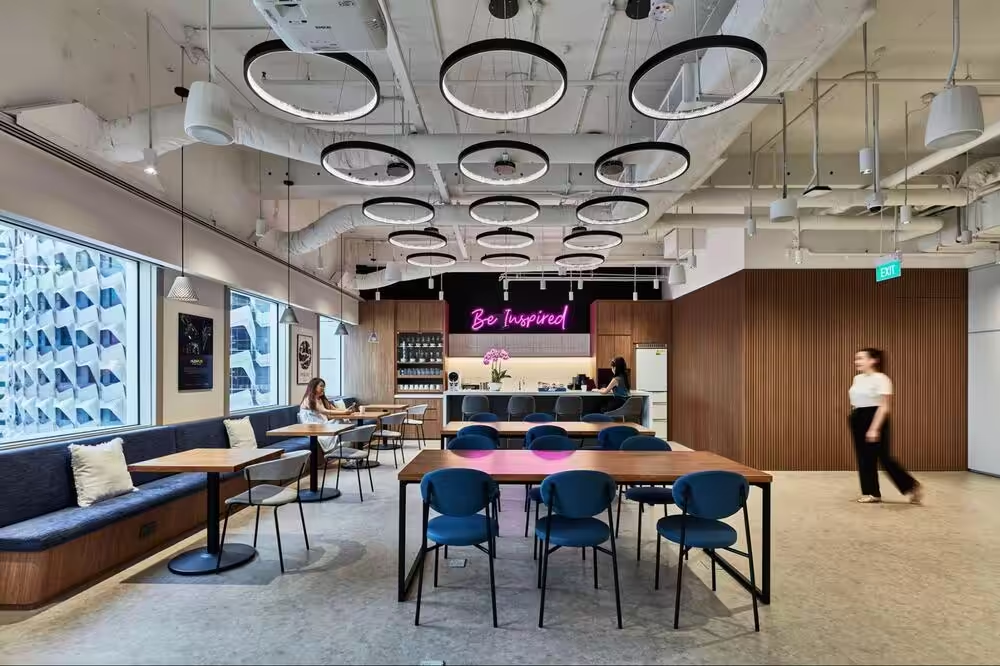
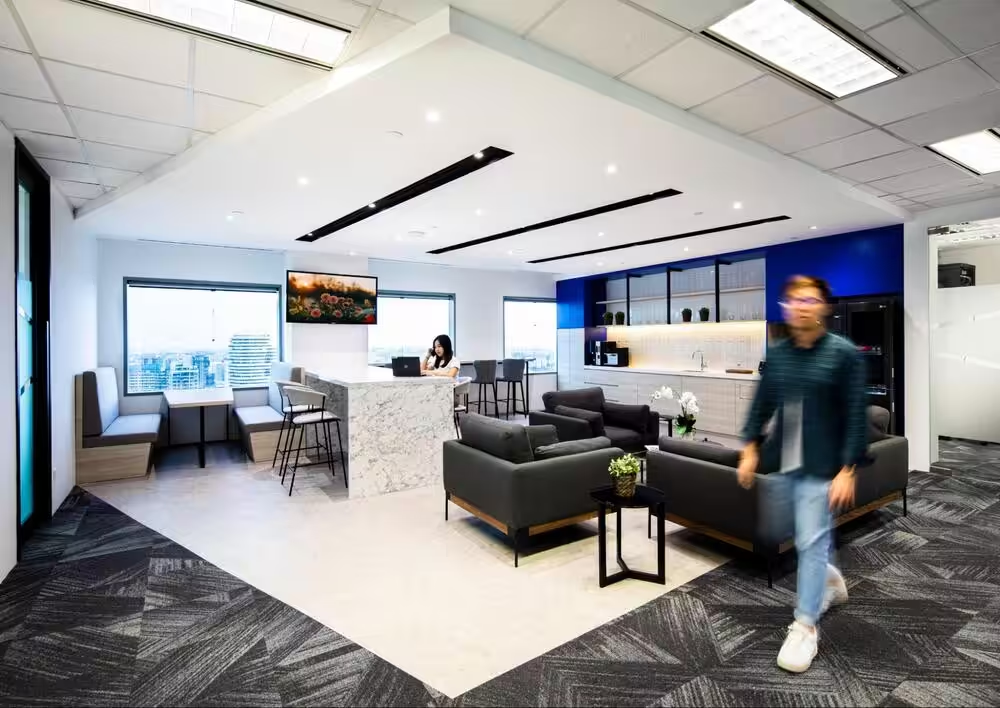
In deeper floorplates, natural light for offices with no windows is often shared from adjacent areas through glazed boundaries. When daylight is limited, office lighting that mimics sunlight helps maintain circadian balance and prevents abrupt changes in lighting conditions, supporting comfort and prolonged use.
Natural lighting in office design plays a critical role in shaping productive, healthy, and sustainable workplaces. In Singapore, where density and climate present unique challenges, successful daylight integration requires careful planning, technical coordination, and environmental control.
OSCA specialises in designing office environments that optimise natural light while aligning with business objectives, operational needs, and sustainability goals. If you are planning a new workplace or upgrading an existing office, partnering with OSCA ensures daylight becomes a performance advantage—not just a design feature.