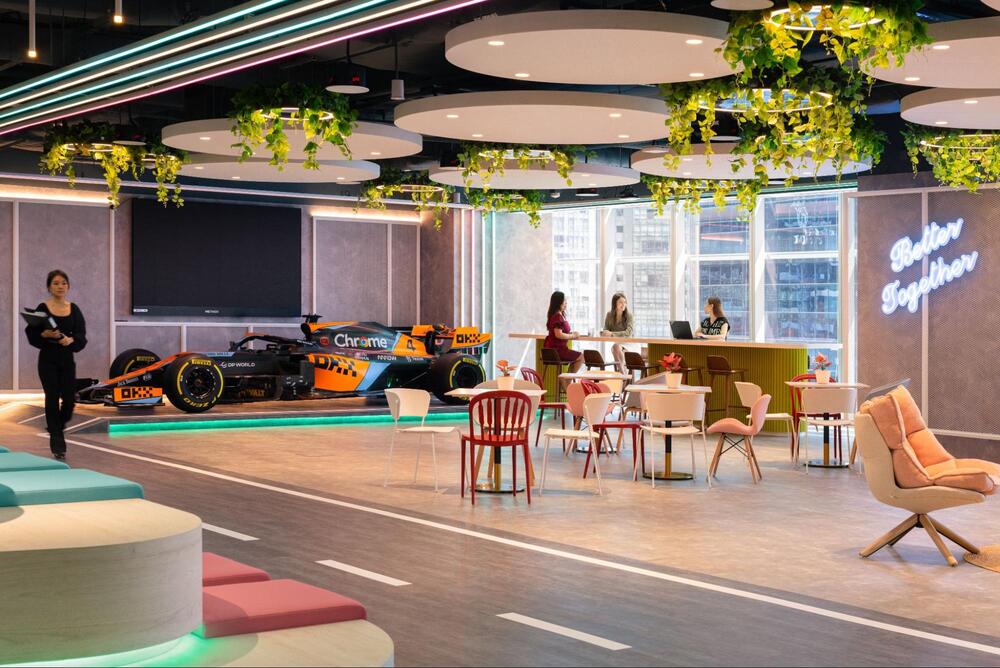
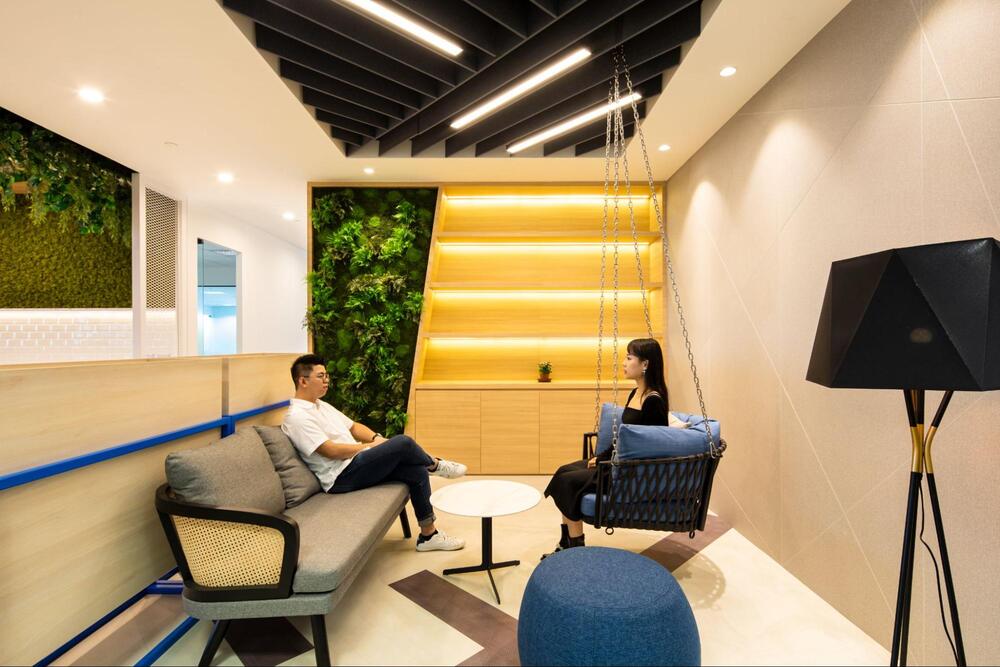
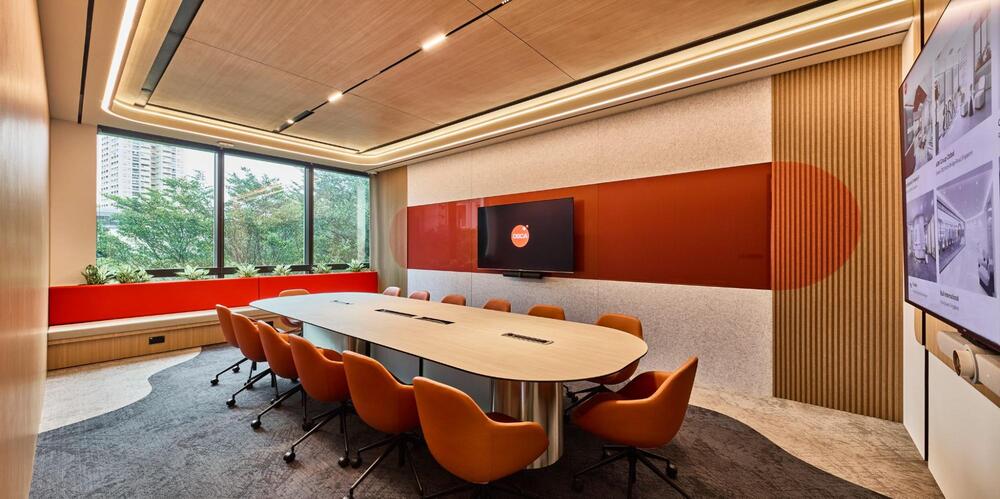
In contemporary workplace design, back wall design for office environments is no longer a purely decorative exercise. The back wall plays a central role in shaping spatial experience, communicating brand identity, and supporting how people move, work, and interact within the office. This OSCA article outlines the most common approaches to office back wall design solutions and explains how they can be applied across different office areas.
Contents
1. Popular Back Wall Design Ideas for Office
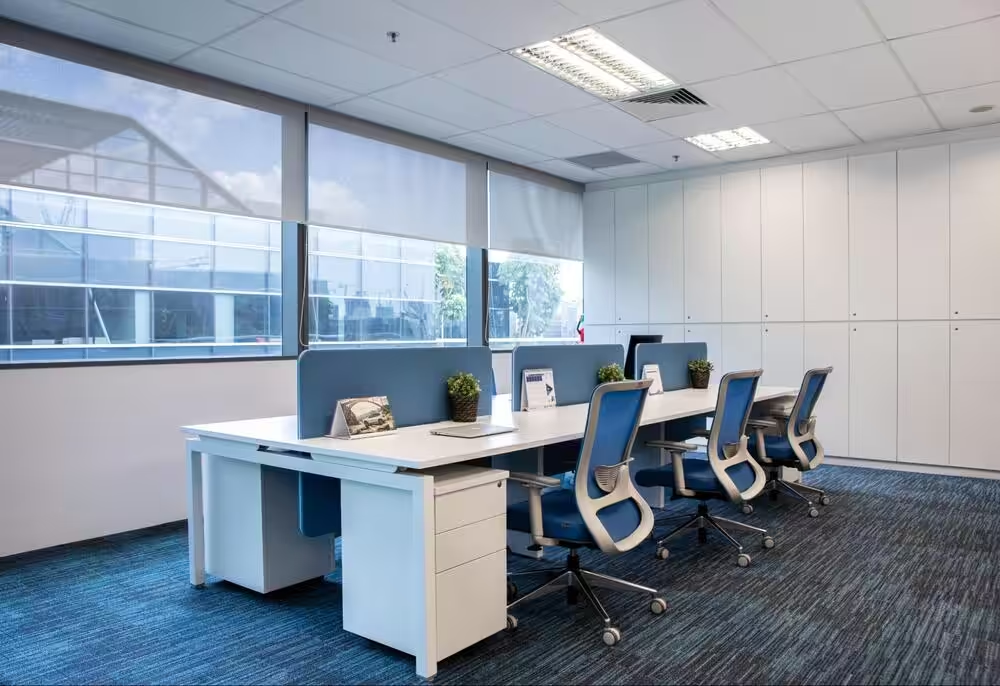
1.1 Minimalist Back Wall Design
A minimalist approach suits organisations that value clarity, speed, and focus. This back wall design for office style uses simple geometry, controlled colour palettes, and limited materials to support a clean working environment. It is common in startup offices, technology firms, and shared workspaces.
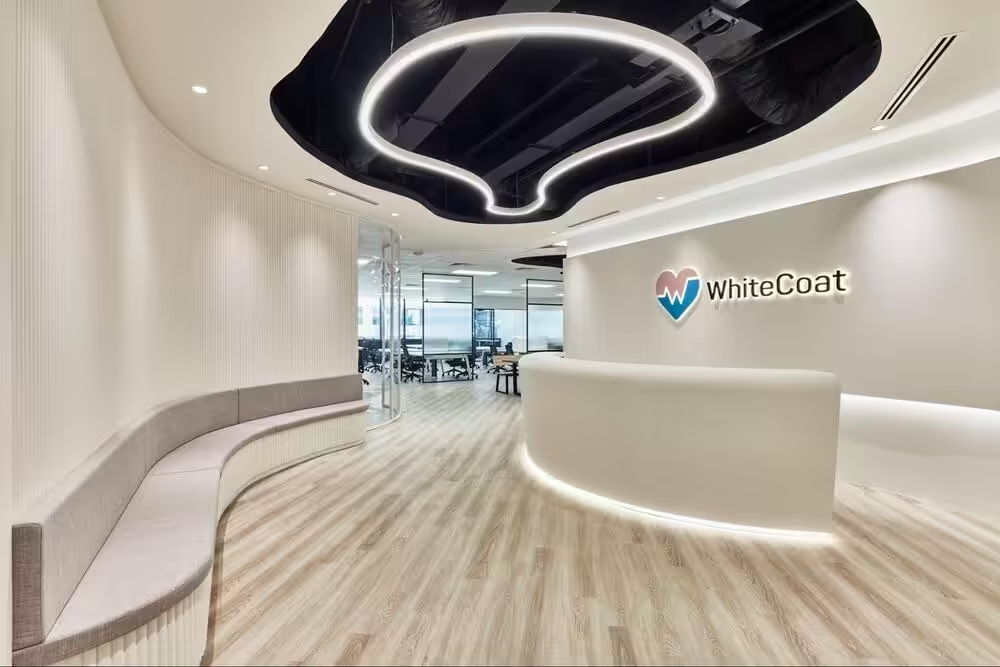
How to implement a minimalistic office back wall design step by step:
- Select a neutral base colour: Use white, light grey, or warm beige as the main wall finish. These tones reflect light evenly and reduce glare.
- Limit materials to one or two types: Painted plasterboard or seamless panels work well. Avoid mixing textures unless required for acoustic control.
- Define clean lines: Use vertical or horizontal grooves, shadow gaps, or slim trims. Keep spacing consistent across the wall.
- Integrate lighting carefully: Install concealed LED strips at ceiling or wall edges. Ensure colour temperature matches general office lighting.
- Control branding elements: If a logo is required, use flat lettering or subtle relief. Avoid oversized graphics that dominate the space.
1.2 Corporate Branding Back Wall Design
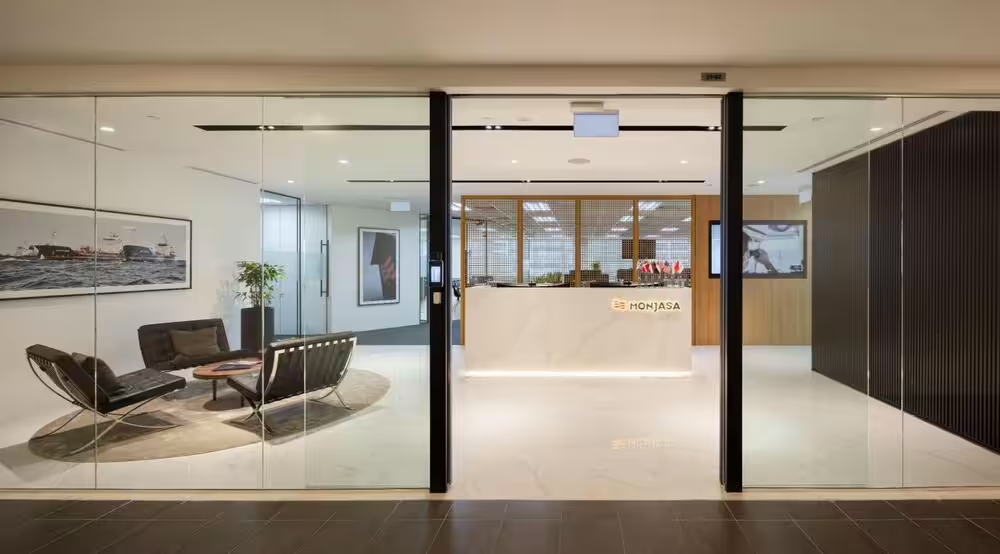
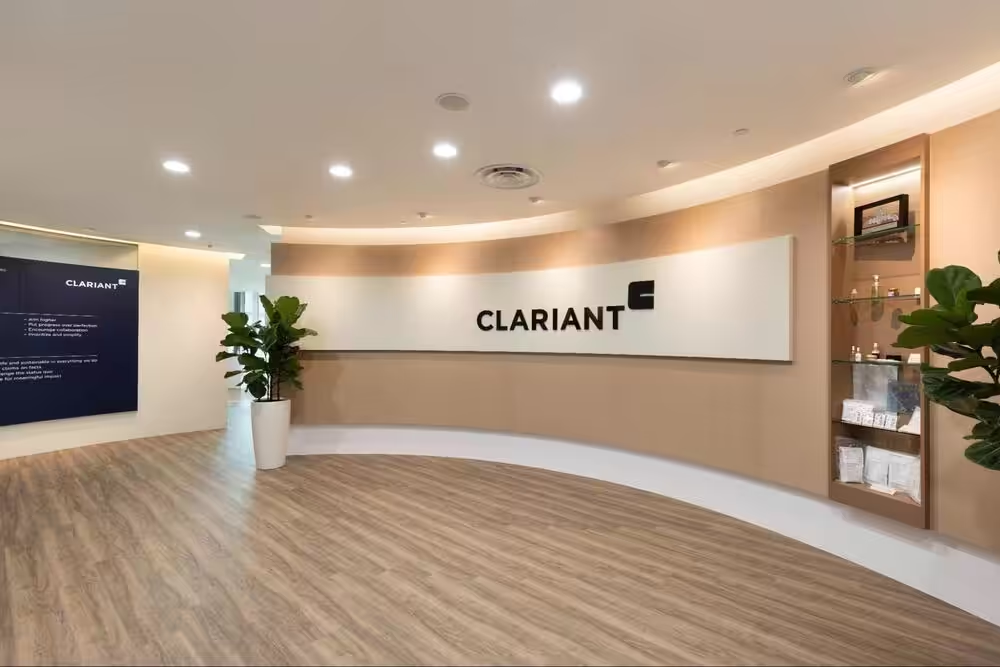
A corporate branding wall is often placed at reception or key visitor areas. This office reception back wall design communicates credibility and brand identity within seconds. It must be precise, readable, and aligned with corporate guidelines.
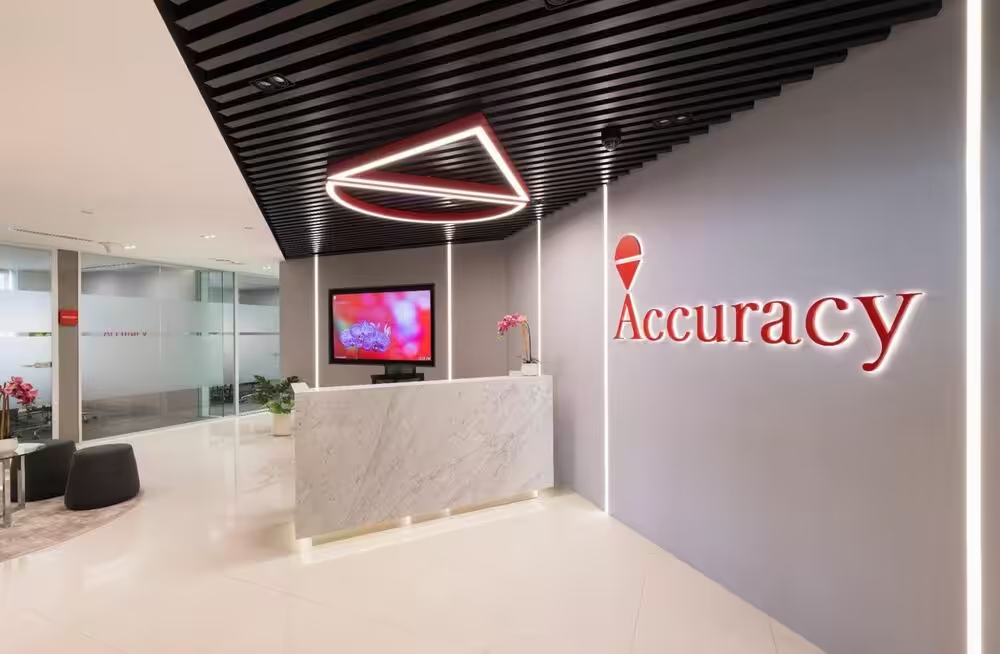
Practical steps to create a branding-focused back wall:
- Confirm brand assets: Use approved logo files, colours, and typefaces. Avoid redesigning brand elements at the wall stage.
- Choose a durable background finish: Common options include stone veneer, engineered timber panels, or painted MDF. Select based on foot traffic and cleaning needs.
- Position the logo correctly: Centre the logo at average eye level from the main entry point. Test sightlines before final fixing.
- Use dimensional lettering where possible: Metal or acrylic letters add depth without clutter. Fix them with concealed mounts for a clean result.
- Add controlled accent lighting: Backlighting or top-down spotlights improve visibility without causing reflections in photos or video calls.
- Coordinate with reception furniture: The counter height, finish, and width should align with the wall composition.
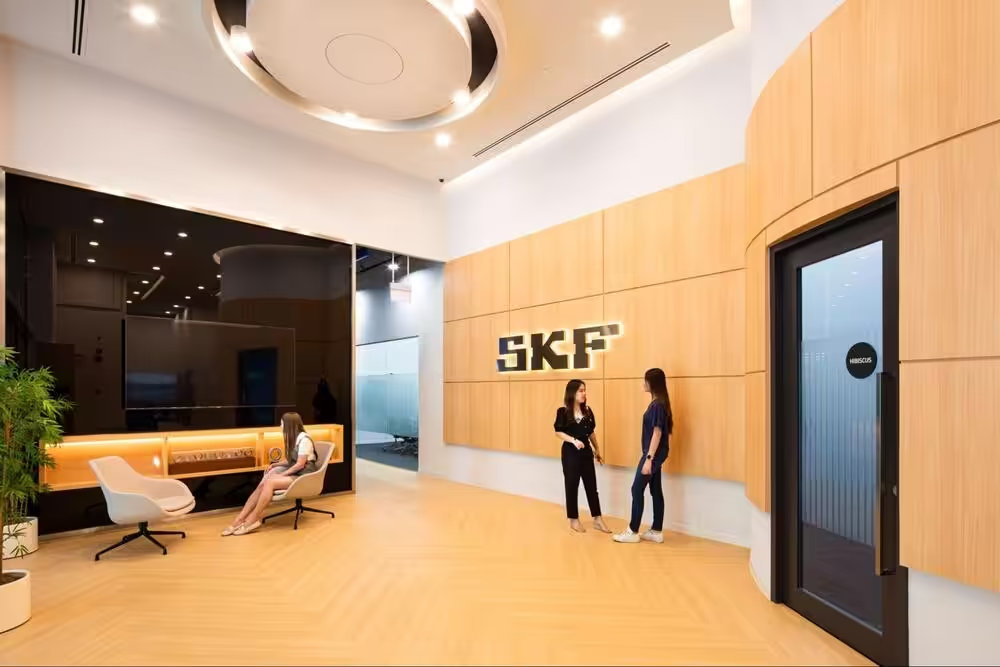
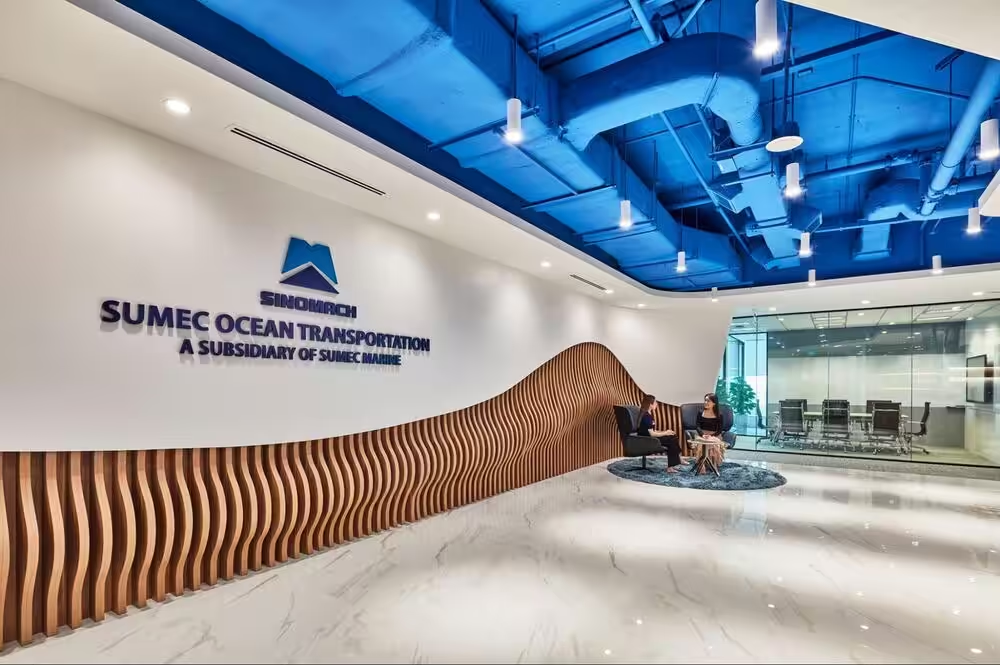
1.3 Textured & 3D Wall Design
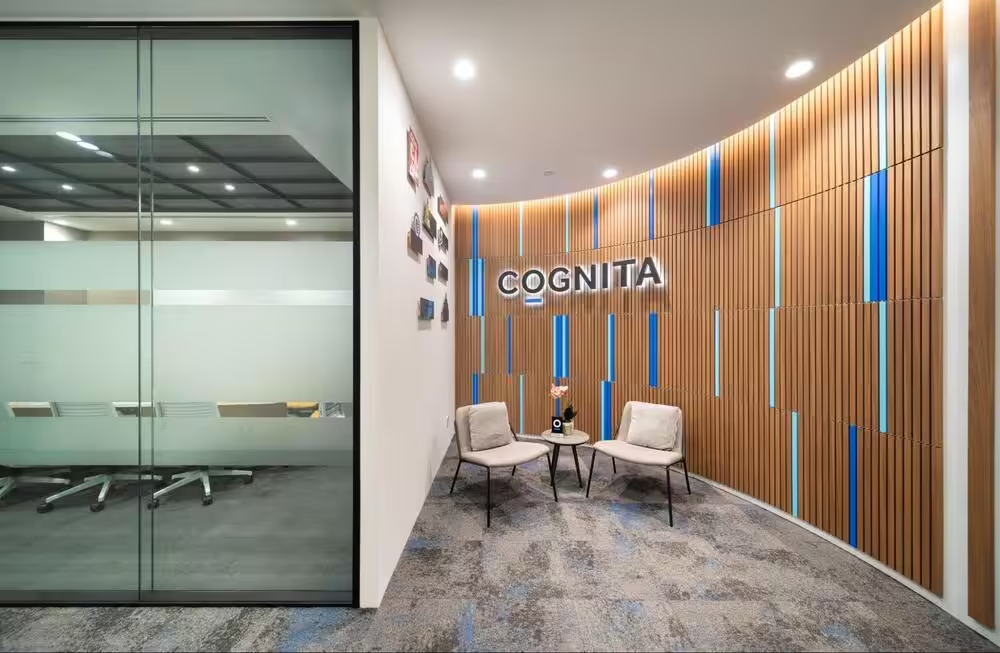
Textured and three-dimensional walls add depth to large or visually flat spaces. This office back wall design is effective in corridors, collaboration zones, and waiting areas where visual interest supports engagement.
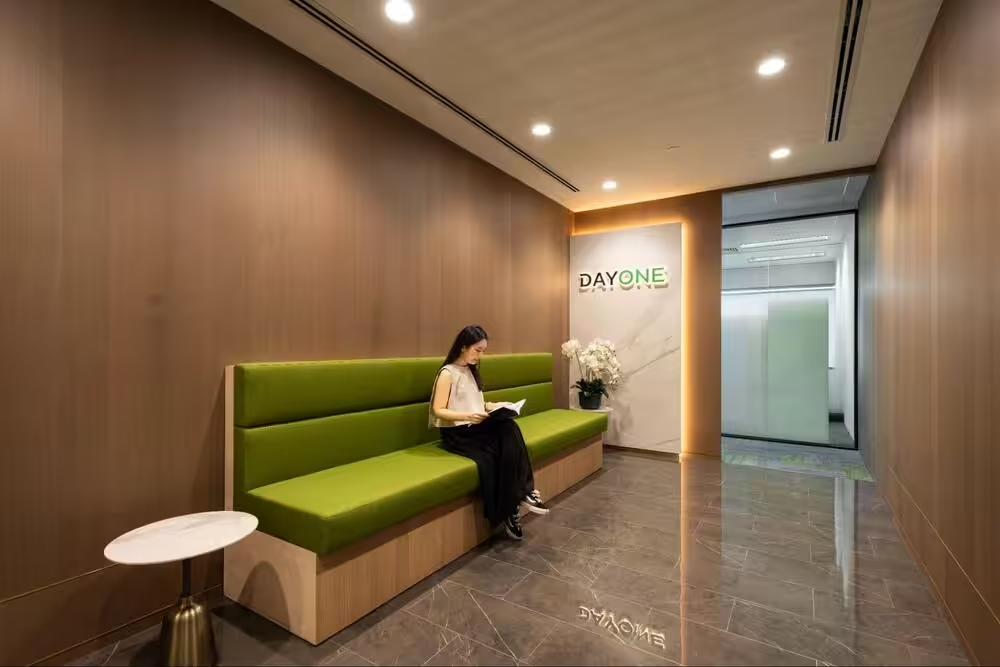
Implementation process:
- Select the right texture type: Options include timber slats, CNC-cut panels, stone tiles, or modular 3D panels. Choose based on acoustic and fire-rating needs.
- Check wall loading capacity: Confirm fixing methods with contractors to avoid overloading partitions.
- Plan modular layouts: Use repeatable panel sizes to simplify installation and future repairs.
- Balance texture with lighting: Grazing light highlights depth. Avoid strong direct lighting that creates harsh shadows.
- Maintain colour control: Keep tones consistent to prevent visual overload.
1.4 Digital & Media Back Wall Design
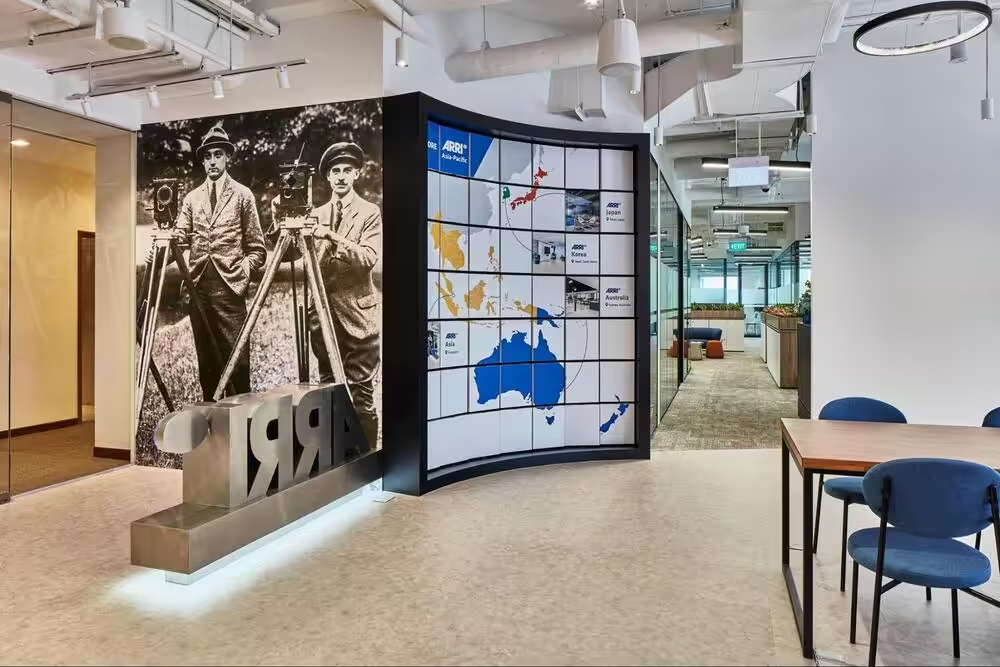
A digital solution is one of the most practical office back wall design ideas for organisations that depend on communication and data. This office back wall design transforms a static surface into a functional interface that supports meetings, presentations, and internal messaging. It is commonly applied in technology firms, media agencies, and creative workplaces. To be effective, a digital office back wall design must remain clear, stable, and easy to manage. Overdesigned digital walls often cause glare, visual fatigue, or maintenance issues.
Step-by-step implementation:
- Define the primary function: Decide whether the wall is for presentations, dashboards, or branded content. Limit the content type to maintain focus.
- Select suitable display technology: Choose LED walls or commercial-grade screens based on viewing distance and daily usage.
- Plan sightlines and screen height: Ensure content is visible from key circulation and seating positions without obstruction.
- Integrate concealed power and data: Route cables within the wall and provide dedicated power points that meet safety standards.
- Control lighting conditions: Avoid direct light on screens. Use indirect lighting to reduce reflections.
- Design a neutral surround: Keep finishes simple around the screen to support a balanced office interior back wall design.
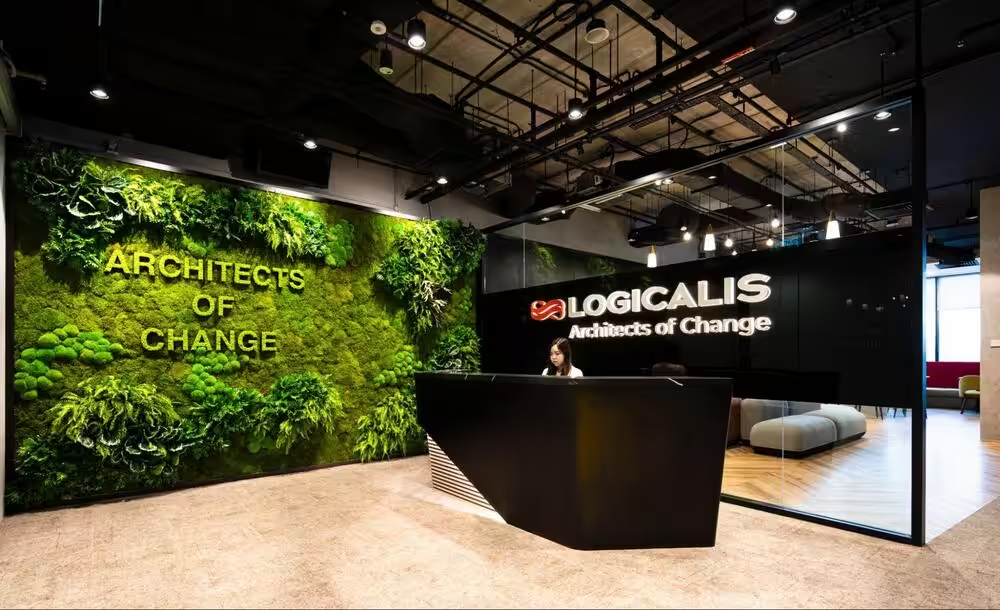
1.5 Biophilic Back Wall Design
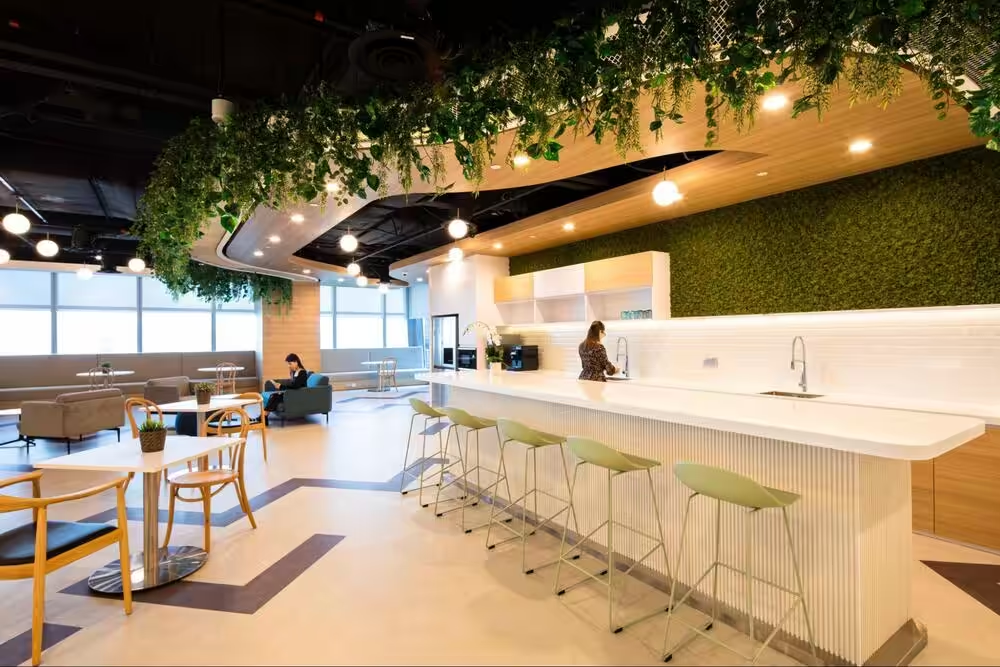
Biophilic design integrates natural elements to support wellbeing and focus. This back wall design for office approach introduces greenery and natural materials without major structural changes. It is effective in offices with limited daylight or outdoor views. A biophilic office back wall design is most successful when it balances visual calm with practical maintenance.
Step-by-step implementation:
- Select the greenery system: Choose live plants for high impact or preserved greenery for low maintenance.
- Prepare wall protection: Install waterproof layers and drainage where live plants are used.
- Combine with natural materials: Use timber, stone, or clay finishes to support a cohesive office interior back wall design.
- Plan appropriate lighting: Provide sufficient light for plant health without increasing glare.
- Position the wall carefully: Place it in lounges, collaboration zones, or breakout areas rather than high-traffic paths.
- Define maintenance routines: Assign clear responsibility for plant care to maintain long-term quality.
2. Back Wall Design for Different Office Areas
2.1 Reception Back Wall Design
The reception area is the most visible space in any office. The office reception back wall design must deliver instant brand recognition and a sense of order. This wall usually acts as a visual anchor, framing the reception counter and directing visitor attention.
Designs typically include corporate logos, brand colours, or textured materials that convey credibility. Materials should be durable and resistant to wear, as this area experiences constant use. Lighting plays a central role. Poorly placed lights can cause glare on logos or create uneven shadows.
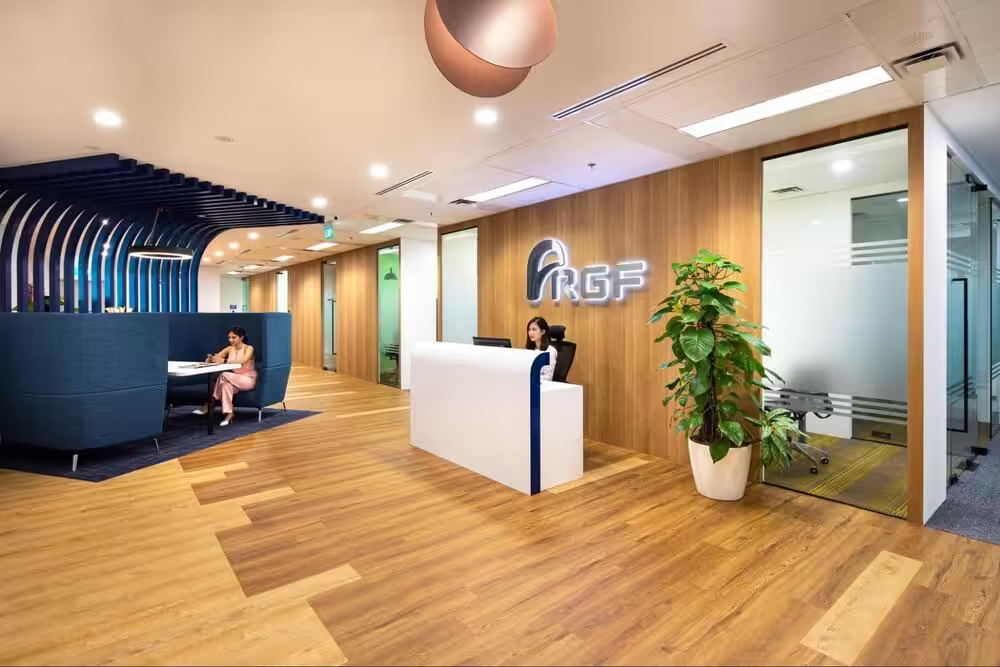
Key considerations include:
- Clear logo visibility from main entry points
- Balanced lighting without reflections
- Materials that align with brand positioning
- Proportion between wall width and reception counter
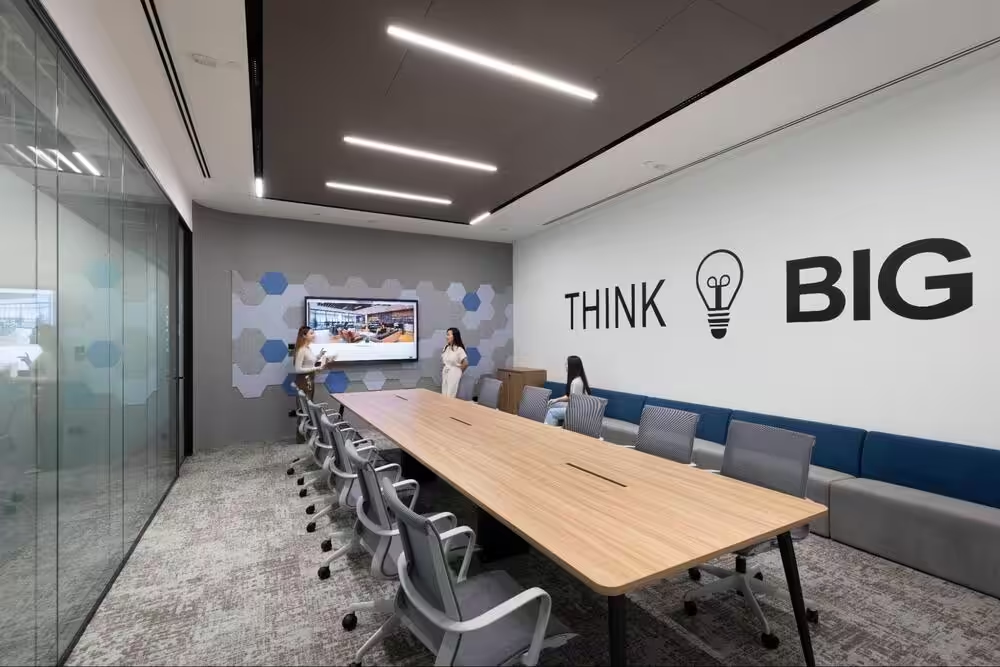
2.2 Meeting Room Back Wall Design
Meeting rooms require restraint. The office back wall design should support concentration and communication rather than attract attention. Overly decorative walls often distract participants and reduce meeting efficiency.
Common treatments include calm colour palettes, acoustic panels, or integrated presentation surfaces. Texture should be subtle and controlled. If screens are installed, surrounding finishes should remain neutral to keep focus on content.
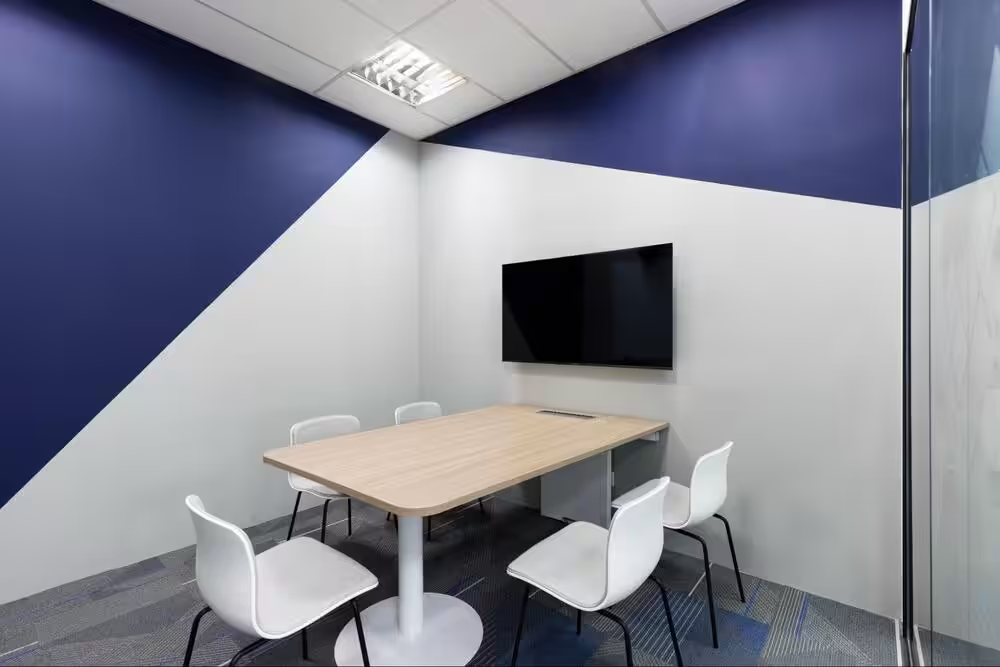
Important points to note:
- Avoid strong patterns or high-contrast colours
- Integrate acoustic treatments discreetly
- Maintain visual balance behind presenters
- Prevent light reflections on screens
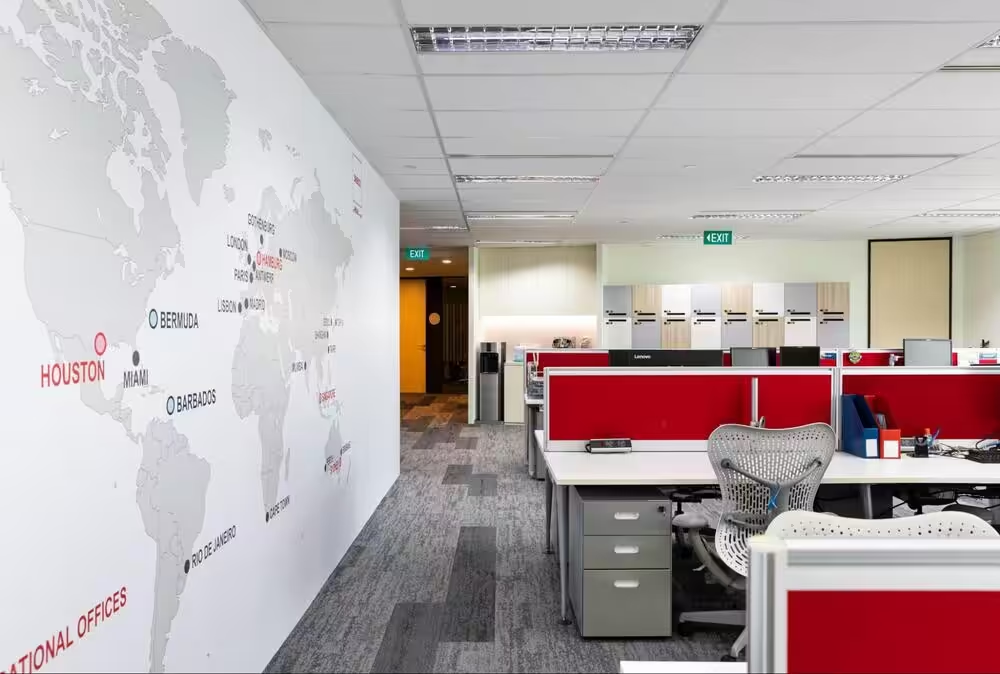
2.3 Open Office Back Wall Design
In open-plan areas, the office back side wall design helps organise space visually. These walls often run behind workstations or along main circulation paths, making consistency critical.
Designs should align with workstation modules and circulation flow. Colour may be used to define zones, but changes should remain subtle to avoid visual fragmentation. Functional surfaces such as pinboards or writable panels are common, provided they do not create clutter.
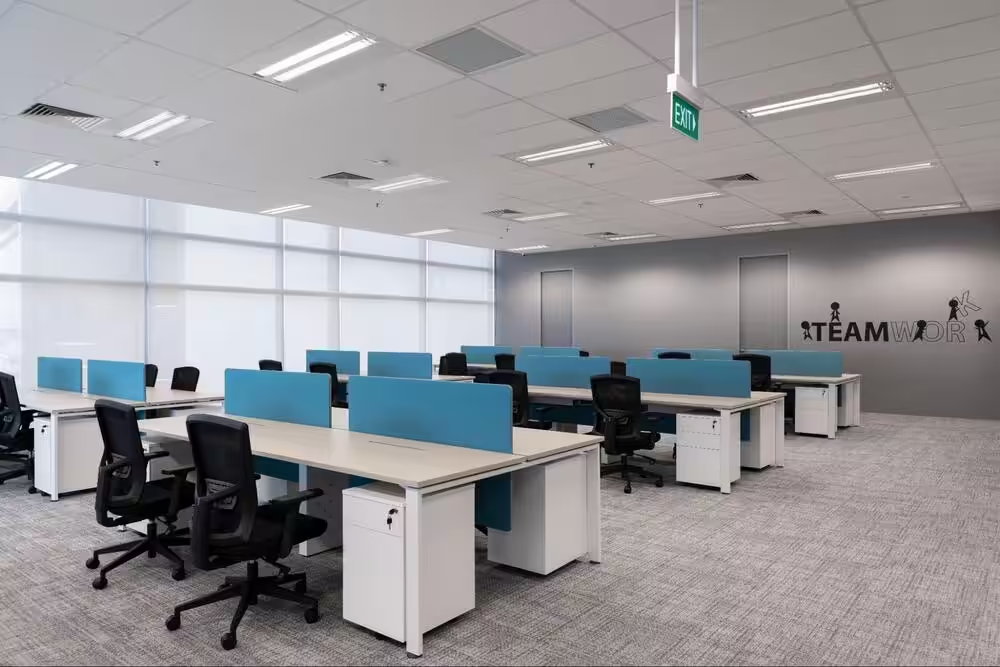
Design considerations include:
- Visual continuity across large wall lengths
- Matte finishes to reduce glare
- Subtle zoning without visual overload
- Flexibility for future layout changes
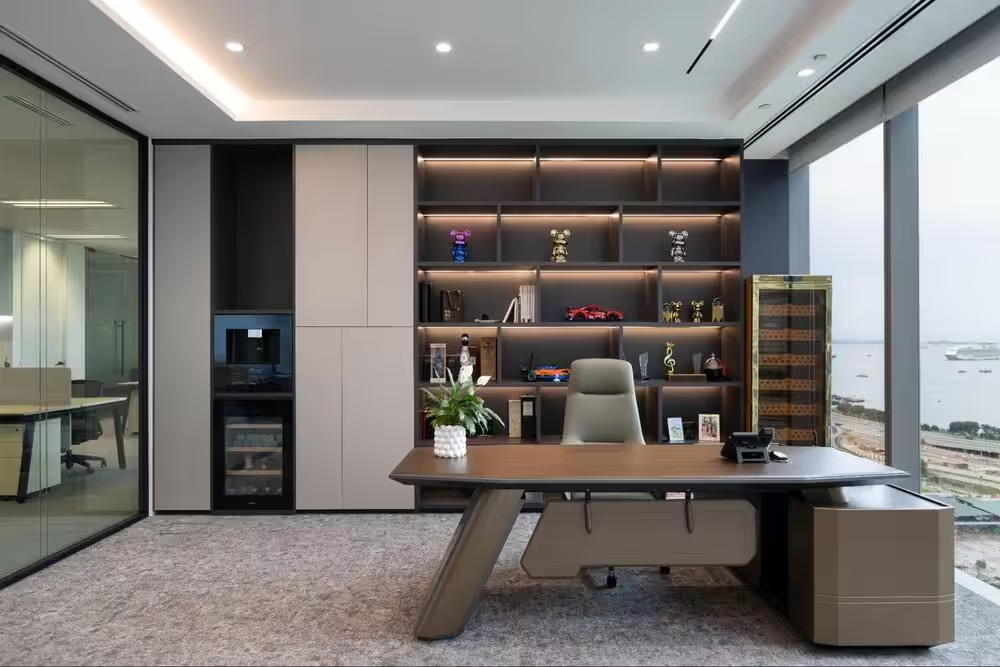
2.4 Executive Office Back Wall Design
The executive office wall conveys authority and responsibility. This office back wall design should feel deliberate and composed, without appearing excessive. Typical solutions include timber panels, refined stone finishes, or integrated shelving. Branding is usually restrained. Symmetry and proportion are critical, as the wall often sits directly behind the executive desk and appears in meetings or video calls.
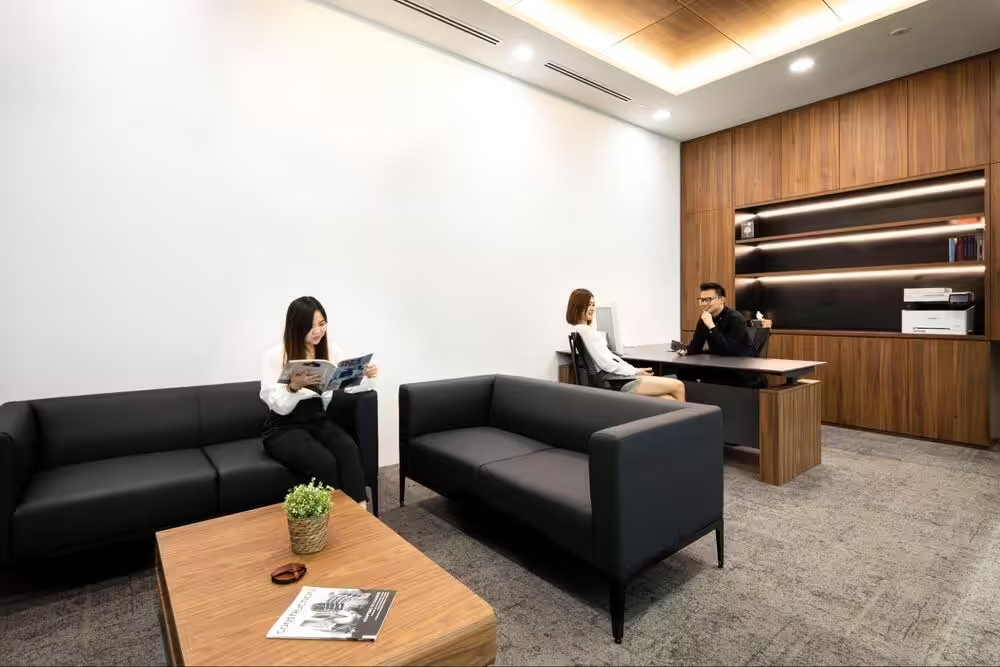
Key design notes:
- Use higher-quality, controlled materials
- Maintain balanced composition and scale
- Keep branding minimal and subtle
- Avoid visual clutter behind seating areas
2.5 Pantry Back Wall Design
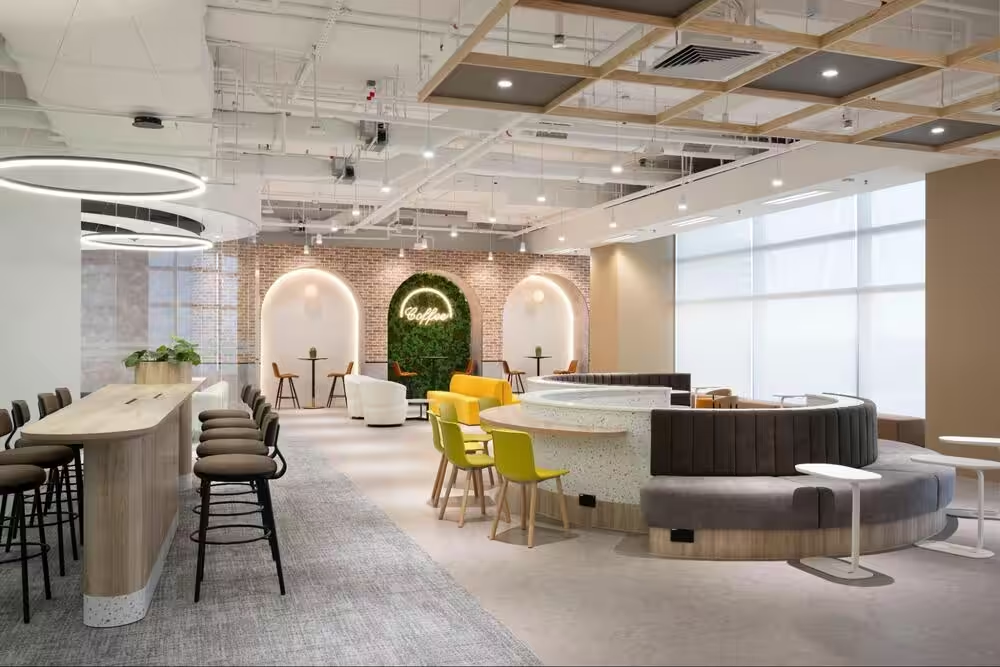
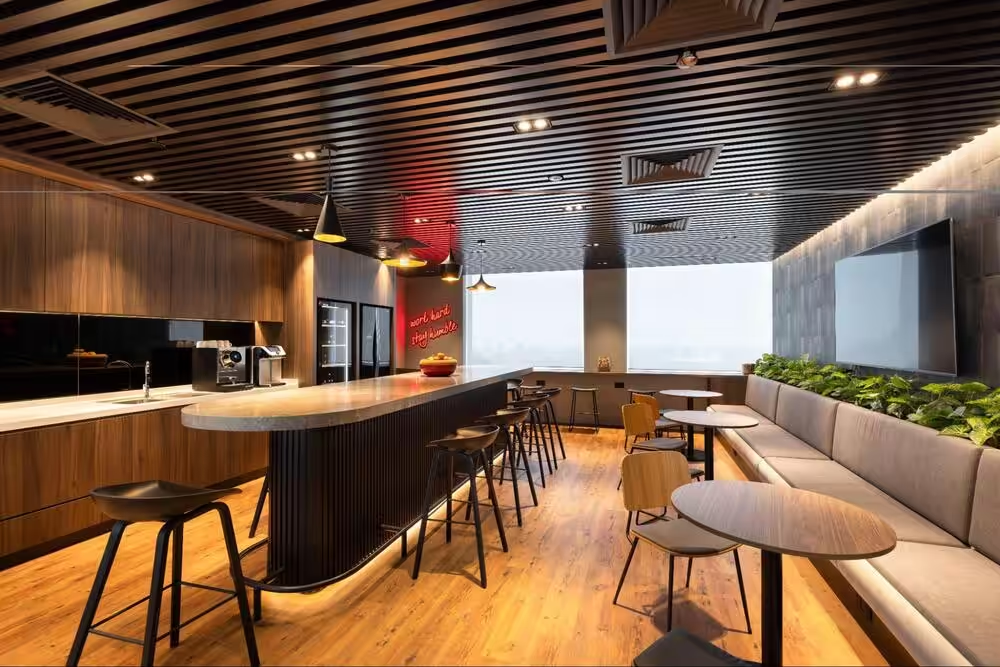
The pantry is an informal environment, but its office back wall design solution must prioritise practicality. Walls here are exposed to moisture, heat, and frequent cleaning. Designs often use tiles, compact laminates, or coated panels. Colour and graphics can be introduced to create a relaxed atmosphere, but finishes must remain easy to maintain. Alignment with cabinetry and appliances ensures a clean visual outcome.
Points to consider:
- Moisture and heat resistance
- Easy cleaning and hygiene control
- Visual alignment with cabinetry
- Simple, durable finishes
3. OSCA – An Integrated Office Workspace Design Specialist
OSCA is a regional design and build consultancy specialising in integrated workplace solutions. With experience across Singapore and Southeast Asia, OSCA delivers cohesive back wall design for office projects as part of a complete spatial strategy, not as isolated decorative elements. Each office back wall design is developed to support business operations, brand clarity, and long-term usability.
OSCA’s approach is based on three core principles:
- Alignment between brand identity and spatial experience
- Technical accuracy in construction and compliance
- Long-term performance, maintenance, and adaptability
OSCA’s Integrated Approach to Office Back Wall Design
OSCA delivers office back wall design solutions through a structured design and build process that clients can follow and manage with clarity.
- Workplace and brand assessment
OSCA begins by reviewing how the office operates. This includes visitor flow, staff movement, and brand positioning. From this stage, the role of each office back side wall design is defined, whether for reception, collaboration, or executive use.
- Spatial and technical coordination
Each office back wall design is developed alongside layout planning, lighting design, and MEP coordination. This prevents common issues such as glare, cable exposure, or acoustic failure. Fire safety, wall loading, and building regulations are reviewed at this stage.
- Material and system selection
OSCA selects materials based on durability, maintenance needs, and lifecycle cost. For example, office reception back wall design solutions often use durable finishes and integrated lighting, while meeting rooms prioritise acoustic performance.
- Detailed design and documentation
Clear drawings, specifications, and mock-ups allow clients to review and approve the office interior back wall design before construction. This reduces variations and cost overruns.
- Construction and quality control
OSCA manages installation to ensure accuracy and consistency. Site coordination ensures that the back wall design for office spaces aligns with furniture, signage, and digital systems.
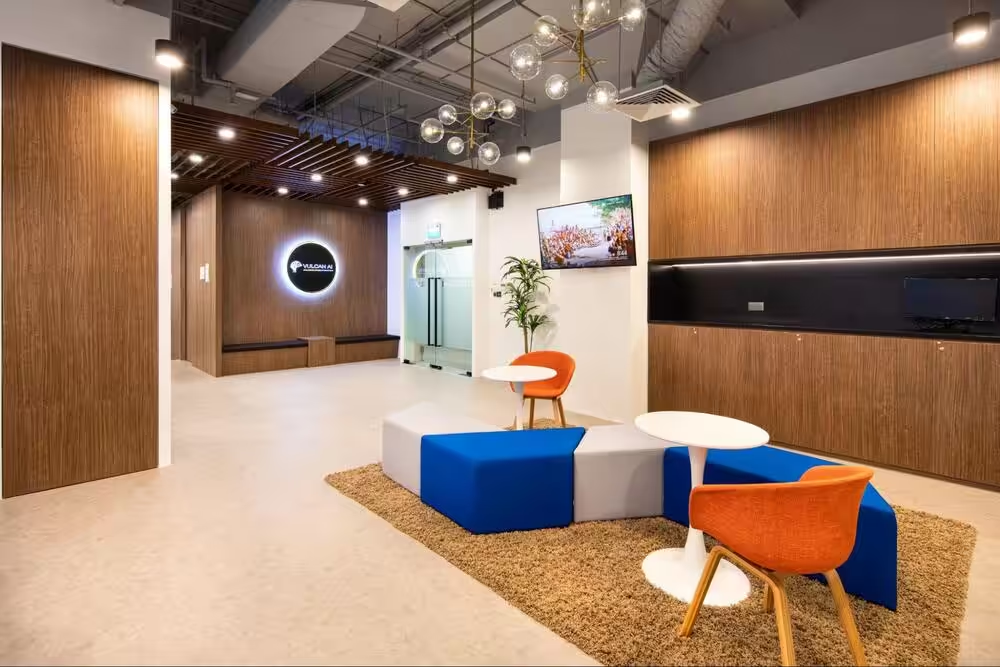
Through an integrated approach that combines strategy, design, and construction, OSCA delivers back wall design for office projects that perform beyond first impressions. By treating back walls as essential components of the workplace rather than isolated features, OSCA ensures that each design supports operational needs, brand positioning, and long-term adaptability.
- Hotline: +65 6336 1800
- Email: sg@osca.asia