A soundproof meeting room is now a critical element of the modern workplace, where hybrid collaboration, digital communication, and privacy expectations continue to rise. This article of OSCA Asia is designed for organisations seeking to create meeting rooms that support clarity, comfort, and confidentiality in daily operations.
Contents
1. Key Standards for Acoustic Testing in Singapore
Achieving exceptional acoustic performance within modern interior environments, particularly in soundproof meeting rooms, requires full compliance with Singapore’s recognised acoustic testing standards.
Noise Reduction Coefficient (NRC)
The Noise Reduction Coefficient (NRC) measures a material’s capacity to absorb rather than reflect sound. Panels with a high NRC value, typically between 0.7 and 1.0, play a pivotal role in conference room sound dampening, where minimising reverberation and echo supports clearer dialogue and focused collaboration.
Sound Transmission Class (STC)
Sound Transmission Class (STC) ratings determine how effectively a panel blocks sound transmission between adjacent spaces. High-STC panels are indispensable in ensuring speech privacy within executive suites, healthcare facilities, and especially soundproof glass conference rooms, where visual transparency must be complemented by acoustic isolation.
Reverberation Time (RT60)
RT60 testing measures how long it takes for sound to decay within a space. Acoustic panels are assessed to ensure they achieve the appropriate reverberation profile for their intended application. Shorter RT60 values improve speech intelligibility and audio capture, while controlled reverberation shapes the listening experience in auditoriums and multi-purpose halls.
Sustainability and Low-VOC Standards
Many acoustic panels available in Singapore align with rigorous sustainability certifications such as GreenGuard and FloorScore, ensuring low VOC emissions. These standards improve indoor air quality while supporting the nation’s broader green building initiatives.
2. Essential Elements of a Soundproof Meeting Room
Standard acoustic design for a soundproof meeting room in Singapore relies on a coordinated set of elements that work together to block external noise, manage internal reflections, and maintain clear speech privacy.
2.1 Walls & Partitions
Walls and partitions act as the main defence against airborne noise. Their performance directly determines how well conversations remained contained within the room. High-performing walls use dense layers, airtight joints, and proper insulation to achieve stable acoustic ratings.
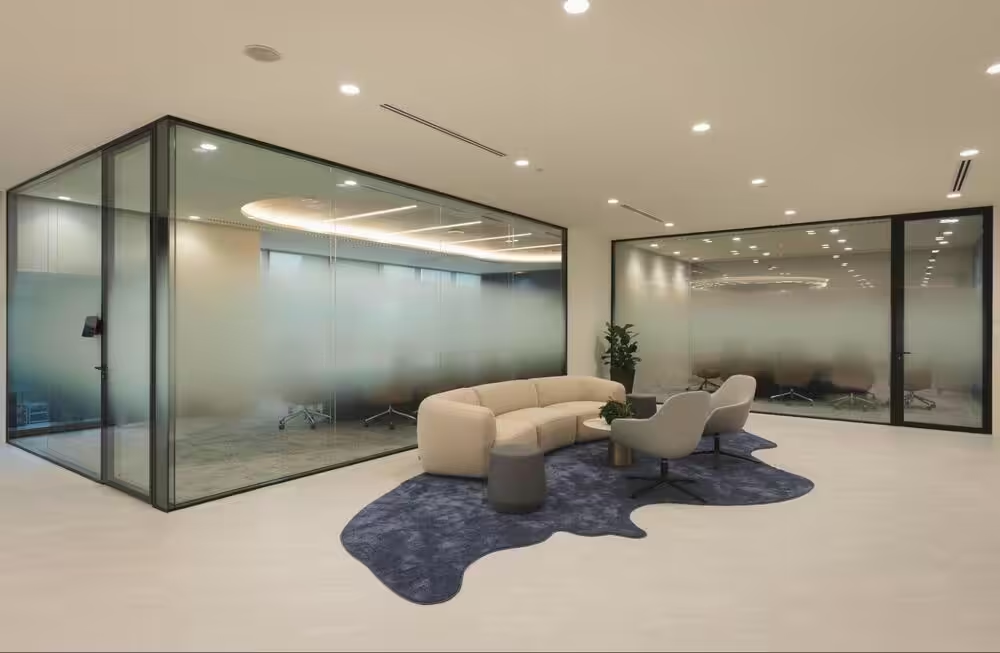
Quality wall systems reduce distractions, support private discussions, and maintain meeting quality even in high-traffic areas. In rooms that rely on glazed fronts or full-height glass, double-glazed acoustic partitions help balance transparency and privacy without compromising aesthetics.
2.2 Doors
Doors influence acoustic performance more than most people expect. Even minor gaps can allow sound to leak out and external noise to leak in. Solid-core doors with acoustic seals improve containment and prevent unwanted sound transfer.
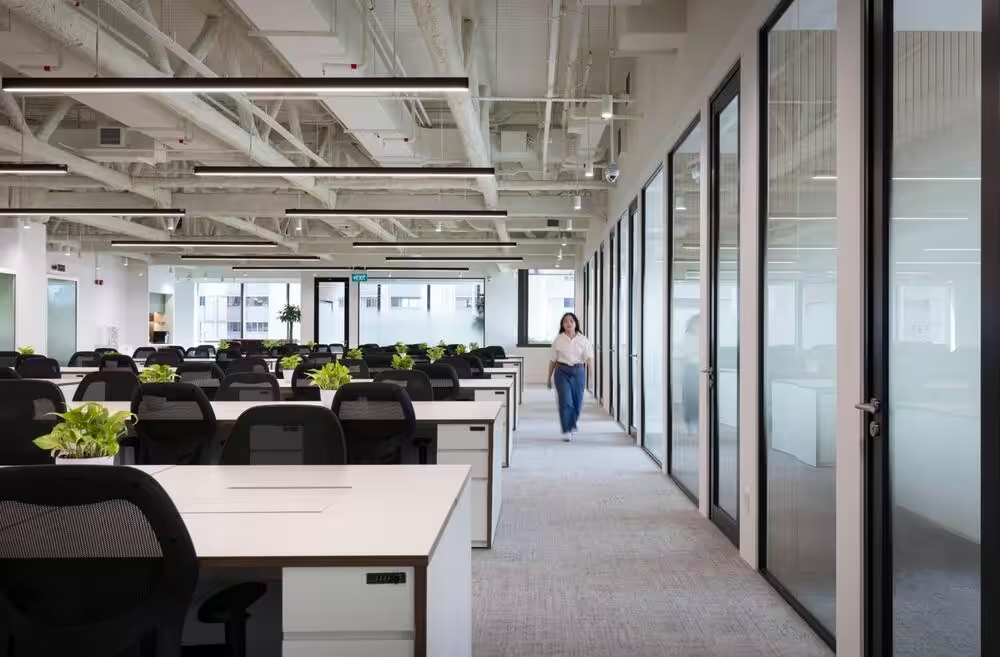
A well-designed door system supports the full acoustic envelope, ensuring that sensitive discussions remain inside the soundproof meeting room. It also helps avoid common issues such as corridor noise, mechanical clicks, or sound leakage during hybrid calls.
2.3 Ceilings & Floors
Ceilings and floors often create flanking paths, allowing noise to bypass walls. Acoustic ceiling tiles with high NRC values reduce internal echo and support clearer communication. Insulated ceiling voids and carpeted floors also help limit upward and downward sound transfer.
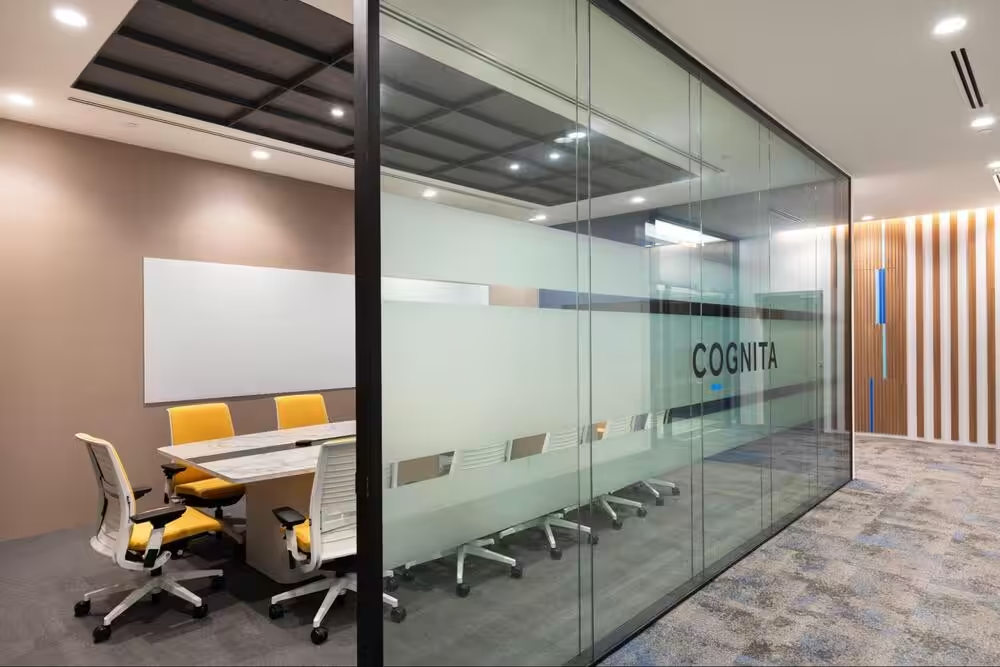
Effective ceiling and floor treatments stabilise the room’s reverberation time, making speech easier to understand and improving microphone pickup during virtual meetings.
2.4 HVAC & MEP Systems
Mechanical systems introduce noise from airflow, vibration, and duct transmission. When untreated, these sounds disrupt speech clarity and disrupt concentration. Acoustic duct lining, silencers, and vibration control help maintain stable background noise levels.
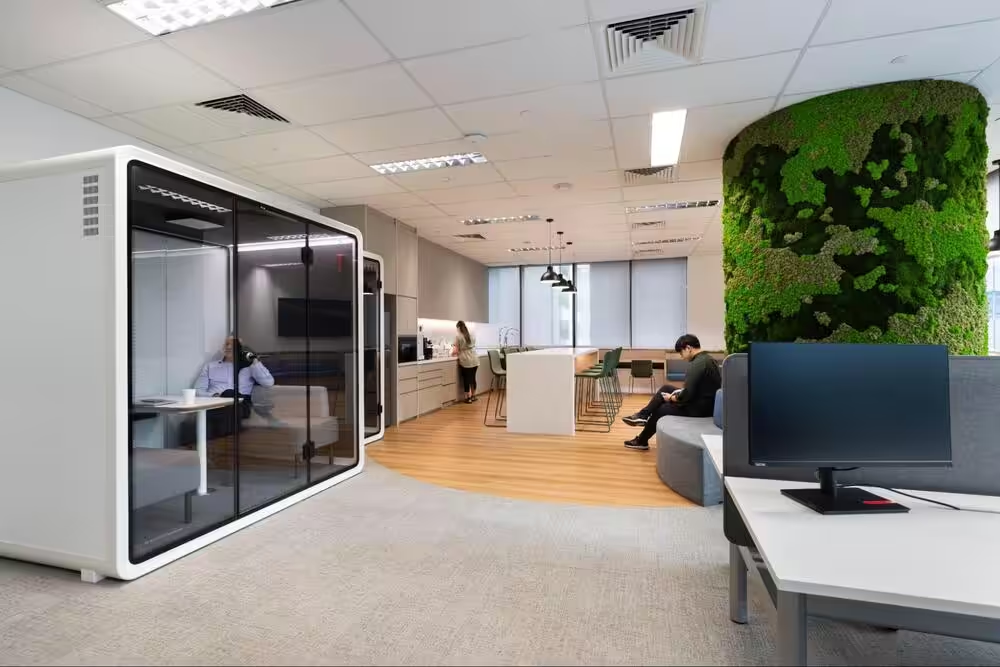
Quiet mechanical systems enhance user comfort and support productive collaboration, especially in rooms intended for video conferencing or executive discussions.
2.5 Furniture & Interior Finishes
Interior finishes influence the room’s internal sound behaviour. Soft materials in interior design for company such as fabric panels, upholstered seating, and curtains absorb reflections and create a controlled acoustic environment.
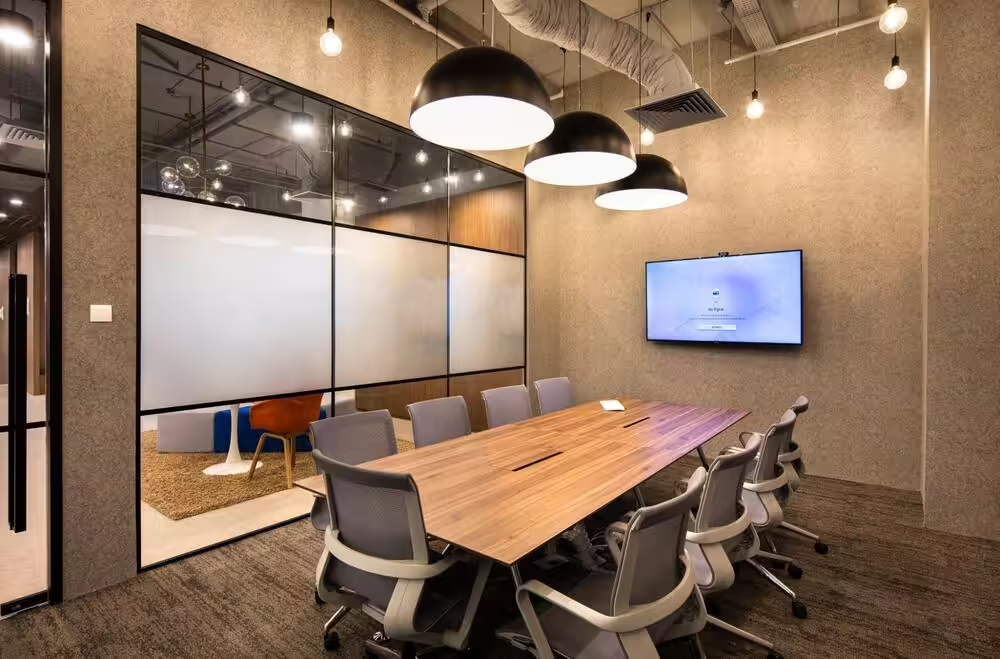
Balanced finishes improve the meeting experience by limiting echo, supporting natural speech, and enhancing the spatial character of the soundproof glass conference room without compromising visual appeal.
3. Types of Soundproof Meeting Rooms for Singapore Offices
Standard workplace planning in Singapore uses several room types to support privacy, focus, and collaboration.
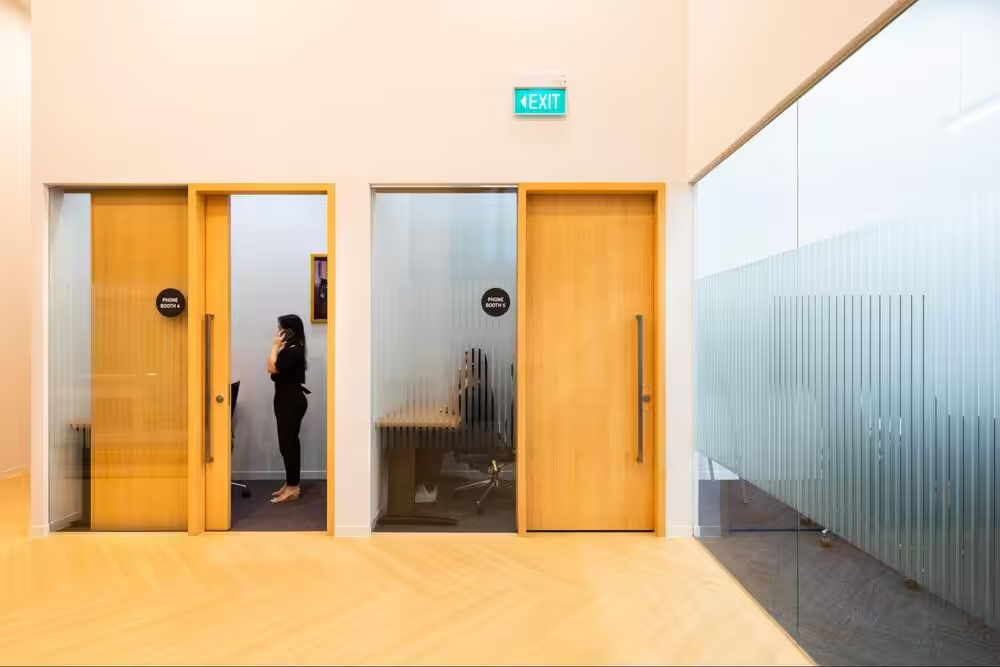
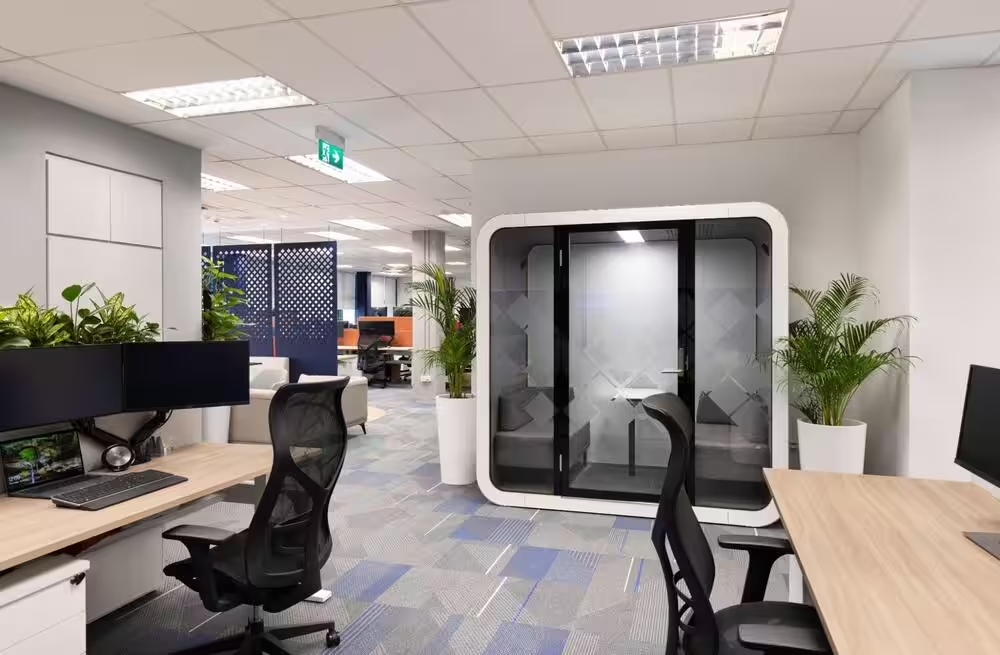
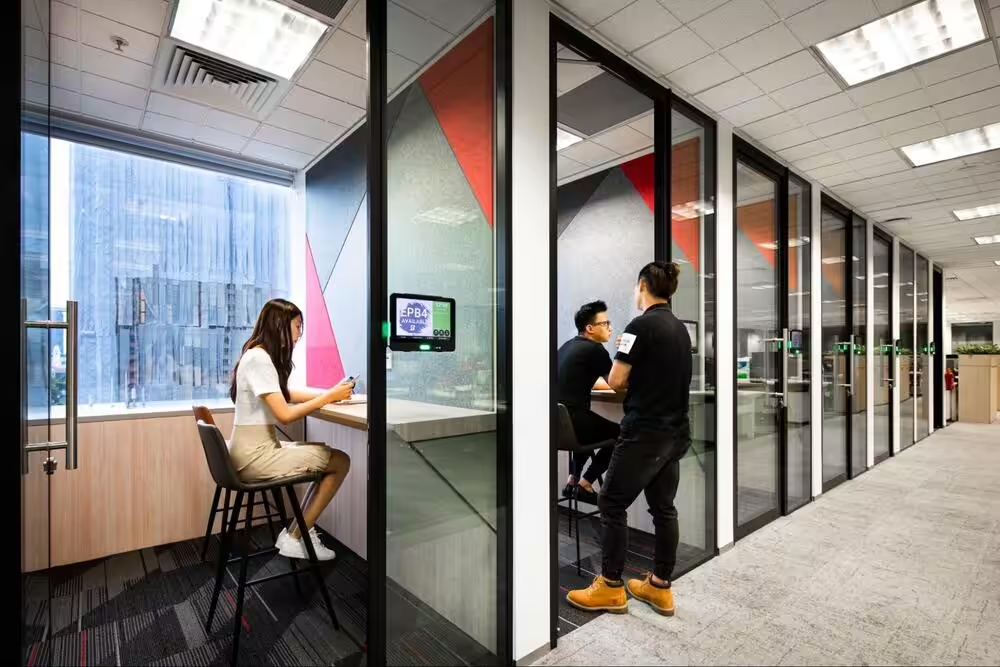
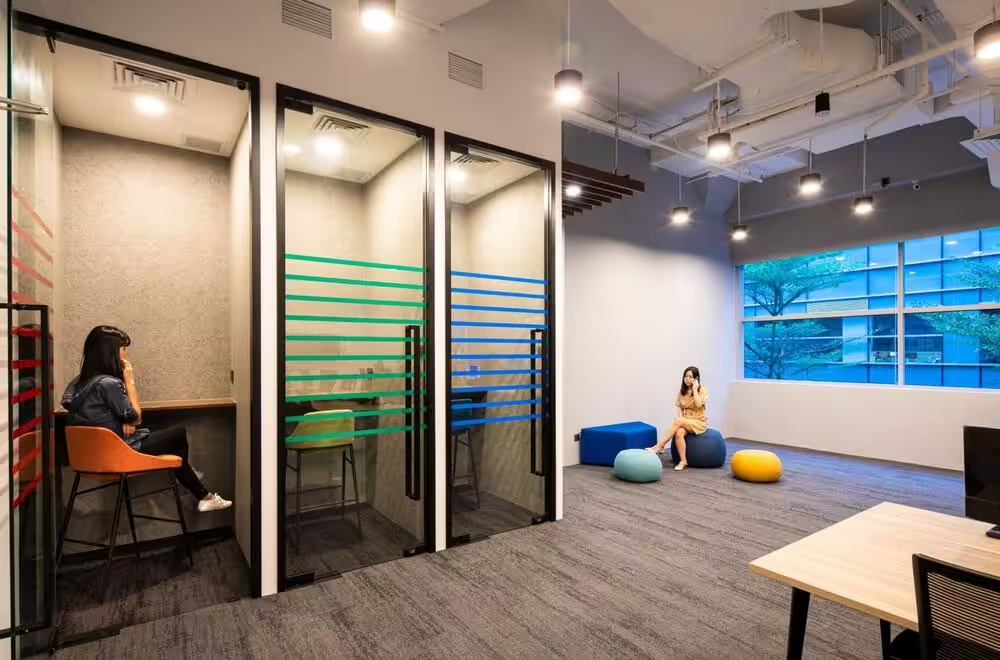
Phone Booth / Focus Pod
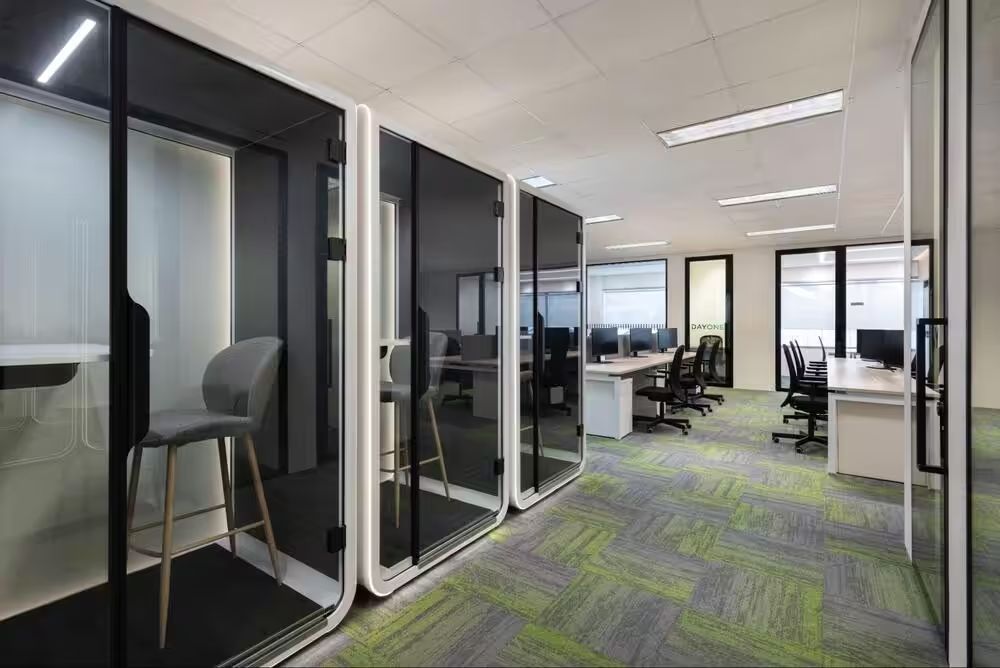
A phone booth or focus pod is a compact enclosure that supports video calls, voice calls, and focused tasks. It is often placed near open work areas to help reduce interruptions. Phone booths often use glass doors or panels, making them a practical example of a compact soundproof glass conference room for individual use.
Benefits:
- Supports quick private conversations
- Reduces spill-over noise in open offices
- Improves call quality for hybrid teams
- Does not require major construction
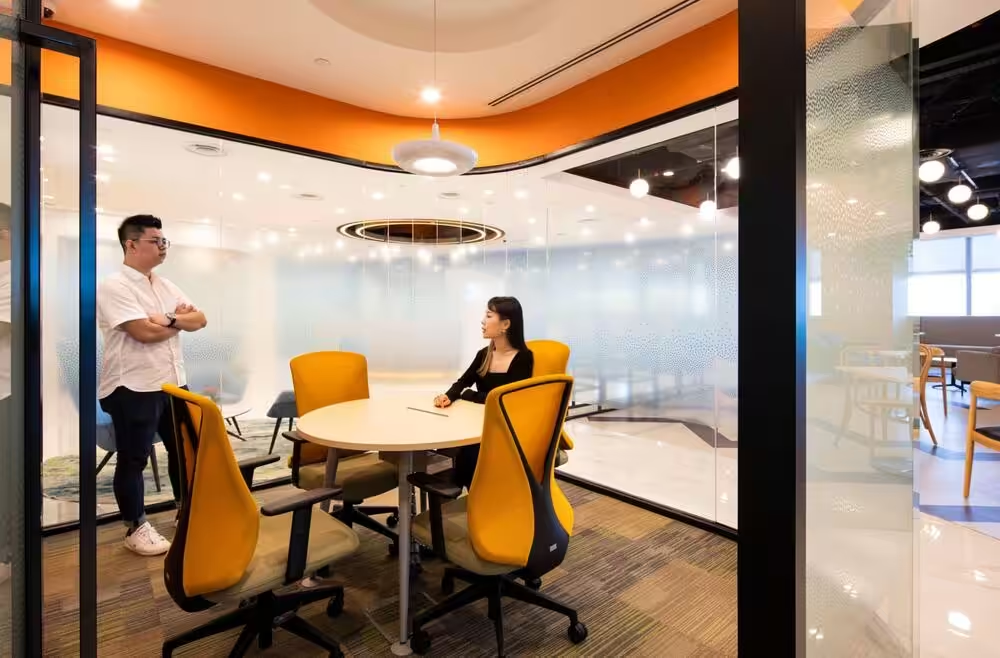
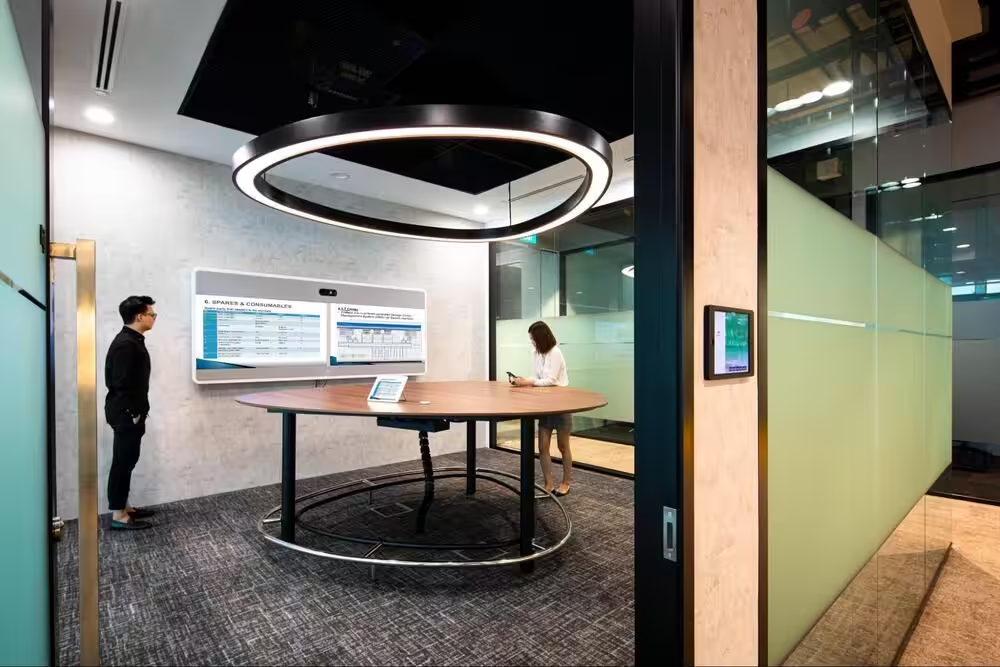
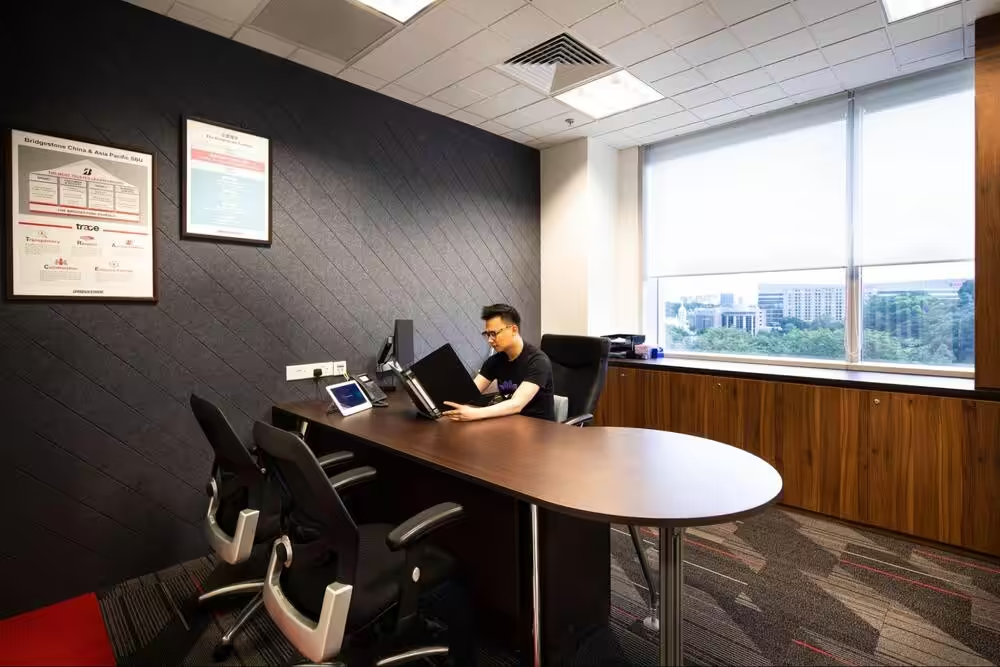
2–4 Pax Small Meeting Room
A small meeting room supports short discussions, interviews, and focused collaboration. Their limited size makes acoustic control easier to achieve, often featuring solid partitions, acoustic ceiling tiles, and minimal reflective surfaces. Their scale makes them effective for briefing sessions or virtual collaborations that require low background noise.
Benefits:
- Ideal for one-to-one sessions
- Supports quick team discussions
- Enhances speech clarity for video calls
- Provides privacy without large space requirements
6–10 Pax Standard Meeting Room
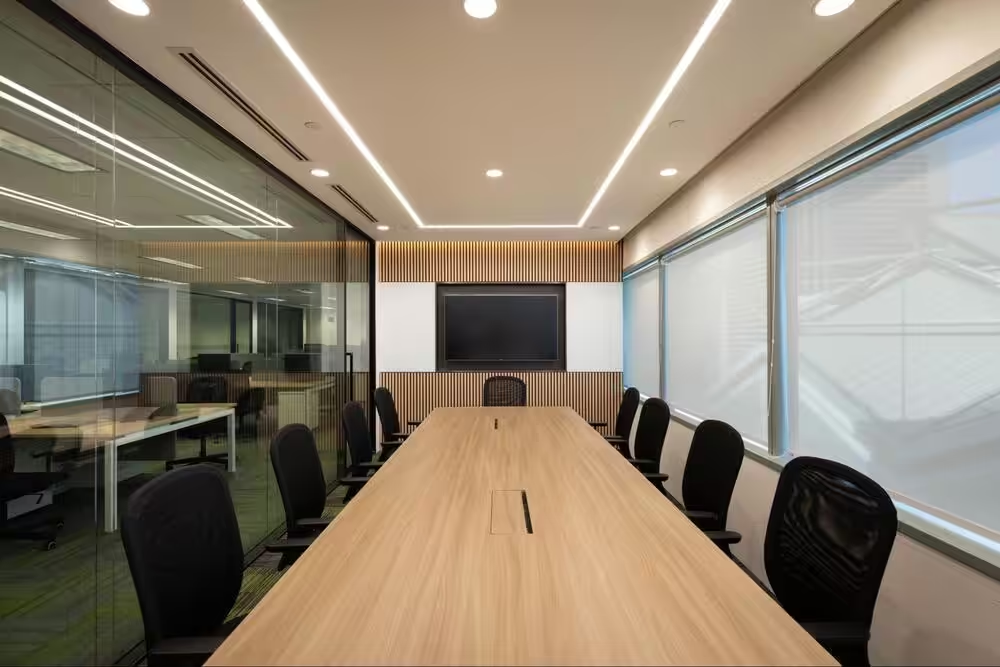
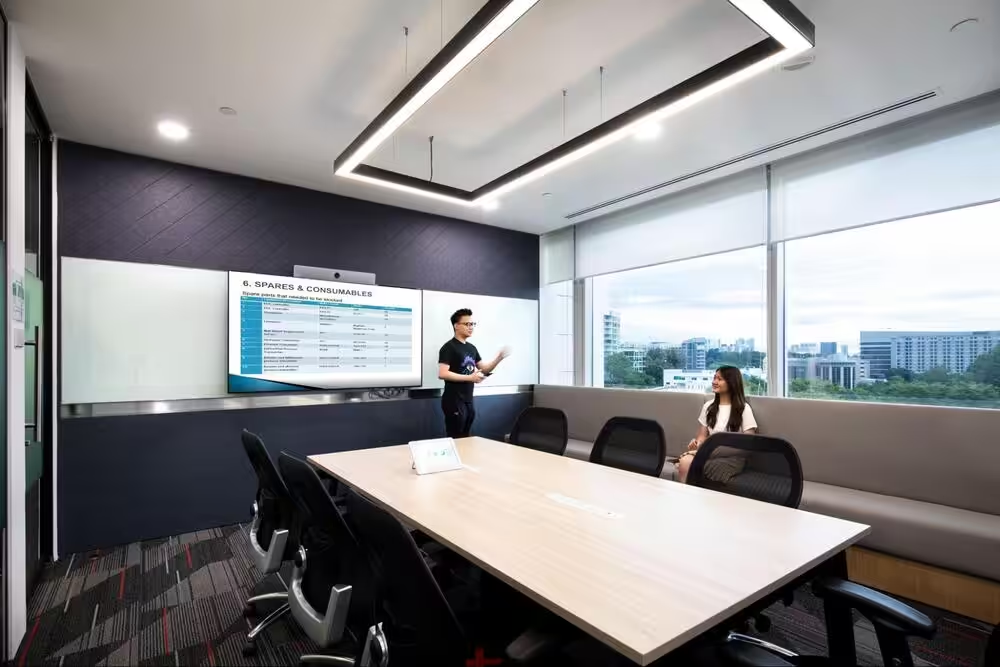
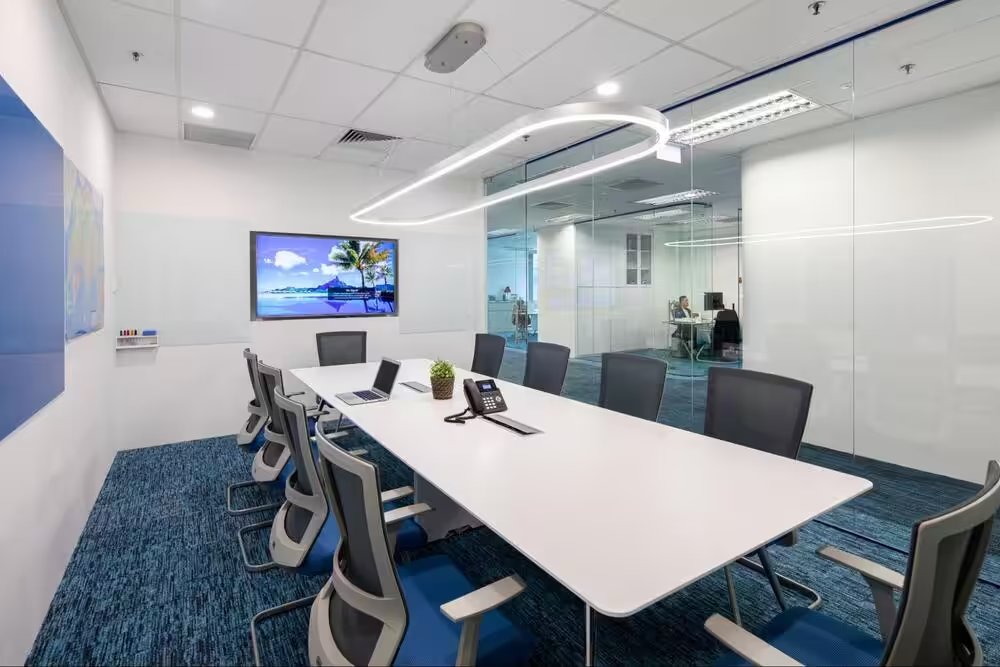
Standard meeting rooms are widely used for team meetings and hybrid collaboration. It supports internal reviews, team meetings, and hybrid calls. These rooms require stronger acoustic isolation asconversations often involve sensitive content. Designers use STC-rated walls, acoustic doors, and balanced NRC treatments to achieve a consistent environment.
Benefits:
- Supports cross-team collaboration
- Protects confidential conversations
- Enhances audio consistency for larger groups
- Balances visual openness with acoustic control
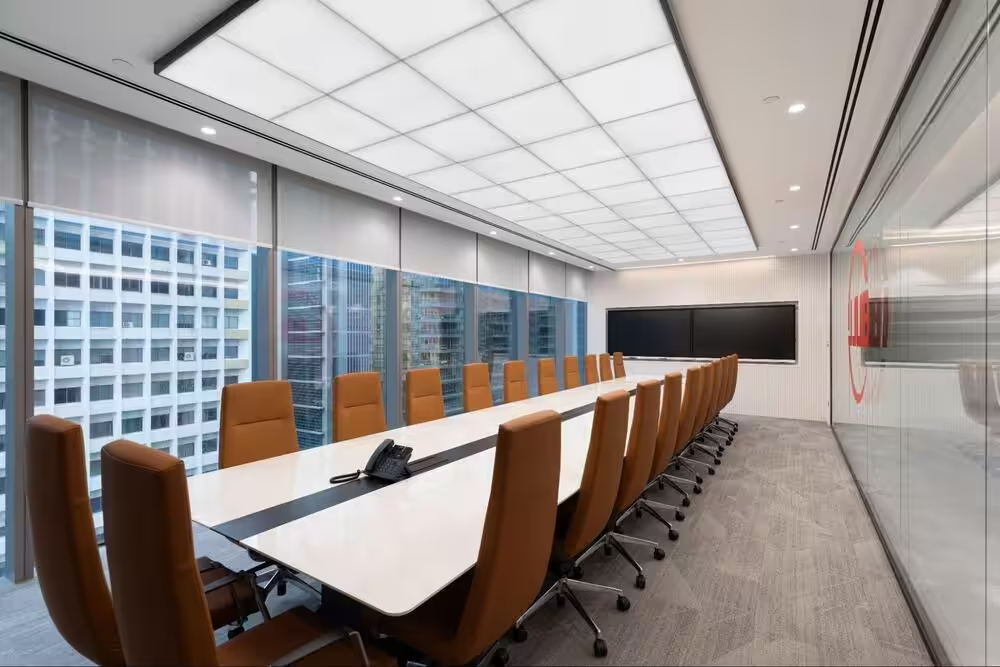
Boardroom / C-Suite Meeting Room
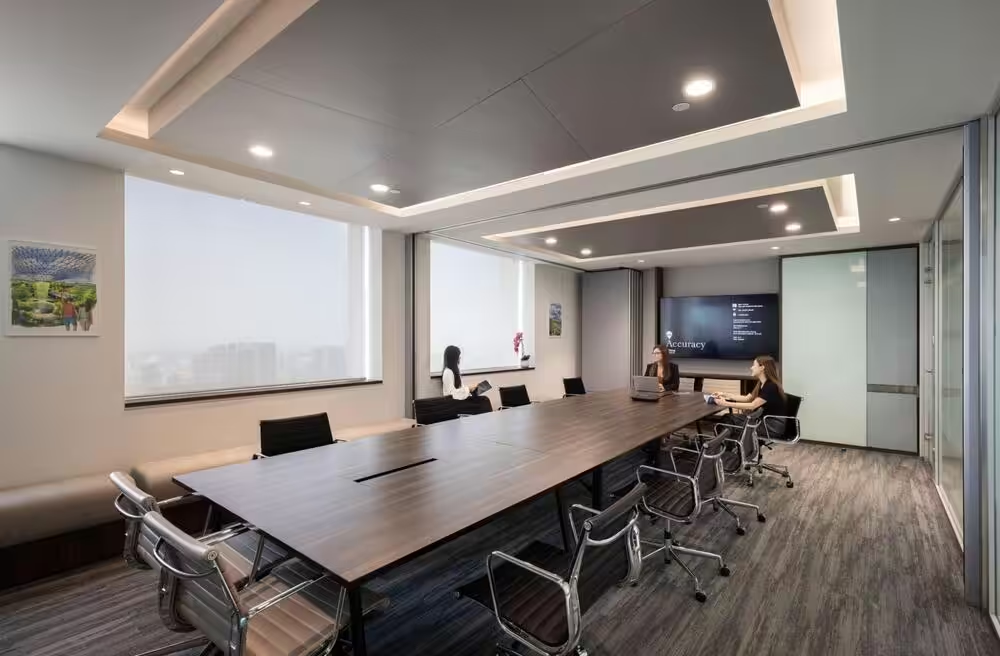
A boardroom handles high-level discussions, executive reviews, and client presentations where privacy and clarity are critical. These rooms use premium acoustic systems, including double-glazed fronts, high-STC partitions, and sophisticated ceiling treatments.
Benefits:
- Ensures strict confidentiality
- Supports leadership decision-making
- Enhances presentation quality
- Creates a formal and controlled atmosphere
4. How to Design a Soundproof Meeting Room (Step-by-Step)
Standard acoustic design for a soundproof meeting room in Singapore works best when each step is clear, structured, and practical.
- Analyse Site Conditions
Standard planning begins with a review of surrounding noise. Identify nearby sources such as pantry areas, lifts, HVAC rooms, and open workspaces. Measure noise levels at different times of the day and identify potential structural gaps. This helps determine how much isolation the room needs.
- Determine Required STC Rating
The required STC rating depends on how private the room must be. Smaller rooms typically need STC 40–45, standard rooms STC 45–50, and boardrooms STC 50+. This rating guides choices for walls, glazing, and door types, especially when using transparent fronts in a soundproof glass conference room.
- Select Materials and Construction Methods
Material selection shapes the acoustic envelope. Use insulated plasterboard walls, acoustic sealant, double-glazed systems, solid-core doors, acoustic ceiling tiles, and carpet tiles. Together, these elements form a complete acoustic envelope.
- Test and Validate Performance
Testing confirms whether the room performs as designed. Conduct STC or DnTw field tests, measure RT60, and inspect seals for leaks. This confirms the soundproof meeting room meets all acoustic requirements before handover.
- Commission the Room to BCA and WELL Standards
Commissioning checks real operating conditions. Review background noise levels, confirm microphone clarity for video calls, and ensure ventilation paths do not create flanking noise. Verify low-VOC materials for health compliance.
- Maintain Long-Term Acoustic Performance
Ongoing maintenance keeps the room performing well. Inspect door seals, replace worn components, review ceiling tiles, and check meeting equipment. Ongoing maintenance ensures long-term privacy and performance.
5. Why Work With OSCA for Soundproof Meeting Rooms in Singapore
Standard acoustic design requires precision, testing, and real project experience. OSCA delivers this through integrated design-and-build capabilities, proven acoustic methods, and a clear understanding of workplace behaviour in Singapore. Organisations seeking a soundproof meeting room benefit from a partner who combines technical knowledge with practical construction skills. OSCA provides this across all room types, from small focus booths to executive boardrooms and complex hybrid rooms.
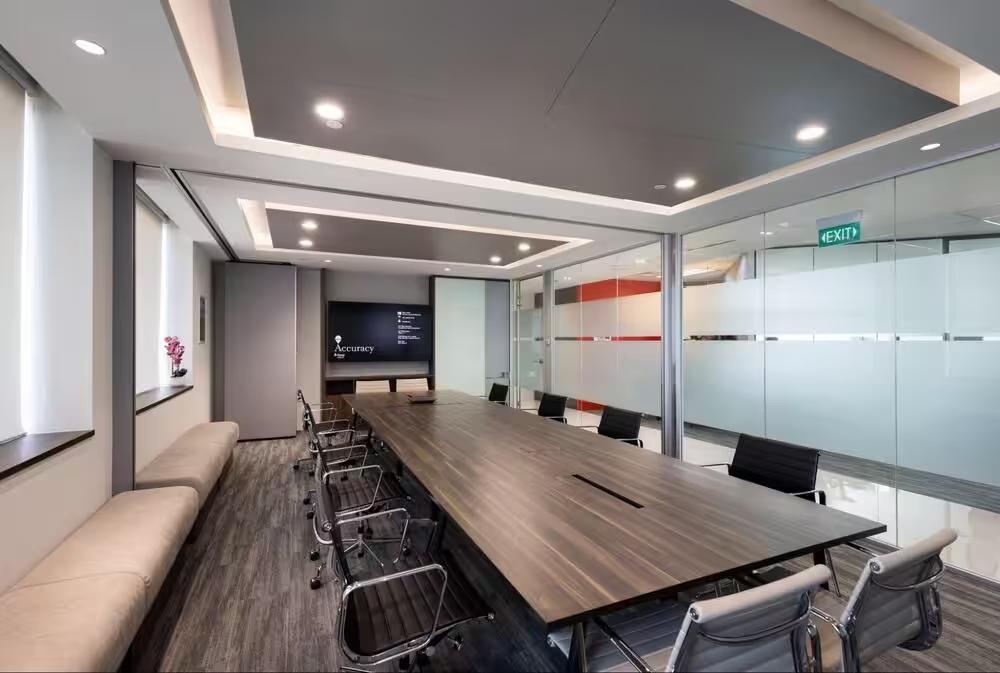
Every project follows structured methodology, essential for creating a soundproof conference room that supports privacy, clarity, and hybrid collaboration. OSCA applies acoustic ratings, validated material selection, and tested construction methods that align with BCA, WELL, and LEED standards.. This ensures that every room meets measurable performance standards and delivers dependable conference room sound dampening.
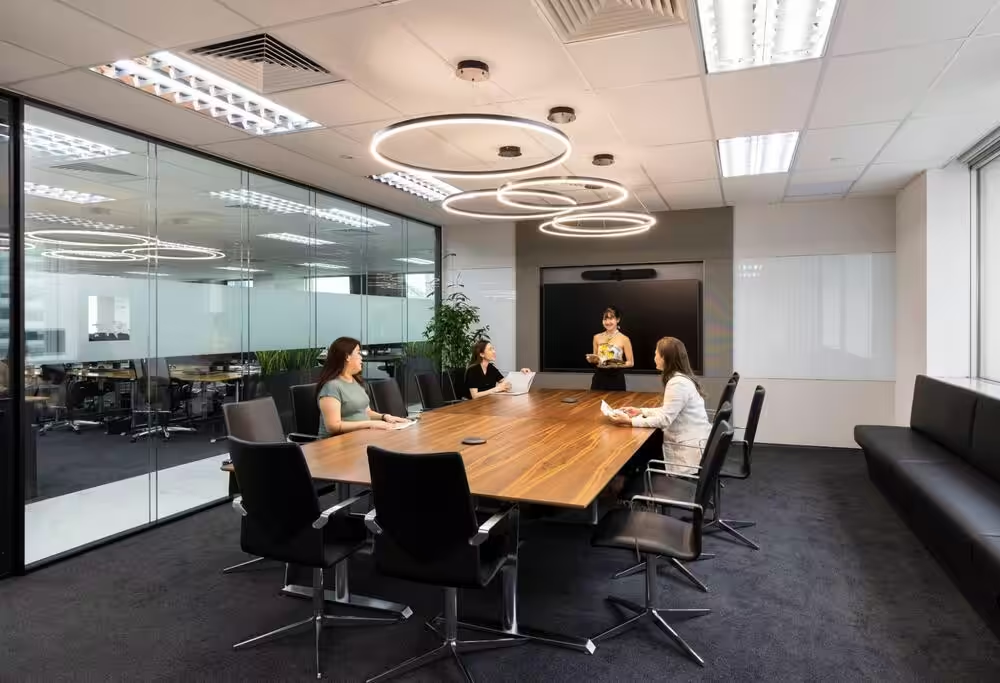
OSCA has more than 15 years of experience designing and building workplaces in finance, logistics, gaming, maritime, and technology sectors. This exposure gives OSCA deep insight into how different industries use meeting rooms, manage noise, and protect confidential information.
Clients benefit from solutions shaped by past performance, where each project informs the next. Projects with double-glazed partitions, insulated wall systems, and sealed door assemblies demonstrate OSCA’s skill in building high-performing soundproof glass conference room environments.
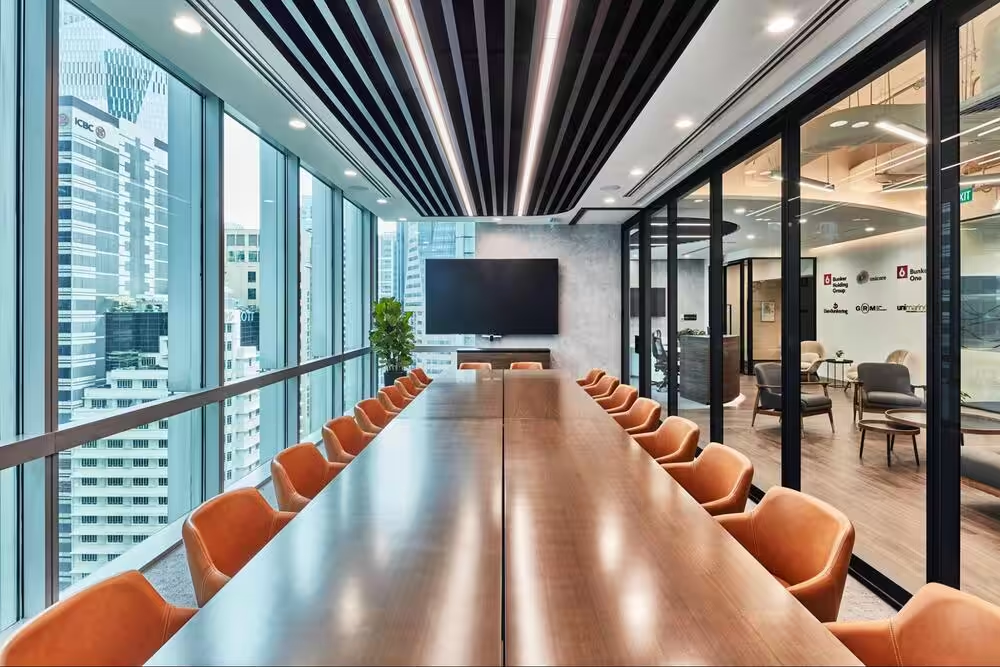
With OSCA’s integrated design and build Singapore expertise and proven acoustic systems, businesses gain a trusted partner capable of delivering soundproof meeting room solutions that balance comfort, control, and long-term value. When supported by ongoing maintenance and informed planning, every meeting room becomes a strategic asset.