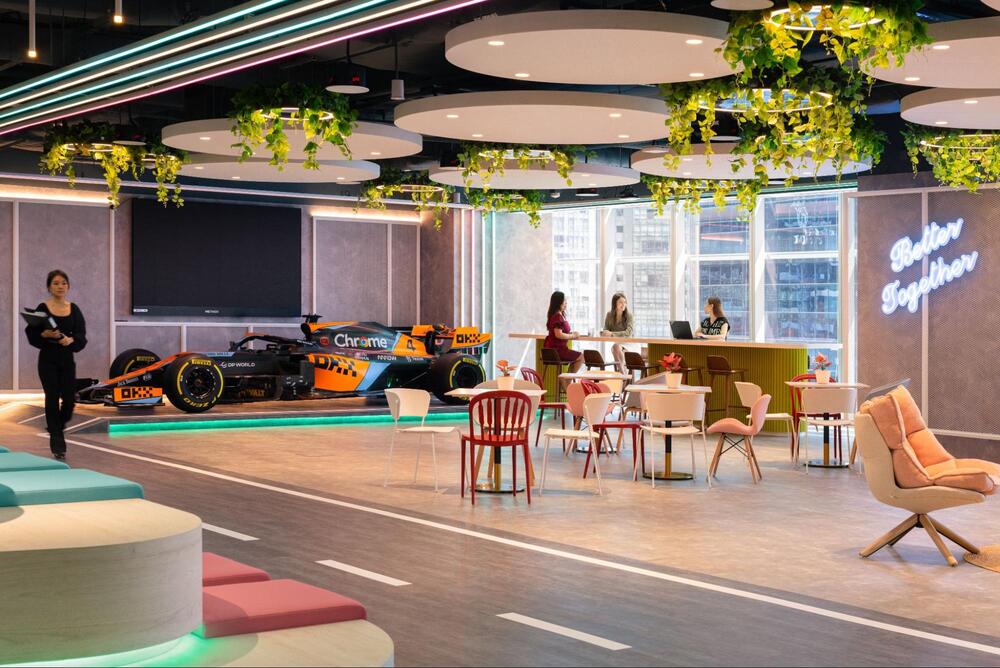
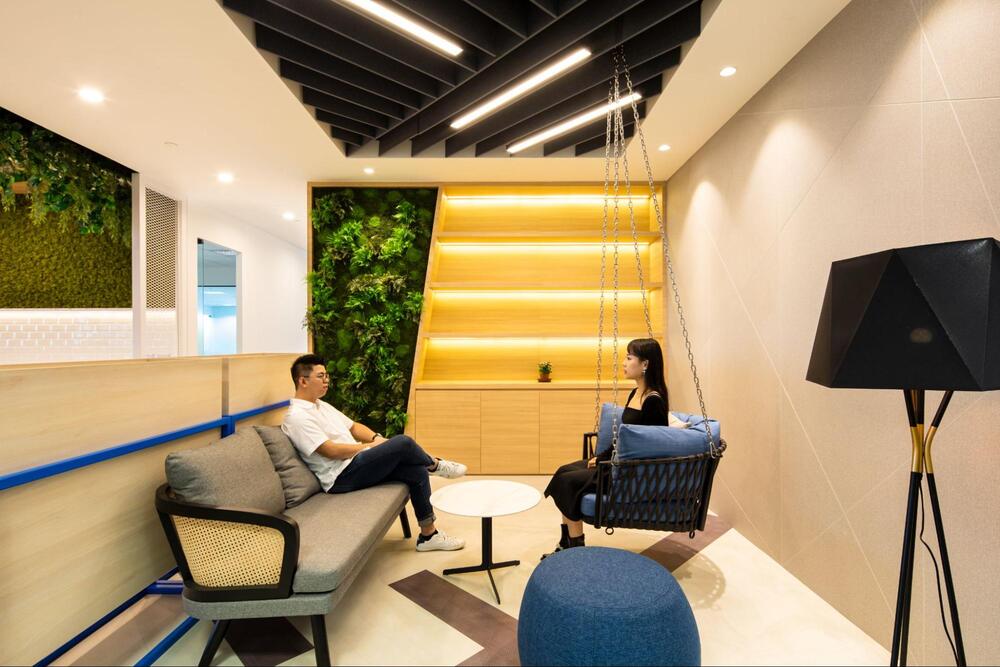
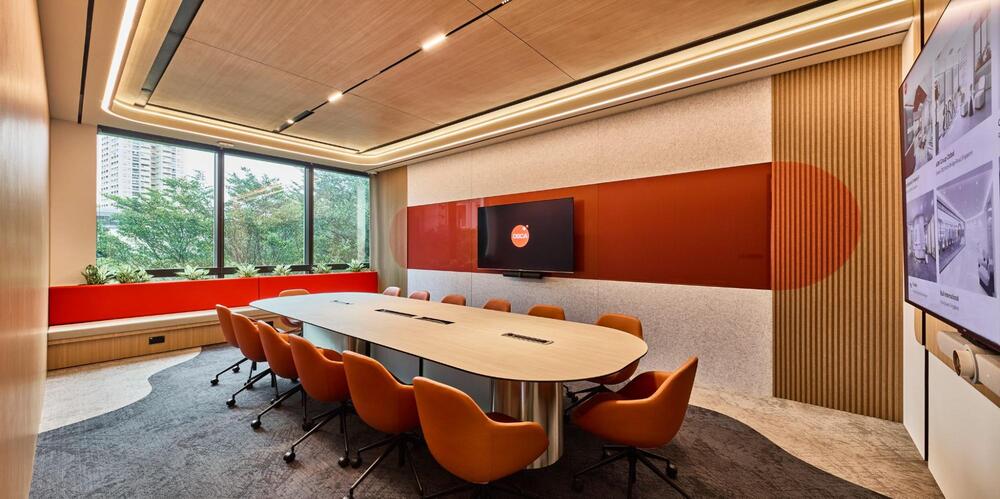
Interior design plays a pivotal role in shaping the way we experience spaces, whether for work or personal living. While both commercial and residential design share a focus on aesthetics and functionality, their objectives, regulatory requirements, and user needs requirements differ significantly. This article of OSCA Asia explores the key differences between commercial vs residential interior design and practical considerations to help you make informed design choices for offices, homes, and beyond.
Contents
1. What is Commercial Interior Design?
Commercial interior design is the professional practice of shaping interior spaces for offices, retail stores, hospitality venues, healthcare centres, educational institutions, and other business environments. The purpose is to create spaces that support operations, ensure safety, and deliver a consistent experience for employees, clients and visitors.
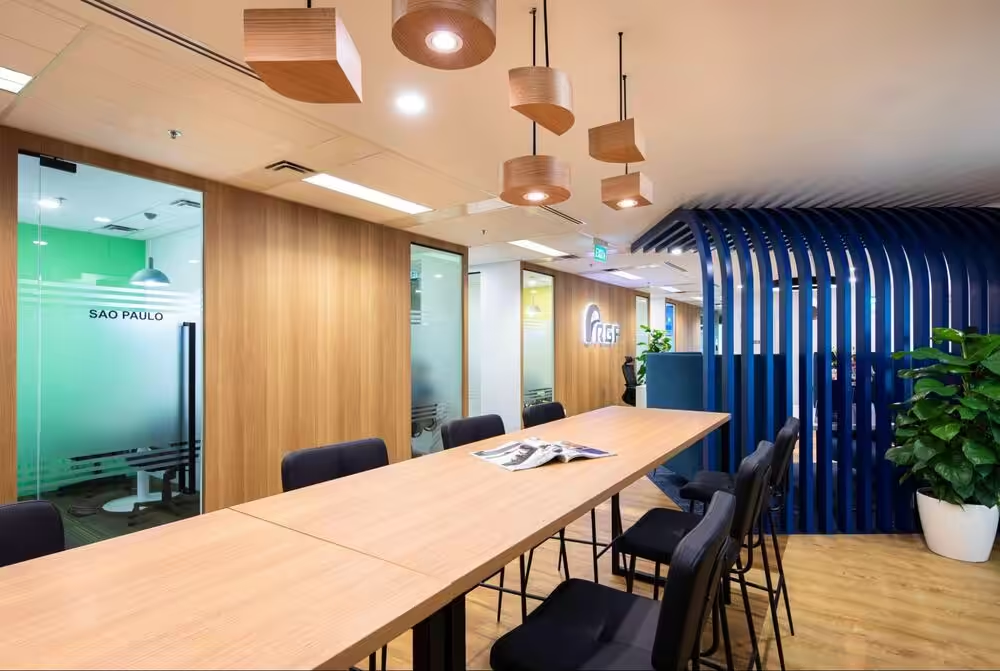
The purpose of commercial interior design can be understood through the following practical functions:
- Improve operational efficiency: Businesses rely on efficient movement. Designers map circulation paths, identify congestion points, and reorganise layouts to improve workflow. A commercial space must support teams through meeting rooms, focus zones, collaboration areas, and technical rooms.
- Support business identity: Designers translate a brand’s values into spatial elements: colour schemes, lighting, signage, and furniture standards. This helps create consistency across multiple offices.
- Ensure safety and compliance: Commercial interior design requires strict compliance with fire codes, accessibility regulations, acoustic standards, and mechanical systems. Every detail, from sprinklers to corridor width, must follow local law.
- Plan for long-term growth: Commercial design allows for headcount changes. Designers use modular systems, flexible partitions, and scalable layouts.
- Enhance user experience: Well-planned commercial spaces support staff comfort, reduce fatigue, and improve focus. Choices in lighting, ergonomics, and air quality contribute directly to performance.
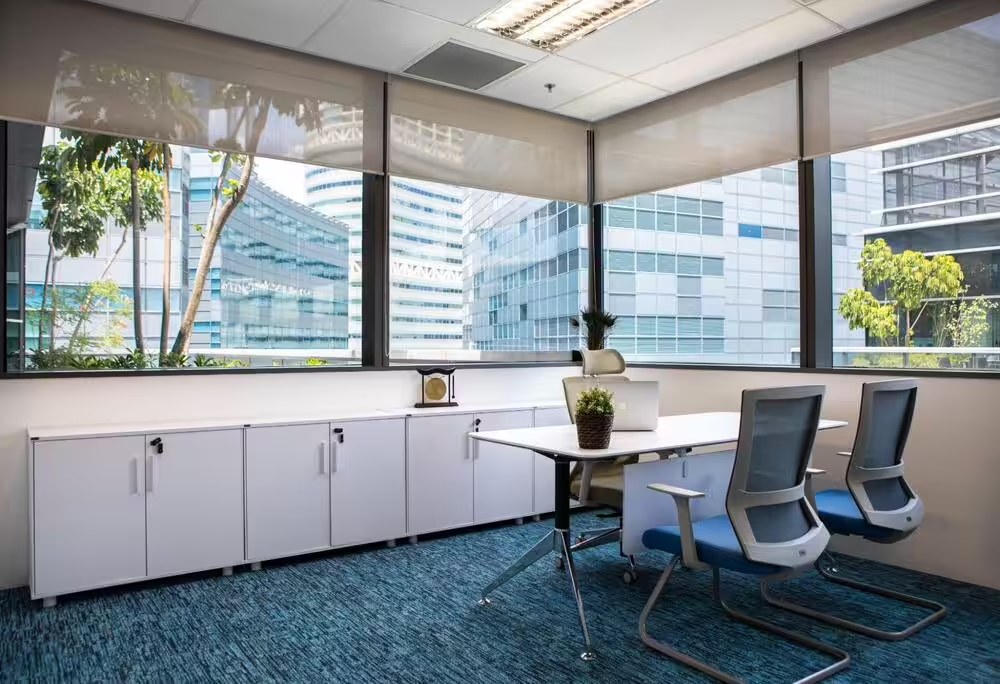
1.1 Key Characteristics
To understand interior design residential vs commercial, it is useful to recognise on the core characteristics that define the commercial sector. These characteristics follow industry standards and regulatory expectations.
Functionality and Efficiency
Commercial spaces prioritise operational needs. Designers create zoning plans that separate high-activity areas from quiet zones. They identify storage requirements, power supply demands, and workflow patterns reducing unnecessary movement and increases productivity.
Brand Representation
Commercial interior design often carries the brand’s message. Designers use colours, forms, materials, and graphics to create recognisable identity. This supports corporate culture and strengthens client perception.
Durability and Compliance with Safety Regulations
Commercial interiors use materials that withstand daily wear. Flooring, wall finishes, furniture, and fixtures must meet fire ratings and durability standards. Acoustic performance is planned to improve concentration. Designers produce documents that coordinate MEP systems with fire safety requirements.
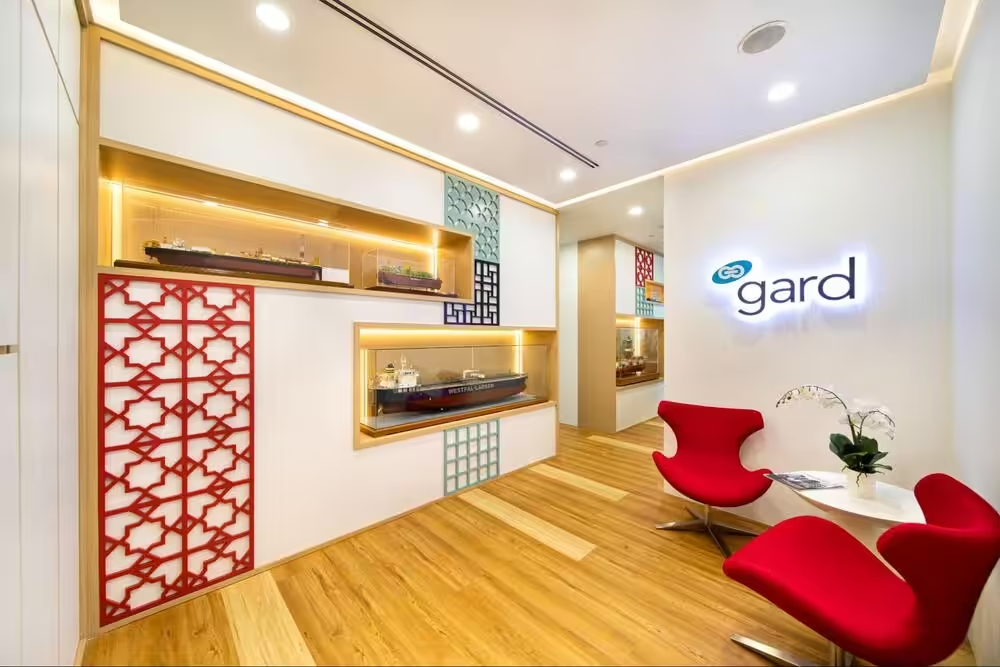
1.2 Common Commercial Spaces
Commercial interior design spans multiple sectors, each with specific functional demands. These categories illustrate the broad application of commercial design and highlight contrasts with residential vs commercial interior design.
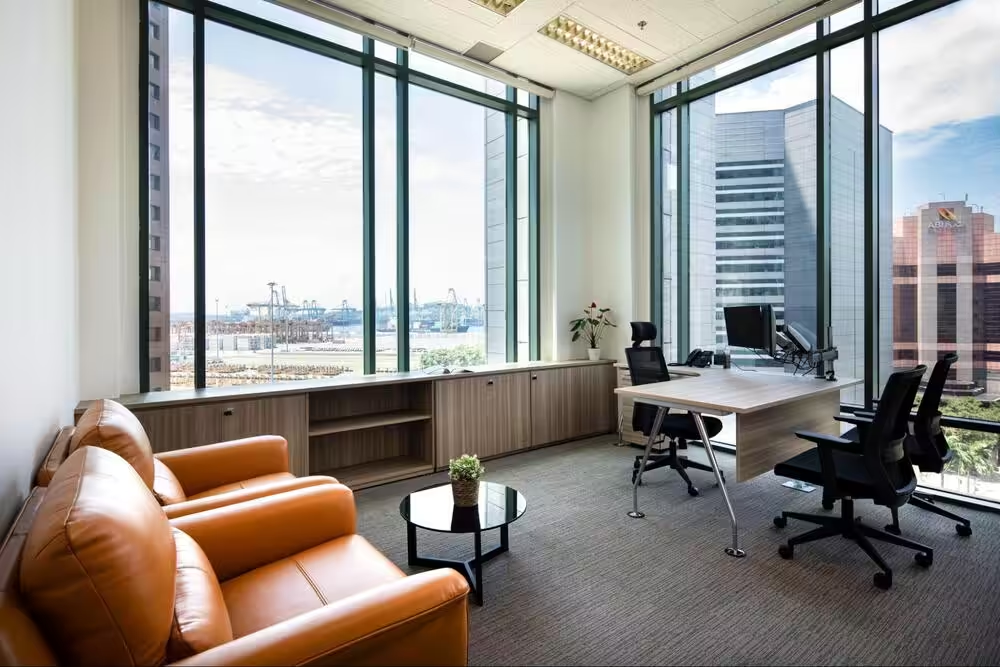
- Offices: Offices require structured planning. Designers define workstation layouts, meeting rooms, collaboration areas, focus zones, breakout spaces, storage, and mechanical systems. Office design must support technology integration and clear circulation. Most businesses follow headcount projections to plan for growth.
- Restaurants and Cafés: Restaurants need efficient kitchen-to-table flow, clear service paths, and strong hygiene standards. Seating layouts must support turnover rate, accessibility, and safety. Lighting and acoustics influence the dining experience.
- Retail Stores: Retail planning focuses on product display, customer movement, visibility, and checkout flow. Designers use modular shelving, lighting, and signage to improve conversion. Back-of-house areas, storage, and security are planned along strict operational rules.
- Hotels: Hotels involve guest movement, staff circulation, housekeeping routes, security, and facility management. Designers plan reception, guestrooms, F&B outlets, meeting rooms, and service corridors, all under tight regulatory frameworks.
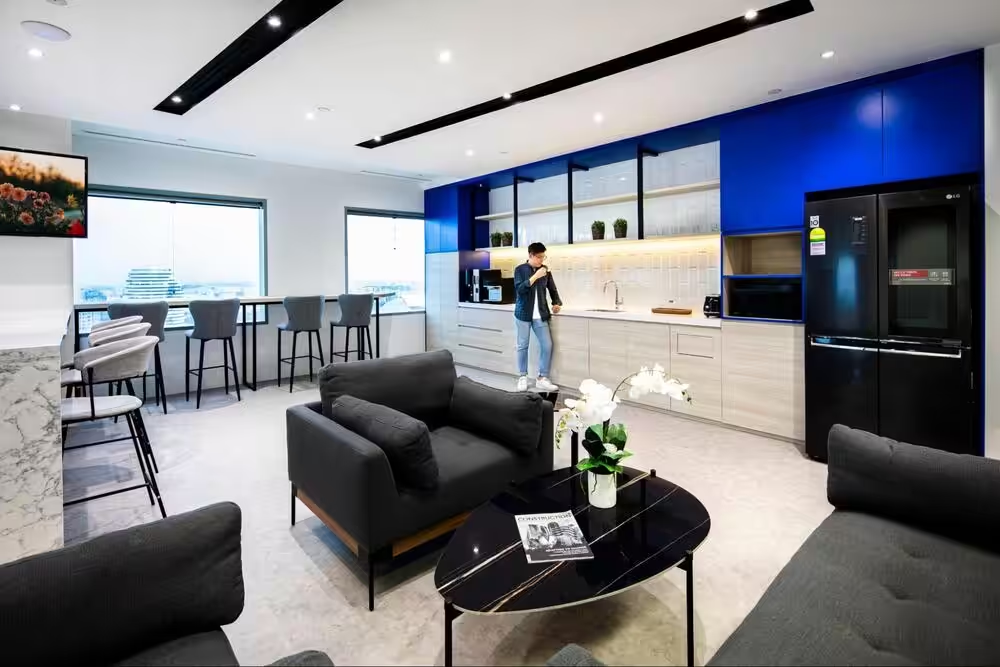
2. What is Residential Interior Design?
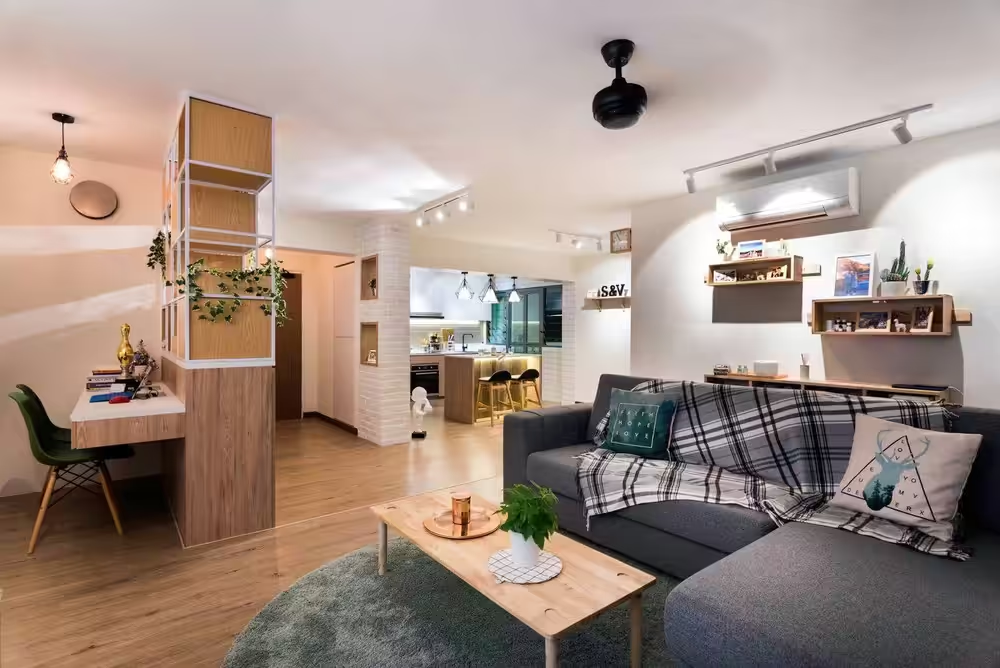
Residential interior design is the structured practice of designing interior spaces used for private living. It defines how each room functions, how people move through the space, and how the home supports core lifestyle needs such as rest, cooking, study, care, hosting, and long-term storage.
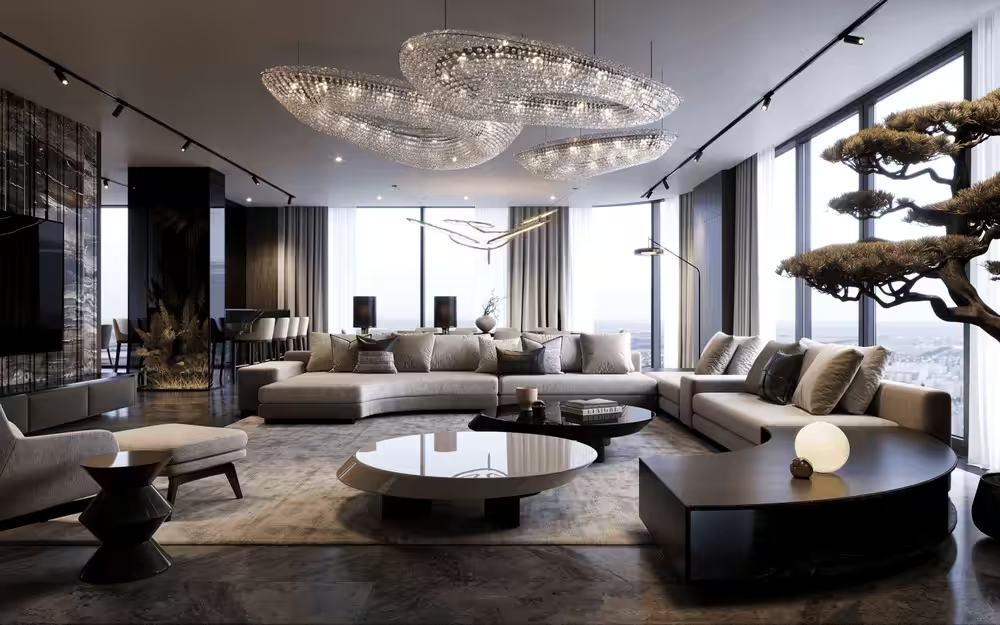
The core purposes of residential interior design
- Support daily living functions: A home must enable safe and efficient activities: sleeping, cooking, cleaning, studying, and storing. Designers map each room’s purpose and ensure circulation remains simple.
- Improve comfort and personal wellbeing: Designers study natural light, ventilation, layout, and the placement of furniture to ensure each space supports rest and reduces strain.
- Optimise space: Homes often have limited square footage. The design process uses built-in carpentry, modular furniture, and multi-functional layouts to expand practical use.
- Reflect personal lifestyle: Residential interior design adapts to individual preferences for routine, hobbies, and cultural practices.
- Ensure long-term durability: Materials must be suitable for children, pets, humidity, spills, cooking heat, and daily wear.
- Maintain safety and compliance: Electrical points, ventilation, gas lines, fire-resistant materials, and child-safe layouts must follow local codes.
2.1 Key Characteristics
The characteristics of residential interior design differ greatly from commercial planning. These differences shape the broader discussion on interior design residential vs commercial.
Comfort and Personalisation
Residential spaces prioritise personal needs. Designers work with the homeowner’s routines, cultural habits, storage needs, and privacy expectations. Colours, finishes, and furniture reflect the user rather than a brand.
Space Optimisation
Homes often require smart planning to maximise available floor area. Designers use wall-mounted storage, sliding doors, multi-functional furniture, and built-in cabinetry.
Focus on Aesthetics and Lifestyle
Residential design merges appearance with function. Living rooms must support hosting. Bedrooms must support rest. Kitchens must support workflow. Designers balance long-term maintenance with lifestyle needs.
2.2 Common Residential Spaces
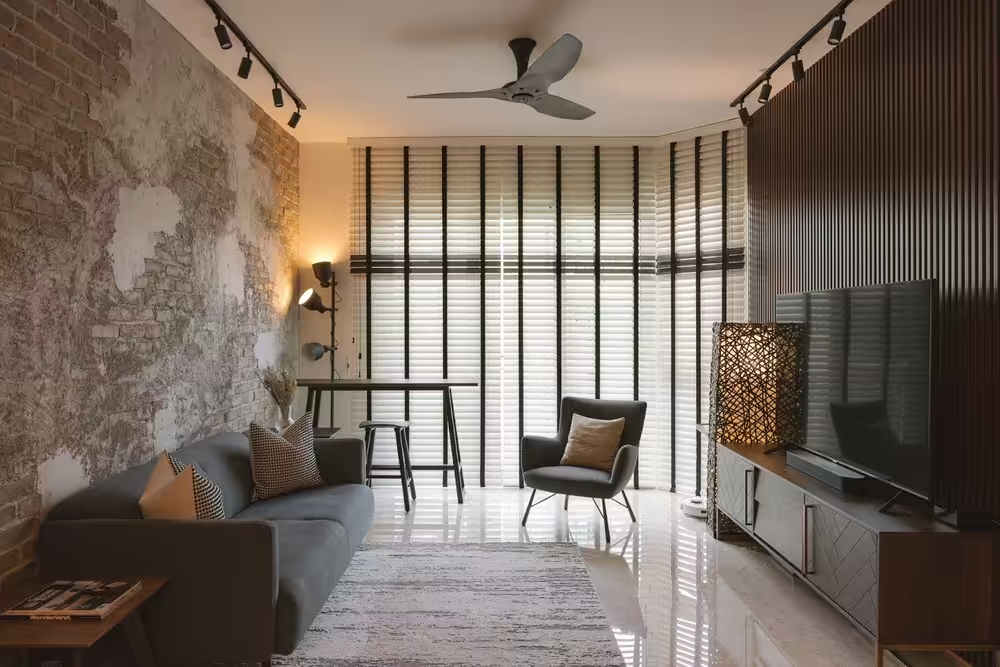
Understanding common residential environments helps clarify the difference between residential and commercial interior design, as each type of home has its own planning demands.
- Apartments: Apartments often have limited space. Designers focus on compact storage, clear circulation, and integrated furniture. Planning must consider vertical storage, natural ventilation, and practical zoning.
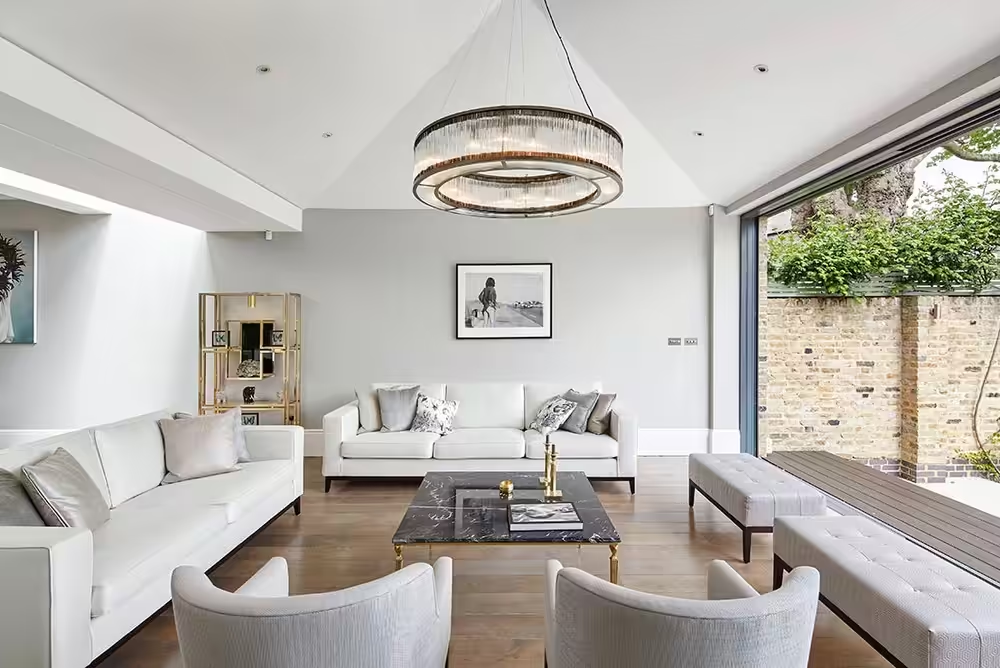
- Villas: Villas offer larger floor areas. Designers plan multiple floors, dedicated rooms, outdoor access, and service areas. Spatial flow must be clear to avoid wasted space.
- Condominiums: Condominiums require attention to built-in restrictions such as fixed walls, plumbing routes, and mechanical systems. Designers often plan kitchens, living rooms, and bedrooms with modular systems to maintain consistency.
- Townhouses: Townhouses involve narrow layouts with multiple levels. Designers must optimise stair placement, daylight access, and vertical circulation.
3. Major Differences Between Commercial and Residential Interior Design
The sections below explain these differences between commercial vs residential interior design with practical clarity.
3.1 Functionality and Usage
| Aspect | Commercial Interior Design | Residential Interior Design |
| Purpose of Use | Productivity, customer service, teamwork, equipment-heavy operations, extended operating hours | Sleeping, cooking, resting, personal hobbies, family routines |
| Spatial Planning | Wider circulation routes, clear zoning, dedicated areas (meeting rooms, pantry, reception, storage) | Private spaces, narrower circulation, flexible layouts based on family needs |
| User Behaviour | Many users moving simultaneously: staff, clients, suppliers | Fewer users, usually members of the same household |
| Circulation Needs | Wide corridors, queue management, acoustic control, efficient user flow | Flexible movement, limited need for large corridors |
| Operational Demands | Continuous lighting, stronger ventilation, more power outlets, shared equipment, hybrid-working support | Simpler systems with lower load and fewer technical requirements |
| Adaptability | Must accommodate business growth, team expansion, and operational changes | Adjusted to family life, personal routines, and long-term comfort |
3.2 Design Aesthetics and Style
| Aspect | Commercial Design | Residential Design |
| Expression of Identity | Reinforces brand identity, corporate culture, customer experience, and service consistency across multiple locations. | Reflects personal taste, comfort preferences, and individual lifestyle habits. |
| Consistency vs Personalisation | Requires consistent design standards. Materials, colour palettes, and signage must adhere to brand guidelines. | Allows for personal expression. Each room can have a distinct style as the experience is private rather than public. |
| Emotional Intent | Focuses on clarity, order, and functionality, guiding occupants efficiently through the space. | Prioritises warmth, comfort, and ease, supporting relaxation and slow-paced living. |
| Spatial Scale | Often involves larger areas with complex ceiling, lighting, and acoustic systems. | Typically smaller rooms with simpler functional requirements. |
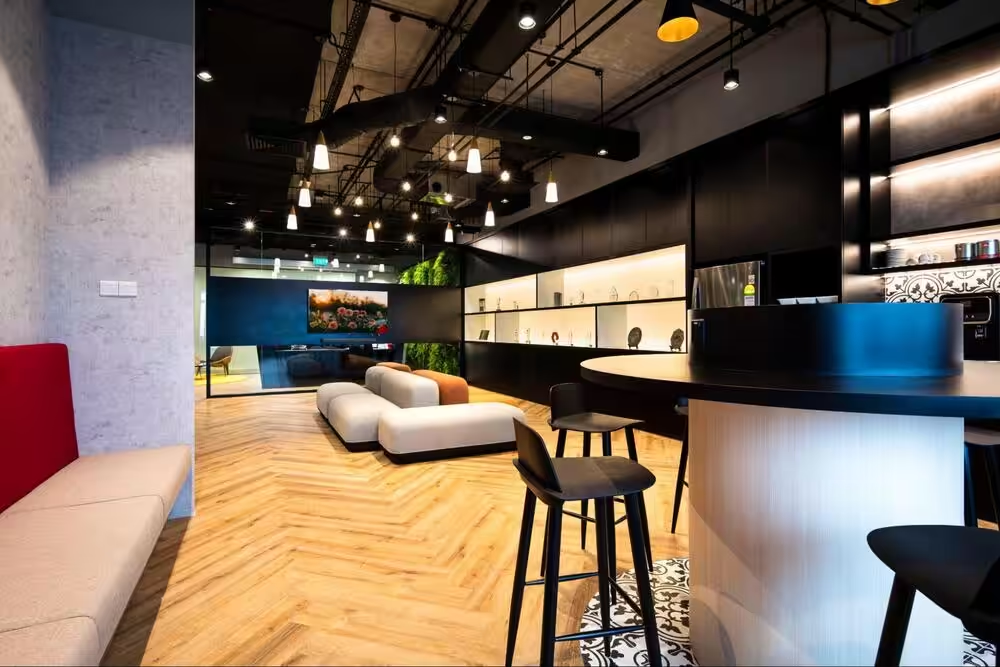
3.3 Material and Furniture Selection
| Aspect | Commercial Design | Residential Design |
| Durability and Lifespan | Utilises highly durable materials to withstand heavy foot traffic and comply with fire ratings. | Can use softer, comfort-oriented materials due to lower wear and tear. |
| Safety Standards | Must comply with regulations for fire safety, slip resistance, sustainability, and acoustic performance. | Subject to fewer mandatory safety standards. |
| Furniture Requirements | Furniture supports ergonomics, prolonged use, and accessibility requirements. | Furniture prioritises comfort, personal taste, and long-term liveability. |
| Maintenance | Materials are chosen for easy cleaning, repair, or replacement with minimal disruption. | Maintenance schedules are more flexible and can be adapted to personal preference. |
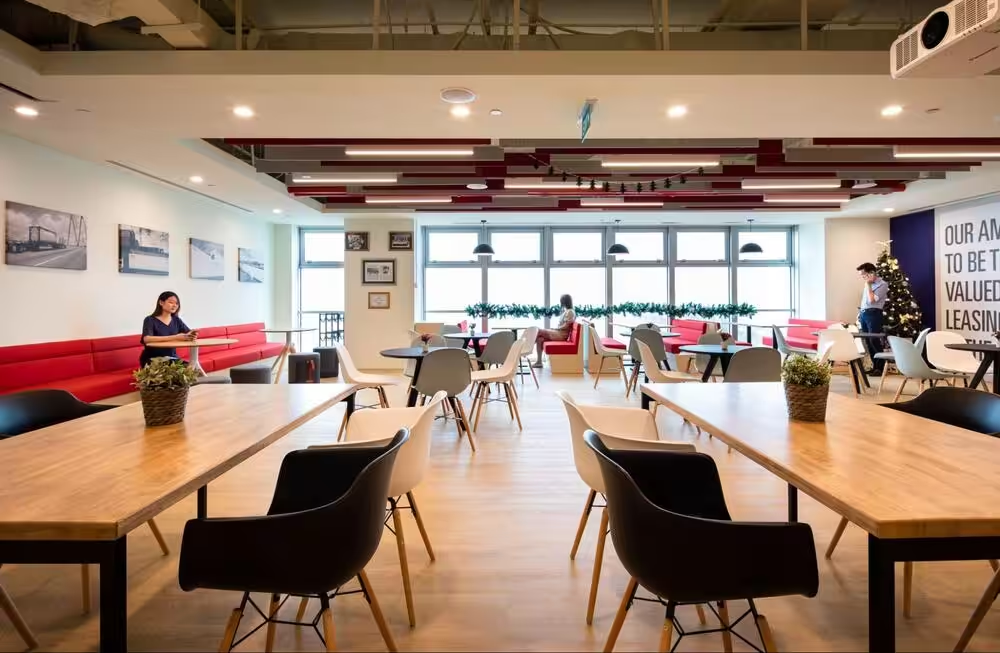
3.4 Budget Considerations
| Aspect | Commercial Design | Residential Design |
| Cost Structure | Higher costs due to fire-rated materials, accessibility features, acoustic treatment, specialist lighting, project management, and heavy-duty furniture. | Budgets mainly allocated to carpentry, finishes, appliances, and furnishings. |
| Long-Term ROI | Evaluated through productivity gains, staff and customer experience, and brand value. | Focuses on comfort, lifestyle needs, and potential resale value. |
| Replacement Cycle | Planned refurbishment every few years to maintain standards. | Updates occur more gradually, often based on personal preference. |
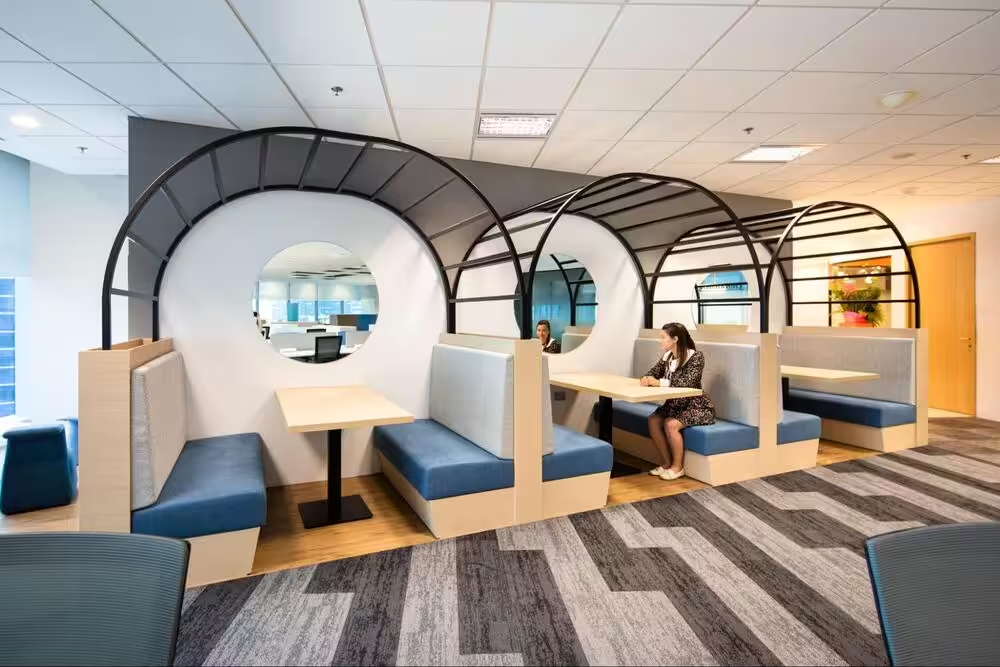
3.5 Regulations and Compliance
| Aspect | Commercial Design | Residential Design |
| Compliance Requirements | Must adhere to fire safety codes, accessibility regulations, emergency lighting standards, acoustic requirements, workplace safety guidelines, and air quality/ventilation rules. | Follow basic electrical safety, plumbing standards, and ventilation requirements. |
| Documentation and Approvals | Multiple approval stages and extensive technical documentation are required. | Fewer documents and shorter approval timelines. |
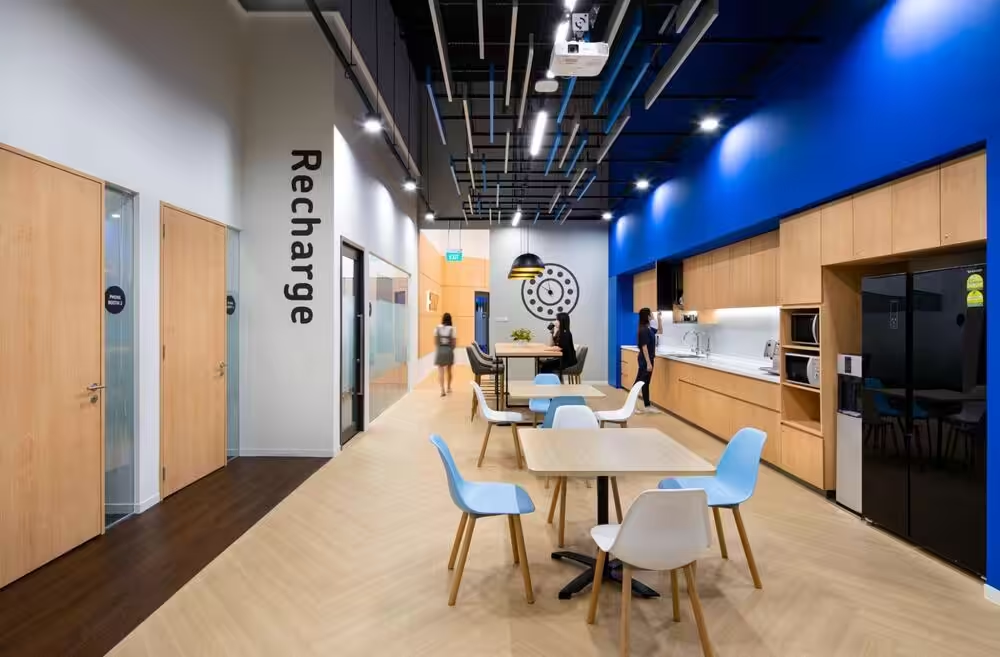
By recognising these differences in commercial vs residential interior design, designers and property owners can create environments that are both beautiful and purposeful, ensuring that every space serves its intended function while enhancing the overall experience of its occupants.
Contact OSCA to receive professional modern commercial interior design consultation, tailored to for your business needs.