A minimalist office design has become a strategic direction for organisations seeking clarity, efficiency, and long-term operational stability. This article examines the key principles, design variations, operational elements, common mistakes, and the role of OSCA as a trusted partner in building disciplined and effective minimalist office spaces.
Contents
1. Introduction to minimalist office design
A minimalist office design is a workspace model that removes non-essential elements and keeps only what supports work. The purpose is to create a minimalist office space where teams can focus, move with ease, and manage daily tasks without distraction. This approach does not reduce the workplace to empty rooms; instead, it creates a structured environment built around clarity, flow, and function.
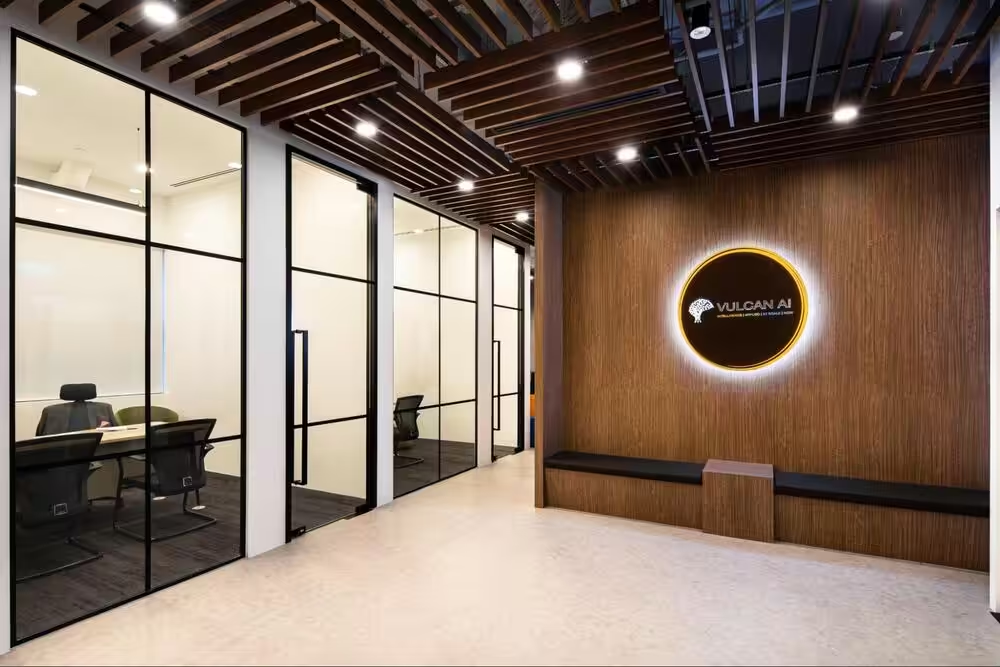
A practical office design minimalist begins with understanding what your organisation needs to operate each day. The core principles include:
- Functional reduction: Remove items that do not serve a clear purpose.
- Clear spatial organisation: Arrange work areas to support movement, light, and task flow.
- Consistency in materials: Use a limited palette for cohesion.
- Integrated technology: Hide cables, mount screens, and simplify equipment.
- Human-centred planning: Focus on posture, lighting quality, and ease of use.
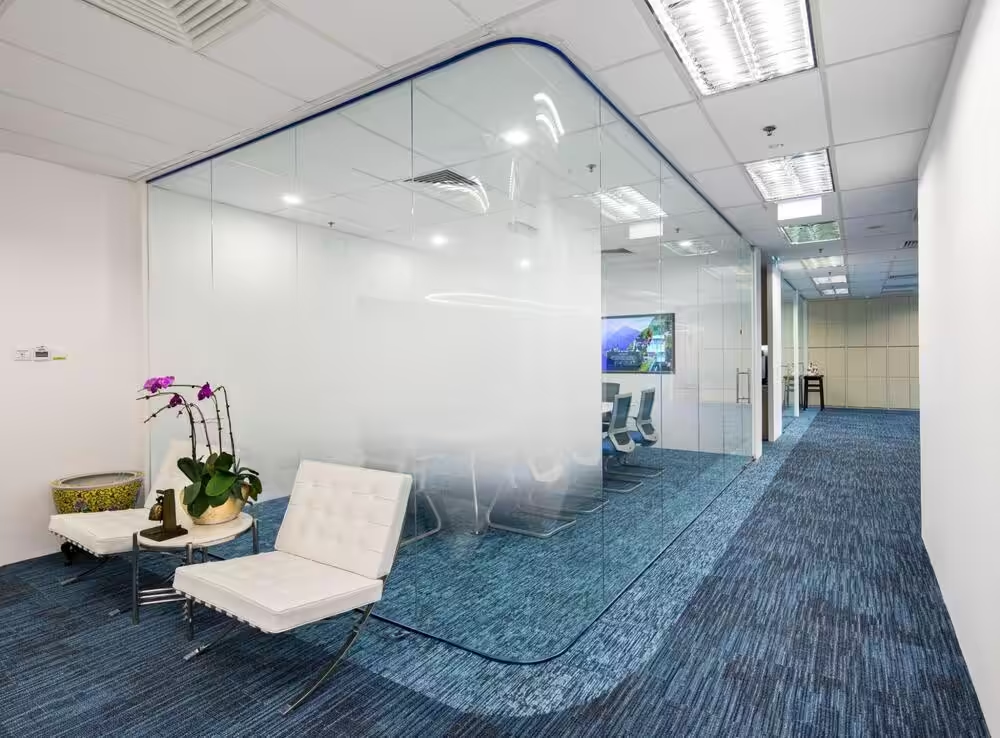
Benefits of a minimalist office design:
- Improves productivity by removing visual and physical distractions.
- Supports task clarity through structured zones for work, meetings, and collaboration.
- Reduces time waste as staff locate tools, documents, and equipment more quickly.
- Enhances mental wellness by creating calm, orderly environments with stable visual input.
- Strengthens focus through clear desktops, organised storage, and simple circulation routes.
- Improves environmental quality with better light distribution and reduced clutter.
- Lowers operational costs because the workspace uses fewer unnecessary items and requires simpler maintenance.
- Reinforces a modern identity through consistent minimalist office design interior and disciplined use of materials.
- Supports long-term efficiency by making the workspace easier to clean, maintain, and update.
- Encourages healthier posture through well-chosen furniture aligned with minimalist office layout principles.
2. Minimalist office design ideas
Minimalist office design ideas illustrate how organisations can apply the principles of minimalism across different workplace contexts.
2.1 Small office minimalism
Small office minimalism focuses on extracting the full potential of limited floor areas. Its defining characteristic is deliberate reduction: each item within the minimalist office space must serve a clear purpose. The layout of this minimalist office design is tight yet organised, relying on clean planes, linear arrangements, and multi-purpose elements to avoid congestion.
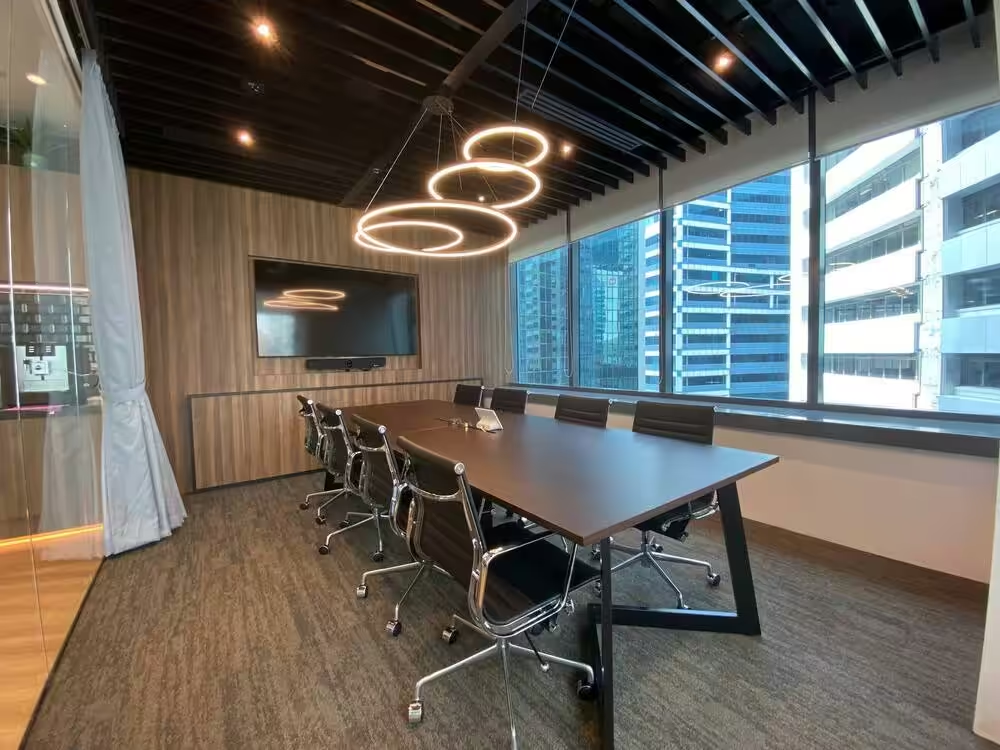
Natural light plays a central role, expanding the perceived volume of the room and creating balance. Surfaces adopt neutral tones to reduce visual pressure and maintain calm. Objects are slim, streamlined, and scaled to suit the compact footprint. The overall impression is one of order, lightness, and spatial discipline.
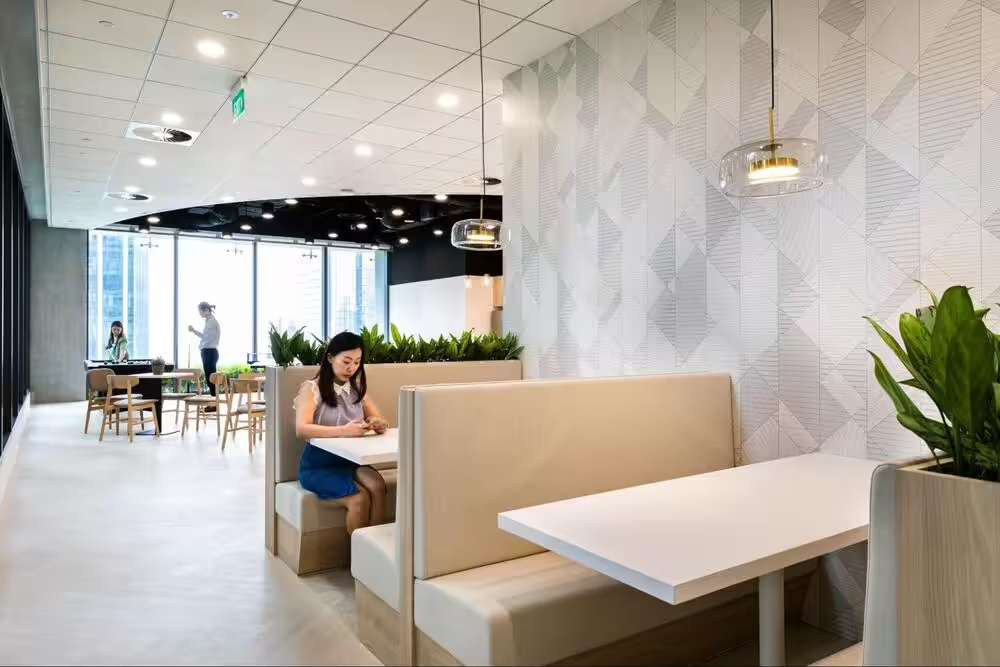
2.2 Corporate professional minimalism
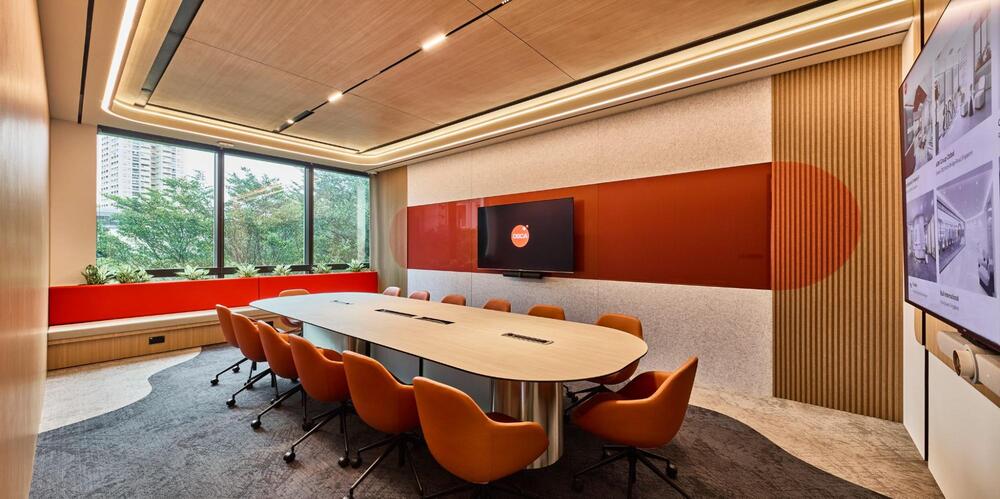
Corporate professional minimalism reflects the expectations of larger organisations and formal business settings. This approach emphasises symmetry, order, and confident spatial sequencing. It is grounded in a refined combination of materials such as glass, stone, structured timber, and controlled metal finishes, which convey professionalism without excess.
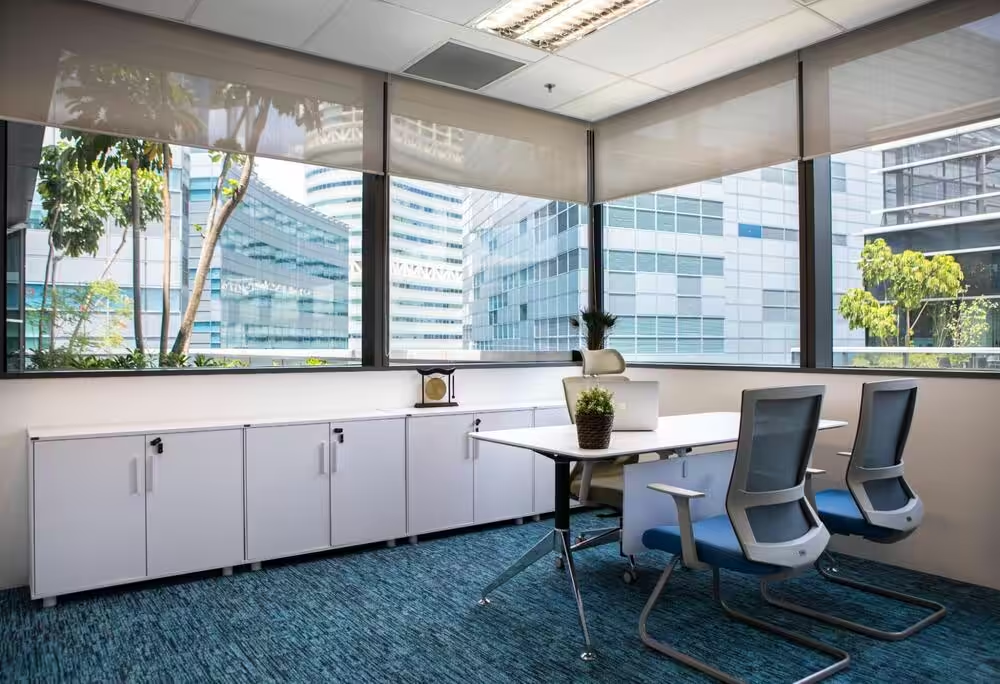
Spaces follow a logical hierarchy: boardrooms, executive areas, reception zones, and work clusters align to form a coherent and stable arrangement. Visual noise is removed, but the environment remains strong in presence and tone. This minimalist office design reinforces corporate authority and operational integrity.
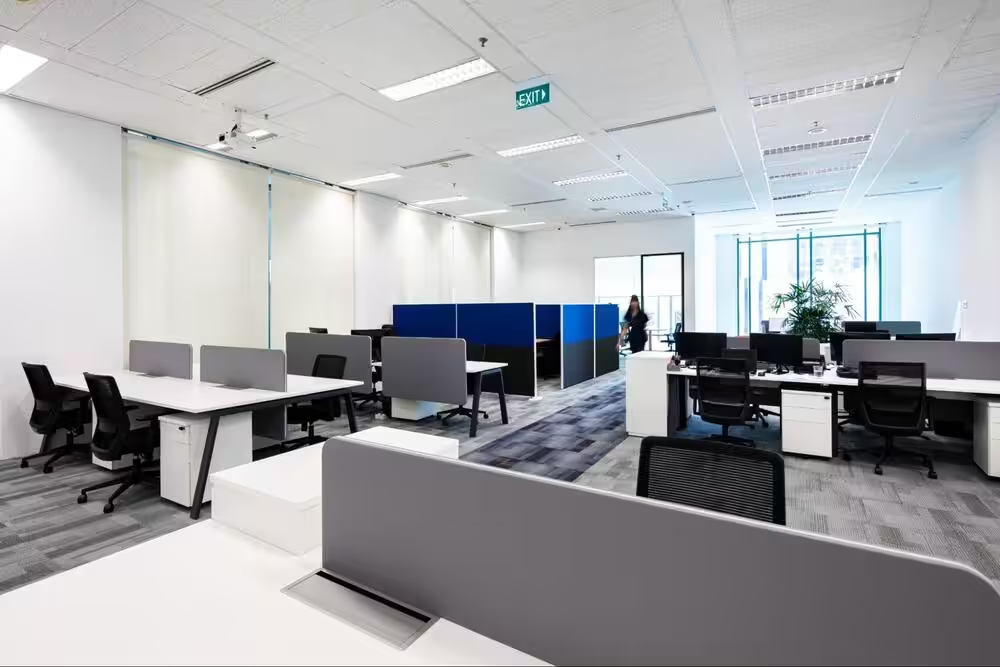
2.3 Creative & Innovative minimalist workspaces
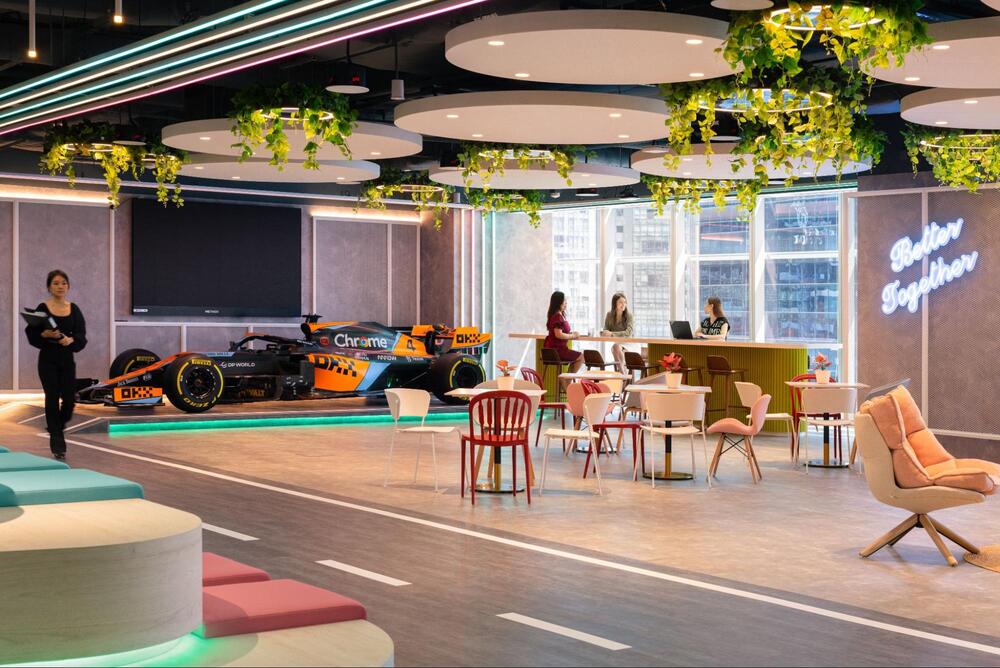
This style merges the clarity of minimalist office design with the flexibility needed for creative work. Its defining characteristic is the duality between a clean structural base and selective expressive elements. Walls, floors, and ceilings remain neutral to form a calm backdrop, while key highlights such as accent colours, distinct textures, or unique shapes introduce creative energy without overwhelming the layout.
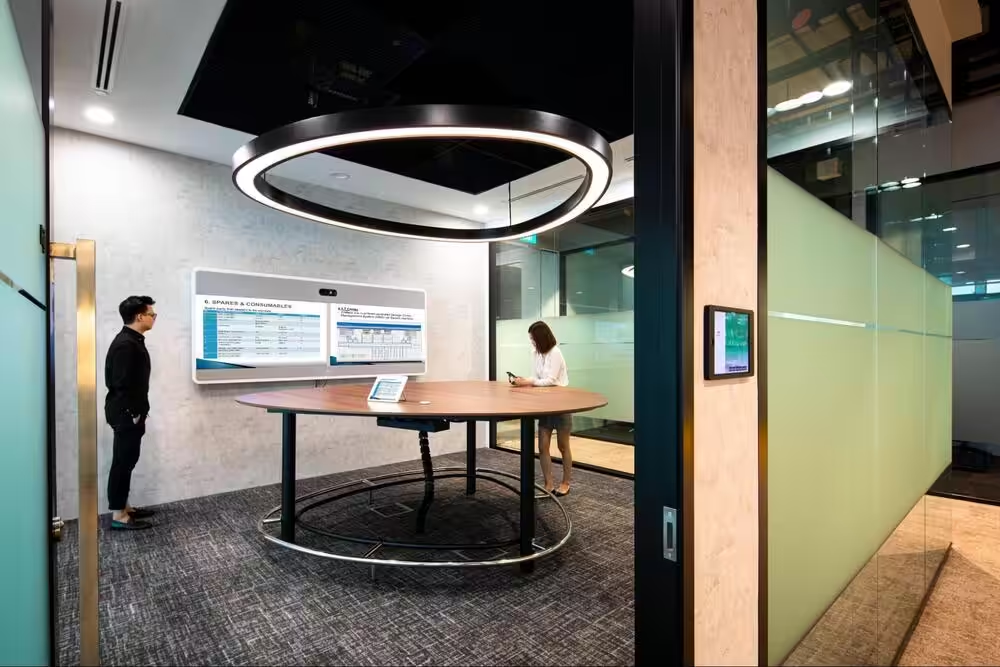
The space remains open, adaptable, and visually coherent. The structure of the minimalist office layout supports idea generation, teamwork, and rapid concept development by offering a controlled yet liberating environment. Visual clutter is minimal, allowing creative teams to focus and explore without distraction.
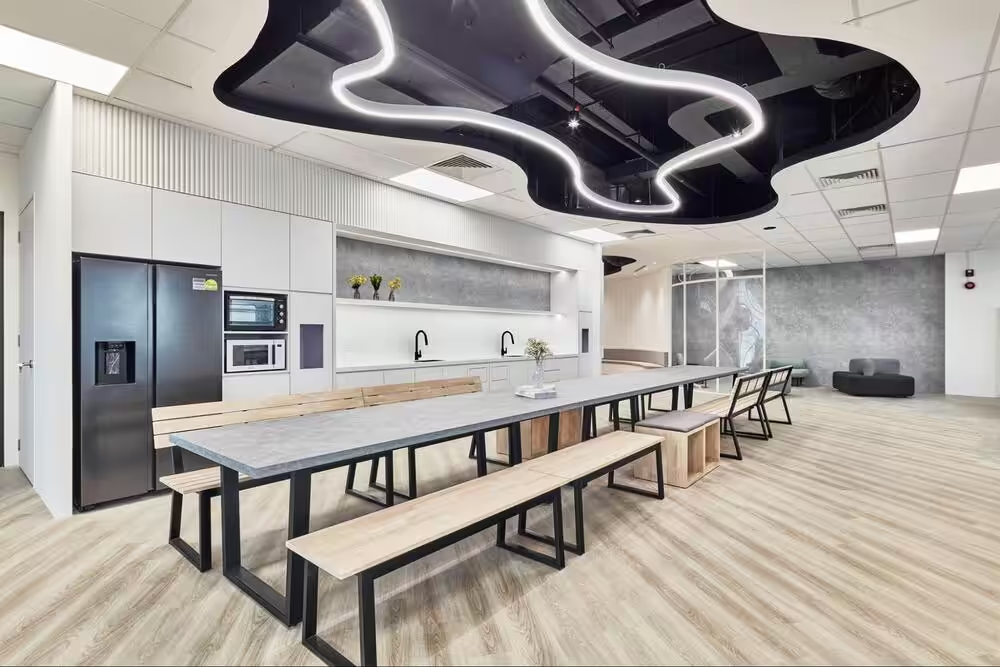
2.4 Sustainable minimalism
Sustainable minimalism combines the principles of minimalism with environmental responsibility. The focus is on responsible material selection, operational efficiency, and human wellbeing. Workspaces use recycled timber, low-VOC paints, long-lasting metals, and other environmentally conscious materials that align with ESG priorities.
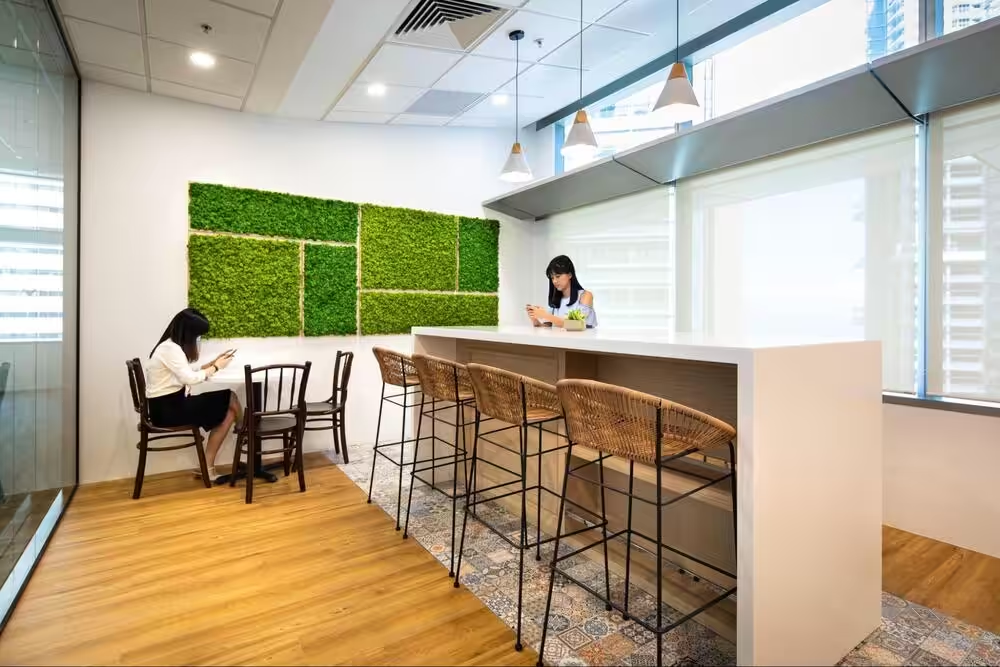
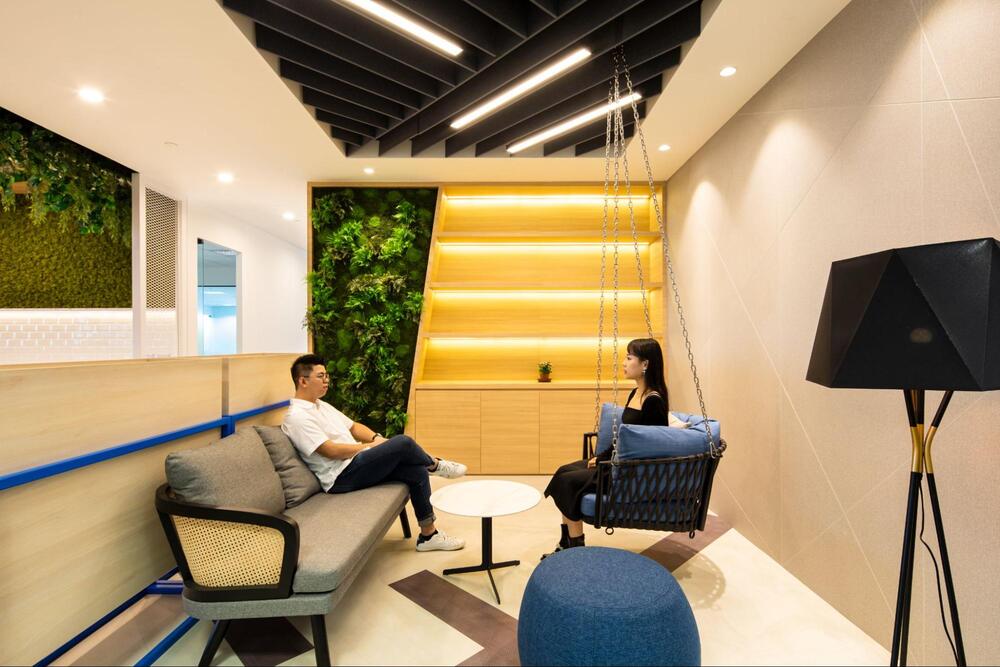
Biophilic elements are central to this style: plants, natural textures, organic patterns, and carefully managed light create a sense of calm and connection. Surfaces are open and uncluttered, allowing natural elements to take visual focus. The atmosphere is quiet, balanced, and supportive of mental wellness.
3. Key elements of minimalist office design
Layout and space planning
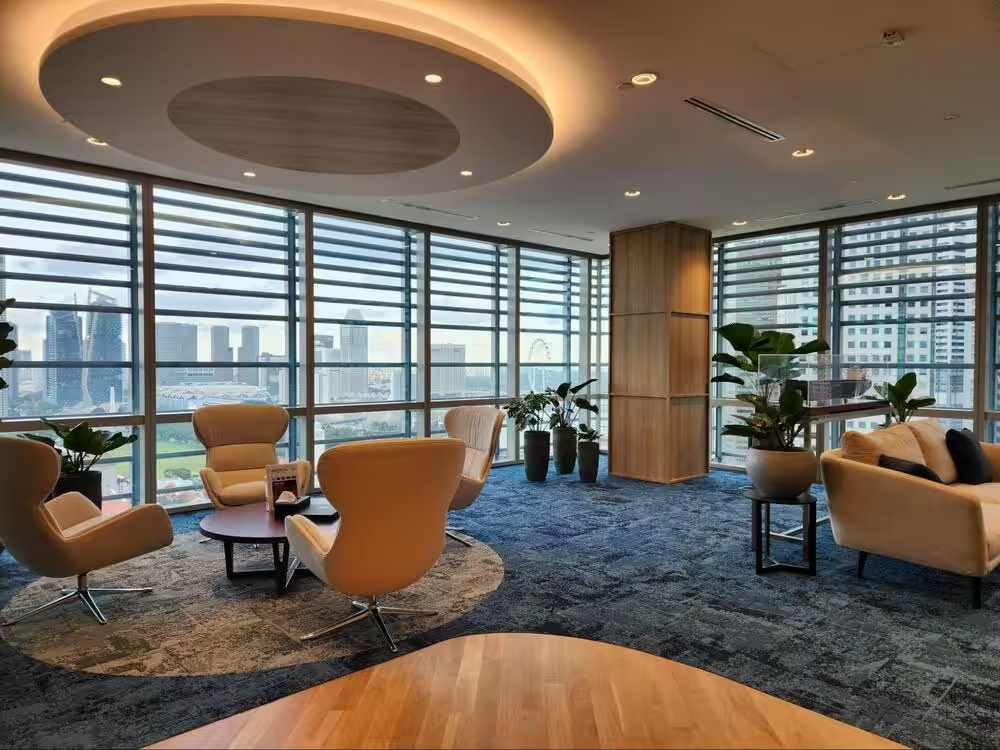
A strong minimalist office layout relies on clear circulation, open zones, and purposeful spatial hierarchy. The plan removes visual noise and supports uninterrupted movement across the minimalist office space. Long sightlines, balanced proportions, and single-purpose zones form the foundation of effective minimalist office design, ensuring each area operates with clarity and structural discipline.
Furniture and materials
Furniture in a minimalist office must be functional, proportional, and consistent in material treatment. A restrained palette, slim profiles, and durable finishes define a cohesive modern minimalist office interior design. High-quality materials reduce long-term waste while supporting the calm, structured identity of a modern minimalist office and reinforcing the core logic of office design minimalist environments.
Colour palette and lighting
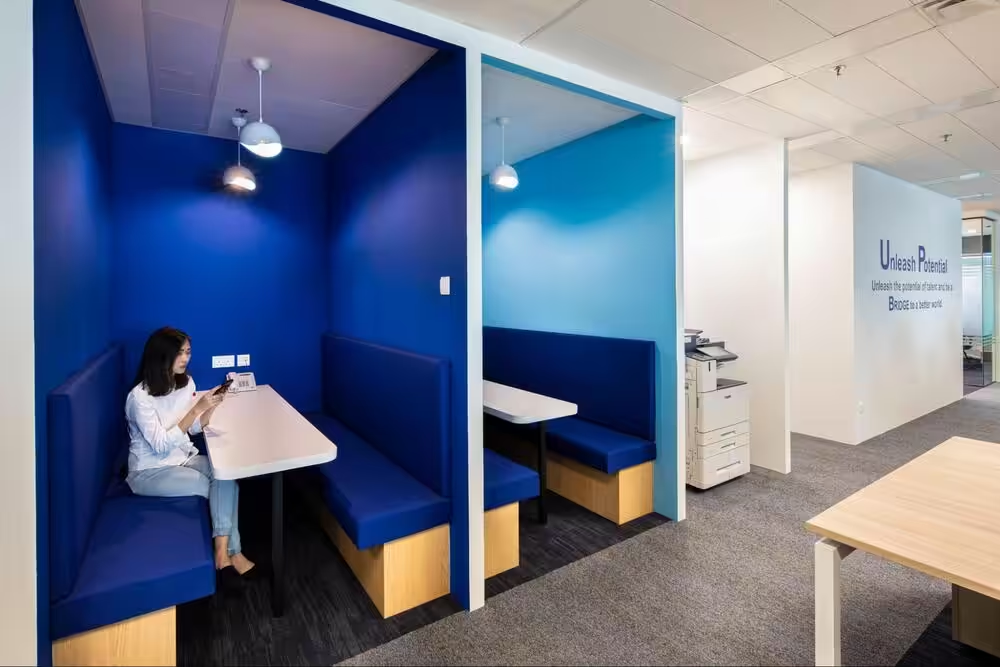
A minimalist office design depends on neutral tones and controlled lighting. Natural light shapes openness, while layered artificial lighting ensures comfort and accuracy. The palette remains simple to reduce distraction and maintain visual order. Balanced tones support the focus and calm expected in a minimalist modern office and strengthen the clarity of the wider minimalist office layout.
Technology integration
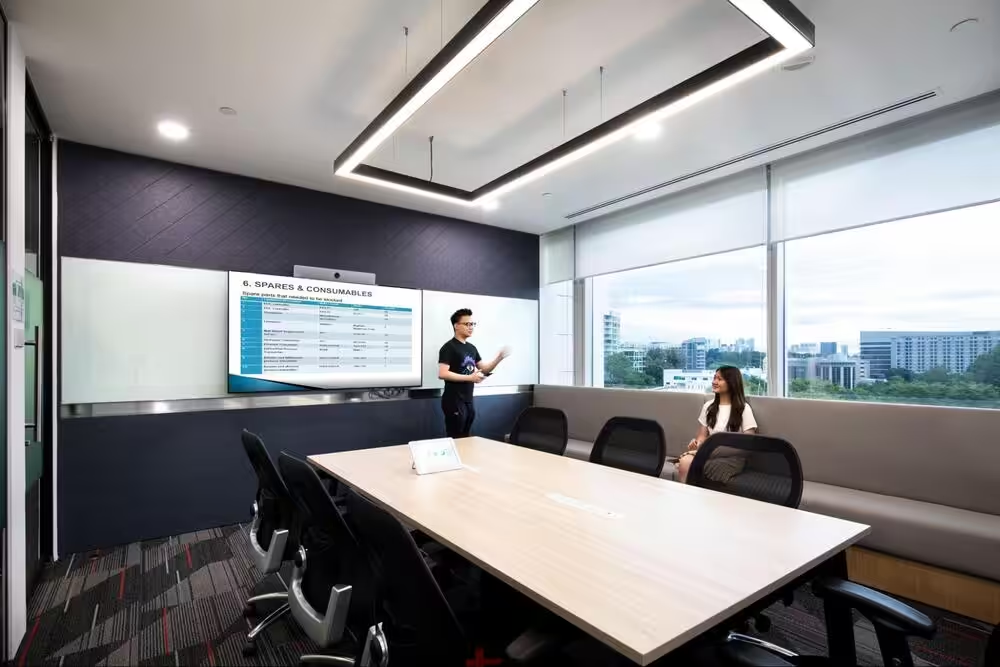
Technology in a minimalist office must appear seamless. Wireless tools, concealed wiring, and mounted screens maintain order and protect the visual rhythm of the minimalist office space. Centralised equipment zones reduce clutter, while integrated systems create a clean, efficient environment suitable for both collaborative areas and minimalist CEO office design settings.
4. Common mistakes to avoid in minimalist office design
Over-simplification leading to sterility
Many organisations reduce minimalism to empty rooms and bare desks. This creates sterile spaces that fail to support real work. A successful minimalist office design retains essential tools, balanced materials, and clear proportions. A minimalist office should feel intentional, not vacant. Subtle texture, controlled accents, and coherent structure help maintain warmth without breaking the discipline of office design minimalist principles.
Ignoring functionality for aesthetics
Some workplaces prioritise visual purity and overlook operational needs. This weakens performance and disrupts workflow. Functional proportion, ergonomic support and proper technology integration are essential to every minimalist office layout. A clean look without usability fails quickly. Effective minimalist office interior design ensures that desks, storage and circulation serve daily tasks before style.
Poor lighting choices
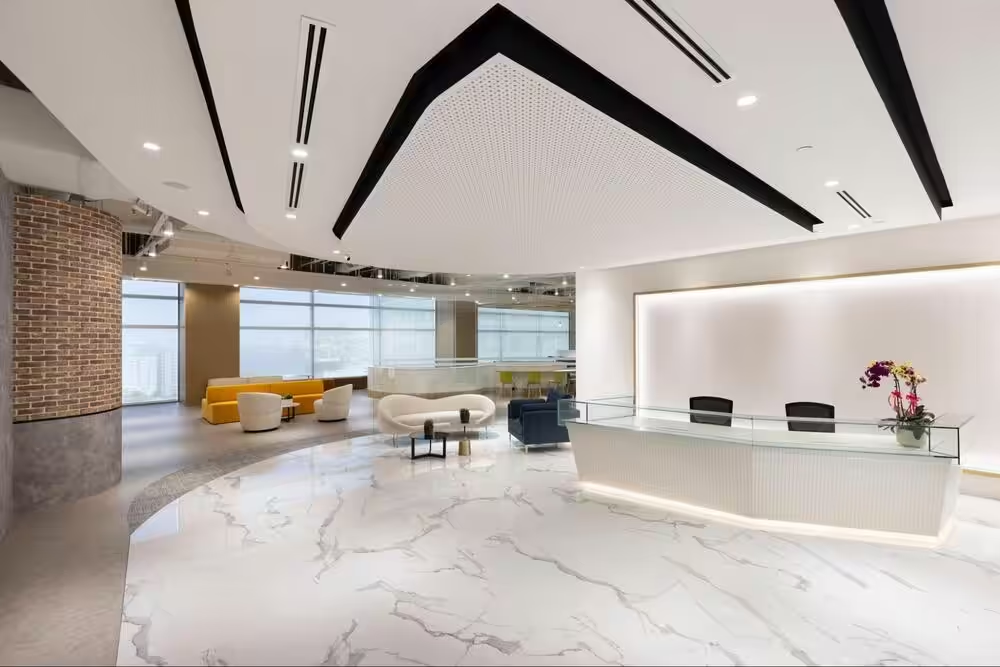
Lighting is often oversimplified in minimalist office design ideas. Insufficient natural light, harsh fixtures, or poor positioning reduce clarity and comfort. Balanced ambient and task lighting is necessary to maintain focus across a minimalist modern office. The aim is to support visibility, reduce glare and preserve the calm rhythm expected in a well-planned minimalist office space.
Neglecting employee comfort
Minimalism fails when it ignores human needs. Overly rigid layouts, limited storage and non-ergonomic furniture lead to discomfort and visual clutter. A functional minimalist office must support posture, movement and environmental comfort. When employees lack proper equipment, the workspace loses the stability and order associated with design office minimalist environments.
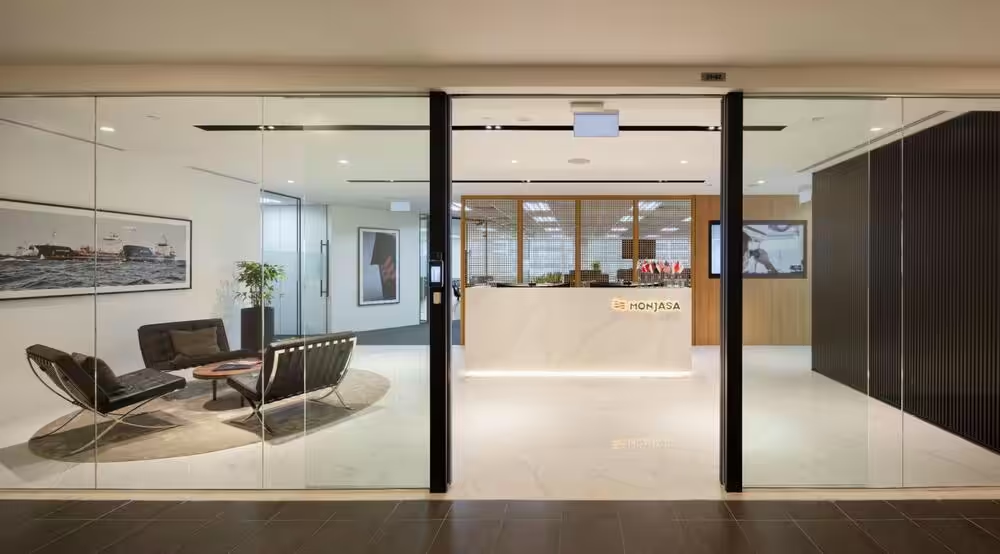
5. OSCA – A trusted minimalist office designer
OSCA stands as a recognised design-and-build partner for companies seeking minimalist office design with clear structure and strong functional value. Every project begins with a direct study of workflow, space limits and operational needs. The aim is to remove excess, create clarity and strengthen how people move, meet and work. This approach allows OSCA to deliver minimalist office spaces that support long-term performance, not only short-term visual effect.
OSCA applies a method that aligns design intent with business demands. Each minimalist office layout is planned to shorten circulation routes, reduce visual noise and highlight essential work zones. It also ensures that storage, lighting, materials and technology are placed with purpose. This reinforces the discipline of office design minimalist strategies while maintaining comfort for teams in daily operation.
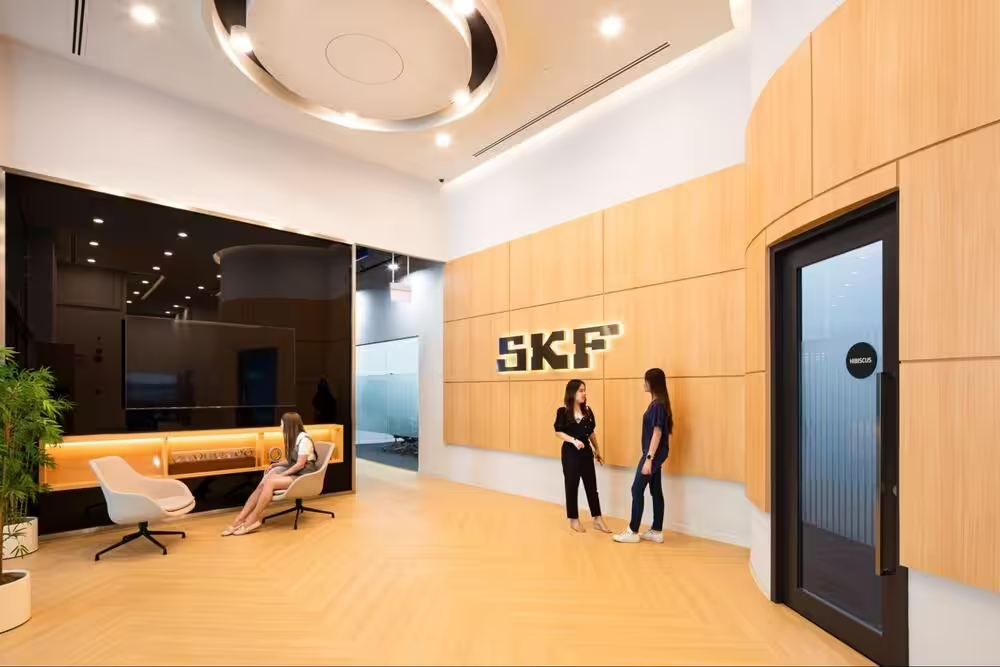
OSCA’s portfolio covers a wide range of modern minimalist office interior design directions, from compact work hubs to full-floor corporate environments. The team develops settings that match the identity of each client, whether it is a modern minimalist office, a process-driven workspace or a leadership suite that requires a focused minimalist CEO office design. Clear geometry, integrated storage, hidden cabling and neutral colour schemes define many of OSCA’s solutions.
OSCA’s design strengths in minimalist workspaces
- Strong understanding of workflow and human behaviour: OSCA starts each project with interviews, observation sessions and operational mapping. This exposes the real demands of the space. It helps define the core zones needed for focused work, collaboration and circulation. This clarity forms the foundation for effective minimalist office ideas.
- Technical discipline in layout and construction: Every line, angle and junction is reviewed to ensure accuracy during construction. OSCA works with detailed 2D and 3D models to test proportions and correct blind spots. This ensures that a minimalist modern office is built with structural stability and long-term durability.
- Integrated technology and hidden infrastructure: The team adopts solutions that keep equipment accessible but visually contained. Cable trays, floor boxes and modular systems support a clean design office minimalist outcome without reducing operational convenience.
- Material selection based on performance and lifecycle: OSCA selects materials that work well with daily activity and maintenance cycles. Surfaces, lighting, acoustic treatments and furniture are chosen to support clarity and comfort in any minimalist office design ideas.
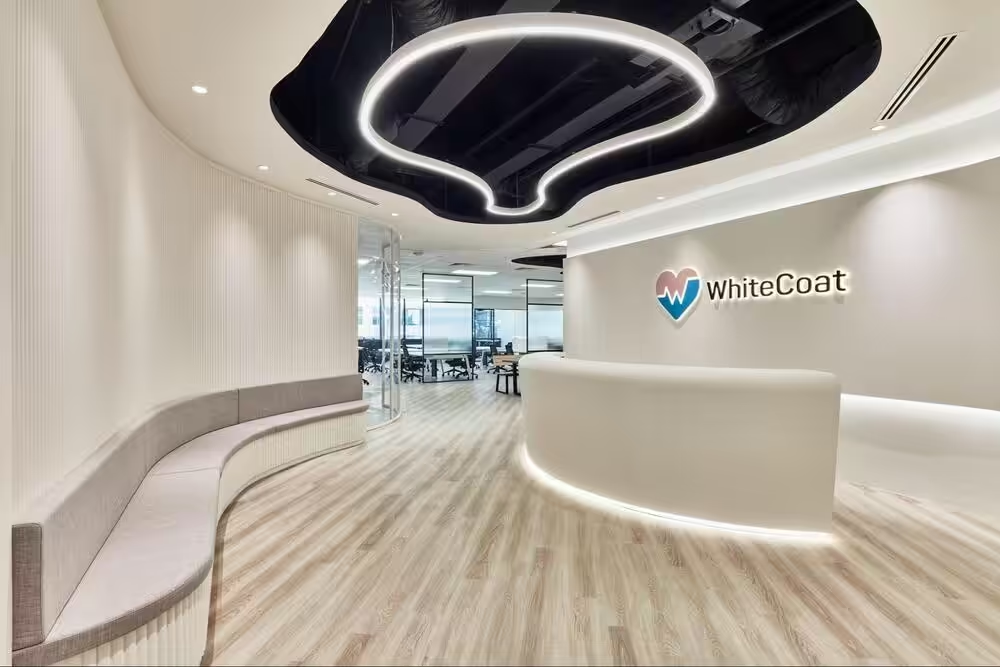
Notable minimalist projects by OSCA
OSCA has contributed to multiple headquarters, creative studios and corporate offices in Singapore. Each project shows the balance between clarity, durability and user comfort. The team delivers spaces where visual order guides behaviour and reduces distraction. It also ensures that each minimalist office retains a sense of identity that fits the client’s culture.
Some projects include:
- Workspaces for technology firms with open, structured zones and integrated meeting pods.
- Executive floors developed with refined proportions and controlled lighting for minimalist CEO office design needs.
- Small-scale offices with modular systems that maximise productivity within limited floor area.
- Large-format corporate settings with layered acoustic solutions that support quiet focus.
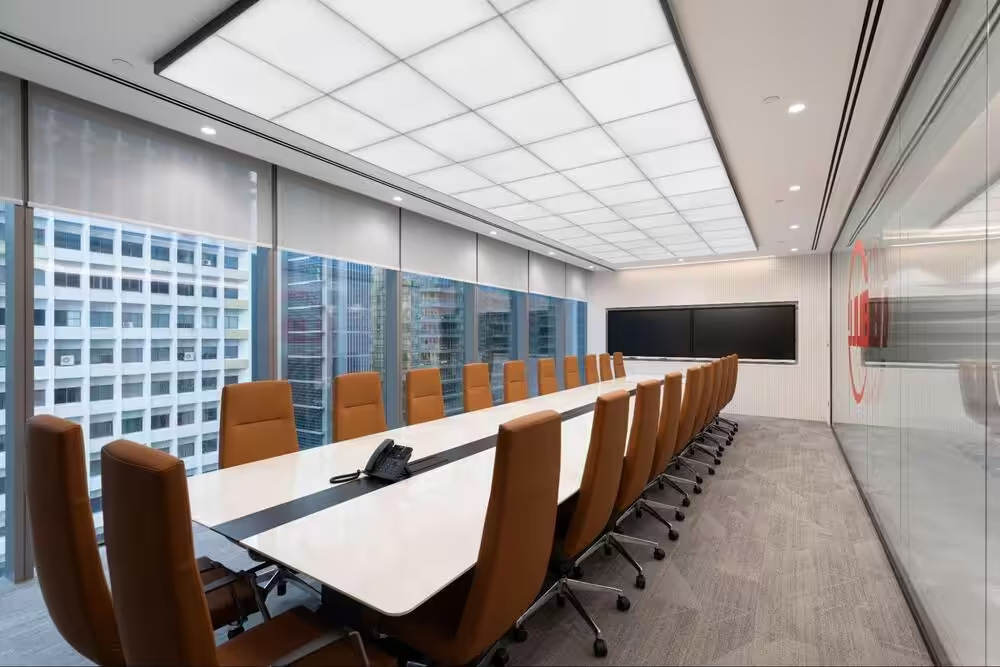
Why companies choose OSCA?
Clients engage OSCA for its clarity in method, precision in execution and transparent communication. The team commits to delivering spaces that raise productivity, reduce clutter and support long-term scalability. This consistency positions OSCA as one of the most trusted partners for minimalist interior design for office and minimalist office space planning.
OSCA continues to refine its process as work patterns evolve. The company’s focus on human experience, technical rigour and functional strength allows businesses to operate with greater stability. This makes OSCA a reliable partner for firms that seek an enduring, efficient and coherent minimalist office design.
A well-executed minimalist office design is not an aesthetic exercise but a functional framework that supports clarity, performance, and long-term organisational growth. OSCA’s experience, technical precision, and client-centred approach reinforce its position as a reliable partner for organisations seeking a modern, efficient, and coherent minimalist office. With the right method, any workplace can transform into a focused, balanced, and future-ready environment.