Today’s conference room design is more than just meeting spaces. They showcase a company’s culture, professionalism, and dedication to productivity. In this article, explore practical design trends, and key principles for creating modern, functional, and stylish conference rooms with OSCA Asia.
Contents
1. Styles & Trends in conference room design
1.1 Modern & Minimalist
Modern and minimalist conference room designs focus on simplicity, clean lines, and functionality. Instead of adding too many decorative elements, this style prioritises a clutter-free environment that helps people stay focused and productive.
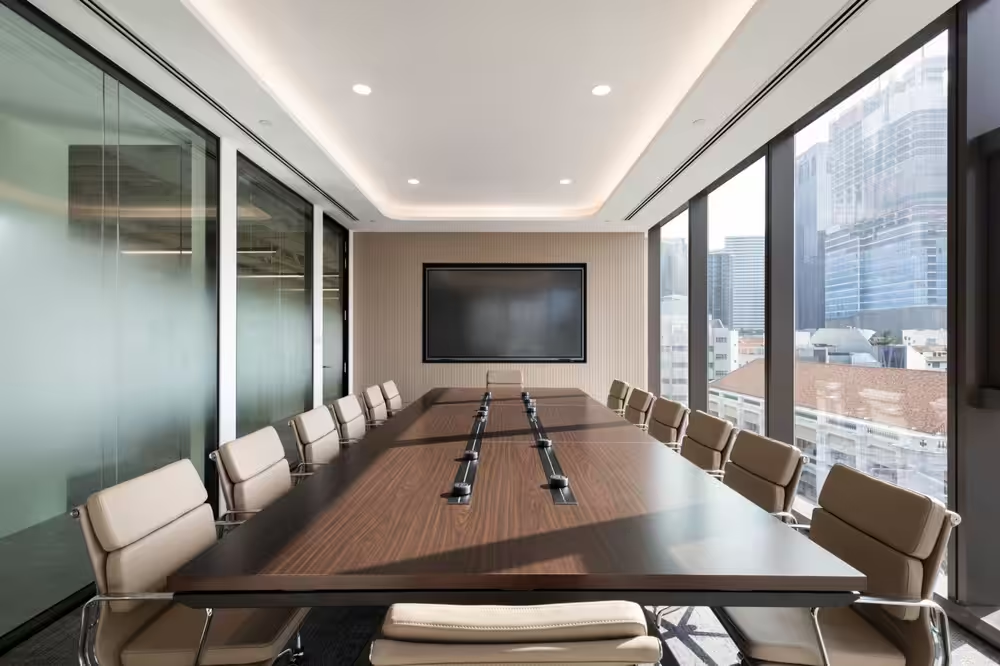
Typical features include:
- Neutral colors like white, grey, or beige, often mixed with wood or stone.
- Sleek furniture with clean lines and no extra details.
- Built-in storage to keep cables and tech equipment hidden.
- Seamless tech integration with wall-mounted screens and wireless systems.
- Bright, open feel with natural light or soft LED lighting.
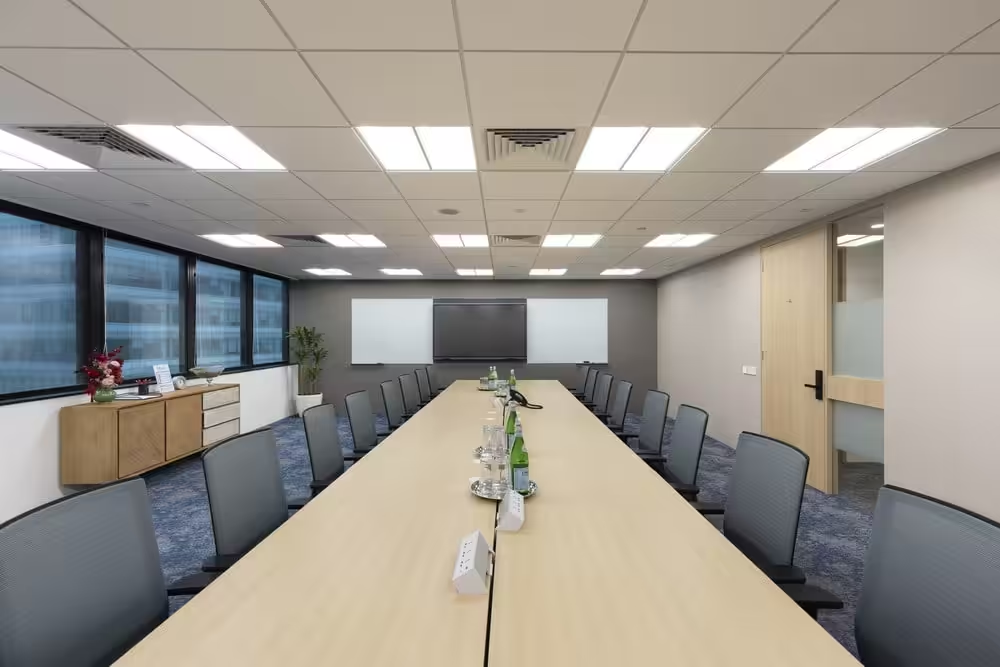
The overall goal is to create a space that feels calm, organised, and professional. They also suit businesses that prefer a sleek, contemporary corporate image.
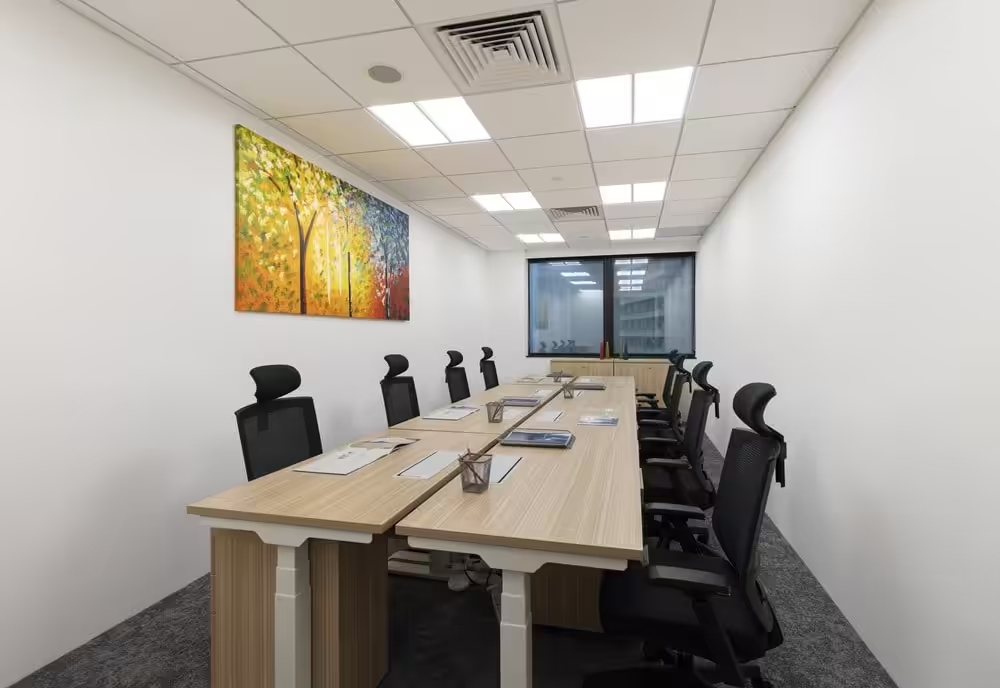
1.2 Collaborative & Flexible layouts
Collaborative and flexible conference room designs are designed to support teamwork, interaction, and adaptability. Rather than sticking to a fixed setup, these spaces can be easily rearranged to suit different meeting styles, from quick huddles and brainstorming sessions to workshops or hybrid meetings.
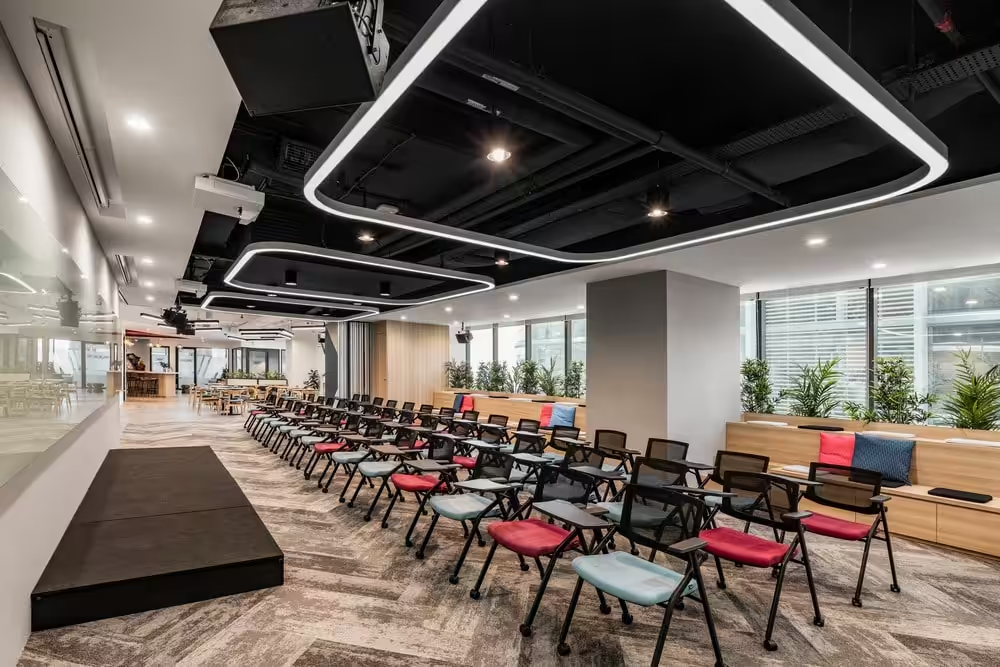
The design for conference room aims to foster open dialogue, creativity, and seamless collaboration, ideal for dynamic teams.
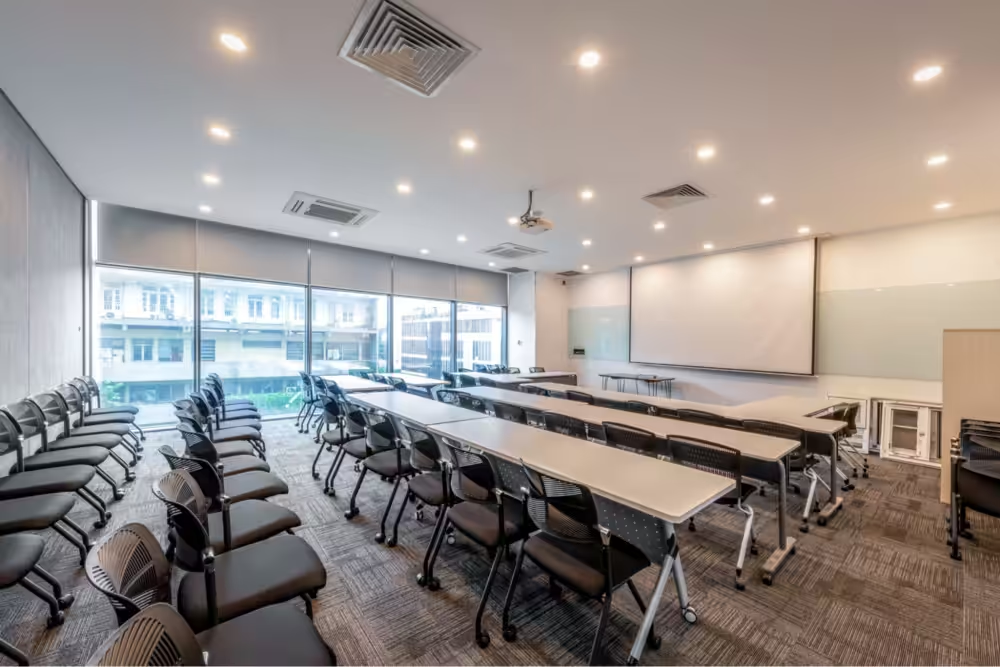
Typical features include:
- Movable, lightweight furniture for quick reconfiguration
- Modular layouts for both small groups and larger sessions
- Mobile whiteboards, digital screens, and writable walls
- Connectivity for hybrid meetings and multi-device collaboration
- Casual lounge areas to encourage informal interaction
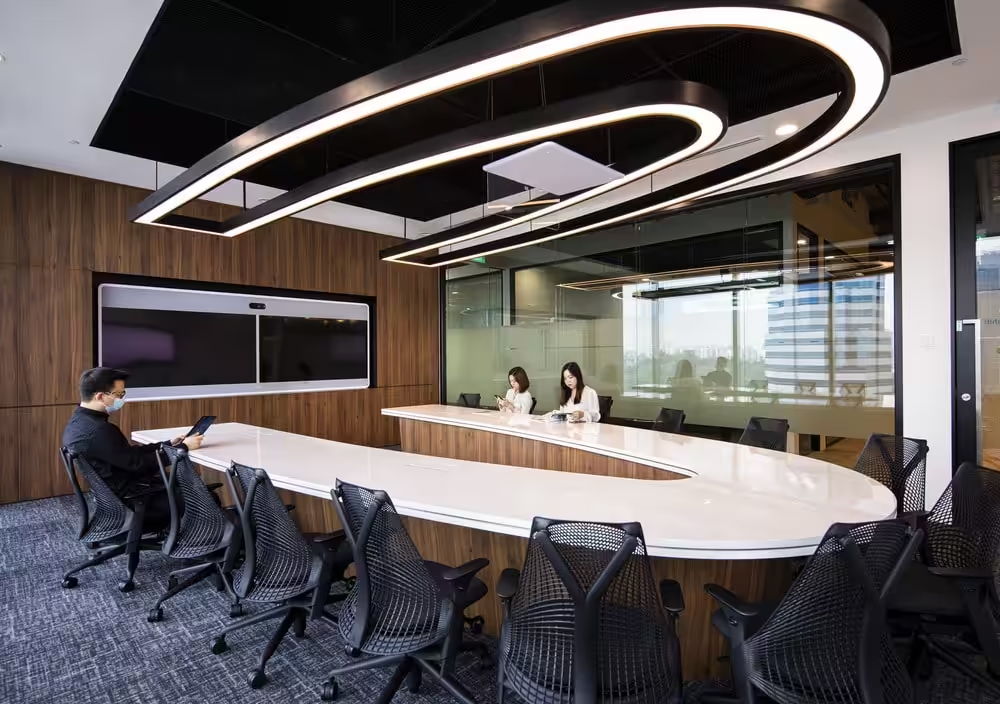
1.3 Biophilic & Sustainable design
Biophilic and sustainable conference room design brings nature into the workspace and focuses on long-term environmental responsibility. This style aims to improve well-being, reduce stress, and create a healthier meeting environment by incorporating natural elements and eco-conscious materials.
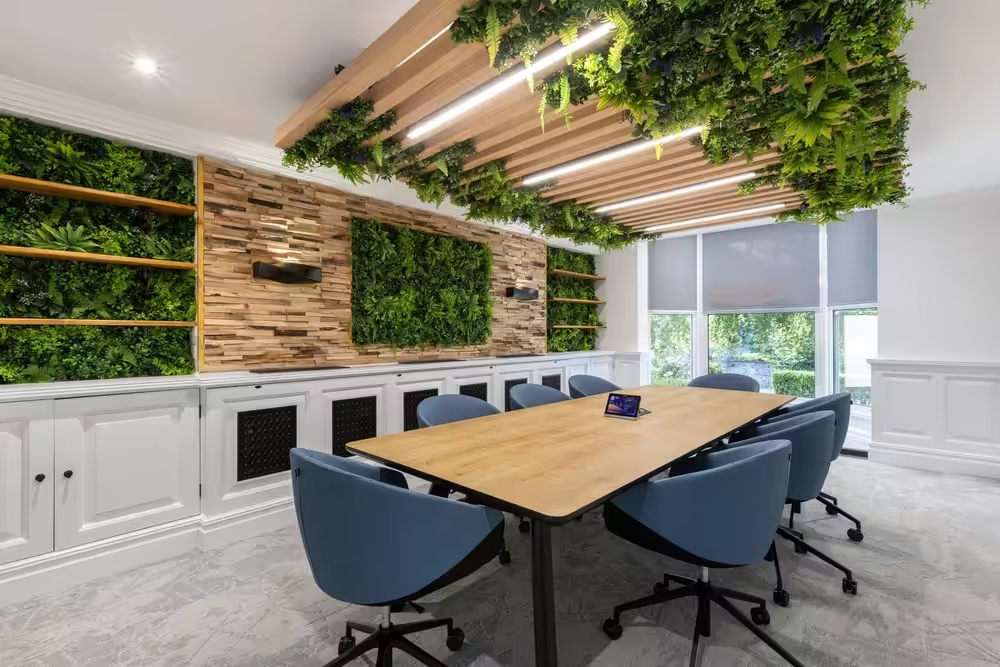
Typical features include:
- Natural materials such as wood, bamboo, or stone
- Indoor plants, green walls, or views of nature to improve air quality and relaxation
- Large windows for maximum natural light and reduced reliance on artificial lighting
- Energy-efficient systems (LED lighting, smart HVAC controls, motion sensors)
- Sustainable furniture and materials with eco-friendly certifications
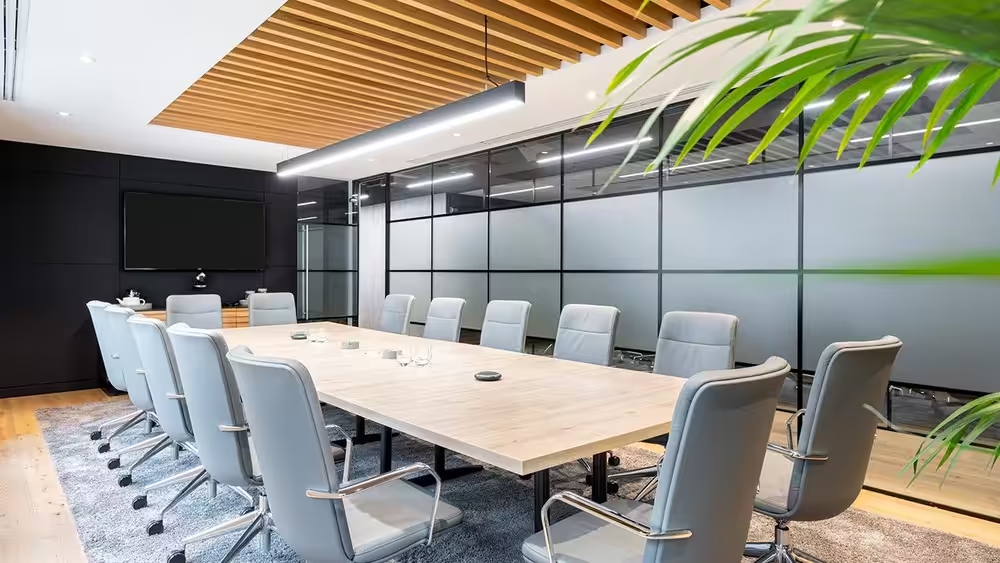
This approach goes beyond aesthetics — it creates a workspace that supports wellness, reduces environmental impact, and reflects a company’s commitment to sustainability.
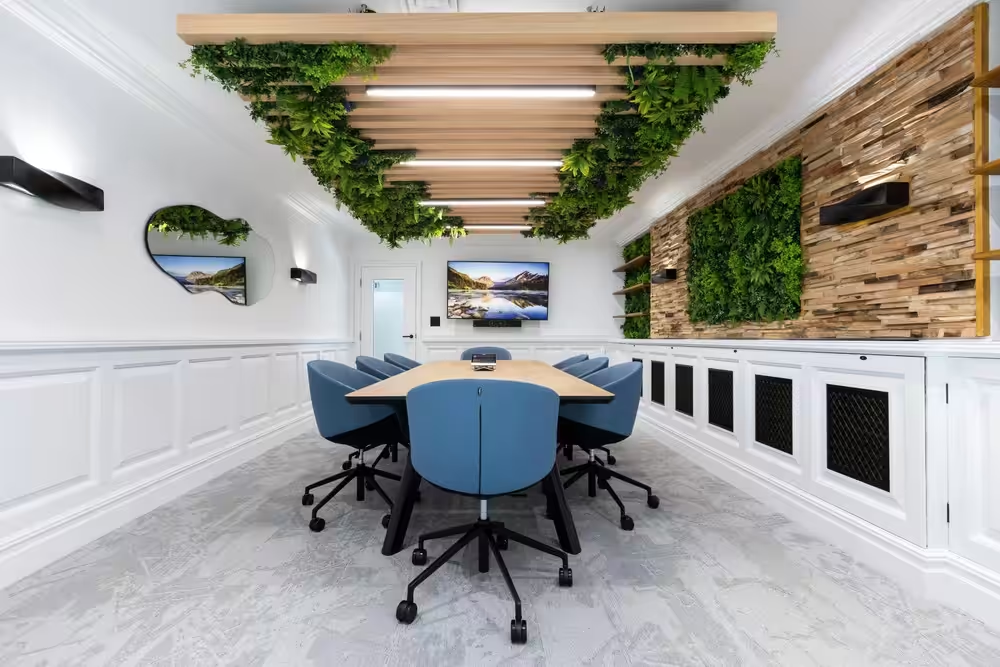
1.4 Smart & Interactive boardrooms
Smart and interactive boardrooms are designed to seamlessly integrate technology and collaboration in conference hall design. These spaces use advanced tools to make meetings more efficient, engaging, and interactive, supporting both in-person and remote participants.
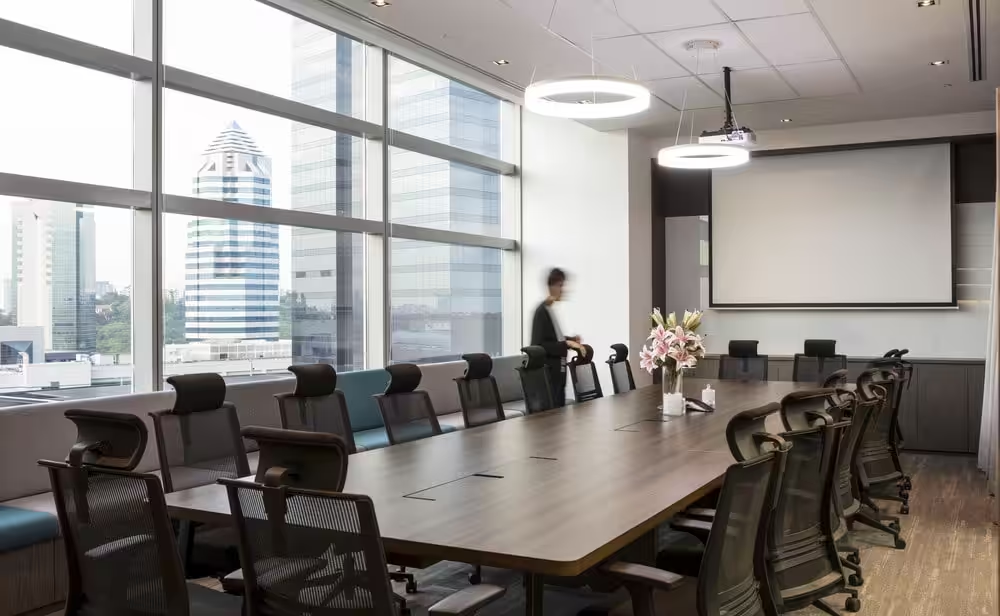
The goal is to enhance productivity, streamline communication, and enable real-time collaboration, making them ideal for presentations, strategic planning, and high-level discussions in seminar room design.
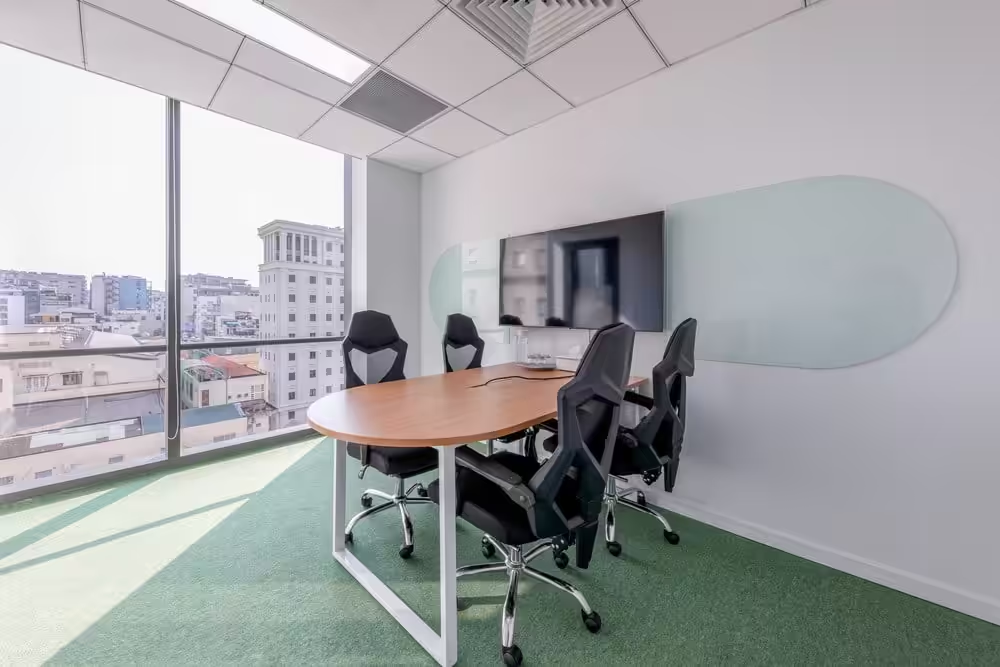
Typical features include:
- Large interactive touchscreens or digital whiteboards
- Video conferencing systems for hybrid meetings
- Wireless screen sharing and multi-device connectivity
- Integrated lighting, AV, and climate controls for a seamless experience
- Smart scheduling, occupancy sensors, and automated room management
2. Key principles and tips for meeting room design
2.1 Layout & Space planning
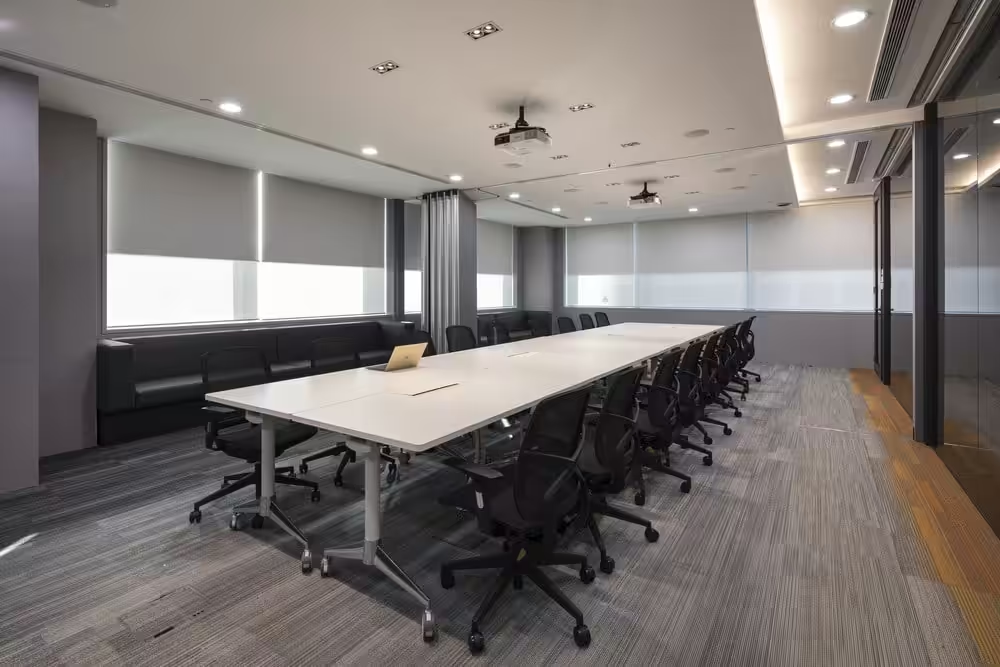
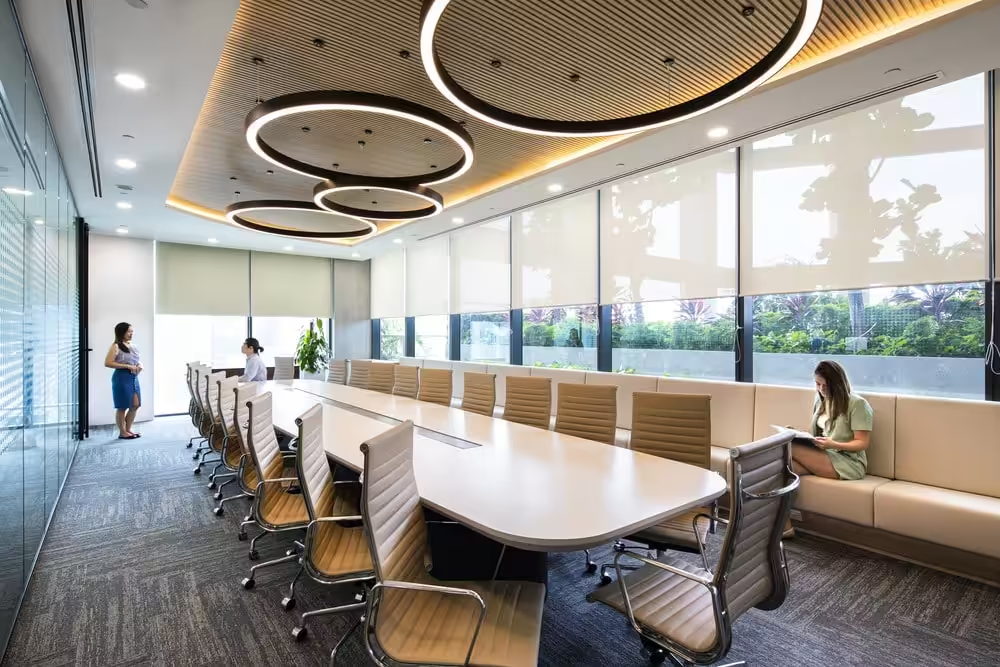
Effective conference room layout and space planning are key to making a conference room functional and comfortable. The main goal is to fit the right number of people without feeling crowded while ensuring smooth movement throughout the space. Start by choosing a conference room design that matches the type of meetings you host: boardroom style for decision-making, U-shape for discussions, or clusters for team collaboration.
Some practical tips include:
- Use flexible seating and modular furniture to adapt the room for different group sizes and activities.
- Maintain clear pathways so people can move easily between seats, presentation areas, and doors.
- Position screens, whiteboards, and power outlets thoughtfully to maximize visibility and keep cables out of the way.
- Test layouts with your typical group size to identify potential bottlenecks and improve flow.
2.2 Ergonomics & Comfort
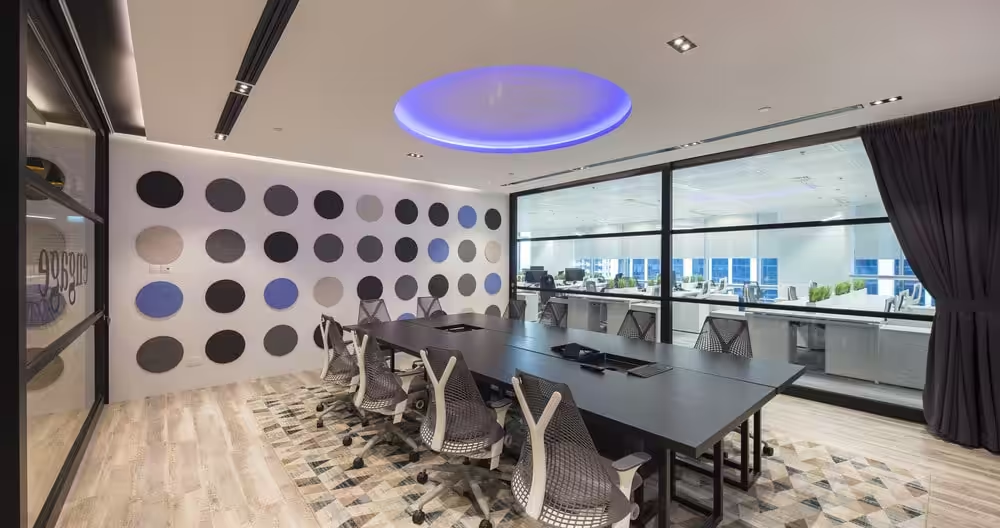
Ensuring ergonomics and comfort in conference hall design is essential for productive and focused meetings. The right combination of furniture, lighting, acoustics, and décor helps participants stay attentive and engaged throughout discussions.
Some practical tips include:
- Choose chairs with proper back support and adjustable height, paired with tables that provide enough workspace without feeling cramped.
- Combine natural and artificial lighting: use large windows for daylight and adjustable LEDs for clear visibility during presentations.
- Invest in high-quality audio and video equipment to ensure clear sound and seamless video conferencing.
- Select colors and materials that reflect your brand while creating a professional and inviting atmosphere.
2.3 Technology Integration
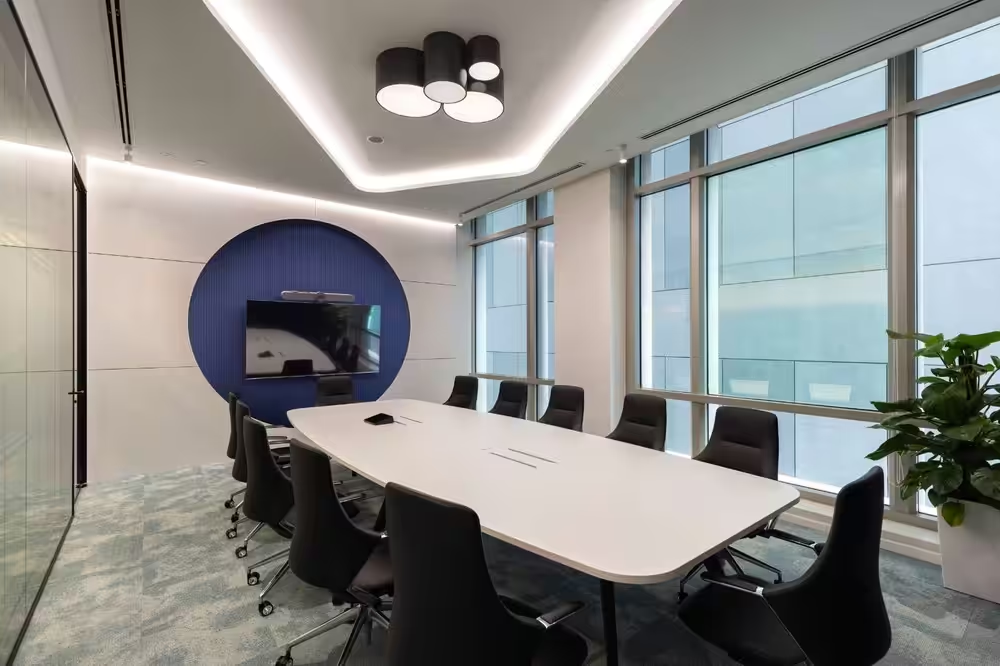
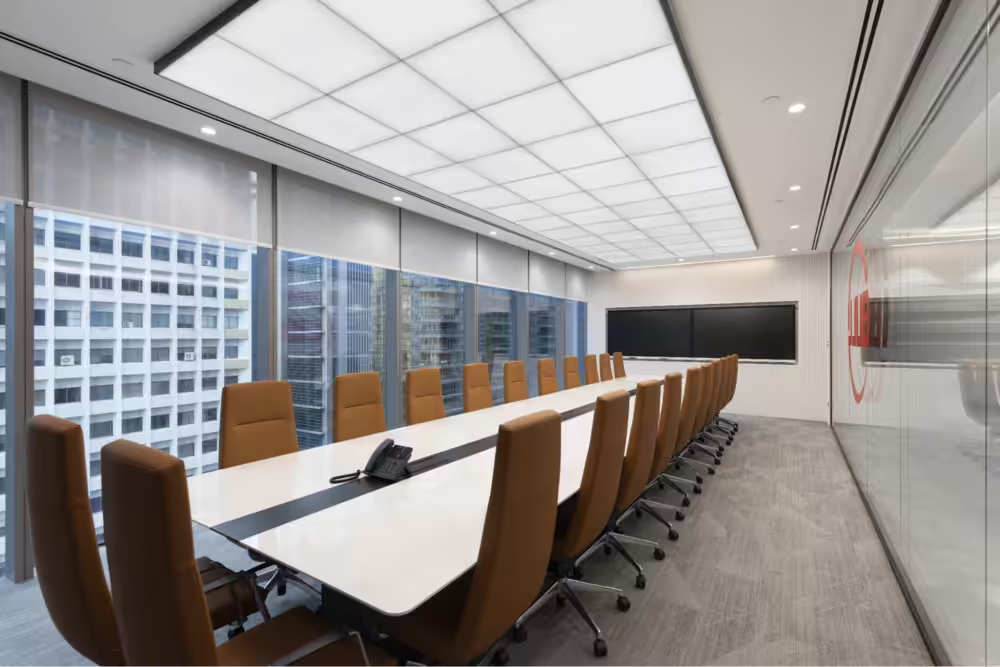
Integrating technology effectively is crucial for modern meeting room design, helping meetings run smoothly and supporting both in-person and remote participants. The key is to incorporate tools without compromising the room’s aesthetic or comfort.
Key considerations for technology integration in conference room design:
- Equip the room with high-quality screens and smart boards for presentations, brainstorming, and interactive sessions.
- Ensure video conferencing capabilities are seamless, with reliable cameras, microphones, and speakers for hybrid meetings.
- Use wireless connectivity for easy device sharing and collaboration, reducing cable clutter and keeping the space tidy.
- Integrate technology thoughtfully so it blends with the room’s design, maintaining a clean and professional look.
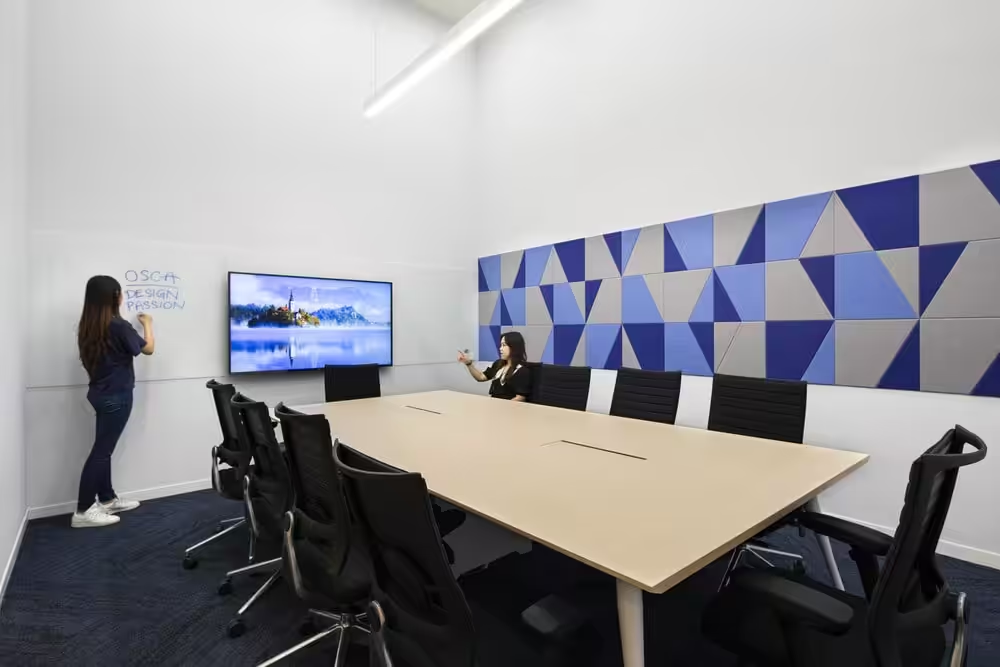
2.4 Acoustics & Privacy
Good acoustics and privacy are essential for effective meetings, ensuring participants can focus and communicate clearly without distractions. Proper sound management also protects confidential discussions.
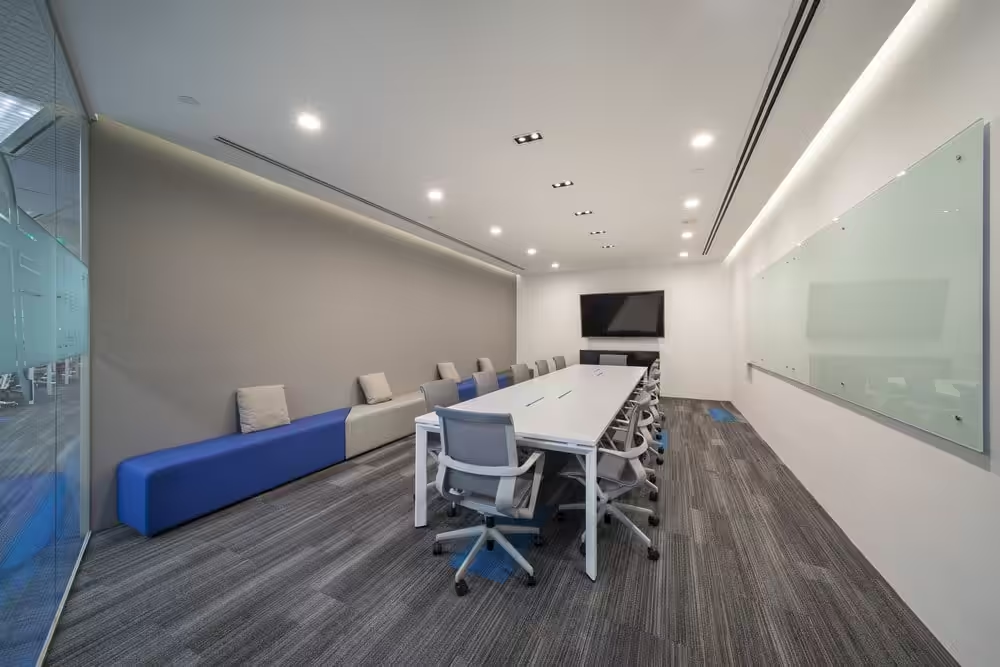
Here are some tips to manage sound and maintain privacy in your conference room design:
- Use soundproofing and acoustic panels to minimize noise from outside the room and reduce echo inside.
- Install quality audio systems designed for clear sound without feedback or distortion.
- Arrange furniture and materials strategically to absorb sound and prevent noise reflections.
- Consider room placement and partitions to maintain privacy and limit interruptions.
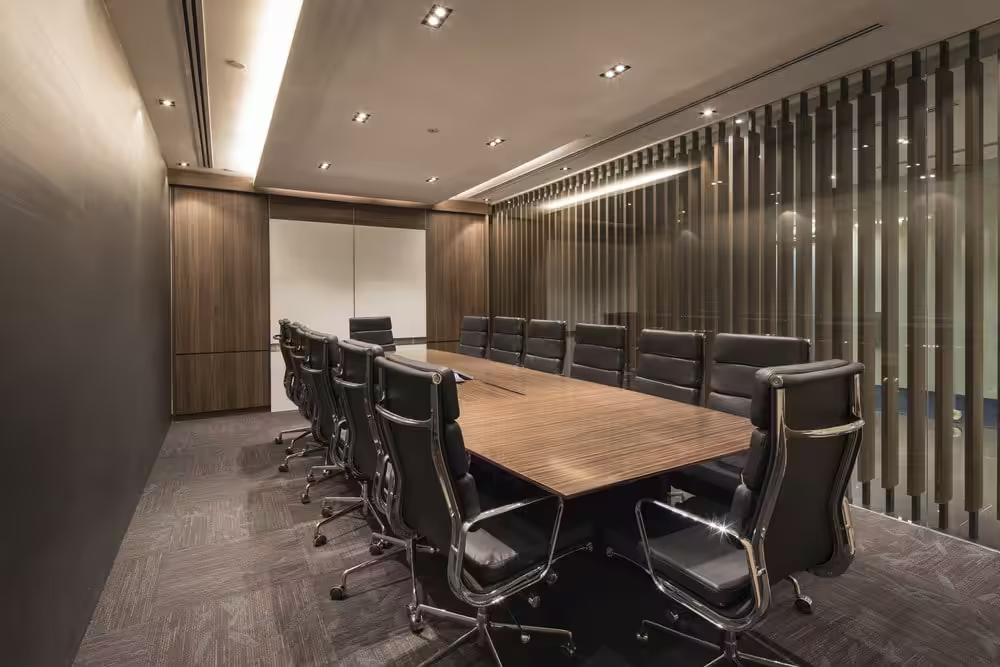
3. Examples of modern conference room design in businesses
OSCA is a leading office interior design and renovation company in Singapore, dedicated to transforming workspaces into inspiring, functional environments. Our team of architects, interior designers, engineers, and project experts brings years of experience across Singapore, Malaysia, Indonesia, and Vietnam, ensuring every project exceeds expectations.
Over the years, OSCA has delivered a range of outstanding interior design for offices and creative conference room designs that combine functionality, style, and innovation. Each project reflects OSCA’s commitment to creating inspiring workspaces that enhance productivity, foster collaboration, and align with our clients’ brand identity.
OSCA’s excellence has been recognised with multiple awards, including Highly Commended – Best Workplace Design for OKG and Xsolla at the Design Excellence Awards 2023, and the Honorary Award – Best Workspace Design at the Singapore Interior Design Awards 2022.
Below are some of OSCA’s most notable conference room design projects from recent years.
3.1 Walkers Global – Designed by OSCA Asia
- Location: Asia Square, Tower 1, Singapore
- Industry: Legal
OSCA completed Walkers Global’s 11,100 sqft office, delivering a refined, professional workspace designed for clarity, flow, and efficiency.
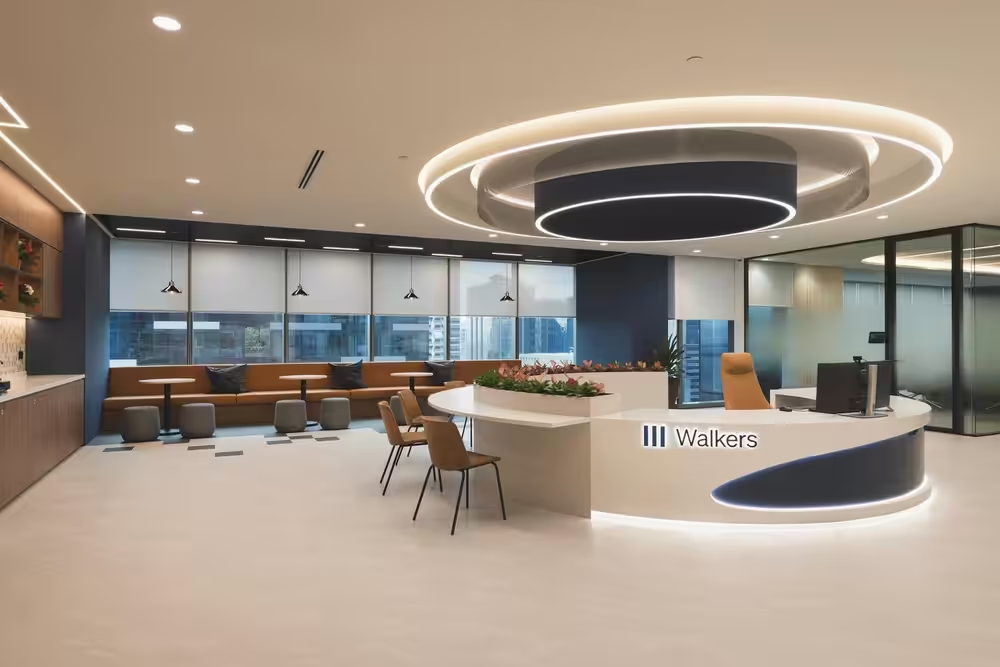
The centerpiece of each conference room design is a long wooden table with smooth, refined edges, paired with high-back ergonomic chairs in warm beige tones that offer comfort while conveying authority. Warm wood finishes, muted blue accents, and curved design elements create a calm, sophisticated atmosphere, while thoughtful lighting schemes enhance focus and clarity.
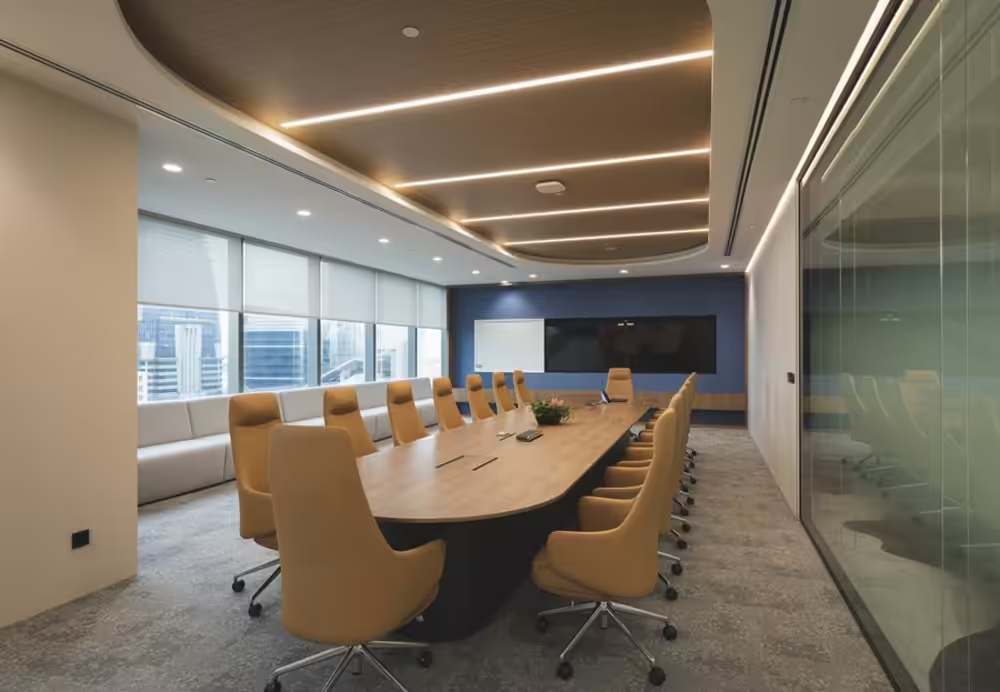
Functionality is seamlessly integrated: large wall-mounted screens, whiteboards, and concealed connectivity panels support presentations and collaborative discussions without disrupting the room’s clean, minimalist aesthetic. Frosted glass partitions ensure privacy while maintaining a visual connection to adjacent spaces, balancing confidentiality with openness.
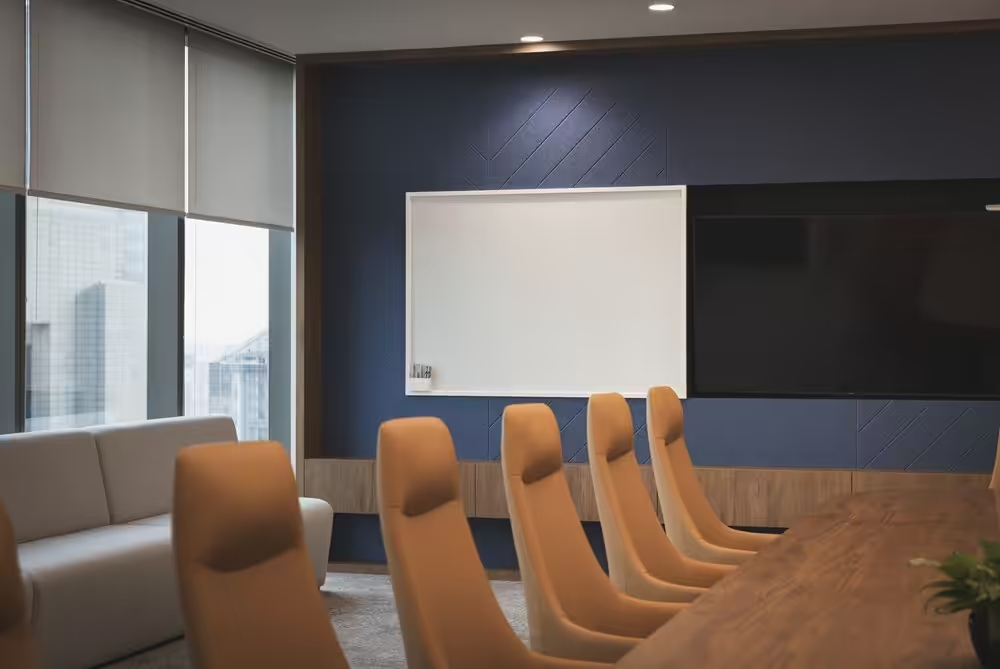
The creative conference room design prioritizes clarity, flow, and spatial harmony, reflecting Walkers Global’s values of precision, reliability, and professionalism. Every detail was crafted to promote focus, discreet communication, and efficient collaboration, creating conference rooms that are both functional and visually inspiring.
3.2 Accuracy – Designed by OSCA Asia
- Location: One Raffles Place, Singapore
- Industry: Corporate consultancy
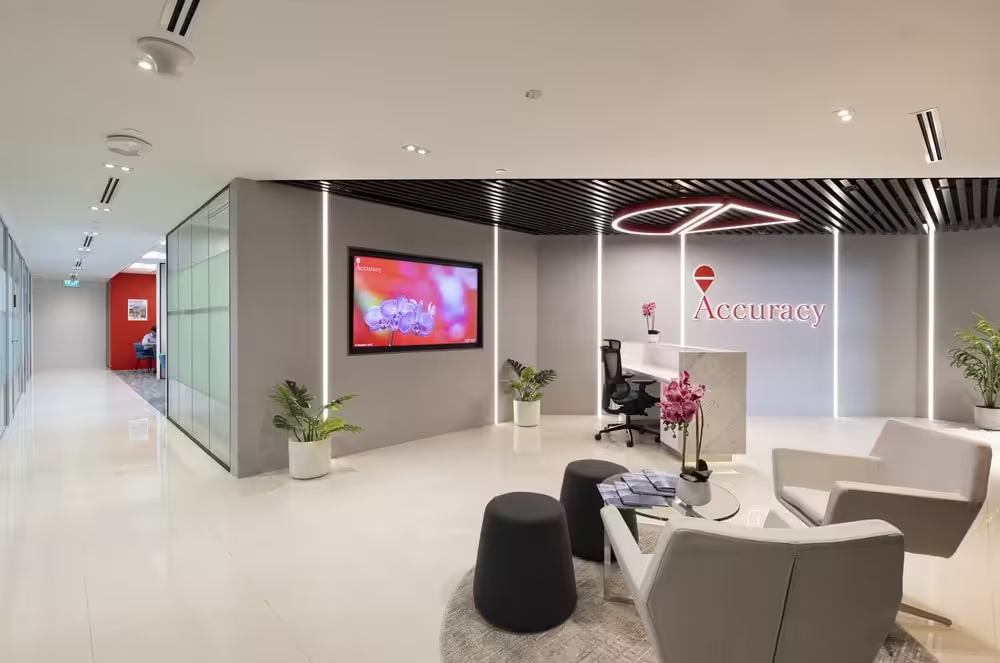
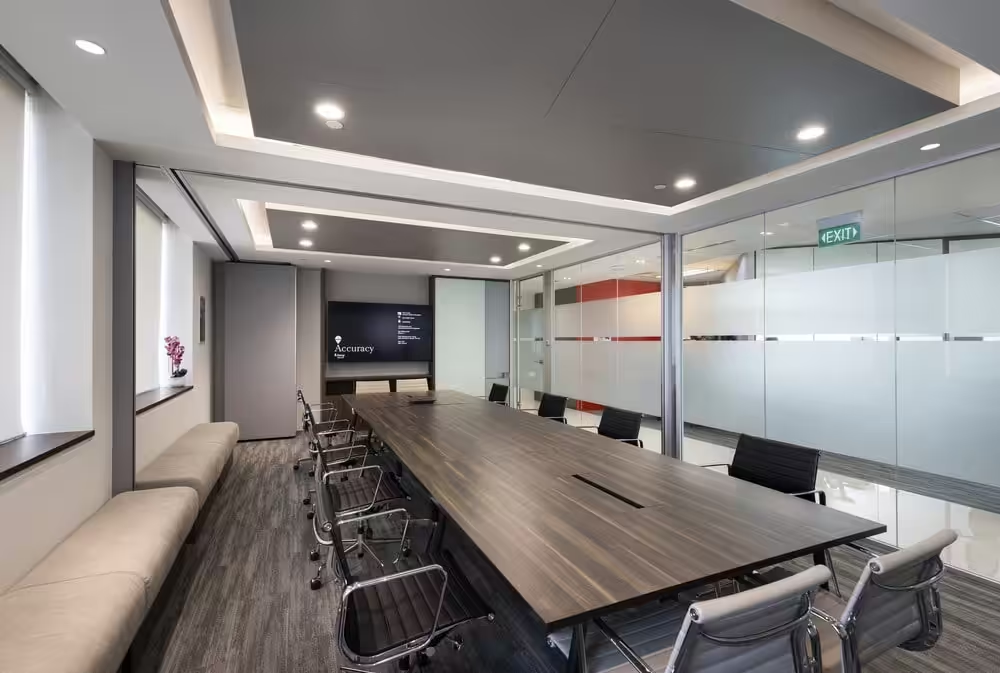
OSCA Asia delivered a workspace for Accuracy that merges brand identity with purposeful design, transforming 4,844 sqft at One Raffles Place into an environment that embodies precision, energy, and modern corporate sophistication.
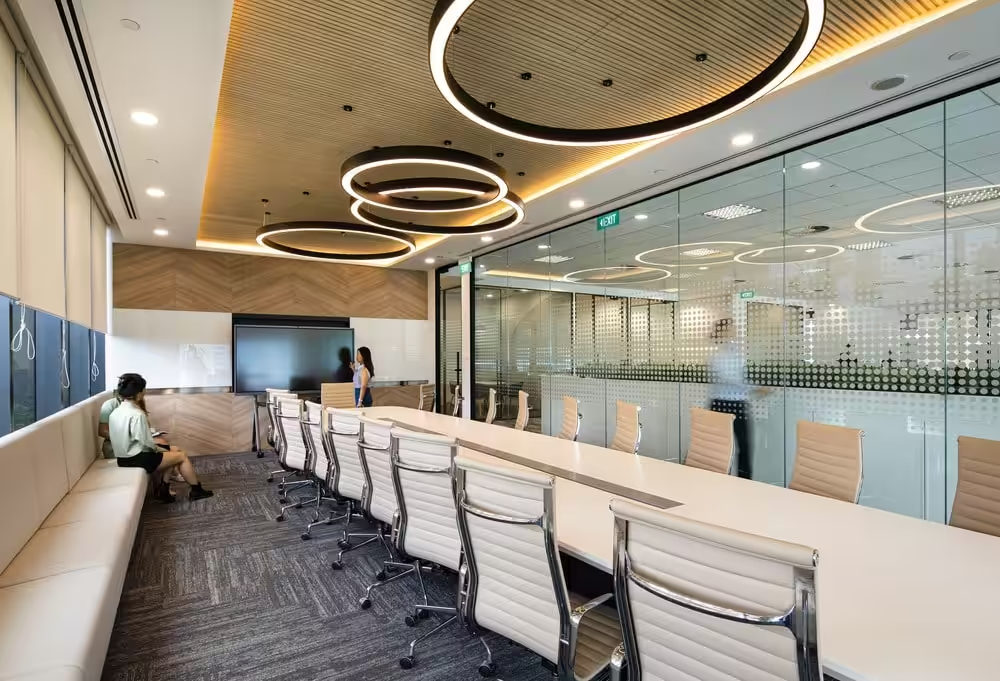
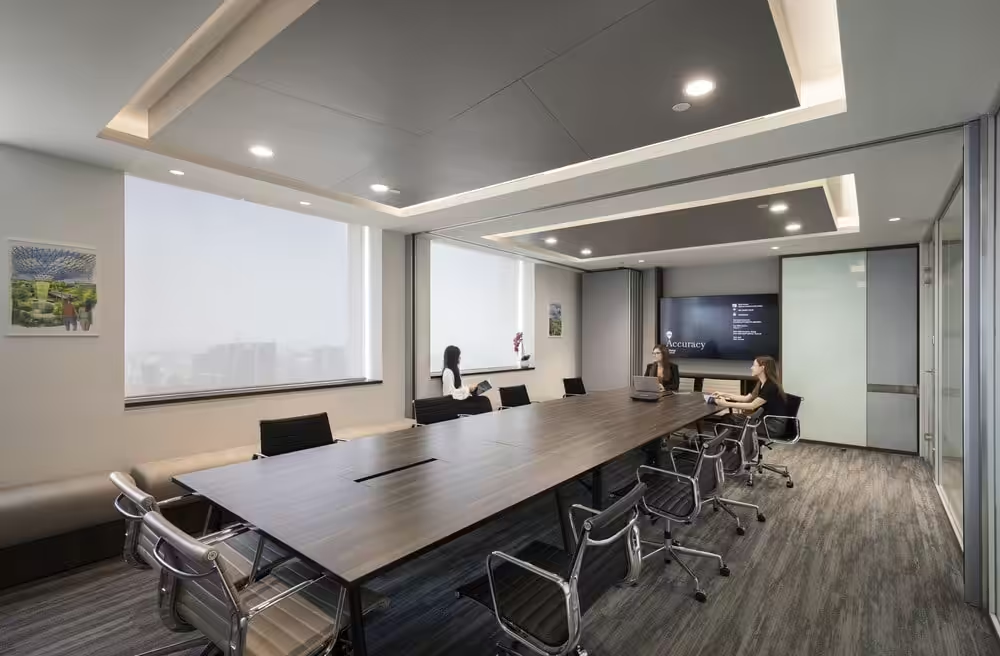
The creative conference room feature a long wooden table paired with chrome-frame chairs beneath soft grey ceilings with refined cove lighting. Warm wood tones, clean lines, and sleek layouts create a polished, professional environment, while frosted glass partitions ensure privacy and built-in benches offer subtle comfort. Integrated technology supports presentations and collaborative meetings without disrupting the minimalist design.
Accuracy’s brand identity is reflected through logo-inspired accents and carefully chosen color highlights in the conference room design. Every material, lighting choice, and spatial arrangement is designed to enhance focus, foster collaboration, and express the company’s values of precision and innovation, making the conference rooms both functional and emblematic of the brand.
3.3 EDP Renewables – Designed by OSCA Asia
- Location: Pearl 5 Tower, HCM, Vietnam
- Industry: Energy
EDP Renewables’ design reflects its sustainable mission through nature-inspired elements, featuring earthy tones and colors of water, wind, and light for a calm yet dynamic renewable-focused workspace.
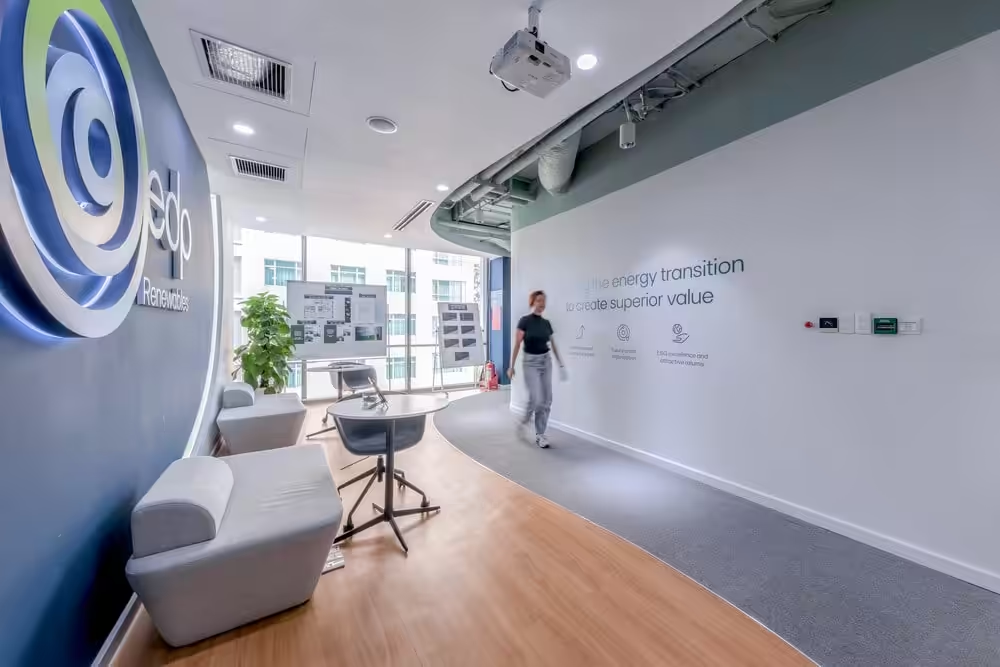
The conference room design features a clean, modern aesthetic anchored by a warm wooden table and sleek ergonomic seating. Linear lighting enhances focus, while a palette of blue and white brings a calm sense of flow. Integrated greenery and floor-to-ceiling windows add freshness and natural light, reinforcing openness and a connection to nature.
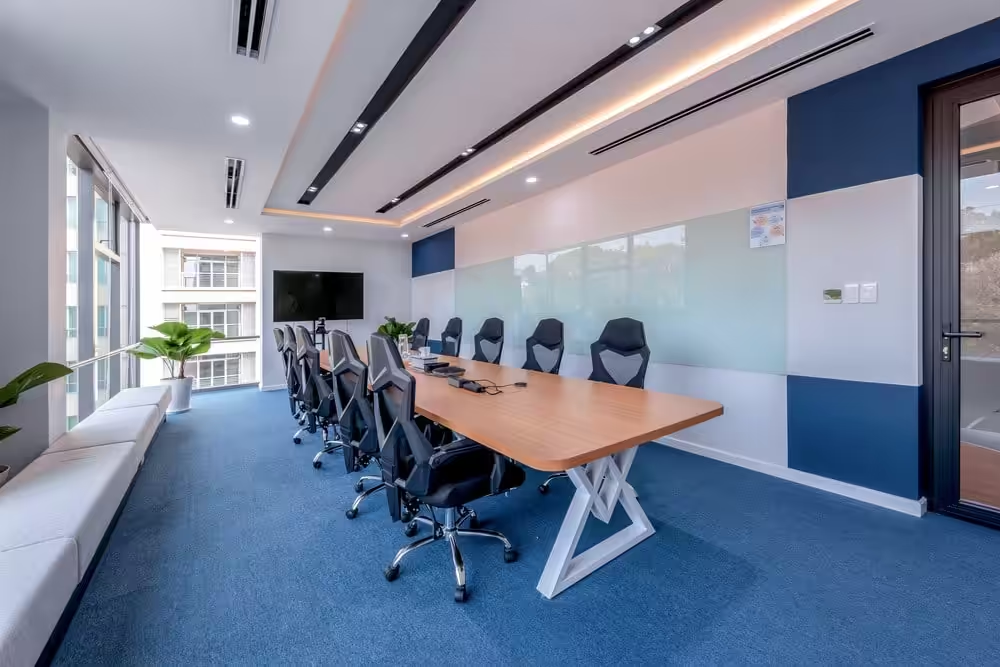
The creative conference room layout supports executive-level discussions, collaborative sessions, and focused decision-making, while maintaining a clear visual hierarchy and spatial harmony. Privacy is ensured without sacrificing openness, allowing confidential meetings to occur in a bright, airy, and inspiring environment.
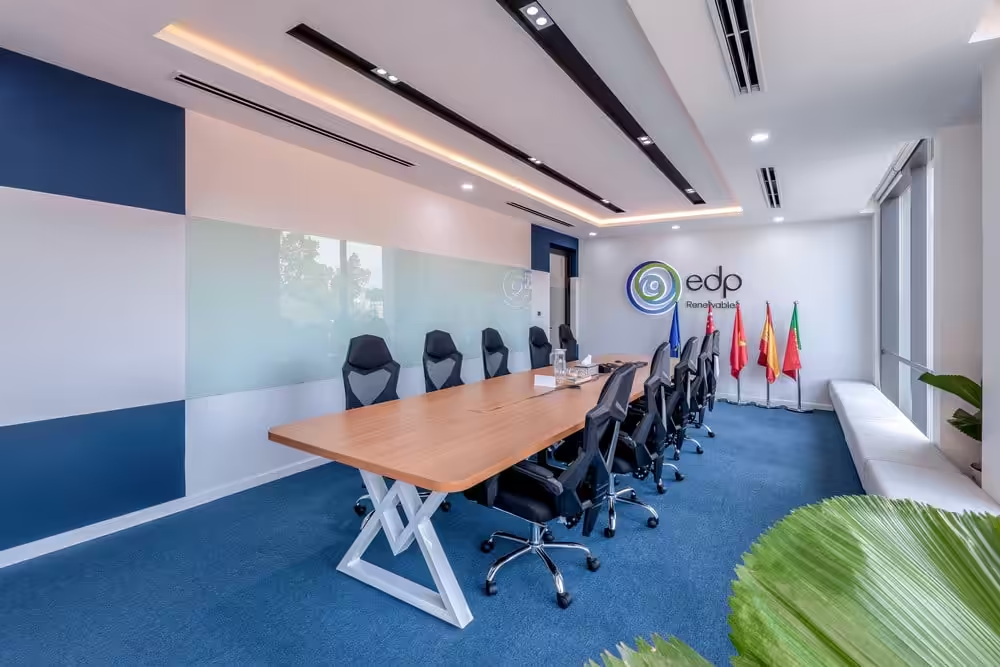
The result is a workspace that is calming, energizing, and visually compelling, where employees and visitors alike can experience the synergy of nature and professionalism, reflecting EDPR’s ethos and forward-looking vision.
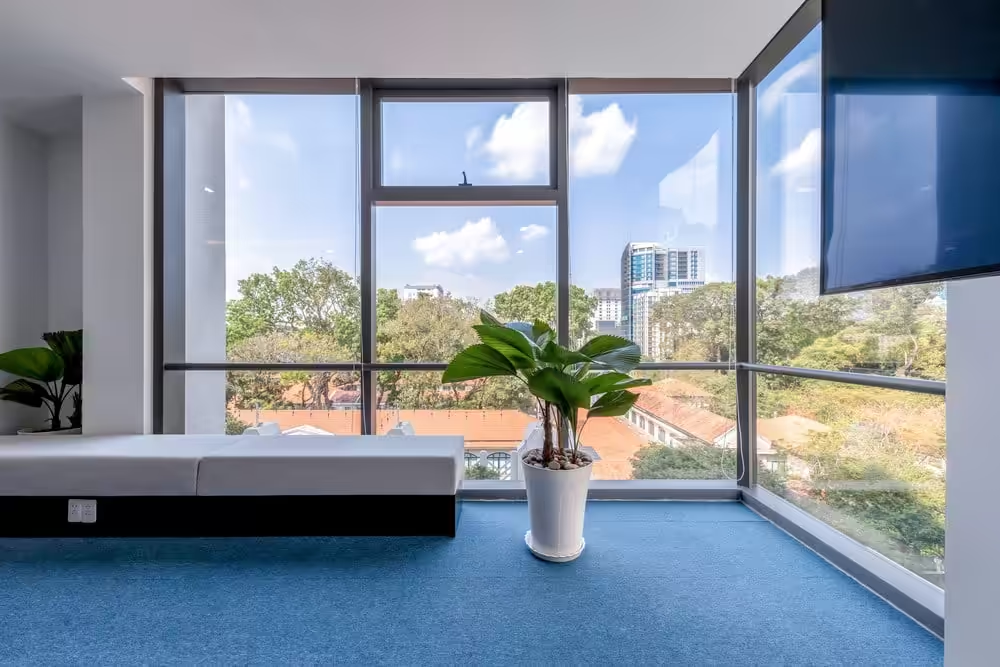
A good conference room design blends look, comfort, and tech, making meetings easier and more productive. With insights from OSCA Asia, businesses can transform ordinary meeting spaces into inspiring hubs that foster teamwork, innovation, and high-level discussions, ensuring every meeting is productive and engaging.