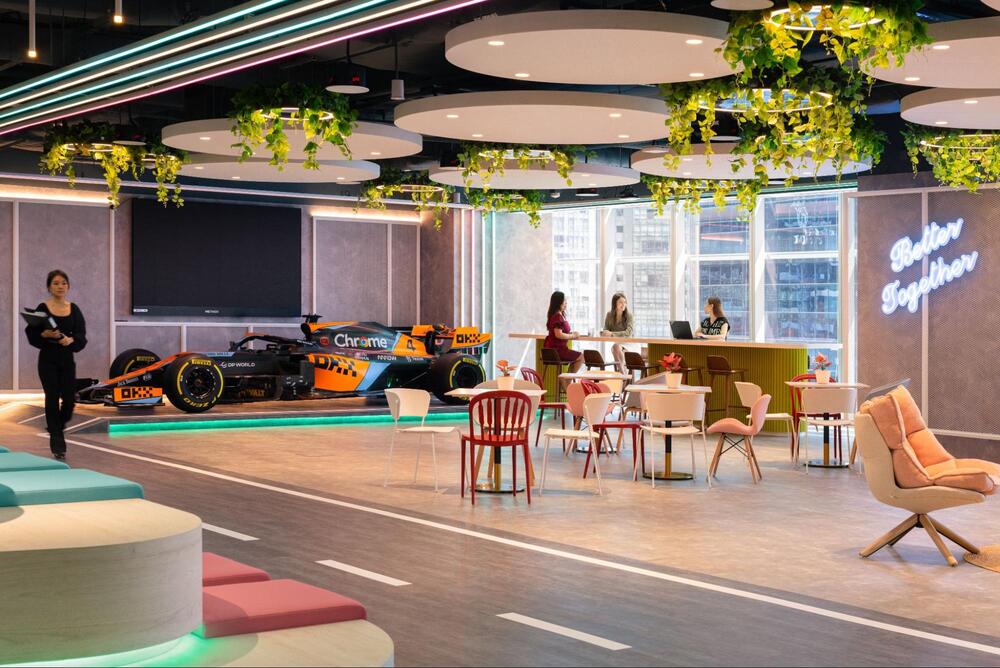
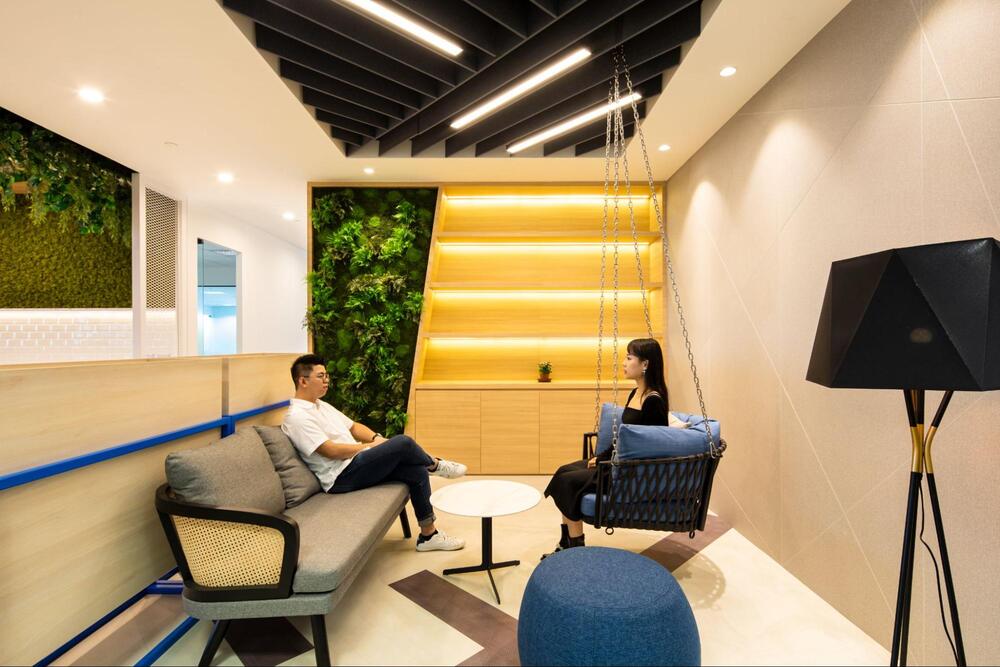
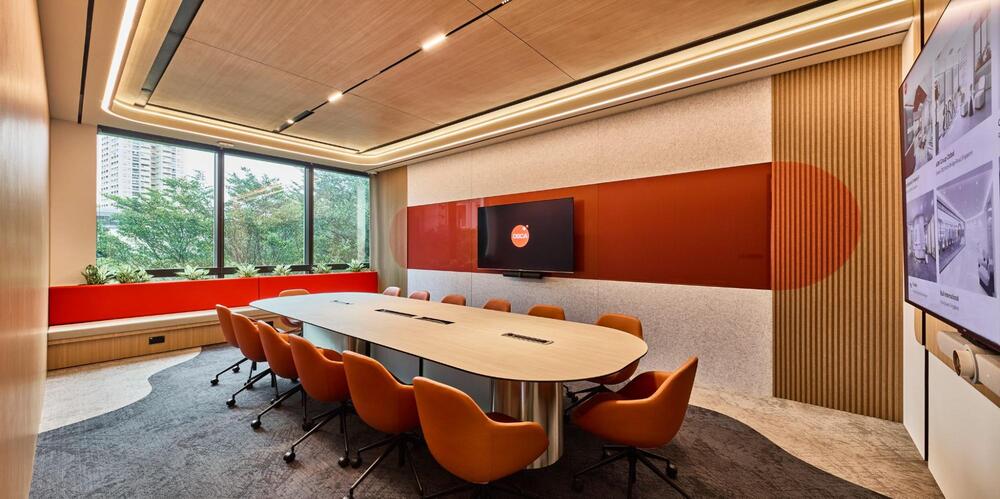
Office design continues to shift towards open, flexible, and efficient layouts, and glass wall partitions are at the heart of this transformation. This guide explores the benefits, types, and key considerations of using glass wall partitions in the workplace, and why OSCA Asia is a trusted partner for designing and installing office glass wall partition solutions in Singapore.
Contents
1. What is a glass wall partition?
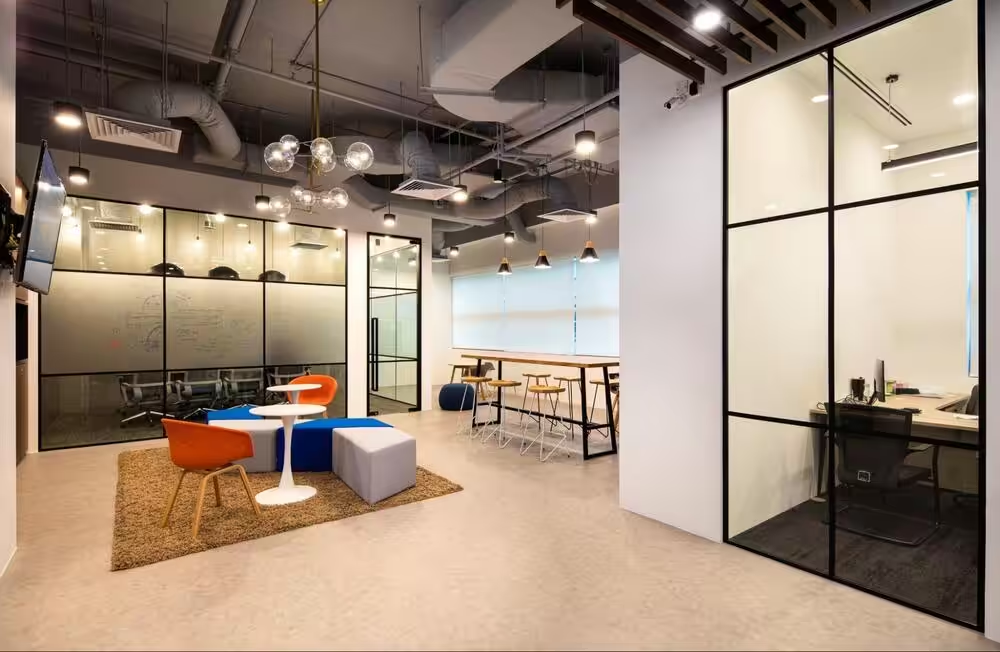
A glass wall partition is a panel system made primarily of glass that separates interior spaces in offices or commercial buildings while allowing light to pass through. Unlike traditional solid walls, glass partitions offer transparency, flexibility and a sense of openness, making them ideal for modern workspaces. Glass partition wall can be full-height, semi-height, or modular, depending on functional and aesthetic needs.
2. Benefits of glass wall partition for offices
A glass wall partition offers several advantages for office spaces.
Increase natural lighting
Glass partitions allow daylight to reach deeper into the office, reducing reliance on artificial lighting, which can lower energy consumption. Increased daylight also improves employee focus, reduces eye strain, boosts overall well-being.
Create open yet private spaces
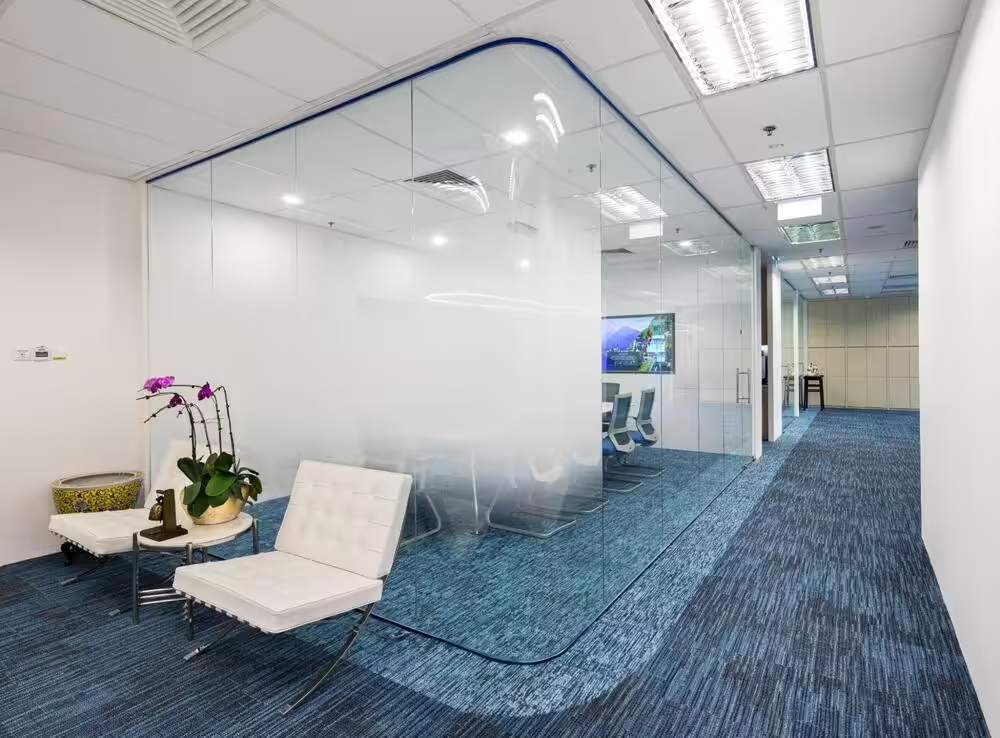
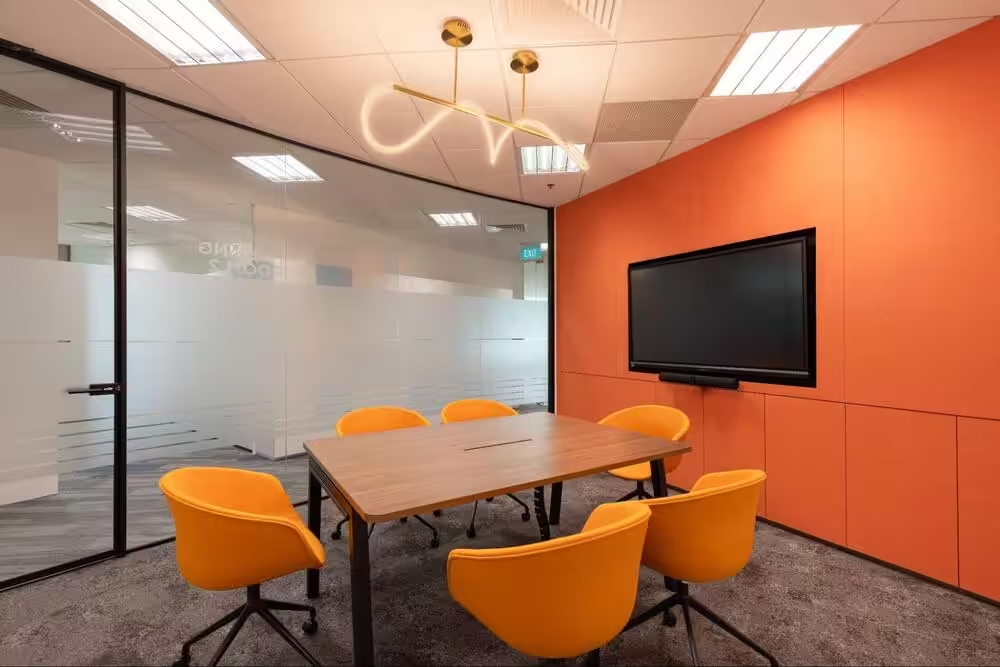
A glass wall partition maintains visual openness while separating functions. Office areas feel connected without compromising privacy. Using frosted or smart films on glass office walls adds privacy where needed without blocking light.
Enhance aesthetics and brand identity
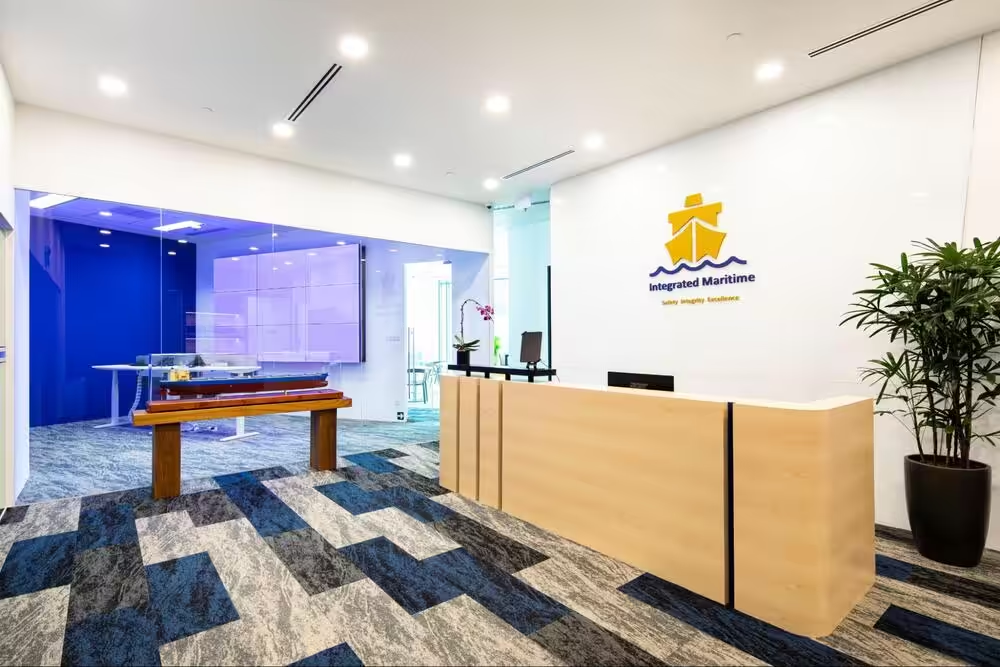
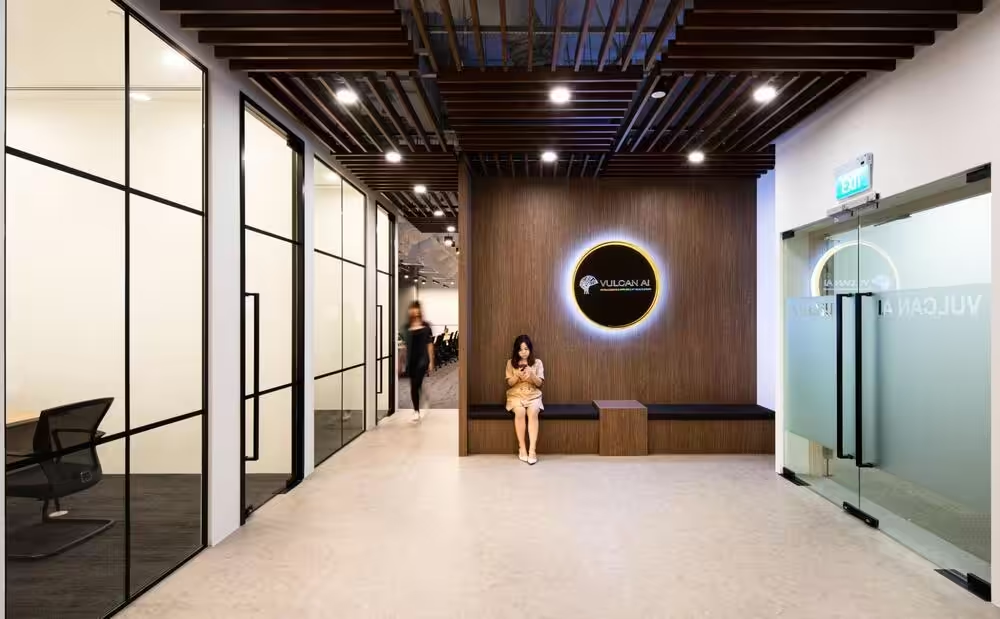
Interior glass walls contribute to a clean, modern look. They can incorporate branding elements such as logos, corporate colors, and design elements strengthening corporate identity and creating a professional impression for clients and visitors.
Save space and increase flexibility
Commercial glass partitions are lightweight and modular. They optimise office layouts without bulky walls, providing adaptable spaces that support teamwork and collaboration. They also allow for reconfiguration as organisations need changes.
Improve acoustic performance
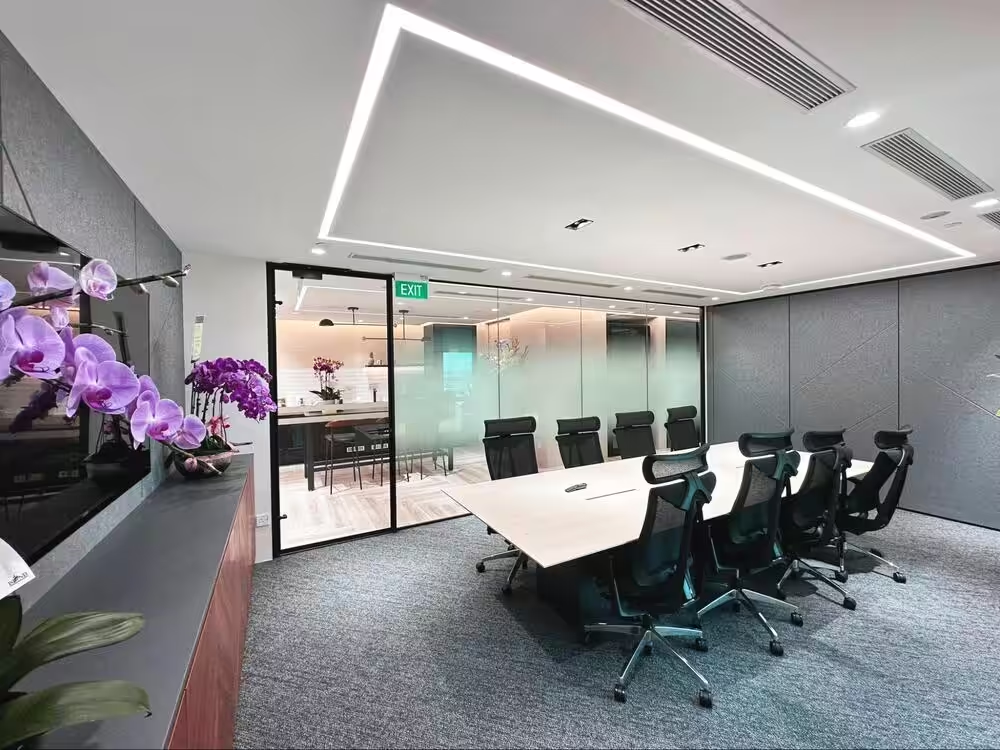
Office glass partition walls can reduce noise transmission when laminated or double-glazed panels are used. This creates quiet areas for meetings or focused work while maintaining visual connectivity throughout the office.
3. Types of glass wall partitions
3.1 Frameless glass wall partition
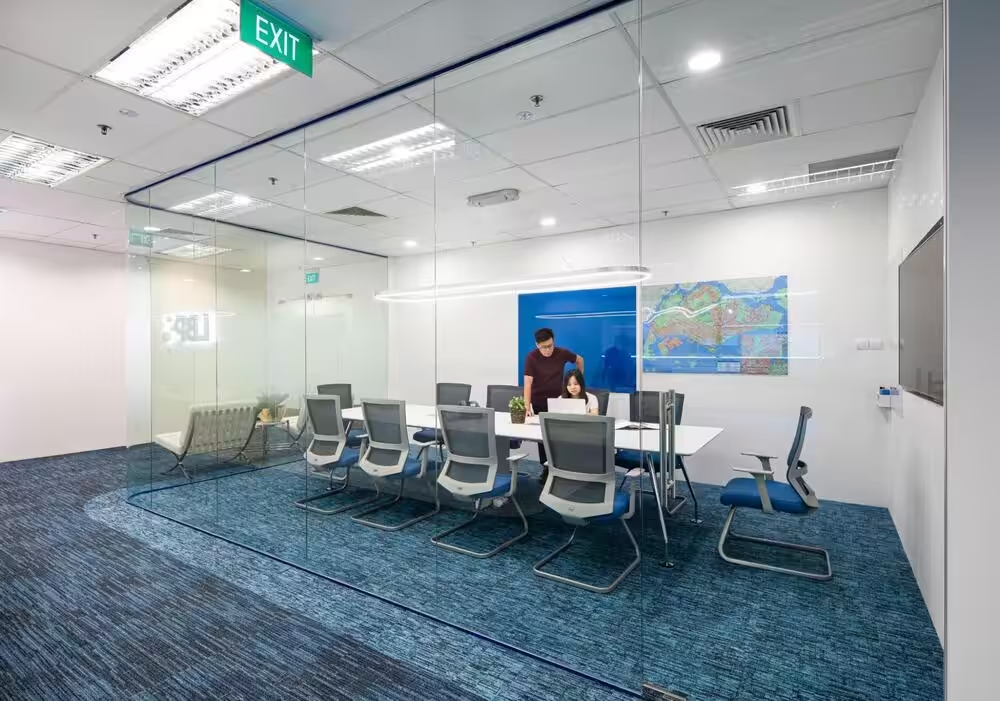
A frameless glass wall partition uses minimal or no visible framing. Panels are usually tempered for safety and joined with metal clamps, hinges, or channels. This type creates a continuous, unobstructed visual line and maximises daylight penetration.
Benefits:
- Maximises daylight penetration.
- Creates the perception of more space.
- Easy to combine with sliding or pivot doors for flexibility.
Applications:
- Open office areas requiring visual continuity.
- Meeting rooms where transparency is desired.
- Glass room dividers for collaborative zones.
3.2 Framed glass partition
A framed glass partition uses aluminum, steel, or other frame materials around the panels. Frames can be slim or industrial style. Frames provide additional stability, allow integration of colours or finishes to match office branding, and support tempered or laminated glass panels.
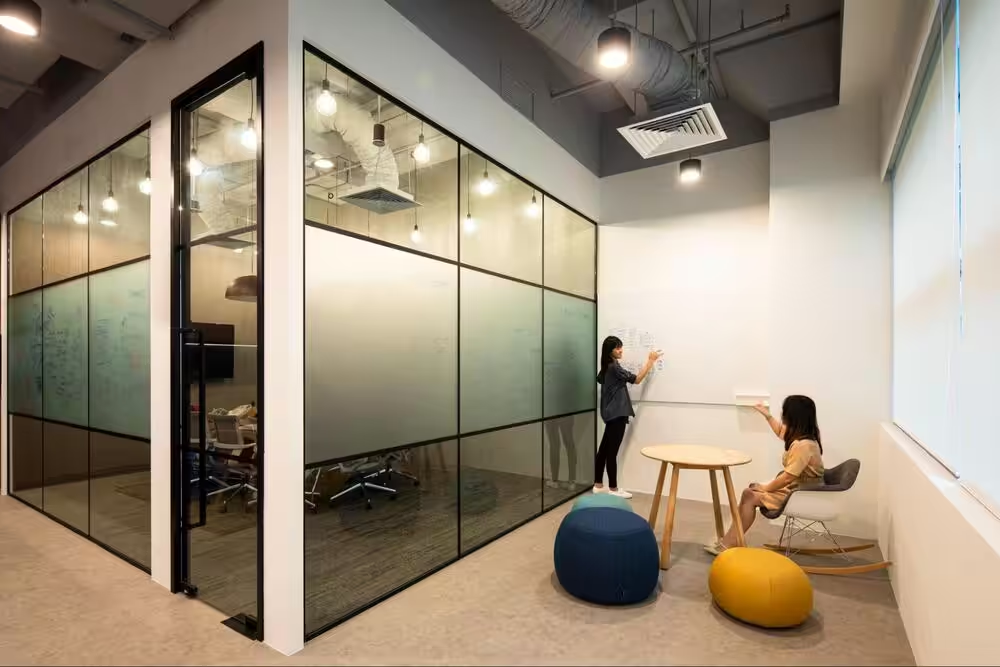
Benefits:
- Offers durability and long-term stability.
- Easier to install and modify than frameless systems.
- Can be combined with glass doors or sliding partitions.
Applications:
- Offices requiring stronger structural support for panels.
- Areas where branding or corporate identity is emphasised on interior glass walls.
3.3 Double-glazed glass partition
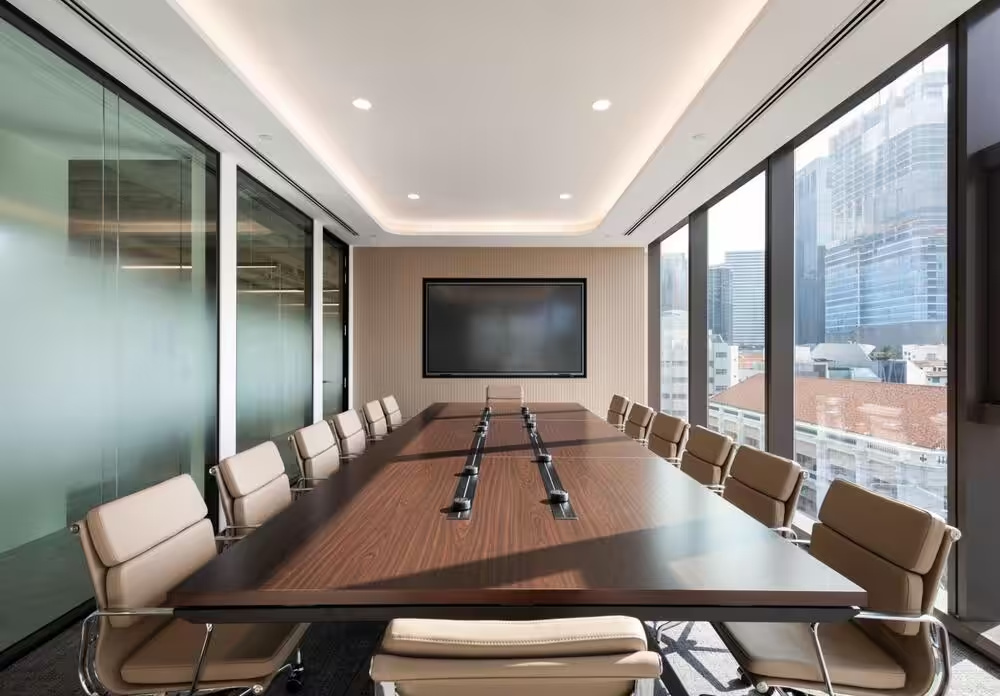
A double-glazed glass partition consists of two glass layers with a sealed air or acoustic gap between them. It provides high sound insulation and can use tempered or laminated glass for safety.
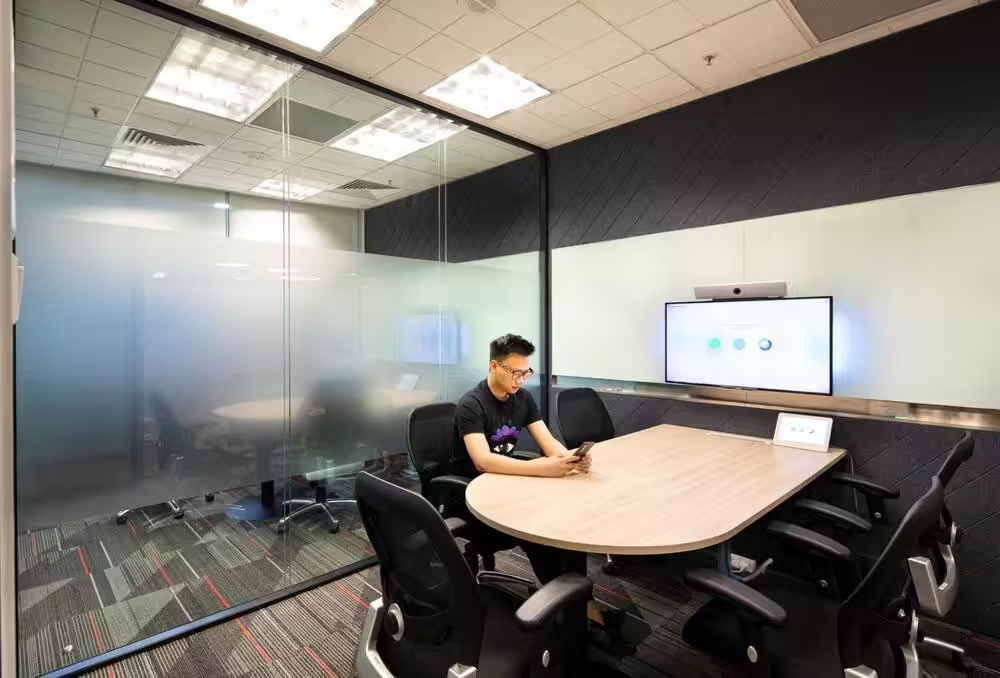
Benefits:
- Improves acoustic performance in open-plan offices.
- Maintains visibility while enhancing privacy.
- Works well with existing commercial glass partitions.
Applications:
- Meeting rooms, boardrooms, or executive offices.
- Spaces that require office glass partition walls for stronger sound control.
3.4 Sliding glass partition / Glass door
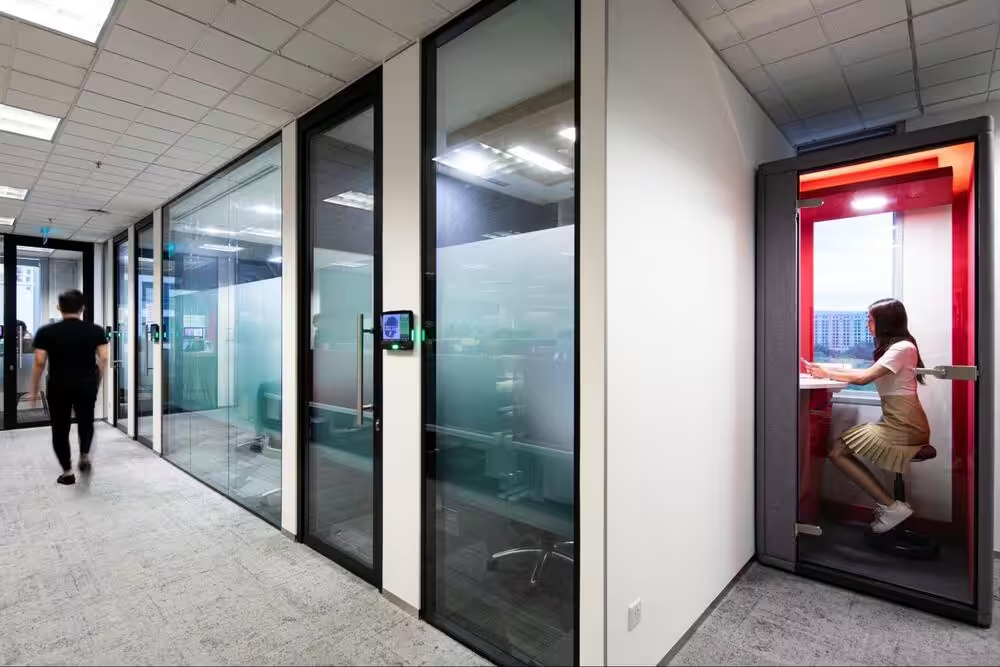
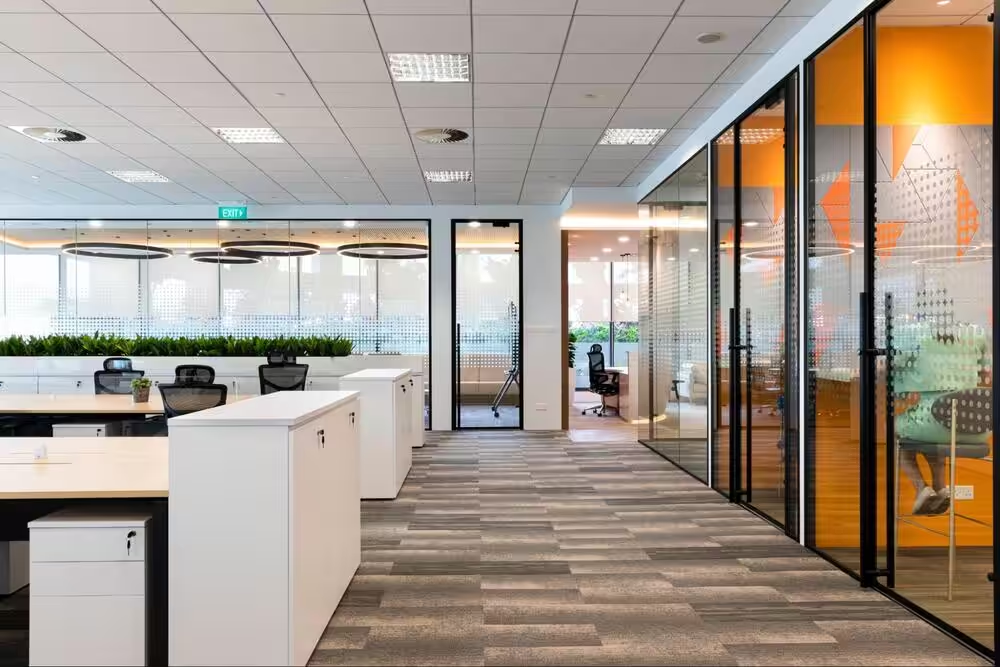
A sliding glass partition wall uses panels that move along top or bottom tracks to open or close a space. It can integrate frosted or clear glass and reduces the need for door swing space.
Benefits:
- Efficient use of space.
- Easy to reconfigure.
- Can complement frameless or framed systems.
Applications:
- Pantries, meeting pods, or temporary separation zones.
- Offices that require flexible glass room dividers.
3.5 Frosted / Smart privacy glass
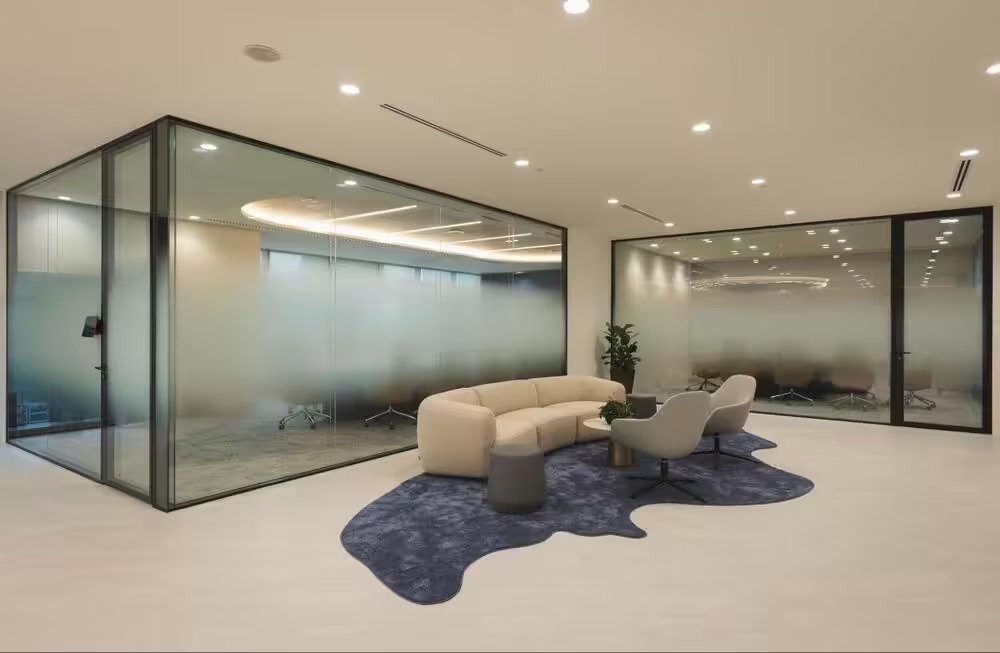
Frosted or smart privacy glass can switch from clear to opaque using smart film or frosted coating. It provides privacy without reducing natural light and easily integrates with framed or frameless systems.
Benefits:
- Enhances confidentiality.
- Maintains natural light flow.
- Can be integrated into existing glass wall partition office systems.
Applications:
- Executive meeting rooms or boardrooms.
- Spaces requiring interior glass wall privacy without blocking light.
4. Key considerations when choosing glass partition walls
Choosing the right glass wall partition for an office requires clear planning and technical evaluation. Below are key considerations to guide your decision process:
- Acoustic requirements (STC Rating): Acoustic performance decides how well a glass wall partition controls noise. Laminated and double-glazed glass office partitions provide stronger sound insulation than single-glazed systems. Check the STC rating to ensure the office glass partition walls support privacy in meeting rooms or focus areas.
- Safety and durability: Safety depends on glass type and installation quality. Tempered or laminated glass panels for office walls reduce risk during impact. Strong frames or clamps keep the glass partition wall stable. Durable systems reduce long-term maintenance for the glass wall partition office.
- Aesthetic and brand alignment: Design alignment influences how the interior glass partition wall supports workplace identity. Frame colors, films, or graphics can match branding. Frosted or smart films add privacy while keeping the open feel of glass office walls and commercial glass partitions.
- MEP Coordination (Mechanical, Electrical, Plumbing): MEP coordination ensures glass room dividers do not block air-conditioning flow, fire sprinklers, or lighting. Proper planning avoids rerouting systems after installation and keeps office wall partitions compliant with building standards.
- Budget and long-term maintenance: Costs vary by glass type, acoustic performance, and hardware. Consider installation cost, cleaning needs, and potential film replacement. Choosing durable glass partitions reduces long-term expense and ensures flexibility if the layout changes.
5. Why choose OSCA for office partition design in Singapore?
Choosing the right partner for glass wall partition Singapore design and installation impacts the performance, safety, and long-term flexibility of an office. OSCA has more than 15 years of experience in planning office design interior and delivering interior design for company spaces in Singapore. The team combines workplace strategy, design expertise, and construction management to ensure each project meets functional, acoustic, and branding goals.
Extensive Industry Experience
OSCA has delivered projects across finance, technology, gaming, maritime, and consulting sectors. This experience provides insight into how different industries use glass office walls. The team understands acoustic needs, privacy levels, and layout requirements for each business type. Clients benefit from proven methods that reduce risk and support efficient installation.
Strong Project Management Capability
OSCA assigns a dedicated project manager to oversee timeline, budget, and quality. The manager coordinates suppliers, contractors, and engineers. This reduces communication gaps and ensures that each glass partition is fabricated and installed according to specification.
Focus on Acoustic and Functional Performance
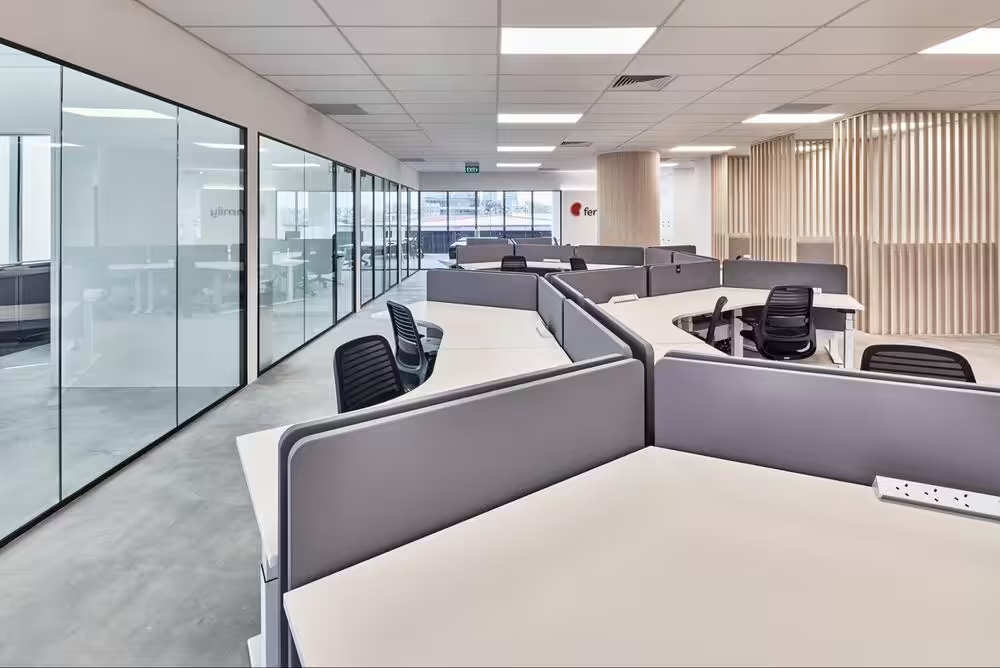
Many offices in Singapore require strong sound control for meeting rooms and private offices. OSCA uses laminated or double-glazed office glass partition walls to support speech privacy. The team applies seals, gaskets, and proper frame systems to reduce noise leakage. This helps clients build quiet spaces without losing visibility.
Proven Portfolio with Large-Scale Projects
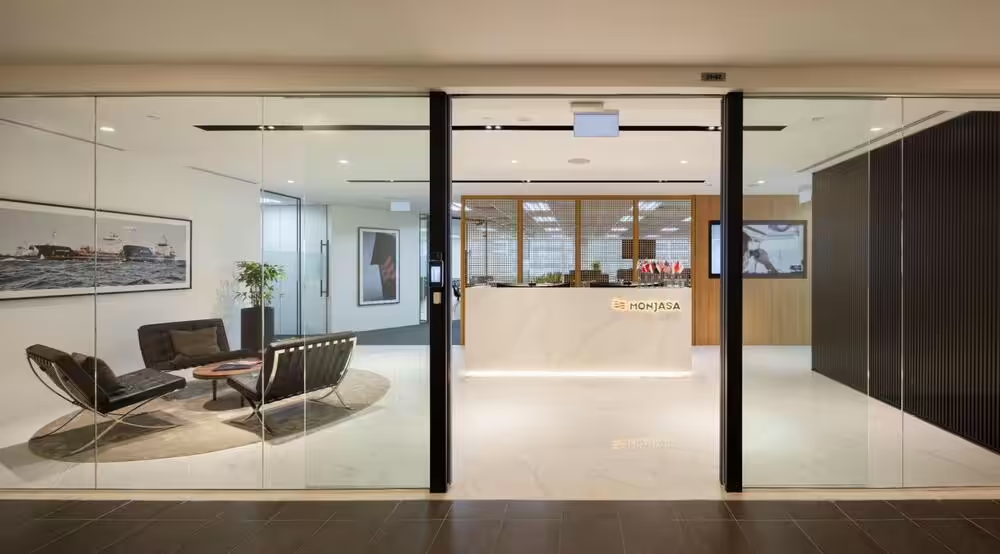
OSCA has completed projects for Bunker Holding, ARRI, Monjasa, China Telecom, and other regional companies. These projects include meeting rooms, boardrooms, and collaboration areas that rely on glass office partitions and commercial glass partitions. The portfolio shows OSCA’s ability to handle complex builds and deliver consistent results.
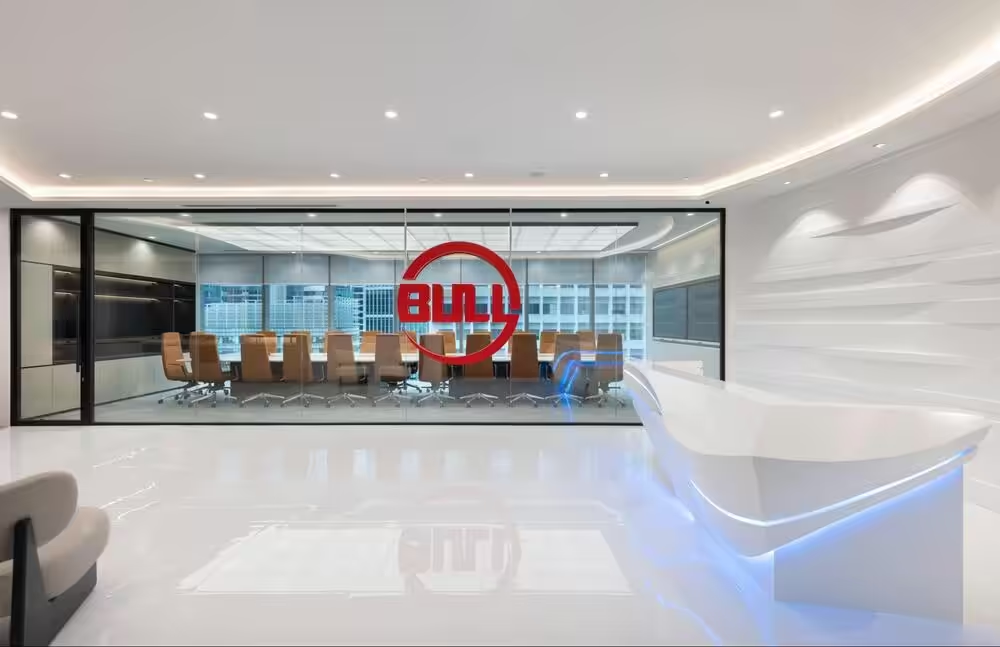
The glass partition walls create a seamless transition between the different office zones in Bull Holding.
Glass panels in conference and meeting rooms flood the space with natural light in Tayrona
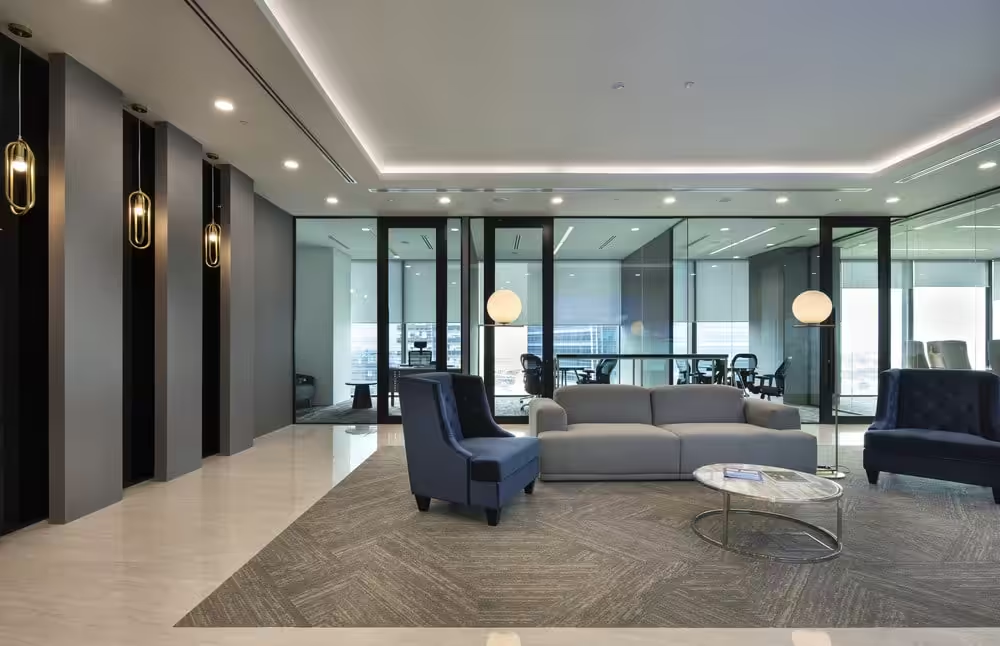
Partition wall with glass divides rooms with different functions at EURO Monitor
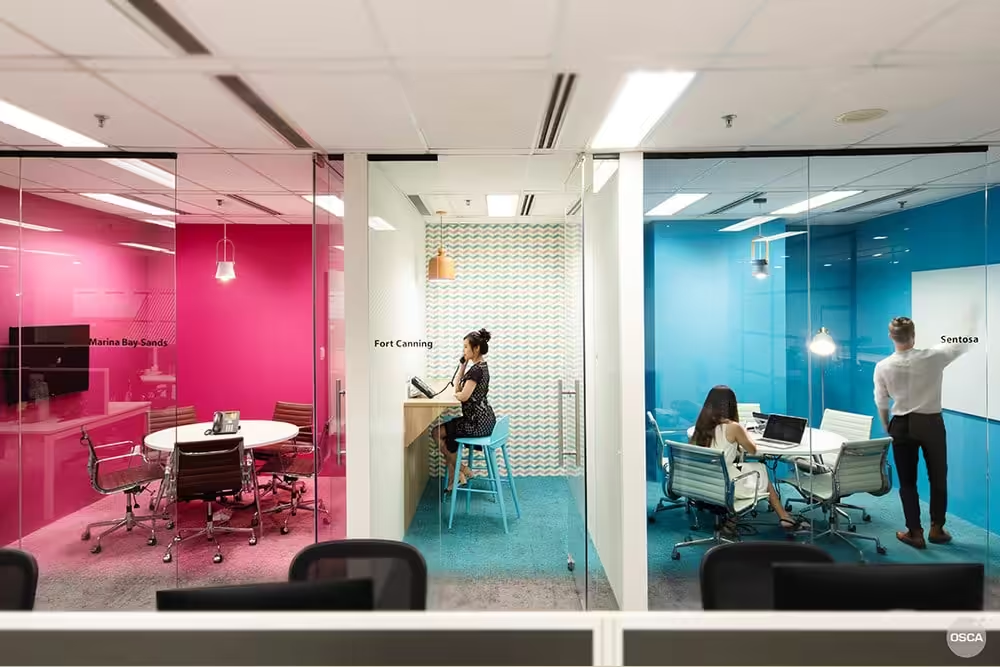
Long-Term Support and Maintenance
OSCA provides ongoing support after installation. The team assists with adjustments, repairs, and layout updates. This helps businesses maintain their glass wall partitions without disruption. Clients can modify or expand their systems as teams grow.
6. FAQs about office glass wall partitions
- Are glass partition walls safe?
Yes. Glass office partitions use tempered or laminated glass, which resists impact and meets safety standards. These materials reduce risk in high-traffic areas.
- Can glass partition walls break upon strong impact?
They can break under strong force, but tempered or laminated glass wall partition systems are designed to withstand normal office use. Laminated glass stays bonded even if cracked.
- Do glass partitions provide sound insulation?
Basic glass partitions offer light sound reduction. For better performance, choose laminated or double-glazed office glass partition walls with proper seals.
- How long does installation take?
Most commercial glass partition walls take one to three days to install, depending on size, glass type, and door system.
- Can the glass be customised with colour, logo, or film?
Yes. Interior glass wall systems support frosted film, decals, branding graphics, and smart privacy film.
- What is the cost of installing office glass partitions?
Costs vary based on glass thickness, framing, acoustic needs, and film type. A site survey is required for an accurate quote.
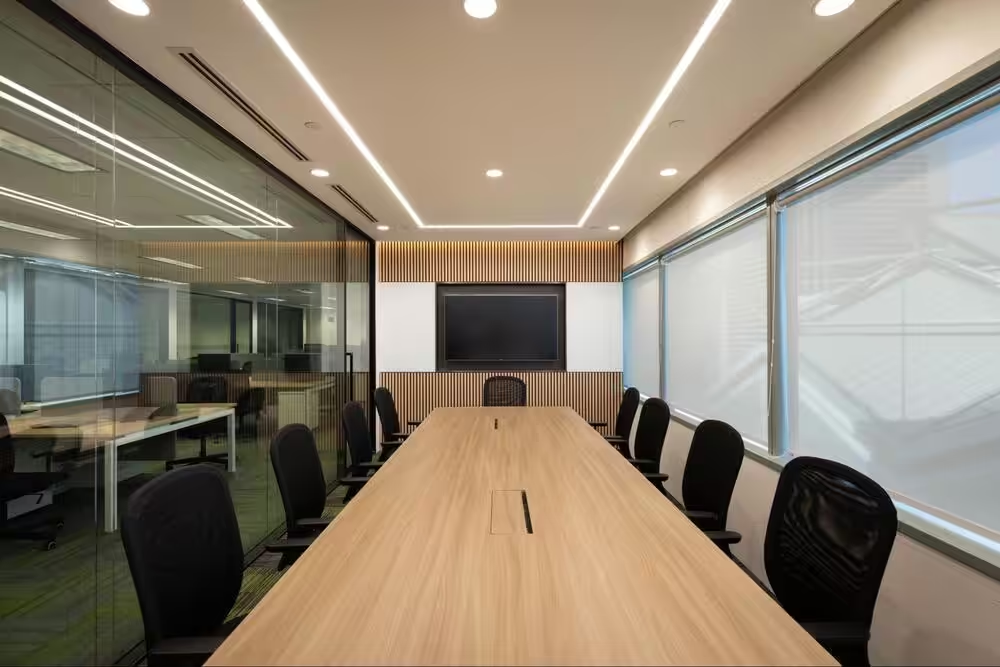
Glass wall partitions have become an essential element in modern office design because they balance openness, privacy, and long-term adaptability. With strong experience in commercial glass partitions and workplace planning, OSCA supports businesses in creating environments that are functional, safe, and aligned with future growth.