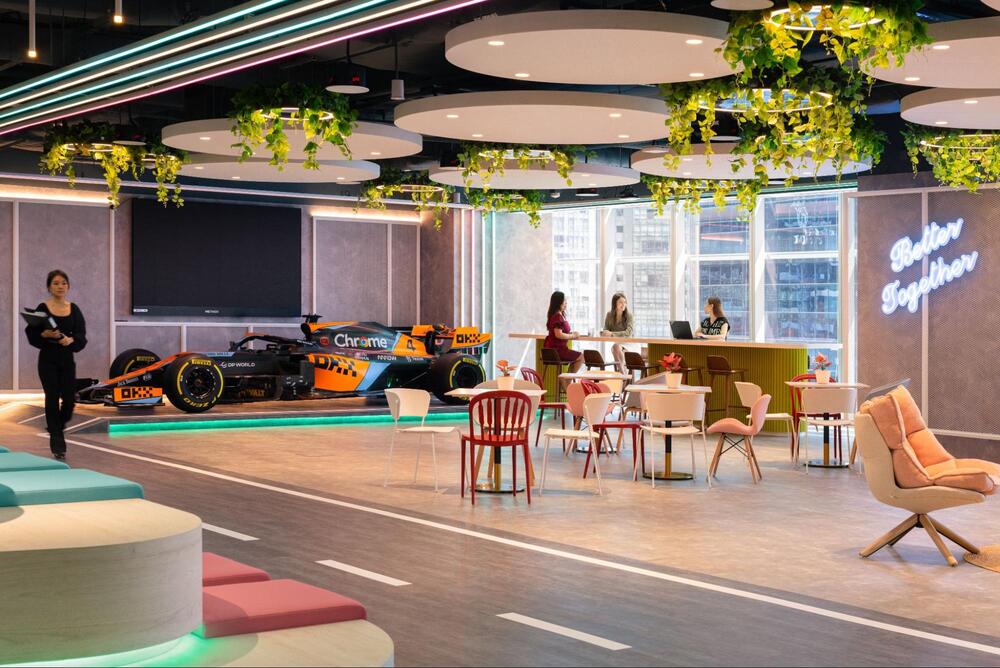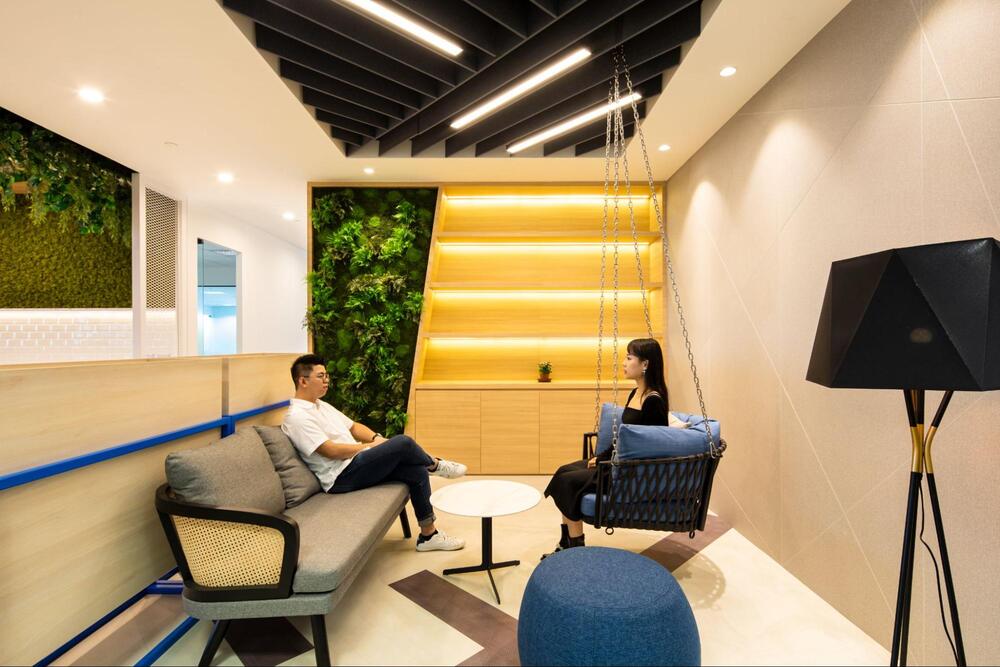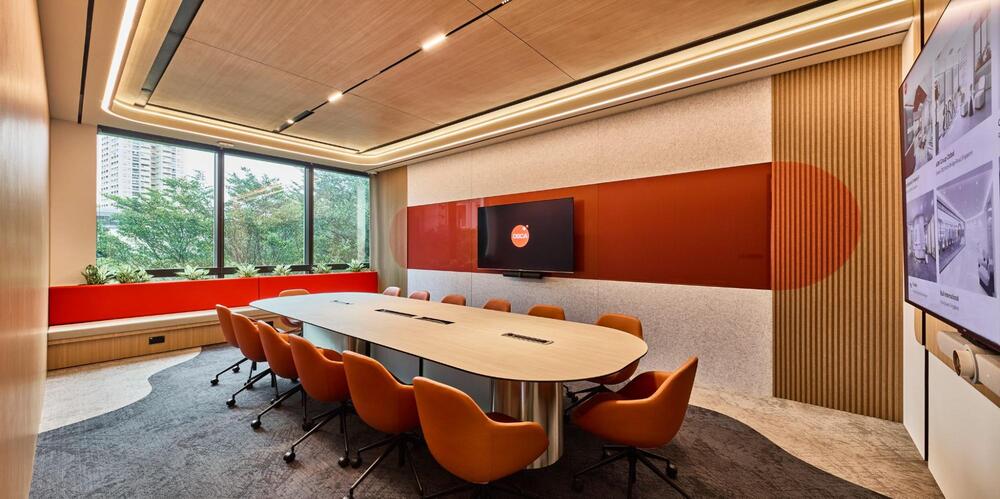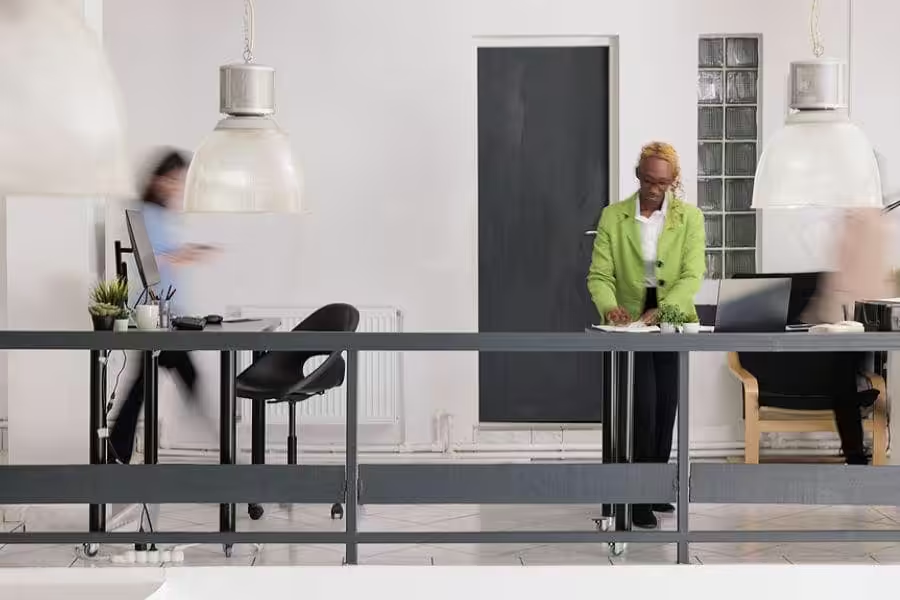
Many companies struggle to balance layout, cost, and usability when planning an office interior design for small offices. Without a clear strategy, small spaces can quickly become inefficient, crowded, and difficult to manage. This guide provides a structured approach to small office interior design, focusing on practical steps and proven solutions. Explore more with OSCA Asia.
Contents
1. How to design an office interior for a small office (Step-by-Step)?
Step 1: Define your needs & Workflow
Start with a clear understanding of how your team works. This step forms the base of any office interior design ideas for small space. Without it, layout and furniture decisions will fail. List the number of employees. Identify roles and work patterns. Separate tasks that require focus from tasks that require collaboration.
Use the checklist below:
- How many people will use the space daily?
- Do you need a meeting room or just a meeting area?
- How often do teams collaborate?
- Do staff need quiet zones for focused work?
- Is hybrid work part of your model?
Map your workflow into three zones:
| Zone type | Function | Space priority |
| Focus Zone | Individual work | High |
| Collaboration Zone | Meetings, teamwork | Medium |
| Support Zone | Pantry, storage | Low |
Define space allocation based on usage, not preference. For example, if 70% of time is spent on individual work, assign more space to desks instead of meeting rooms.
Practical tip: Focus on function before visual design. Many small office interior design ideas fail because they prioritize appearance over usability.
Step 2: Choose the right layout
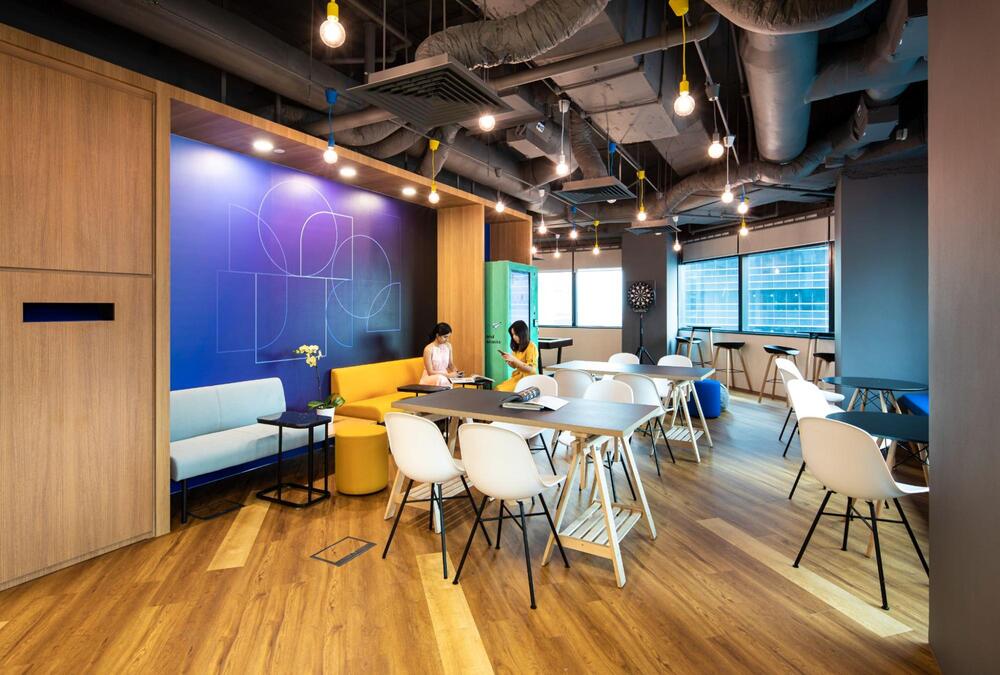
Layout defines how people move and interact. In small office room design, layout errors reduce usable space and create congestion. There are three common layout types:
- Open layout: No partitions. Creates a sense of space. Suitable for small teams.
- Hybrid layout: Combines open desks with small private areas.
- Zoning layout: Uses furniture and materials instead of walls to define areas.
For most office interior design for small office cases, zoning works best. It keeps the space open while creating structure. Apply these layout rules:
- Keep main walkways at least 800–1000 mm wide
- Place desks near natural light sources
- Avoid blocking windows with storage
- Position collaboration zones away from focus zones
Use visual boundaries instead of solid walls:
- Rugs to define areas
- Open shelves as dividers
- Glass partitions for meeting rooms
Common mistake to avoid: Do not over-partition. Too many walls reduce light and make the office feel smaller.
Step 3: Maximize every inch of space
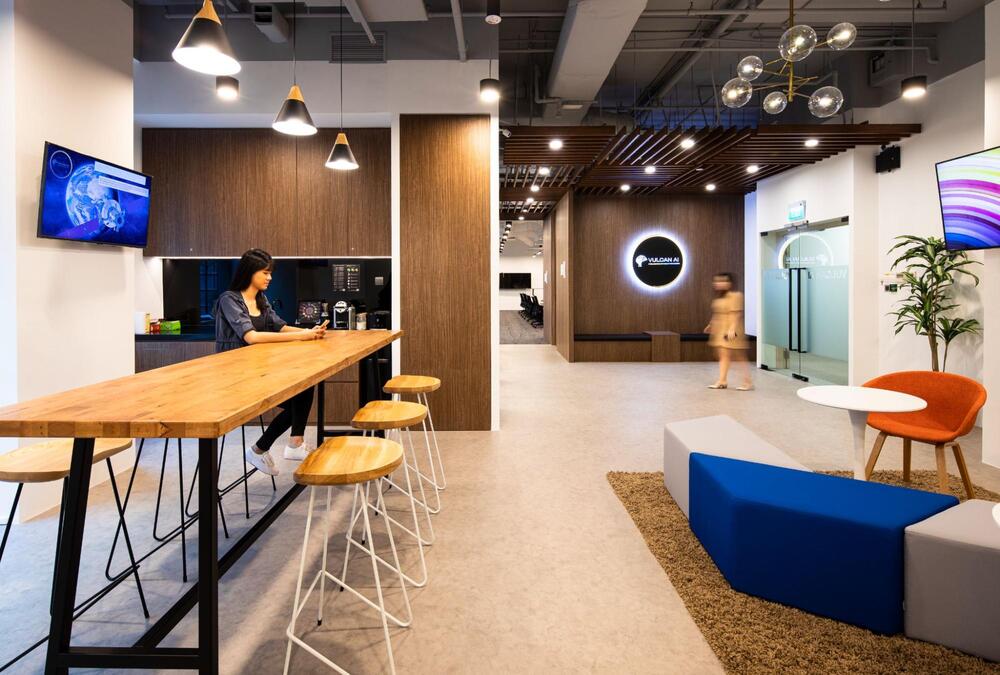
Space efficiency is critical in interior design for small office space. Every unused corner increases cost per square meter. Start by identifying wasted areas: corners, wall height, under desks, entry zones. Then apply these solutions:
Vertical optimization
- Install full-height cabinets
- Use wall-mounted shelves
- Add pegboards for tools and supplies
Hidden storage
- Use built-in cabinets
- Select desks with drawers
- Integrate storage into seating
Corner usage
- Place L-shaped desks
- Install corner shelves
- Use compact storage units
Multi-layer design
- Combine storage and workspace
- Stack functions vertically
Example:
| Area | Solution |
| Wall | Full-height storage |
| Desk | Built-in drawers |
| Corner | L-shaped workstation |
Practical tip: Measure all dimensions before buying furniture. Even small errors can reduce usable space.
Step 4: Select smart furniture
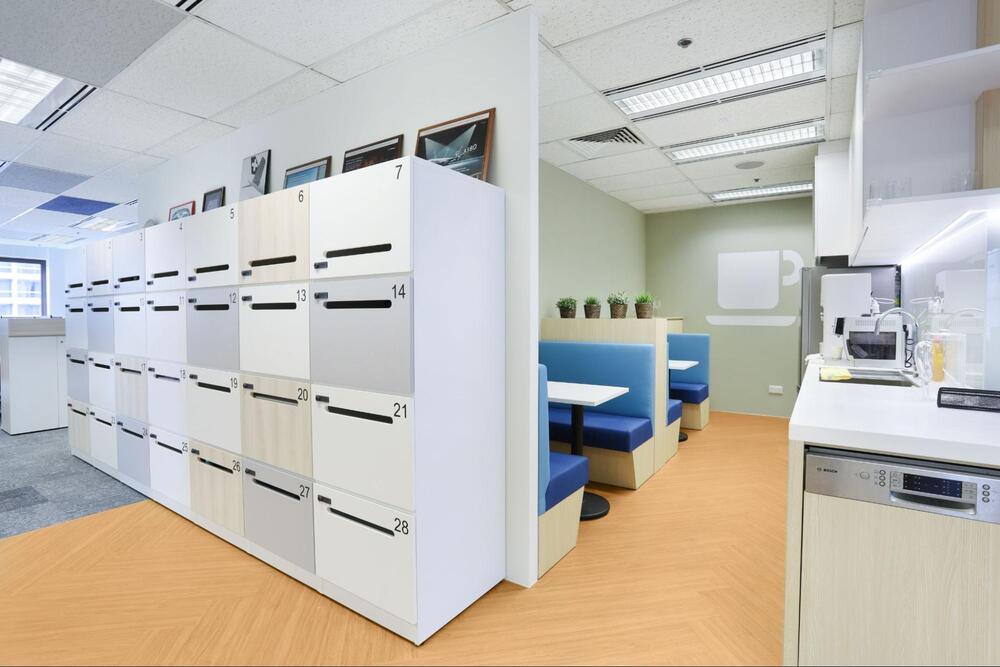
Furniture impacts flexibility, cost, and long-term use. In office interior design for a small office, choose furniture that adapts to change. Focus on these categories:
Modular furniture
- Adjustable desks
- Expandable tables
- Reconfigurable seating
Foldable and stackable items
- Folding desks
- Stackable chairs
- Mobile tables
Multi-purpose furniture
- Meeting tables that convert to workstations
- Storage benches
- Mobile cabinets
Use the table below to guide selection:
| Furniture type | Benefit |
| Modular desk | Flexible layout |
| Foldable table | Space saving |
| Mobile storage | Easy reconfiguration |
Step 5: Optimize lighting & Colors
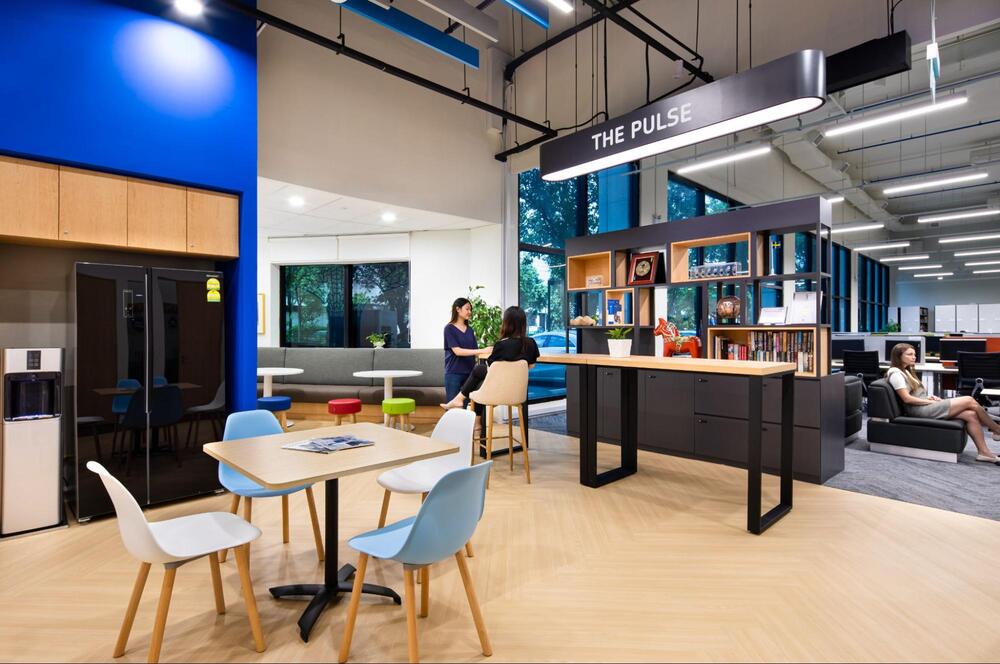
Lighting affects productivity and perception of space. In small office space decor ideas, light can make a room feel larger.
Start with natural light:
- Place desks near windows
- Use glass partitions instead of solid walls
- Keep window areas clear
Then add artificial lighting:
- Use layered lighting (ambient + task lighting)
- Install LED panels for even distribution
- Add desk lamps for focused work
For color selection:
- Use light tones such as white, beige, or soft grey
- Limit dark colors to accents
- Maintain a consistent palette
Example color strategy:
| Element | Recommended Color |
| Walls | White / light grey |
| Furniture | Neutral tones |
| Accent | Brand color |
Common mistake to avoid: Do not mix too many colors. It creates visual clutter and reduces clarity.
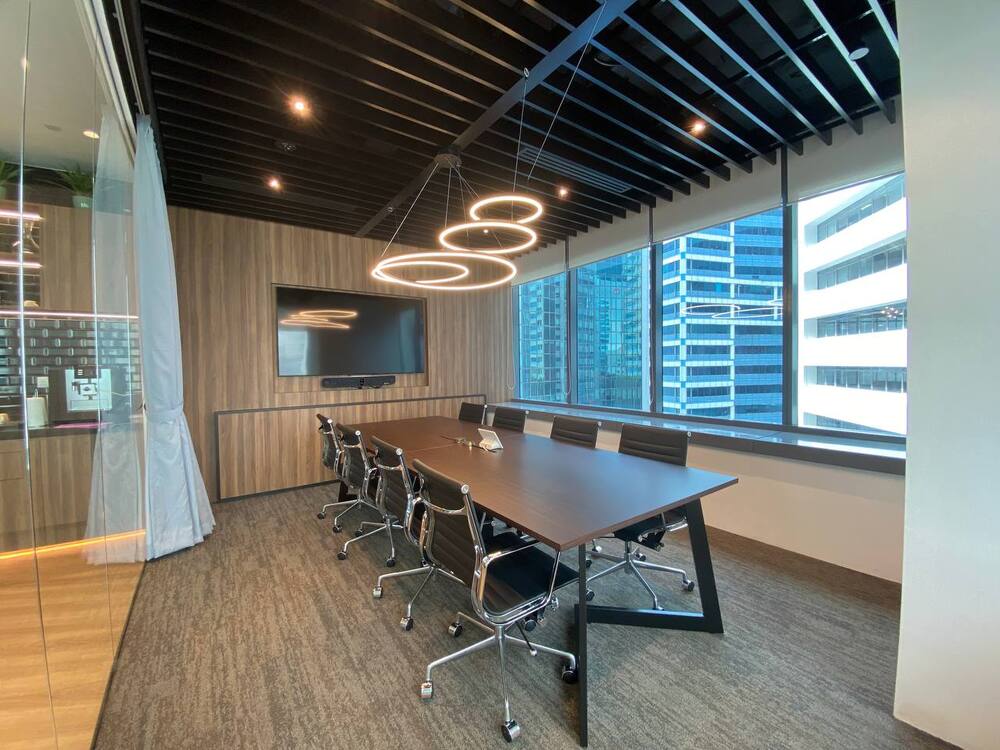
Step 6: Add branding without overloading space
Branding should support identity without reducing usability. In office interior design ideas for small spaces, subtle branding works best.
Focus on key elements:
- A simple logo wall at reception
- Brand colors applied to small accents
- Minimal graphics on walls
Apply branding in controlled areas such as entrance, meeting room, feature wall. Avoid full-wall graphics in small spaces. They reduce visual openness.
Use this structure:
| Branding element | Placement |
| Logo wall | Reception |
| Brand color | Furniture accents |
| Graphics | Limited walls |
Practical tip: Keep branding clean and consistent. Avoid adding elements that do not support business goals.
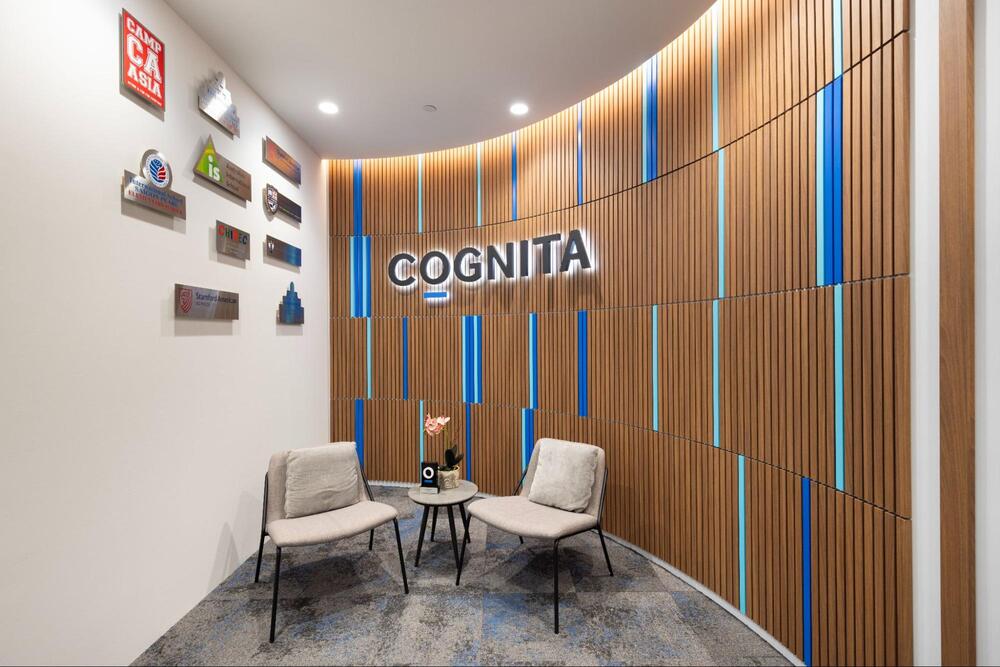
2. Smart office interior design ideas for small offices
2.1 Minimalist design
Minimalism improves clarity and reduces visual noise. In small office interior design ideas, it helps increase usable space and simplify maintenance.
Start by removing unnecessary items:
- Clear unused furniture
- Limit decorative objects
- Keep only essential tools on desks
Define a simple layout:
- Use straight desk arrangements
- Avoid complex shapes
- Keep circulation paths clear
Apply a controlled color system:
- Base colors: white, grey, beige
- Accent colors: brand tone (limited use)
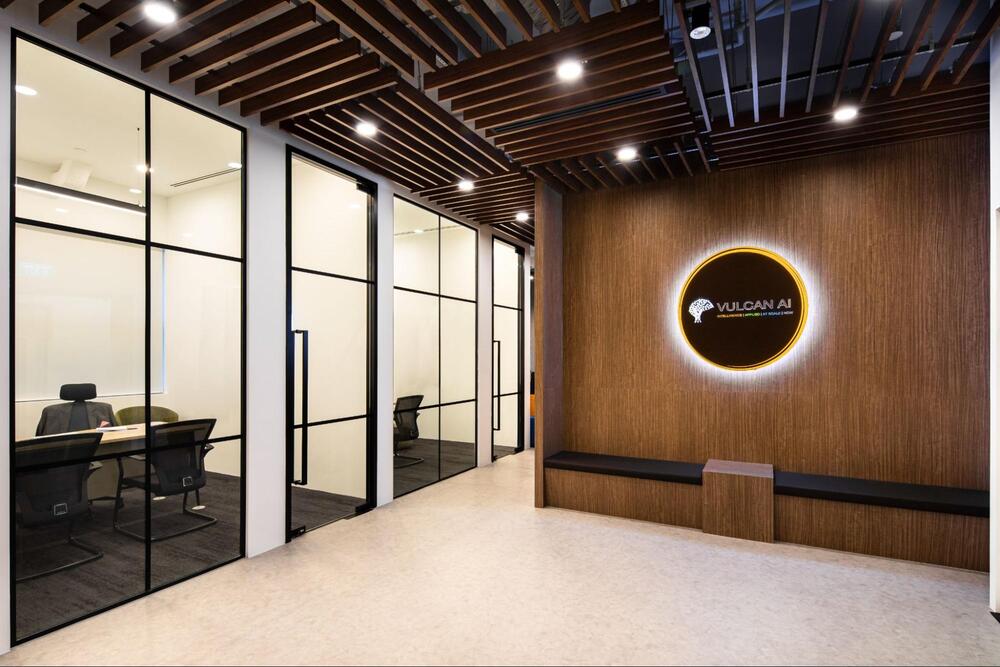
2.2 Open workspace with flexible zones
Open layouts increase spatial perception. However, structure is still required. In office interior design for small offices, flexible zoning replaces fixed walls.
Define zones based on function:
- Workstation zone
- Collaboration zone
- Breakout area
Create separation without walls:
- Use rugs to define areas
- Place shelves as dividers
- Apply lighting to highlight zones
Keep zones adjustable:
- Use mobile furniture
- Avoid fixed partitions
- Allow space to change based on team size
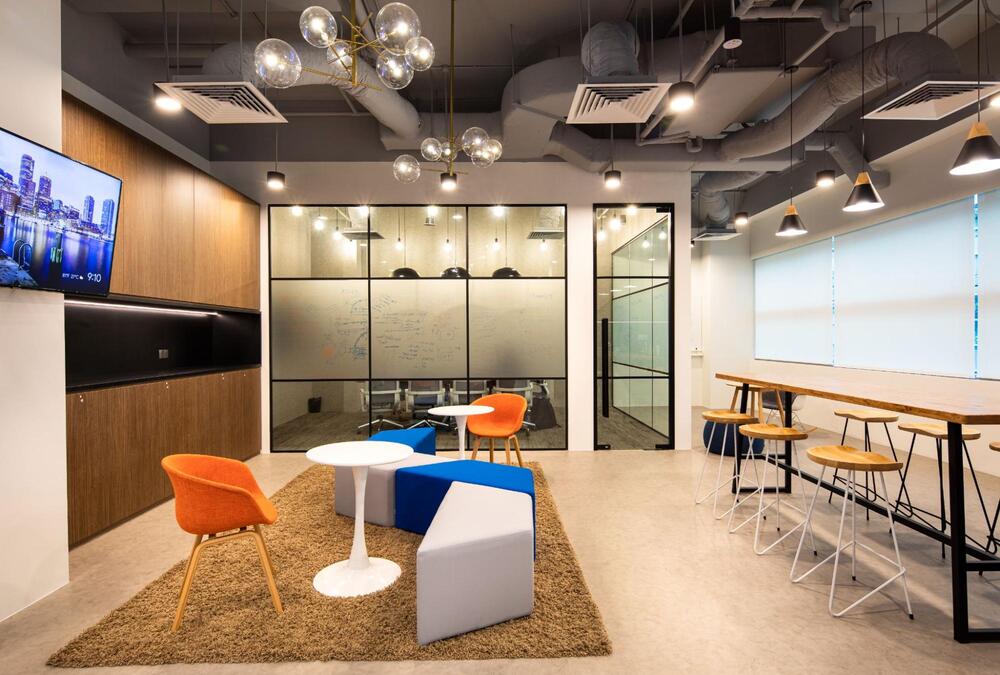
2.3 Multi-functional spaces
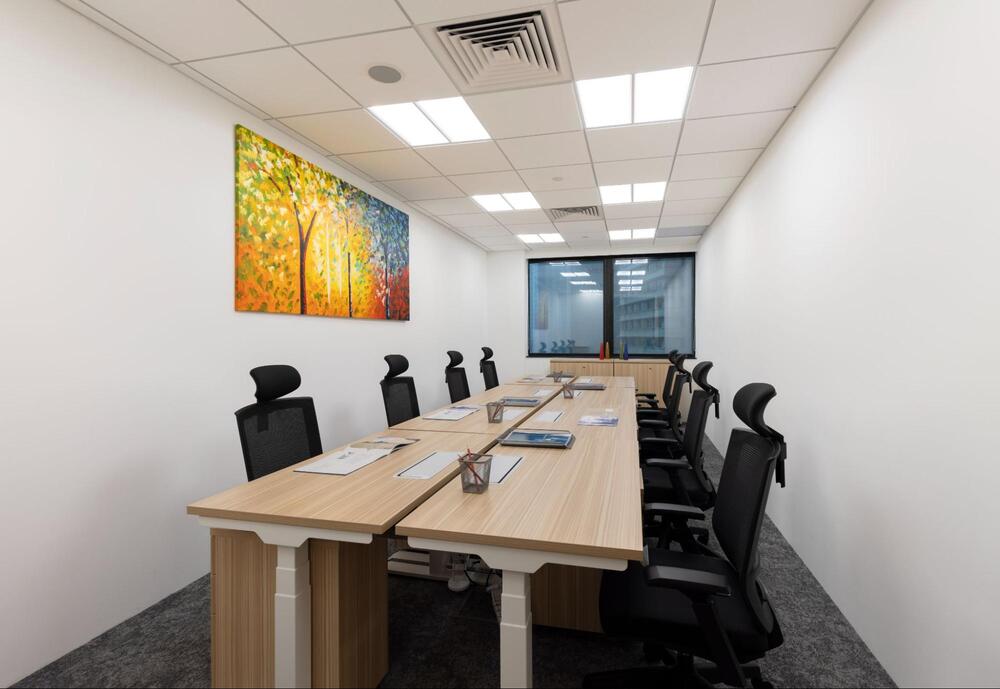
Multi-functional design increases space efficiency. In interior design for small office space, each area should serve more than one purpose.
Identify convertible areas:
- Meeting room → training room
- Pantry → breakout space
- Desk → meeting table
Select flexible elements:
- Foldable tables
- Stackable chairs
- Mobile partitions
Plan for quick transitions:
- Ensure furniture is easy to move
- Store items nearby
- Avoid heavy fixtures
2.4 Vertical storage solutions
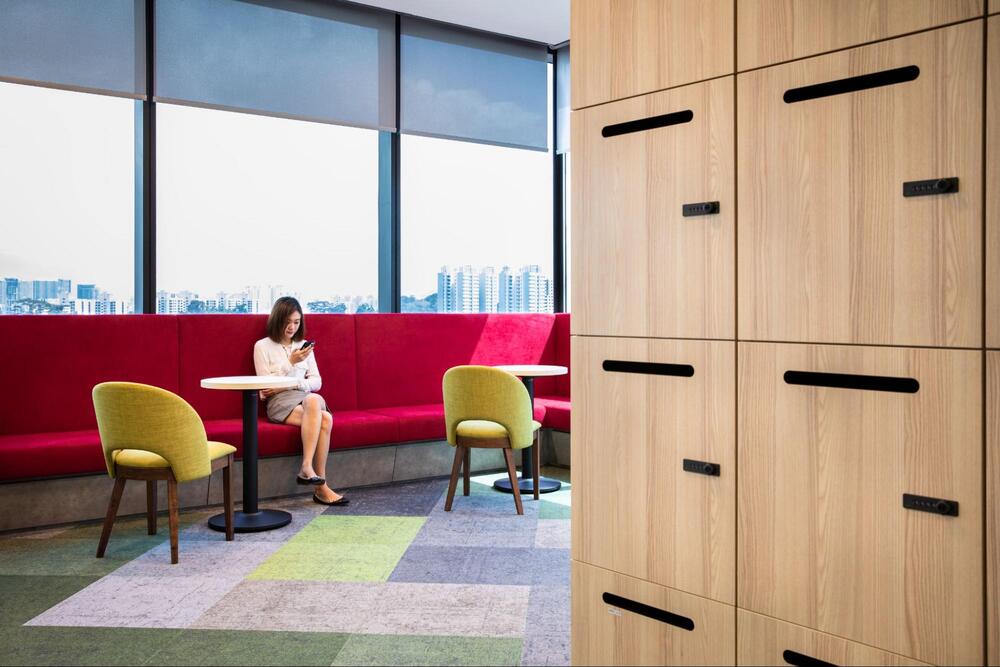
Vertical storage reduces floor usage. It is essential in small office space decor ideas.
Start with wall analysis:
- Measure full height
- Identify load-bearing walls
- Check access points
Install vertical systems:
- Full-height cabinets
- Wall-mounted shelves
- Hanging storage units
Use layered storage:
- Frequently used items at mid-level
- Archive items at top level
- Daily tools near desks
2.5 Glass & Transparent materials
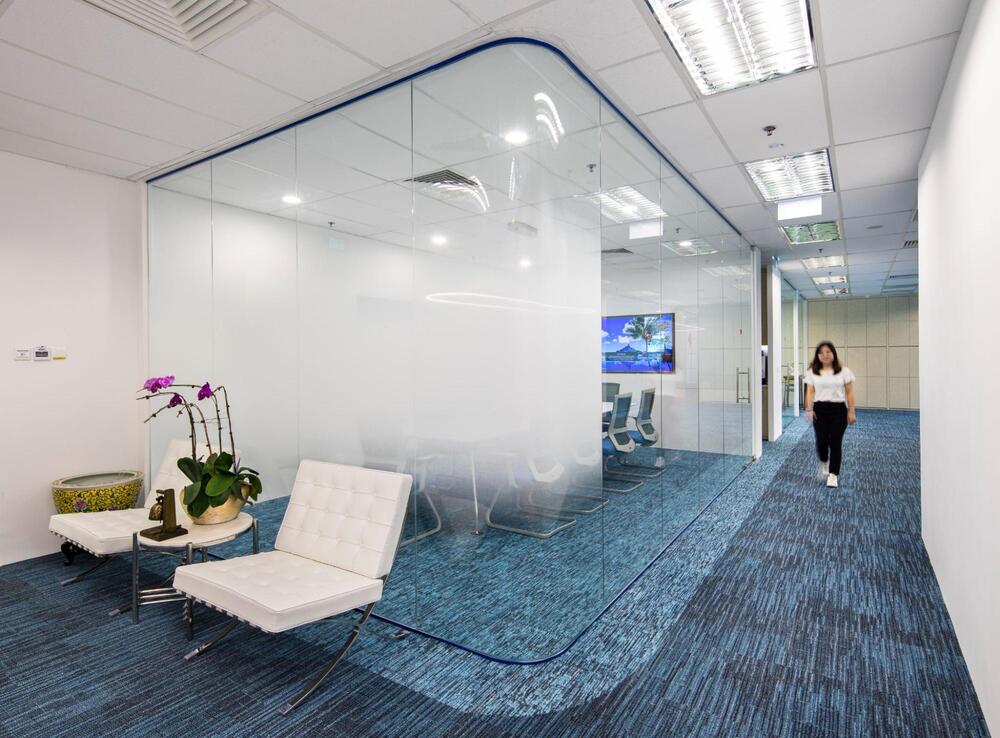
Transparency improves light distribution. In office interior design ideas for small space, glass increases visual openness. Apply glass in key areas like meeting rooms, partitions, doors.
Choose the right type:
- Clear glass for openness
- Frosted glass for privacy
- Double-glazed for sound control
Combine with layout strategy:
- Place glass near light sources
- Avoid blocking windows
- Align partitions with circulation paths
2.6 Hot-desking / Flexible seating
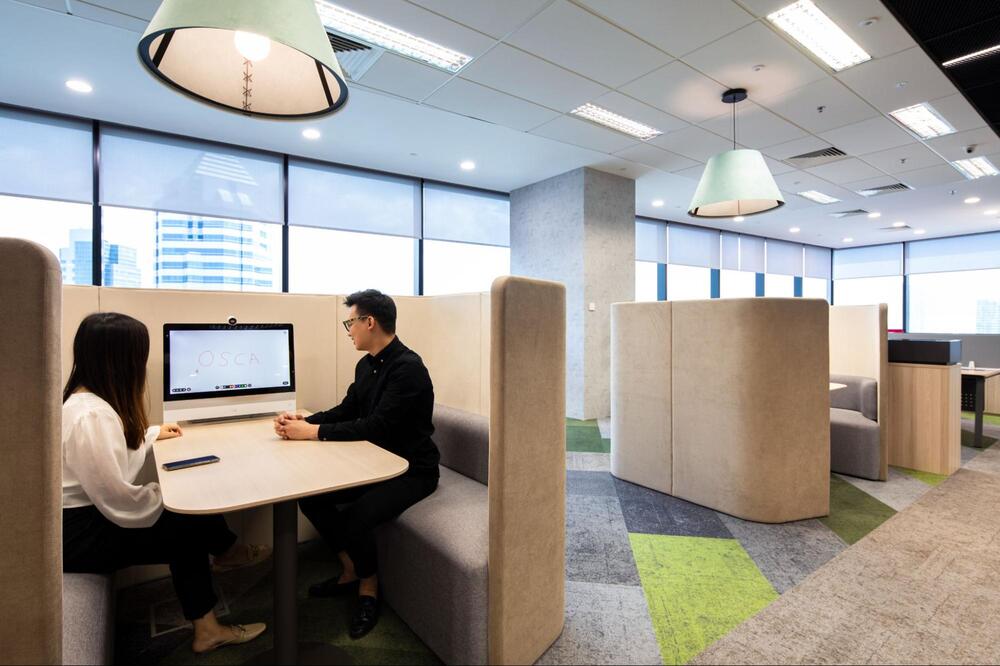
Flexible seating reduces unused desks. It is effective in hybrid work models and office interior design for small offices.
Assess usage patterns:
- Count daily occupancy
- Identify peak usage
- Measure desk demand
- Set a desk ratio
Implement hot-desking:
- Assign desks by need
- Use booking systems
- Provide lockers for storage
2.7 Smart technology integration
Technology reduces clutter and improves efficiency. In interior design for small office space, it supports clean layouts.
Start with cable management:
- Use wireless devices
- Install cable trays
- Hide wiring under desks
Integrate smart systems:
- Wireless presentation tools
- Smart lighting controls
- Occupancy sensors
Optimize workspace setup:
- Provide docking stations
- Use cloud-based tools
- Reduce hardware dependency
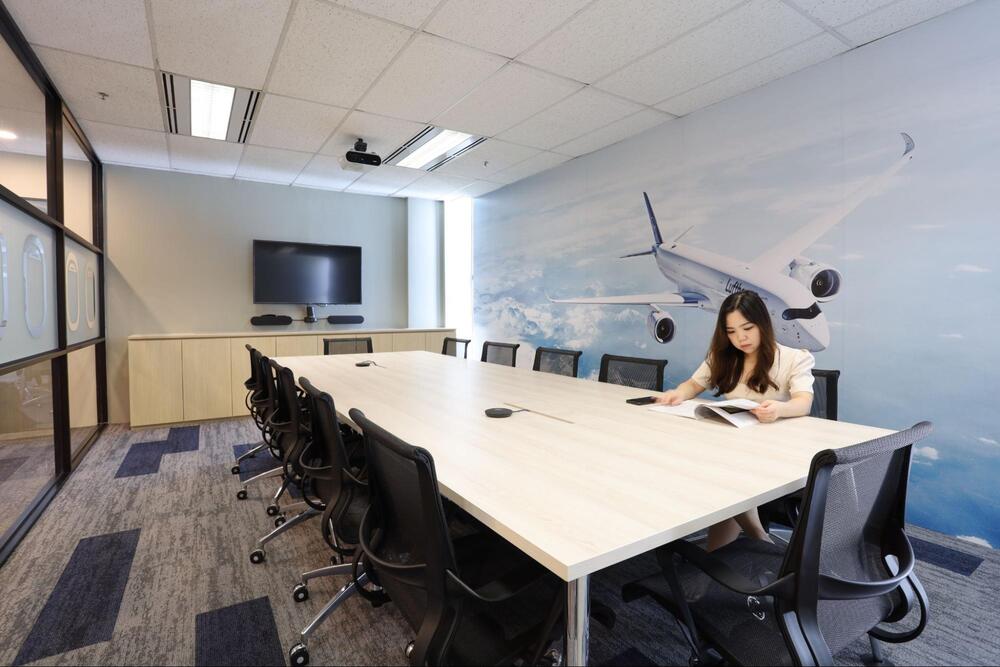
3. Budget-friendly tips for small office interior design
Cost control is critical in office interior design for small office projects. A clear plan helps reduce waste and improve efficiency. These tips focus on practical execution so you can manage small office interior design within budget while maintaining usability.
- Prioritize key areas such as the main workspace first to ensure productivity and control budget effectively in office interior design for small office.
- Use modular furniture instead of excessive custom-built items to maintain flexibility, reduce upfront cost, and support long-term changes in small office interior design.
- Reuse and upgrade existing furniture or assets where possible to minimize waste and optimize cost efficiency in interior design for small office space.
- Work with a design & build partner like OSCA to streamline planning, optimize total costs, and ensure efficient execution in office interior design ideas for small space.
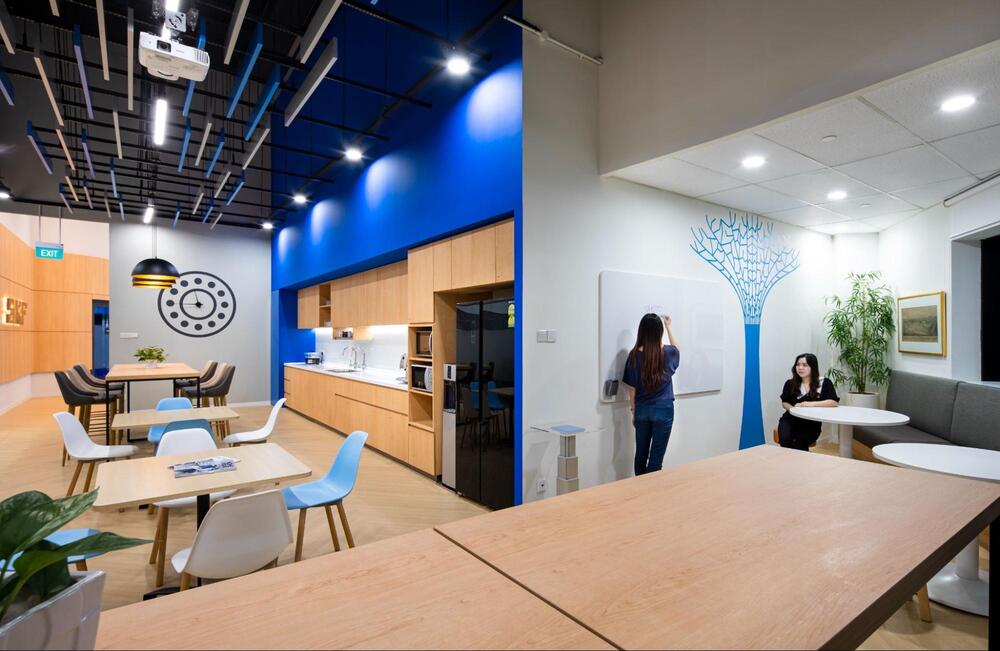
4. Why work with OSCA for small office design?
This section explains why OSCA is a reliable partner for small office interior design and how you can apply their approach to achieve better results.
Proven experience in workspace design
Experience is essential in interior design for small office space. OSCA has delivered multiple workspace projects across different industries. This experience helps identify common issues early and avoid costly mistakes.
OSCA applies a structured workflow:
- Analyze business needs
- Study team size and work patterns
- Define spatial requirements
- Develop layout strategies
This process ensures that your small office room design supports real operations, not just visual concepts.
Key advantages:
- Clear understanding of workspace behavior
- Ability to optimize small layouts
- Reduced trial-and-error during design
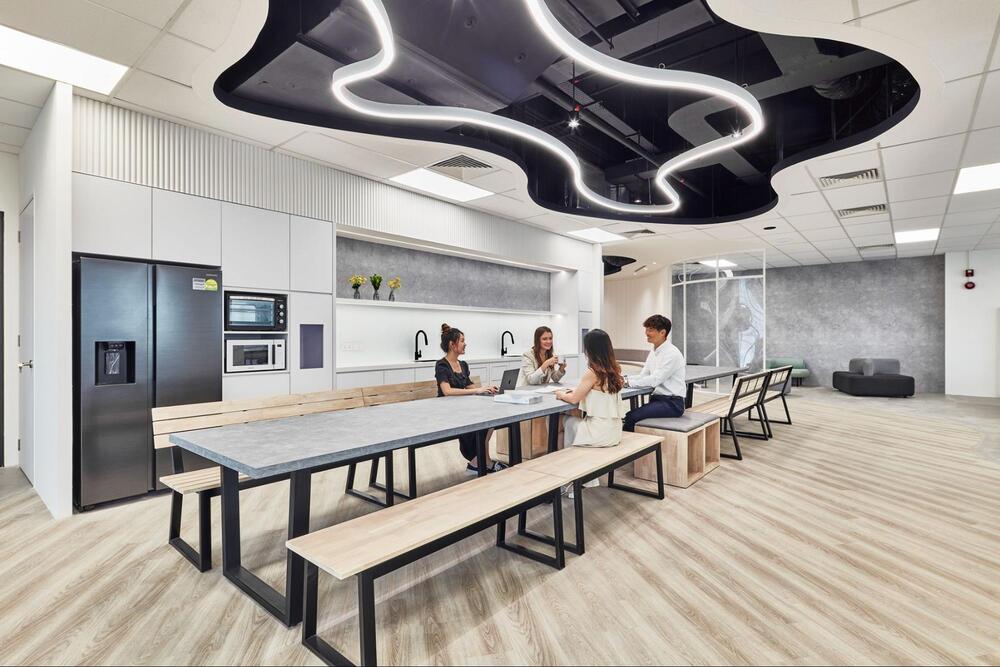
Integrated design & Build process
A fragmented process increases cost and delays. OSCA uses a design & build model to manage the full project lifecycle in office interior design for small office.
Process structure:
| Phase | Scope |
| Strategy | Workplace planning |
| Design | Layout, materials |
| Build | Construction |
| Support | Maintenance |
This integration provides:
- Single point of responsibility
- Better cost control
- Faster execution
Optimized space planning for small offices
Space efficiency is the core of small office interior design. OSCA focuses on maximizing usable area without increasing footprint.
Key strategies:
- Zoning instead of fixed partitions
- Multi-functional spaces
- Vertical storage solutions
- Flexible layouts
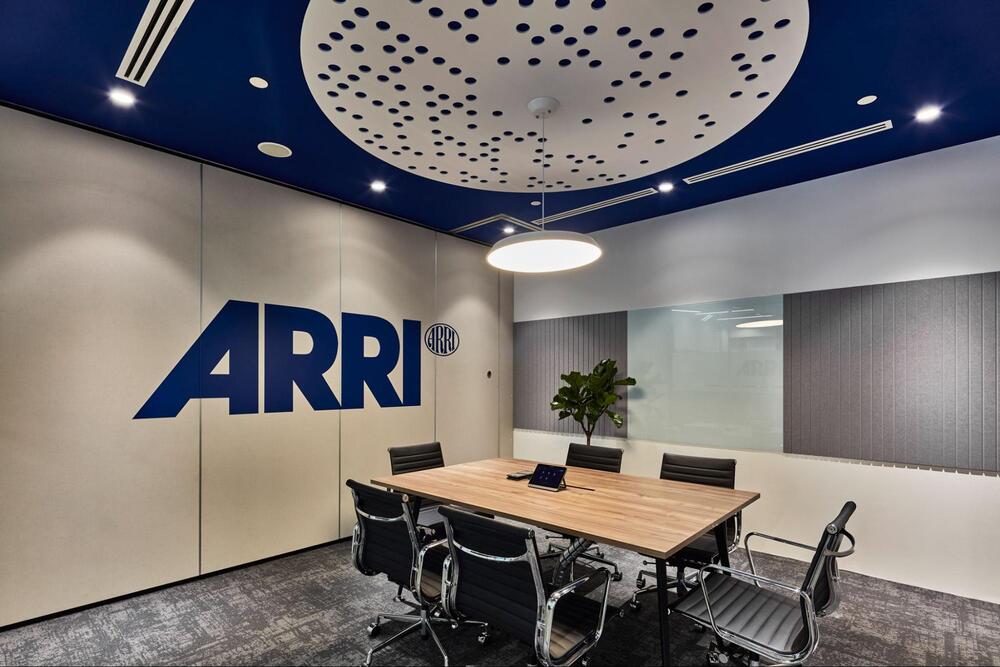
Human-centric and flexible design approach
Workspaces must support people, not just functions. OSCA applies a human-centric approach in interior design for small office space.
Focus areas:
- Ergonomic furniture selection
- Access to natural light
- Clear circulation paths
- Balanced collaboration and focus zones
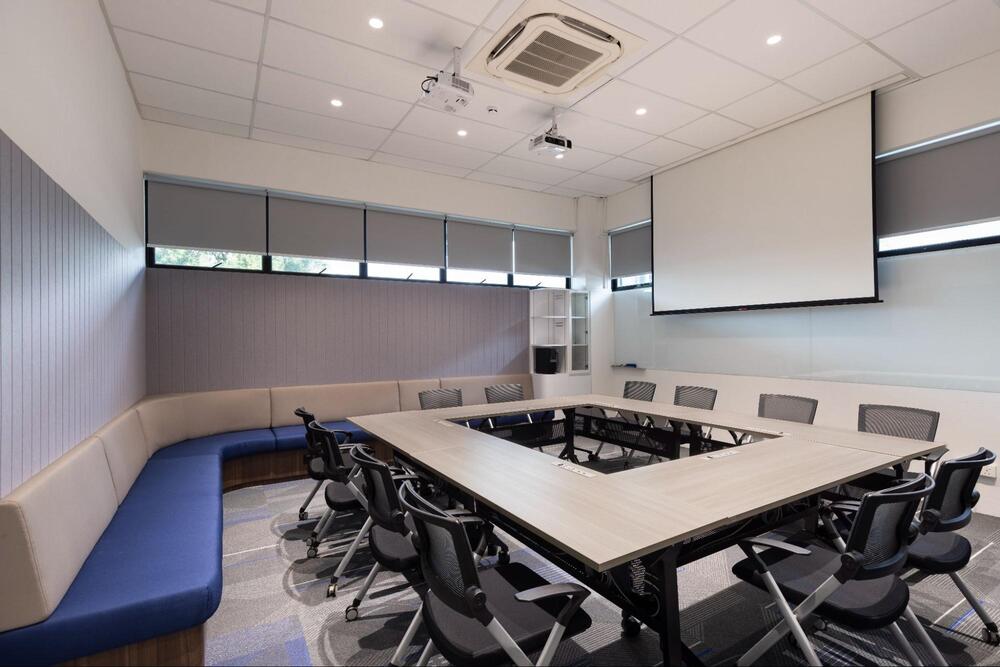
Cost optimization without compromising function
Cost control is essential in office interior design for small office. OSCA applies cost optimization at every stage.
Methods include:
- Prioritizing key areas
- Using modular furniture
- Reusing existing assets
- Simplifying materials
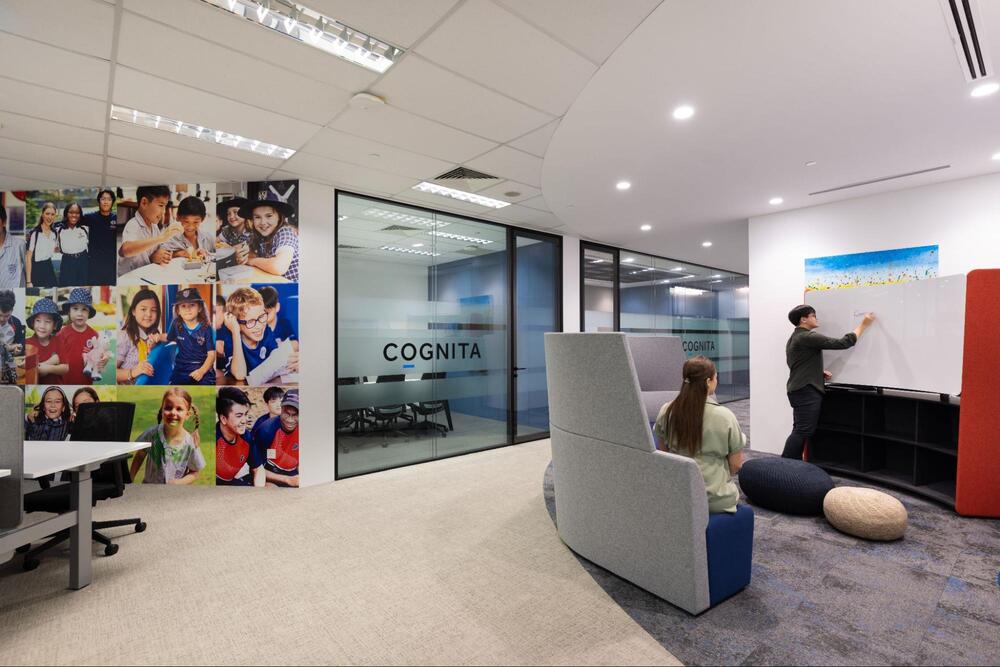
End-to-end project management and support
Execution quality affects the final result. OSCA provides full project management in small office interior design.
Scope includes:
- Timeline planning
- Vendor coordination
- Quality control
- Post-completion support
This ensures on-time delivery, budget adherence and consistent quality. Clients receive a complete solution, from concept to completion.
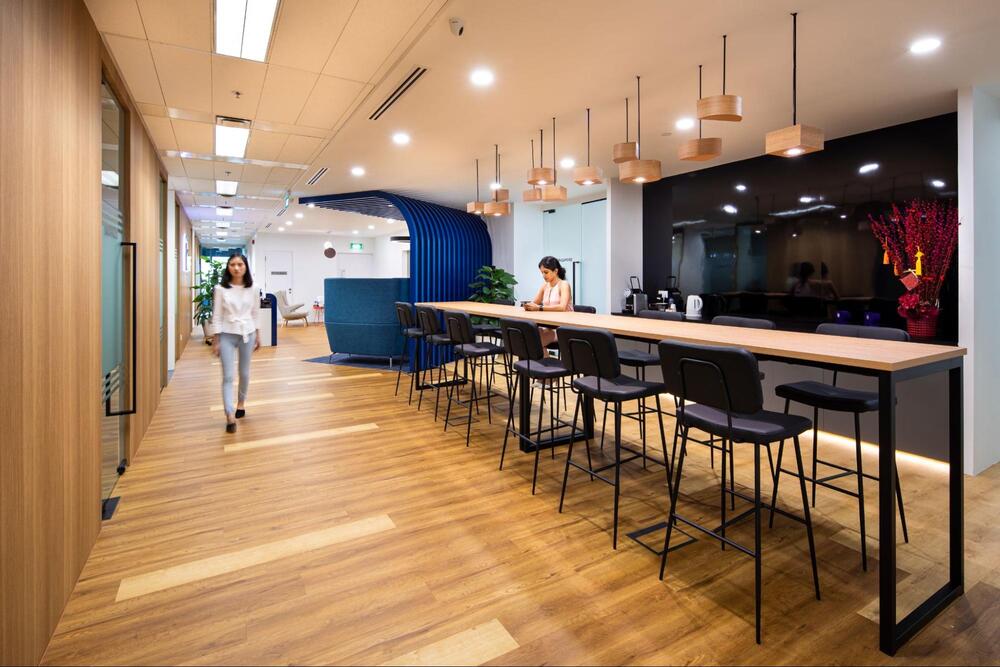
A well-planned office interior design for small offices is not about adding more elements, but about making better decisions. Working with an experienced partner like OSCA Asia further strengthens the process. With a structured design & build approach, businesses can reduce risk, control budget, and achieve a workspace that meets both operational and design goals.