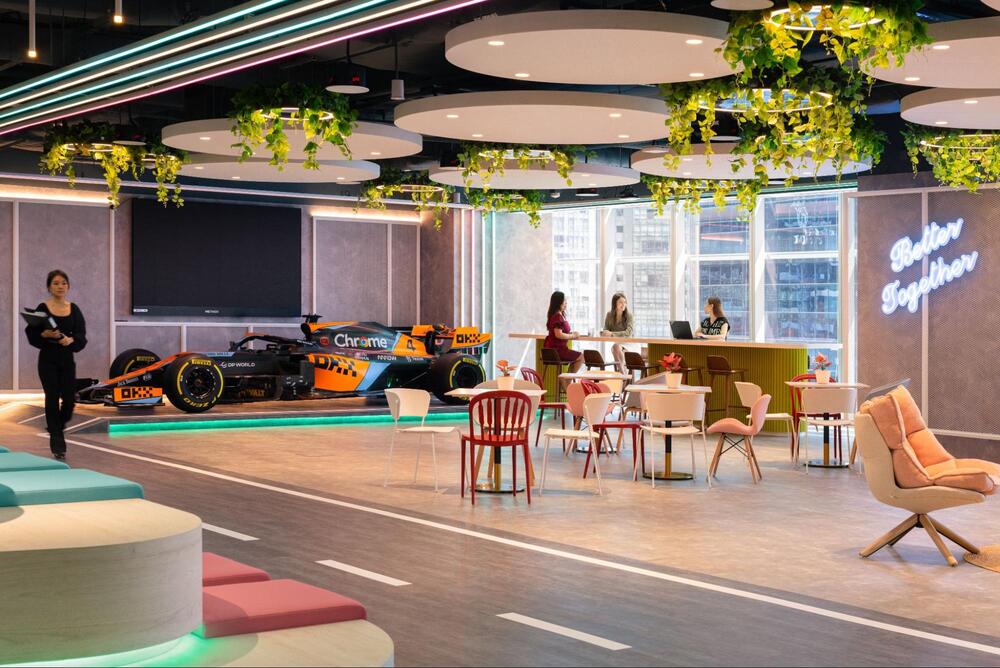
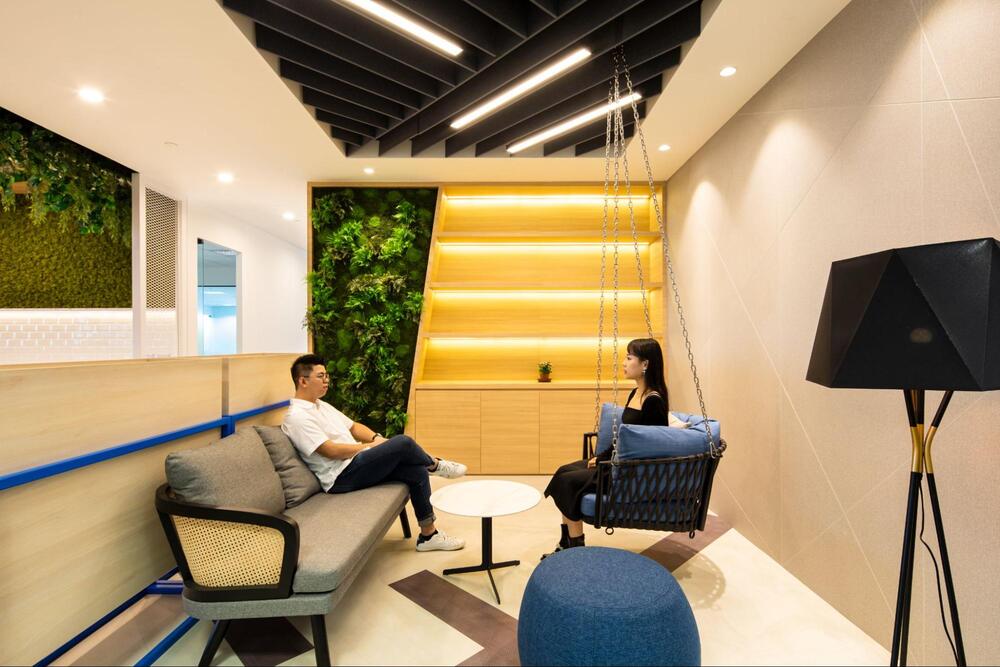
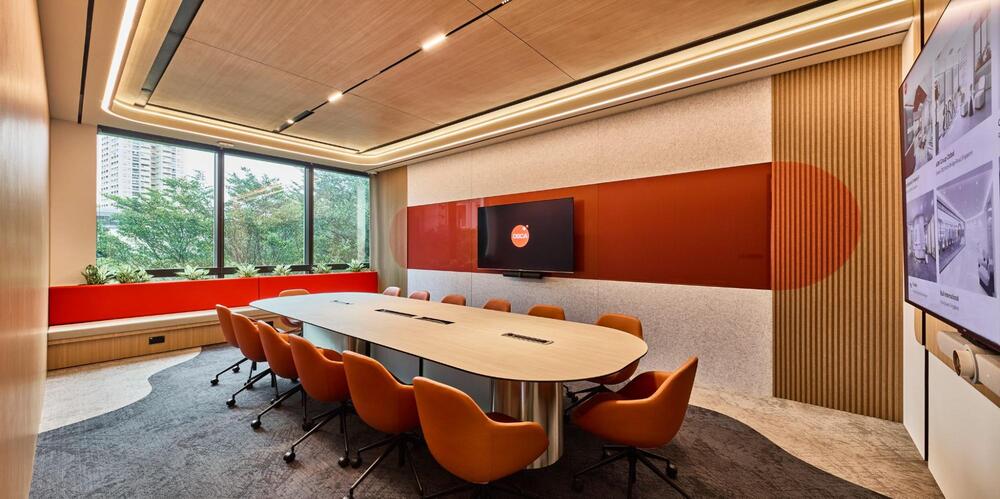
In today’s evolving work environment, businesses are rethinking how office spaces can better support collaboration and efficiency. One of the most popular solutions is open office concepts, a design approach that creates more connected, flexible, and productive workplaces. But what exactly are open office concepts, and why are they becoming a preferred choice for modern companies? Find more with OSCA Asia.
Contents
- 1 1. What are open office concepts?
- 2 2. Why are open office concepts popular in modern workplaces?
- 3 3. Key elements of effective open office design
- 4 4. Advantages and disadvantages of open office concepts
- 5 5. Best practices for designing an open office
- 6 6. How does OSCA transform open office concepts into reality?
1. What are open office concepts?
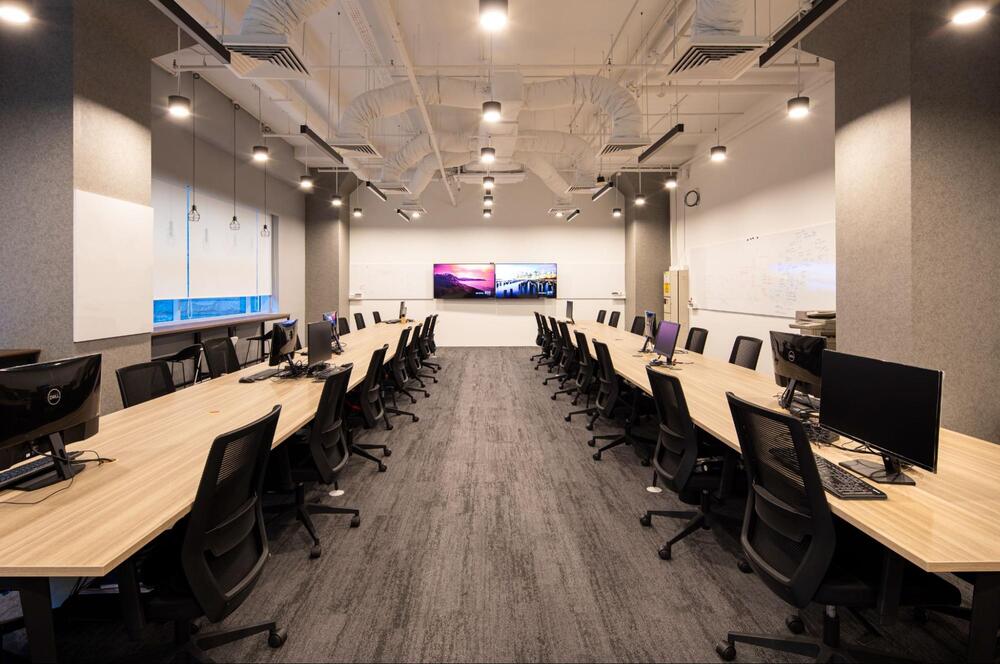
Open office concepts refer to a modern workplace design approach that removes traditional walls and cubicles to create a more connected and collaborative environment. Instead of separating employees into private rooms, an open space office concept emphasizes openness, visibility, and interaction across teams.
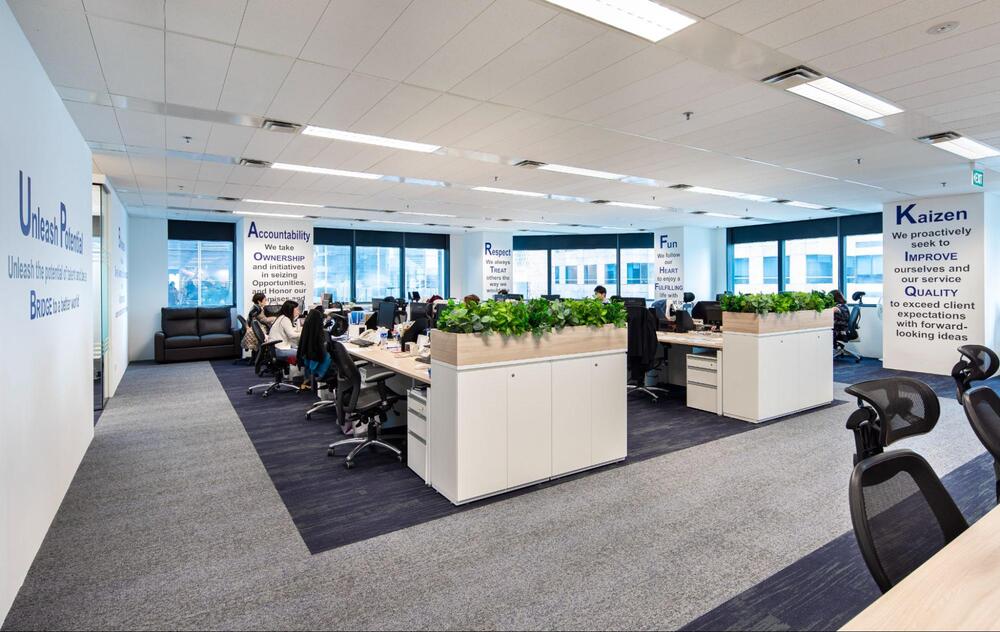
In a typical open concept office space, employees share a common working area where communication flows more naturally. This setup supports faster decision-making, encourages teamwork, and reflects the needs of today’s flexible work culture.
- Minimal partitions: An open space office reduces physical barriers, allowing better visibility and easier communication between employees.
- Shared workspaces: A well-designed office space open layout often includes shared desks, hot-desking areas, and collaborative zones to maximize interaction.
- Flexible layouts: A smart open concept office layout can be easily adapted for different team sizes, activities, or hybrid working models, making it ideal for modern businesses.
2. Why are open office concepts popular in modern workplaces?
Enhancing collaboration & communication
One of the biggest advantages of an open space office is the ability to improve communication between team members. Without physical barriers, employees can interact more easily, share ideas quickly, and collaborate in real time. This type of office space open environment also supports creative brainstorming, making it ideal for teams that rely on innovation and fast-paced decision-making.
Maximizing space efficiency
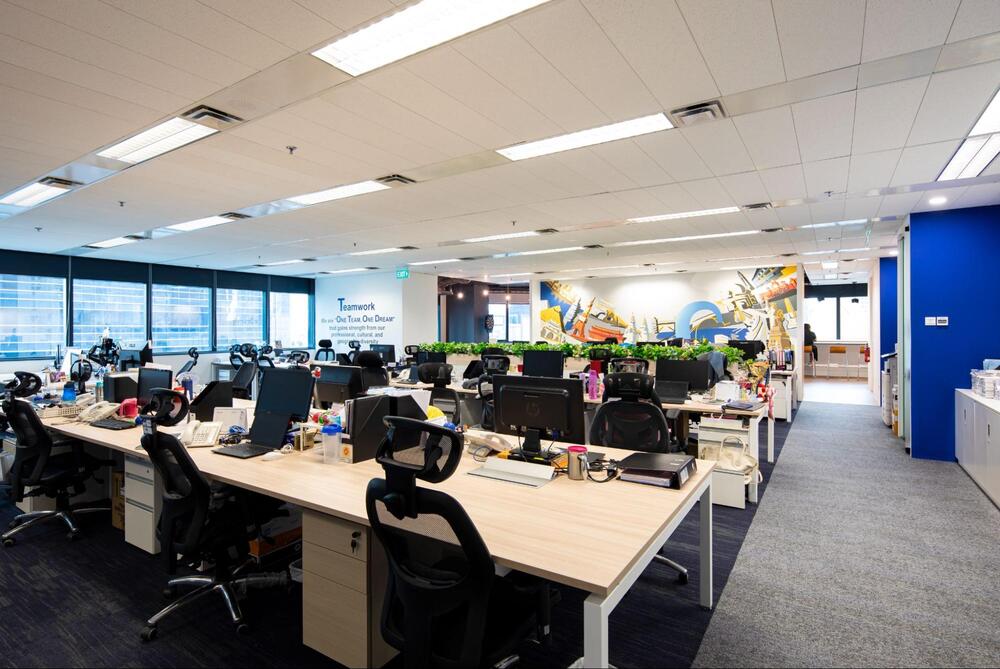
An open concept office layout allows businesses to make better use of their available space. Instead of dedicating large areas to private rooms, companies can optimize every square meter within an open concept office space. This approach also makes it easier to scale, as layouts can be adjusted to accommodate growing teams without major structural changes.
Supporting flexible work culture
Modern workplaces are increasingly adopting hybrid and agile working models. An open office concept supports this shift by offering adaptable spaces that can serve multiple purposes, from focused work to team collaboration. A well-planned open space office concept can seamlessly accommodate different working styles and employee needs.
Cost efficiency
Another key reason businesses choose an open concept office design is cost savings. With fewer walls and partitions, companies can significantly reduce construction and maintenance expenses. Additionally, an open space office typically requires less material and allows for more efficient use of infrastructure, making it a cost-effective solution for long-term operations.
3. Key elements of effective open office design
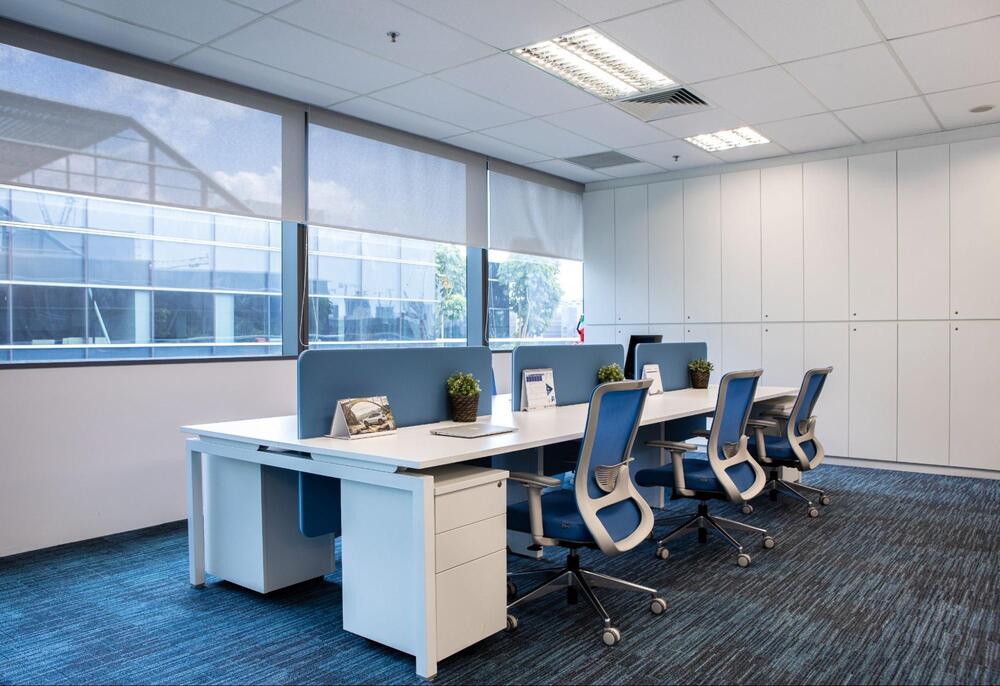
To create a successful and functional workspace, an open concept office design requires more than just removing walls. Businesses need to carefully consider how different elements work together to support productivity, comfort, and collaboration.
3.1 Zoning & Space planning
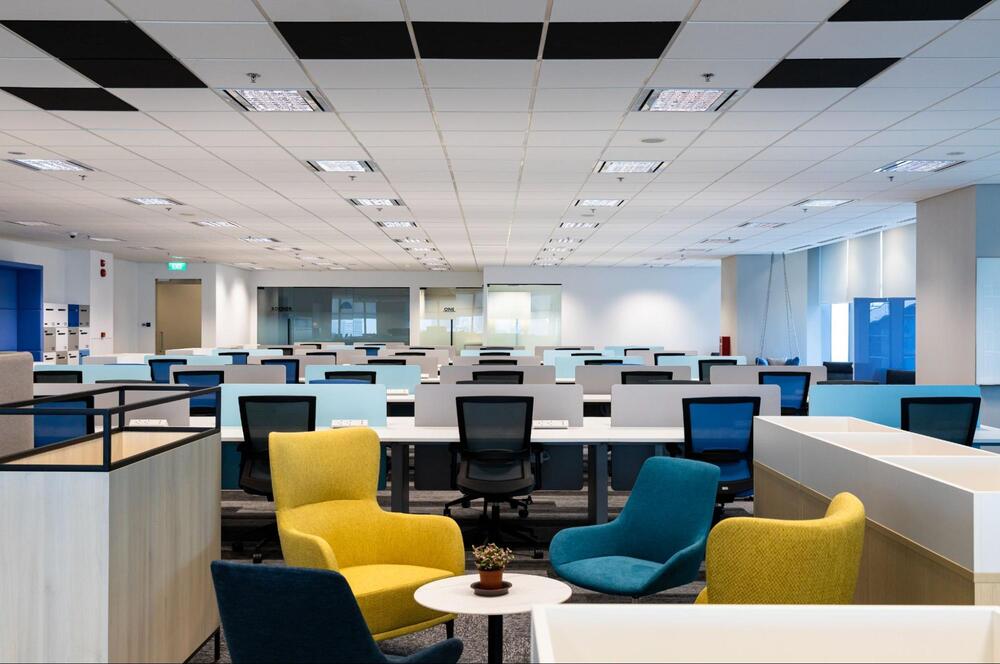
Effective zoning is essential in any open concept office layout to ensure the space supports different work styles without causing disruption. A well-planned open concept office design divides the open concept office space into functional areas, allowing employees to collaborate, focus, and relax within the same environment.
- Collaboration zones: Dedicated areas within an open space office where teams can meet, discuss ideas, and work together more efficiently.
- Focus areas: Quiet zones designed to minimize distractions, helping employees maintain productivity in an otherwise office space open environment.
- Breakout spaces: Informal areas in an open office concept that encourage relaxation, quick discussions, and creative thinking outside of formal workstations.
3.2 Acoustic solutions
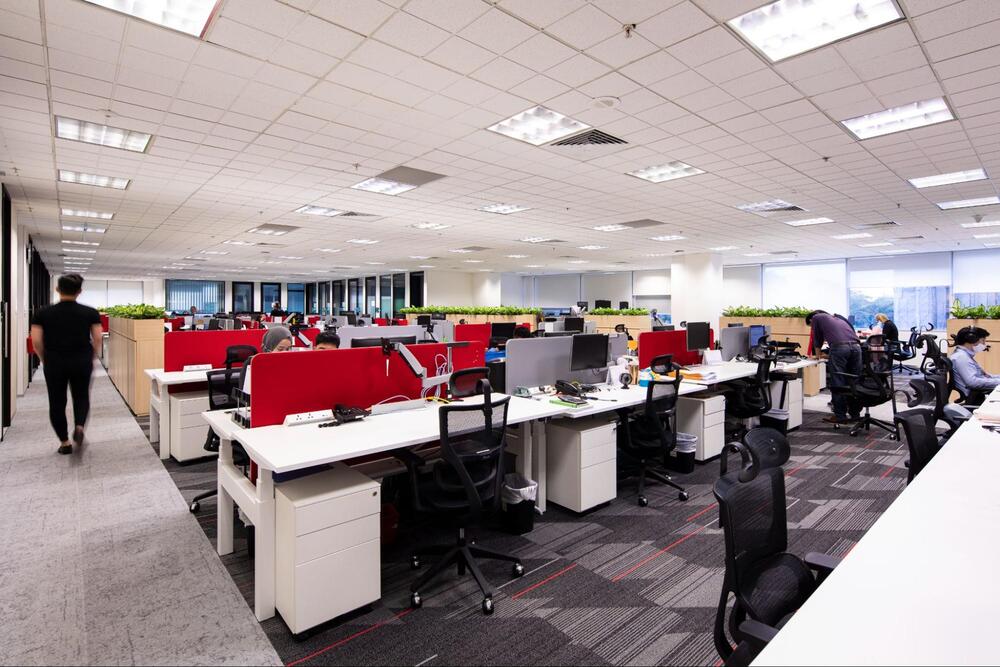
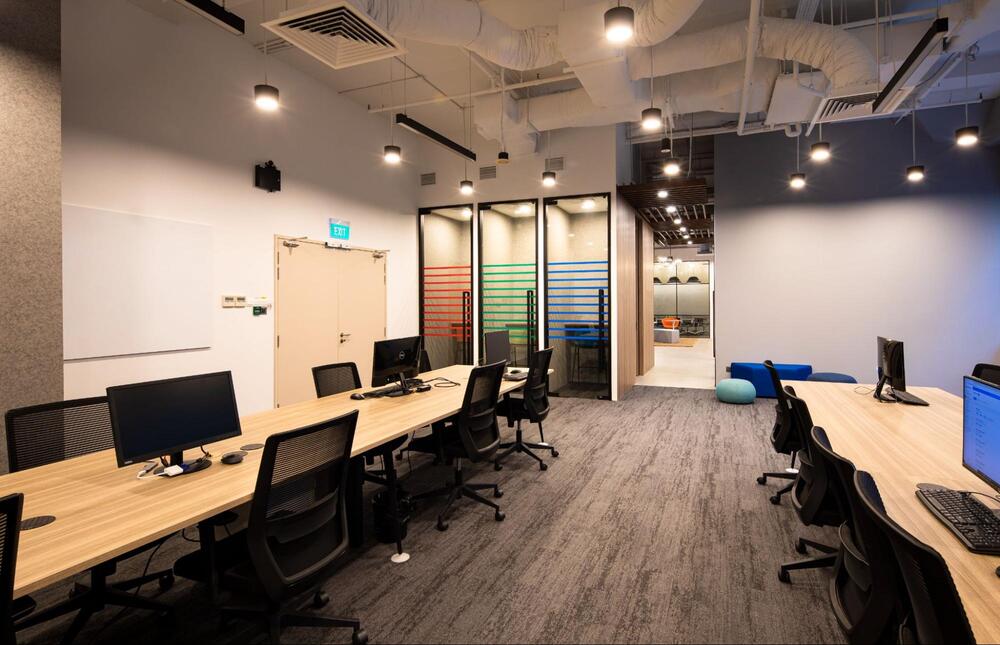
Managing noise is one of the biggest challenges in an open space office, making acoustic planning a critical part of any open concept office design. Without proper solutions, distractions can reduce productivity and affect employee comfort within an open concept office space.
- Soundproof pods: Enclosed pods in an open concept office layout provide private areas for calls, meetings, or focused work without interruptions.
- Acoustic panels: Wall-mounted or freestanding panels help absorb sound and reduce noise levels in a busy office space open environment.
- Ceiling treatments: Specialized ceiling systems in an open office concept can minimize sound reflection, improving overall acoustics and creating a more comfortable workspace.
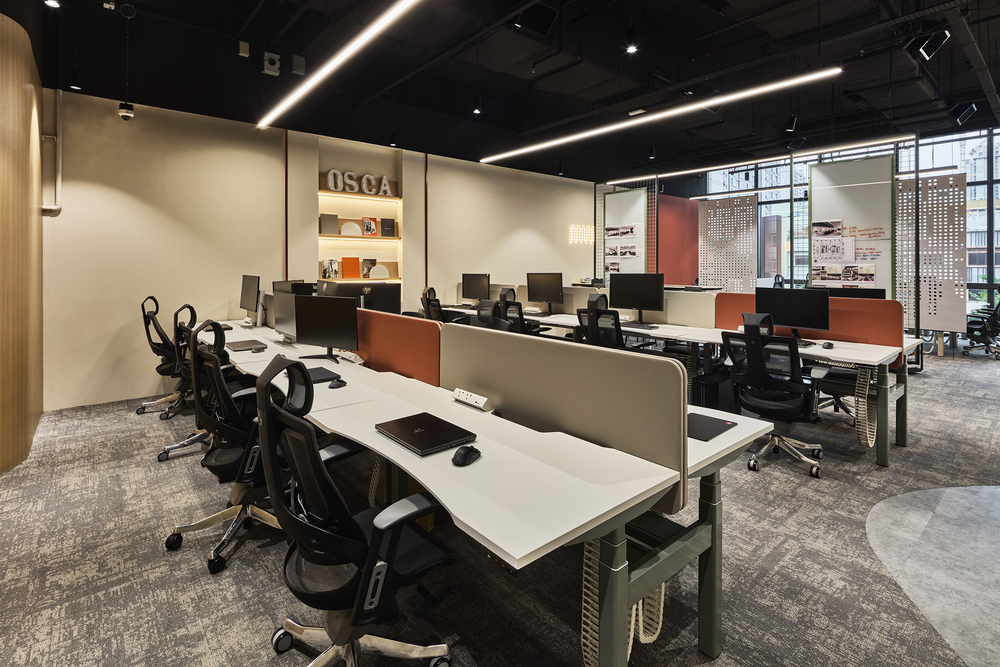
3.3 Ergonomic furniture
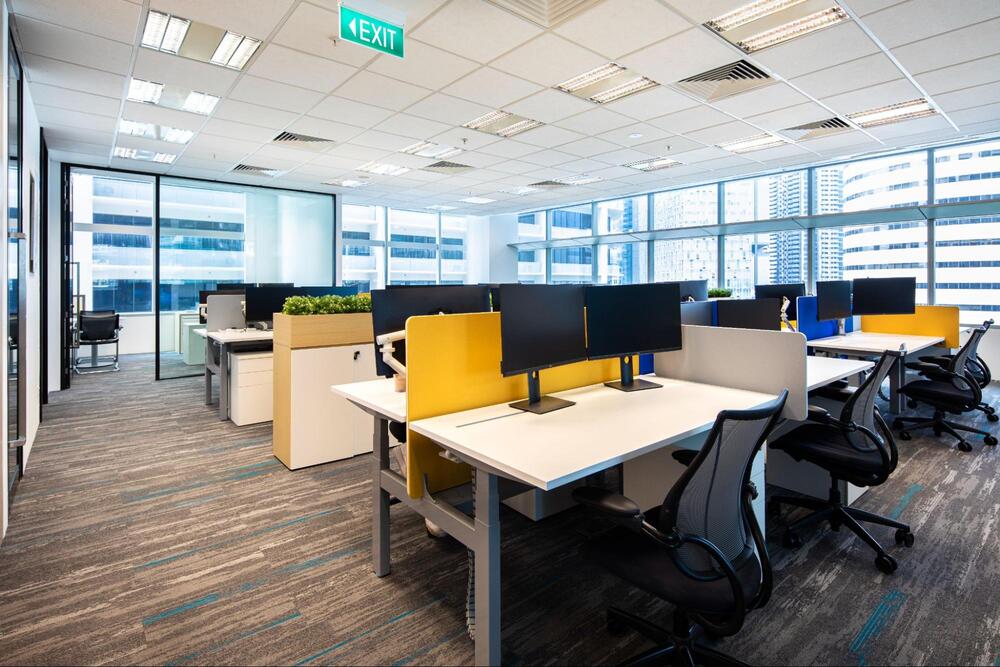
Choosing the right furniture is essential for maintaining comfort and productivity in an open concept office space. A well-planned open concept office design should prioritize ergonomics to support employee health, especially in a shared open space office environment where people work for extended periods.
- Adjustable desks: Height-adjustable desks allow employees to switch between sitting and standing, improving posture and flexibility within an open concept office layout.
- Comfortable seating: Ergonomic chairs provide proper support, helping reduce fatigue and enhance focus in an office space open setting.
3.4 Lighting & Natural elements
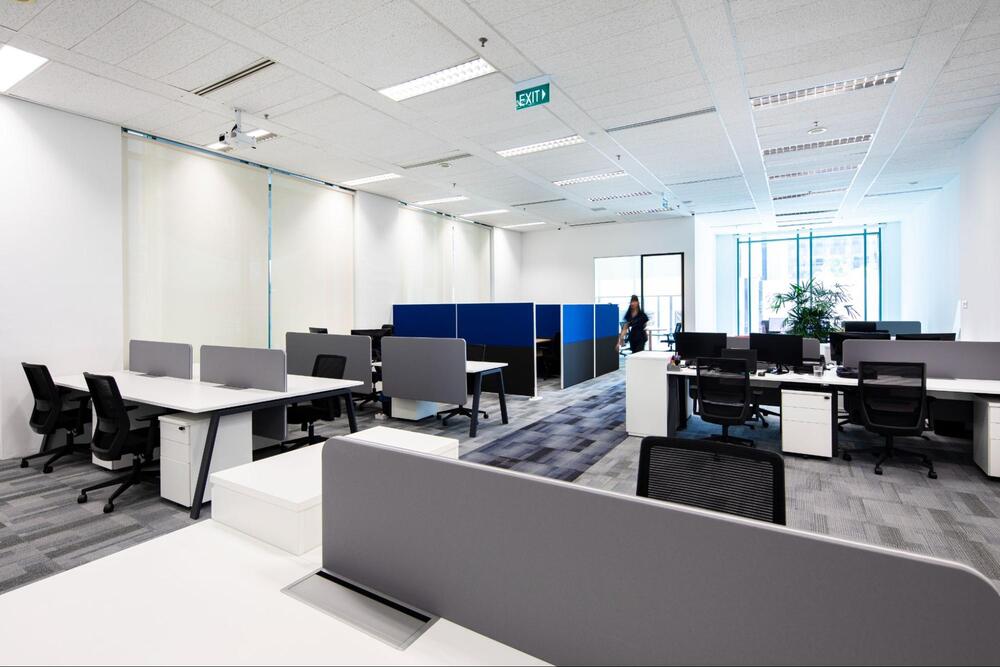
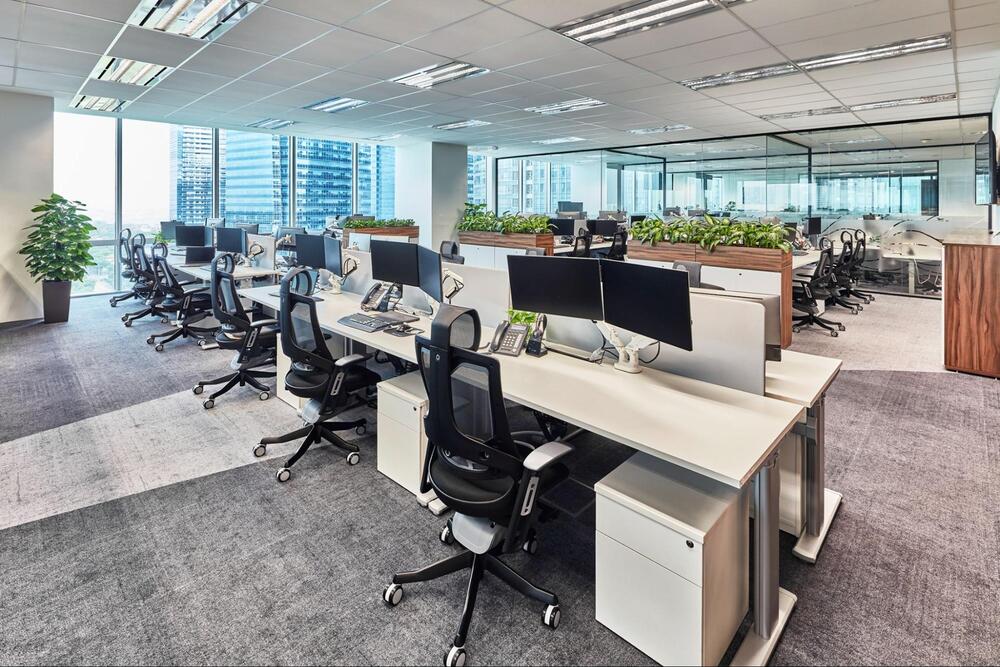
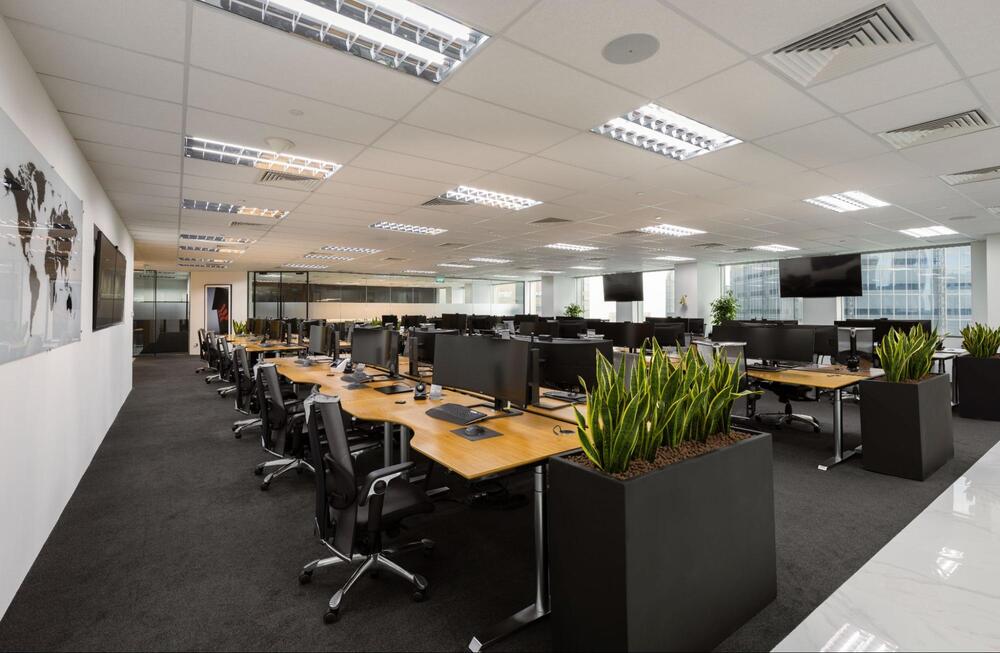
Lighting and natural elements play a vital role in enhancing both the aesthetics and well-being of employees in an open concept office space. A thoughtful open concept office design should maximize natural light while incorporating elements of nature to create a healthier and more engaging open space office environment.
- Natural light optimization: Large windows, open layouts, and strategic desk placement help distribute daylight evenly across an open concept office layout, reducing the need for artificial lighting and boosting productivity.
- Biophilic design integration: Incorporating plants, greenery, and natural materials into an open office concept helps improve air quality, reduce stress, and create a more inviting workplace.
3.5 Technology Integration
Technology plays a crucial role in supporting efficiency and collaboration within an open concept office space. A well-equipped open concept office design should seamlessly integrate digital tools and infrastructure to enhance communication and streamline daily operations in an open space office.
- Smart meeting rooms: Modern meeting spaces in an open concept office layout are equipped with video conferencing systems, interactive displays, and booking tools to support hybrid collaboration.
- Connectivity infrastructure: Reliable internet, wireless systems, and integrated networks are essential for maintaining productivity in an office space open environment, ensuring seamless communication across teams.
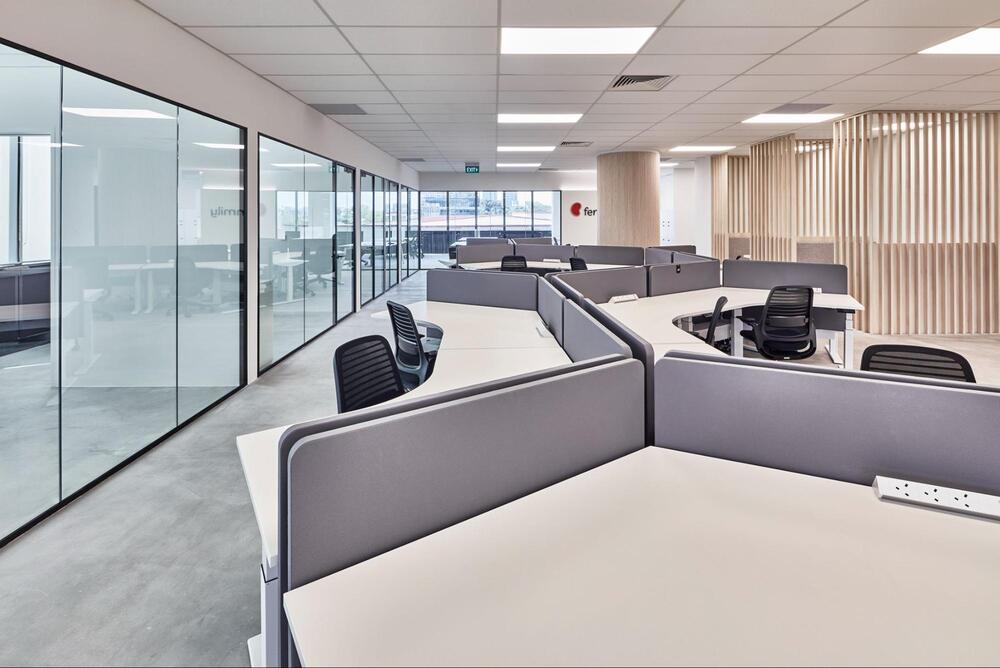
4. Advantages and disadvantages of open office concepts
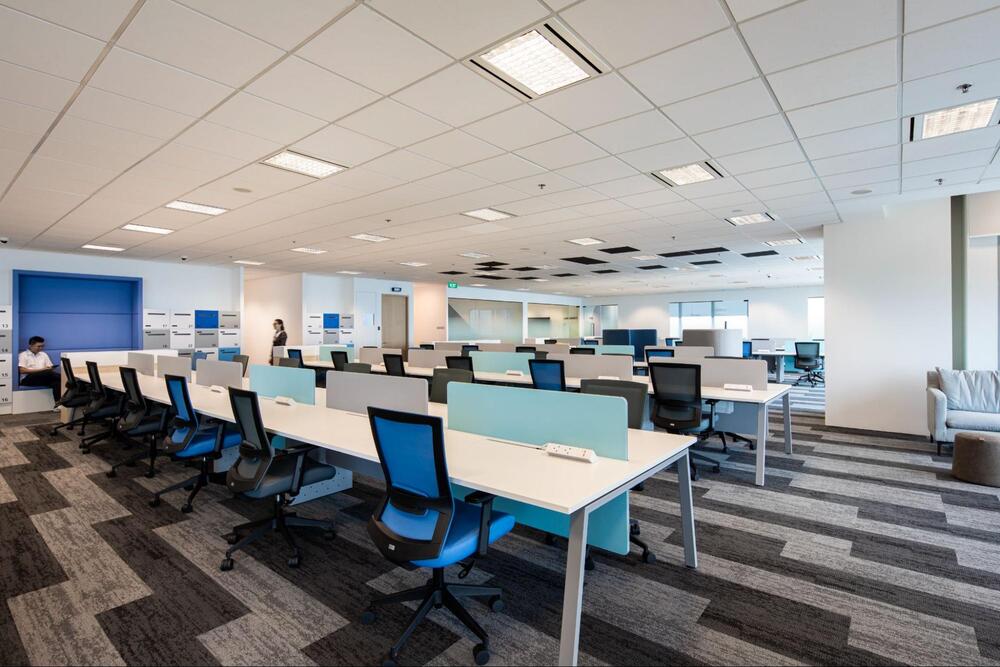
While open office concepts offer many benefits for modern workplaces, they also come with certain challenges. Understanding both the strengths and limitations of an open concept office design helps businesses create a more balanced and effective open concept office space that meets employee needs.
Open office concepts bring several benefits that improve teamwork and operational efficiency.
- Collaboration boost: An open space office encourages teamwork and faster communication between employees.
- Transparency: A more visible office space open environment promotes openness and stronger team alignment.
- Flexibility: A well-designed open concept office layout can easily adapt to changing team sizes and work styles.
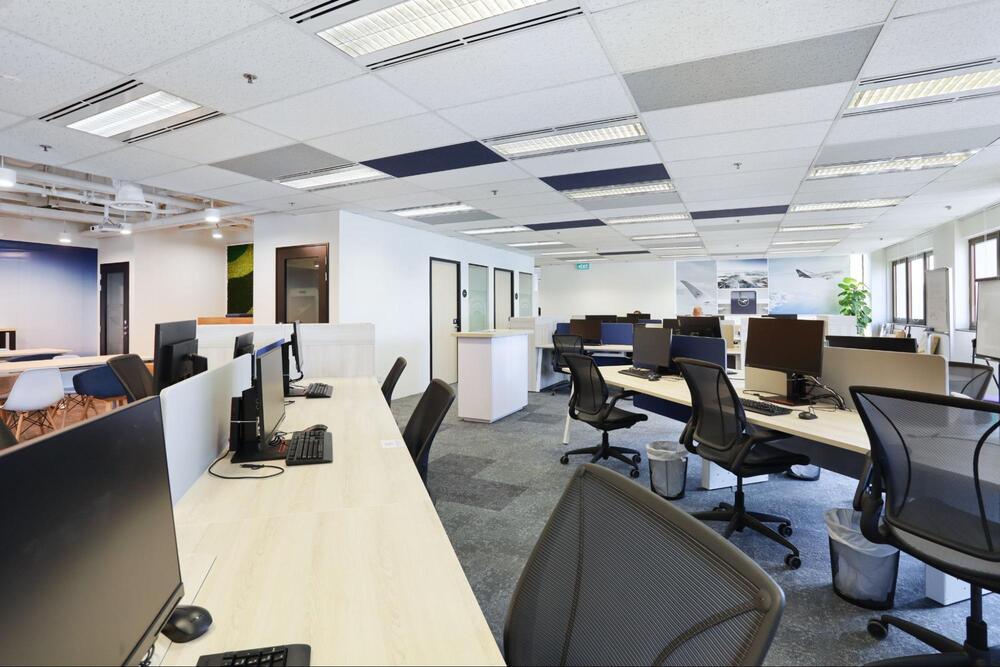
However, without proper planning, they can also create challenges that impact employee performance.
- Noise distractions: High noise levels are a common issue in an open space office, potentially affecting concentration.
- Lack of privacy: Limited personal space in an open concept office space can make it difficult to handle sensitive tasks.
- Potential productivity challenges: Without proper planning, an open office concept may lead to reduced focus and efficiency for some employees.
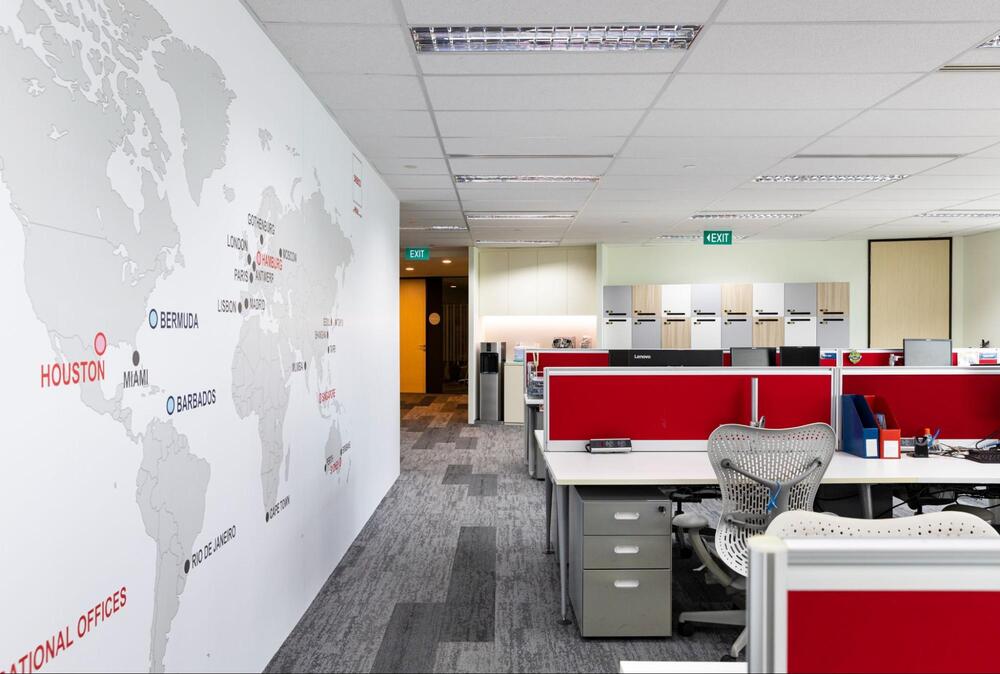
5. Best practices for designing an open office
Designing a successful workspace using open office concepts requires a strategic approach that balances functionality, comfort, and aesthetics. A well-executed open concept office design should not only enhance collaboration but also address potential challenges to create a productive and engaging open concept office space.
- Balance openness with privacy: Combine open areas with quiet zones or pods to maintain focus within an open concept office layout.
- Use modular furniture: Flexible furniture systems allow easy reconfiguration in a dynamic open space office environment.
- Implement acoustic strategies: Apply soundproofing solutions to reduce noise in an office space open setting.
- Design for employee well-being: Prioritize comfort, lighting, and ergonomics to improve satisfaction in an open concept office space.
- Incorporate brand identity into space: Reflect company culture through colors, materials, and layout in an open concept office design.
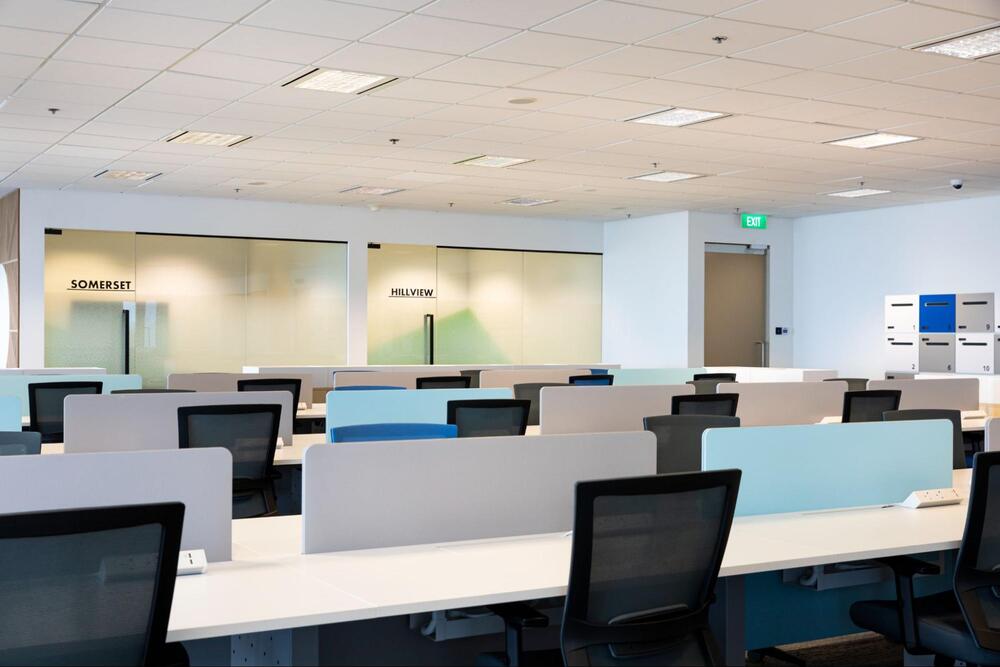
6. How does OSCA transform open office concepts into reality?
Turning open office concepts into a functional and inspiring workspace requires expertise, strategy, and execution, and that is where OSCA Asia stands out. As a leading commercial interior design studio in Asia, OSCA specializes in delivering tailored open concept office design solutions that align with each business’s goals and culture.
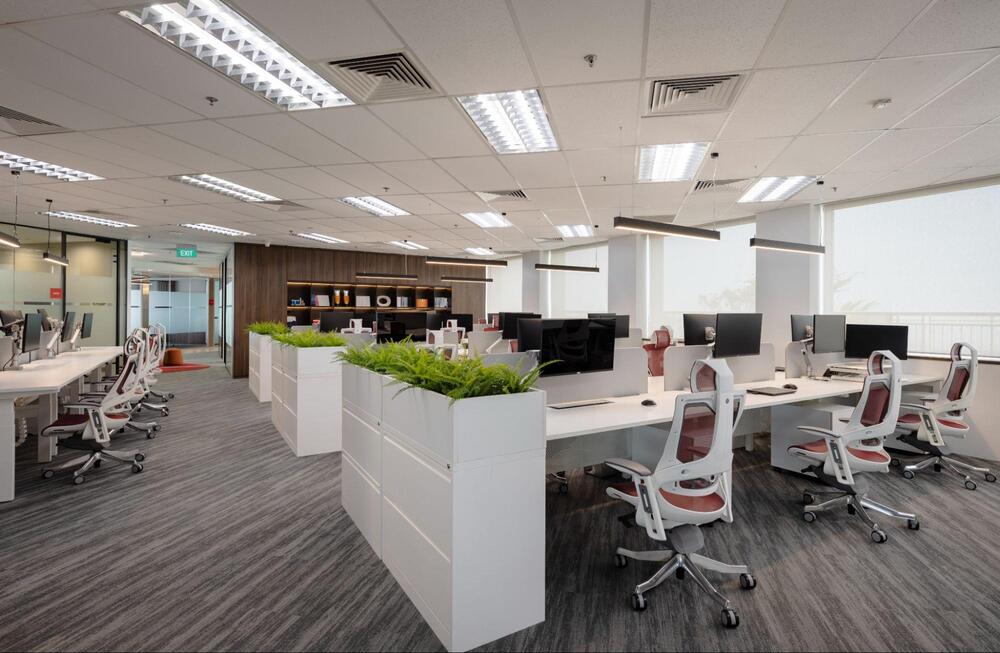
With a comprehensive approach that combines Design & Build, Project Management, and Consultancy, OSCA ensures every open concept office space is thoughtfully planned and efficiently executed. Their team focuses on human-centric design, prioritizing employee experience while integrating workplace strategy into every open concept office layout.
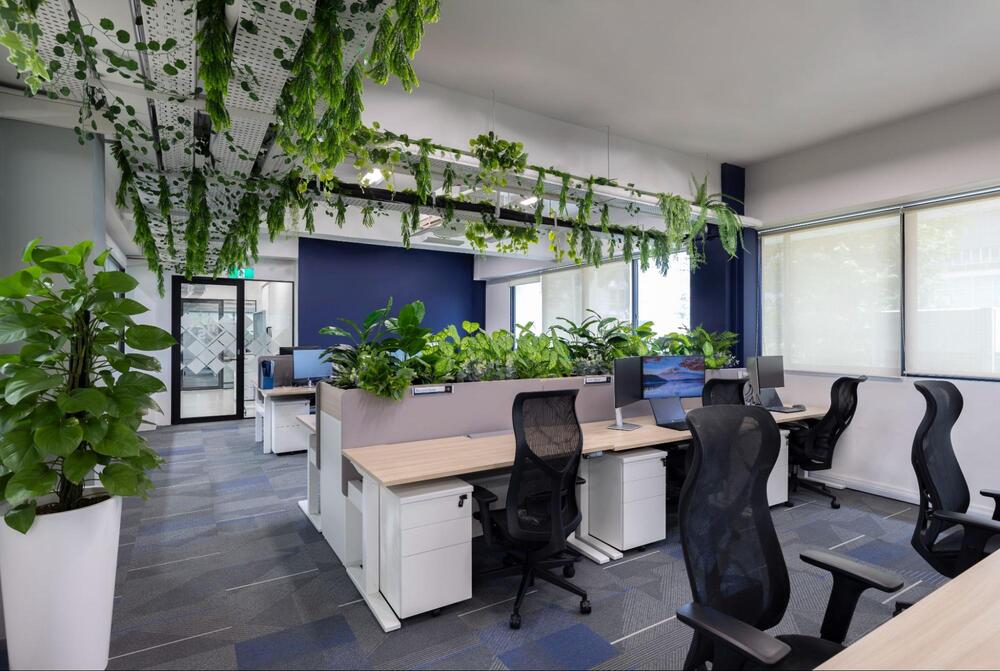
By offering end-to-end solutions, OSCA helps businesses transform traditional offices into high-performance environments. The result is a smart open space office concept that not only enhances collaboration and flexibility but also drives productivity and long-term business success.
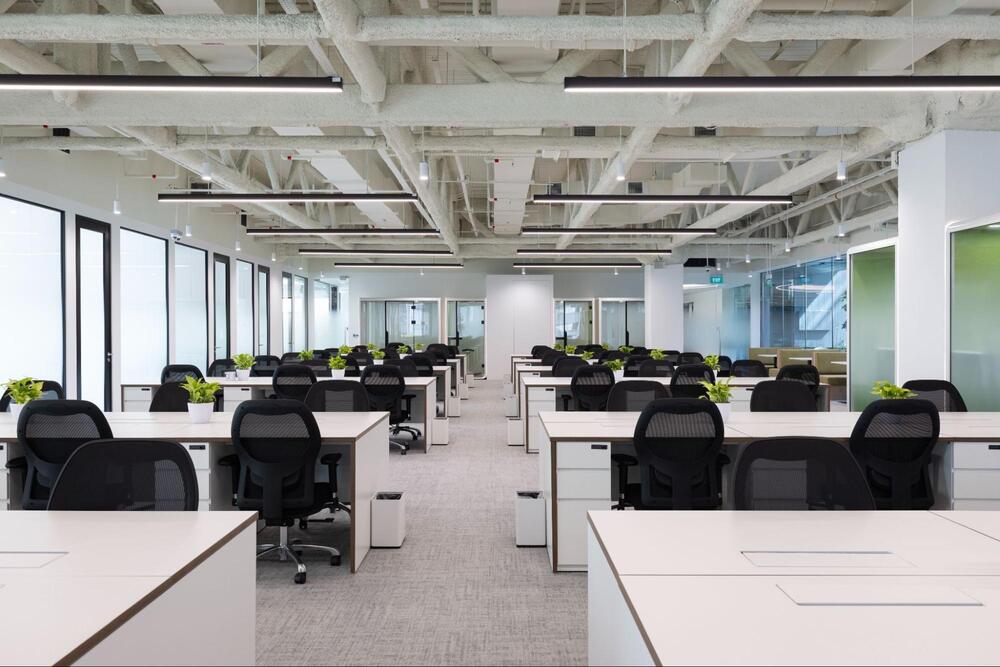
As businesses continue to evolve, adopting well-planned open office concepts is essential for creating a productive, flexible, and future-ready workplace. To achieve the right balance between collaboration, privacy, and efficiency, partnering with an experienced design firm like OSCA Asia can make all the difference, delivering tailored solutions that transform modern office spaces into high-performance environments.