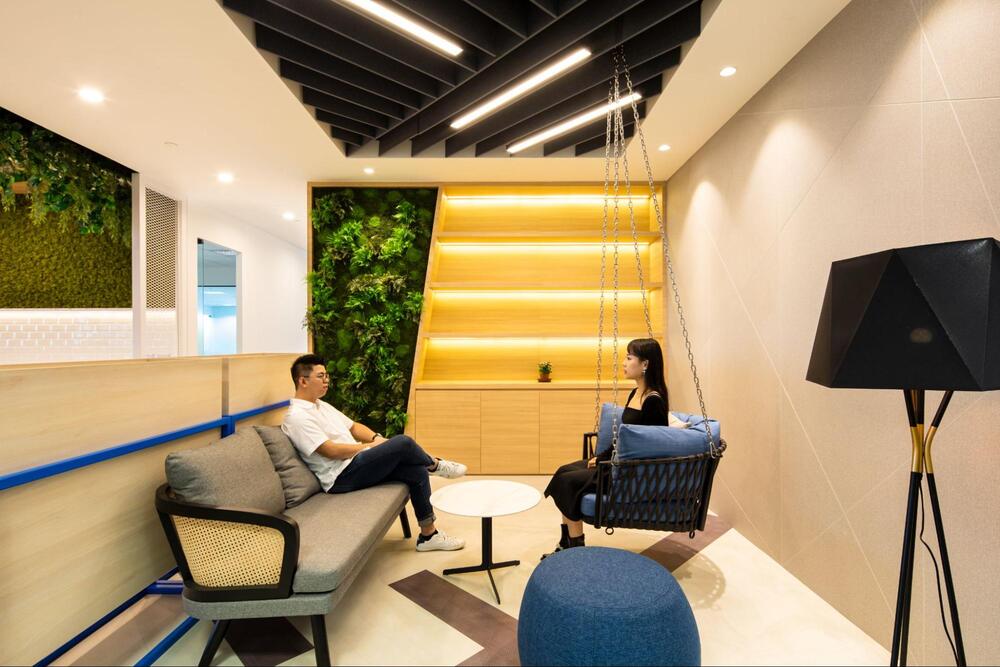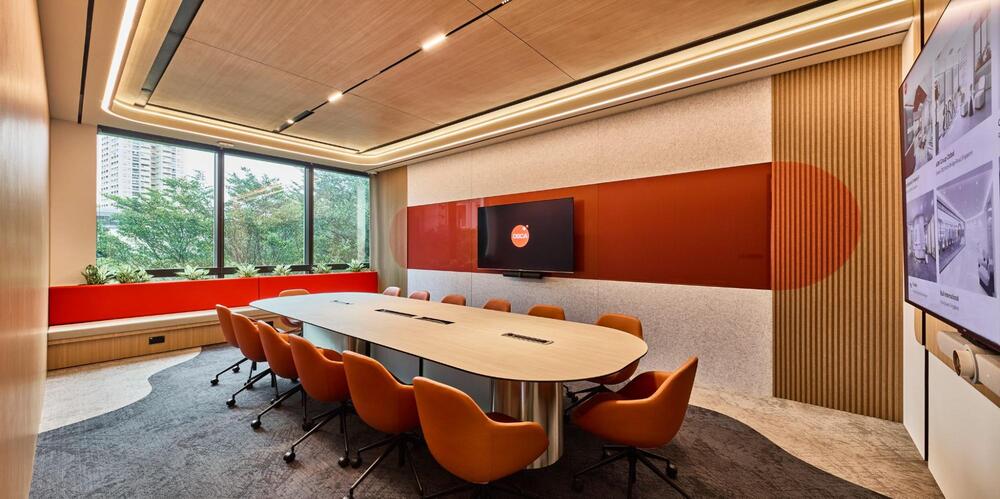
Let’s be honest—nobody likes working in an outdated, uninspiring office. If your employees are constantly complaining about uncomfortable seating, lack of collaboration spaces, or just feeling uninspired by their surroundings, it’s a sign that your office needs a makeover. Imagine trying to brainstorm creative ideas in a dull, cluttered space or struggling to focus because of poor acoustics—these issues aren’t just minor inconveniences; they can seriously affect business performance.
That’s where planning an office revamp becomes a game-changer. Modern office designs are tailored to accommodate flexible work arrangements, improve workflow, and reflect a company’s evolving brand identity. Plus, a stylish and well-planned office makes a lasting impression on clients and partners, reinforcing professionalism and innovation.
So, how do you go about transforming your workspace without breaking the bank or disrupting daily operations? This guide will walk you through the essential steps of planning an office revamp. We’ll cover:
- How to evaluate your existing office layout and identify pain points
- Setting realistic goals and a budget that works for your business
- Choosing the right interior design firm to bring your vision to life
- Developing a design concept that balances functionality and style
- Common renovation concerns and how to tackle them
By the end of this guide, you’ll have a clear roadmap to revamping your office into a space that boosts productivity, enhances your brand identity, and keeps your team happy!
Contents
- 1 Assessing Your Current Office Space
- 2 Setting Goals and Budget
- 3 Factors To Consider When Choosing an Interior Design Firm
- 4 Developing a Design Concept That Aligns with Your Company’s Vision
- 5 Frequently Asked Questions
- 5.1 1. How long does an office revamp typically take?
- 5.2 2. How can I minimise disruption to my business during the revamp?
- 5.3 3. How involved do clients need to be in the design process?
- 5.4 4. Can the firm incorporate a company’s branding and culture into the design?
- 5.5 5. What if the client needs to make changes during the project?
- 6 Transform Your Office into a Space That Works for You with OSCA Asia
Assessing Your Current Office Space
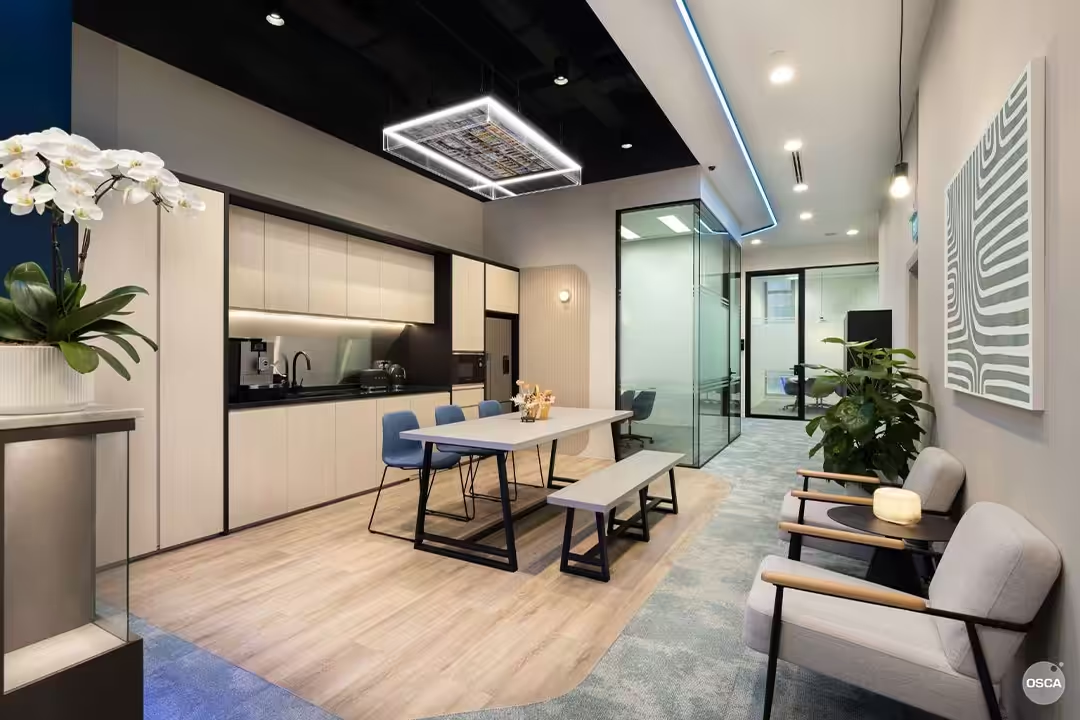
Before jumping into planning an office revamp, take a step back and evaluate what’s working and what’s driving everyone crazy in your current workspace. After all, you don’t want to spend time and money on a facelift that doesn’t actually solve the problems your employees face every day.
So, where do you start? Here’s how to break it down:
1. Identify the Pain Points
Take a walk around your office. What do you notice? Are there areas that feel cluttered and cramped? Do employees struggle to find quiet spaces for focused work? Is there a lack of natural light, making the space feel dull and uninspiring? These seemingly small issues can add up, leading to a workplace that feels frustrating rather than motivating.
Instead of making assumptions, involve your team in the process. After all, they spend the most time in the space! Send out a quick survey or hold a casual brainstorming session to find out what they’d like to see improved. Some common complaints that spark planning an office renovation include:
- Outdated furniture that’s uncomfortable for long hours of work
- Lack of privacy in an open-plan layout
- Poor lighting that causes eye strain and fatigue
- Noise distractions that make it hard to concentrate
- Insufficient meeting spaces for team discussions or client calls
2. Space Utilisation & Workflow
A well-designed office isn’t just about looking good—it should also support seamless movement and boost productivity. If people constantly bump into each other or struggle to find a meeting room, it’s time to rethink your layout.
Ask yourself:
- Are there areas that are underutilised? (e.g., a large, empty reception area while employees fight over desk space)
- Is storage efficient, or are documents and supplies piling up everywhere?
- Does the current layout support the way your team actually works?
By tackling these questions before planning an office revamp, you ensure that every square metre is put to good use.
3. Technology & Infrastructure
A modern office needs seamless technology integration. If your employees are constantly struggling with limited power outlets, slow Wi-Fi, or outdated conference room tech, it’s time for an upgrade. Before you start planning an office revamp, review your IT needs and factor in improvements like:
- More charging stations and power outlets
- Better Wi-Fi connectivity
- Smart office solutions (motion-sensor lighting, automated climate control)
- Soundproofing for virtual meetings
4. Brand & Aesthetic Appeal
Your office should reflect your company’s identity. Does it showcase your brand personality, or does it feel like a generic corporate box? A workspace that aligns with your brand can boost employee engagement and impress clients from the moment they step in.
If you’re planning an office revamp, think about how colours, textures, and design elements can reinforce your brand culture. Are you a fun, creative agency? A sleek, professional law firm? Your design should communicate that.
Assessing your current space is the foundation of planning an office revamp that actually makes a difference. By identifying these pain points, you’ll set yourself up for a transformation that’s both functional and inspiring.
Setting Goals and Budget
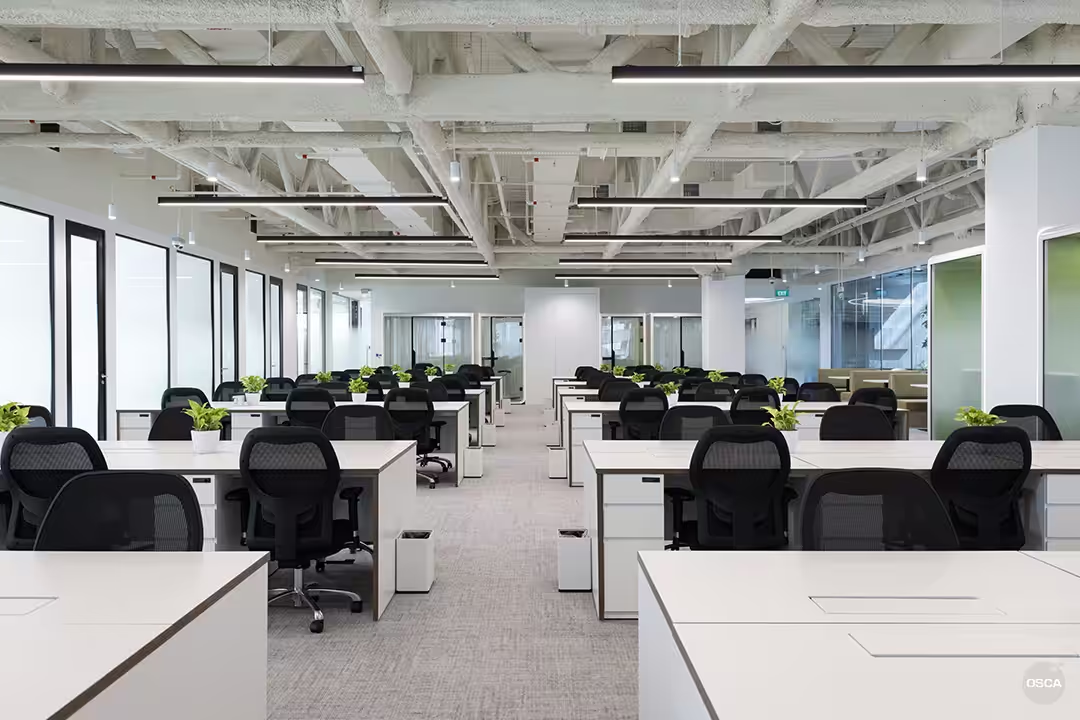
Now that you’ve taken a deep dive into what’s working (and what’s not), the next step in planning an office revamp is defining your goals and setting a realistic budget. This ensures you’re not just making changes for the sake of it but actually creating a workspace that aligns with your business needs, enhances employee well-being, and boosts productivity.
1. Define Your Revamp Working Goals
A successful office transformation starts with a clear vision. Ask yourself:
- Do you want a more collaborative workspace with open areas and breakout zones?
- Is employee well-being a priority, requiring better lighting, ergonomic furniture, and quiet rooms?
- Are you looking to impress clients with a more polished, modern aesthetic?
- Do you need to accommodate future growth, ensuring flexibility in your office layout?
By pinpointing your key objectives, you’ll make strategic decisions that drive results. Without clear goals, planning an office revamp can quickly turn into a never-ending cycle of revisions, delays, and budget overruns.
2. Establish a Realistic Budget
Renovations can get expensive fast, but with the right approach, you can achieve a stunning transformation without overspending. Here’s how:
- Break Down Your Costs – Your budget should account for design, materials, labour, furniture, technology upgrades, and unexpected costs. The more detailed your breakdown, the fewer surprises down the road.
- Prioritise Must-Haves vs. Nice-to-Haves – You may want a high-end espresso bar, but is that more important than ergonomic workstations? Planning an office revamp requires smart spending, so focus on elements that deliver the most value.
- Allocate a Contingency Fund – No matter how well you plan, unexpected costs will pop up. Set aside at least 10-15% of your total budget to cover surprises.
3. Keep Your Revamp Aligned with Business Goals
Your office isn’t just a place to work—it’s an extension of your brand and culture. That’s why planning an office revamp should always align with your long-term business strategy. Whether you’re creating a hybrid-friendly space, embracing sustainability, or enhancing employee experience, your budget and design choices should reflect these priorities.
With clear goals and a well-structured budget, you’re now ready to move on to the exciting part:designing your new office!
Factors To Consider When Choosing an Interior Design Firm
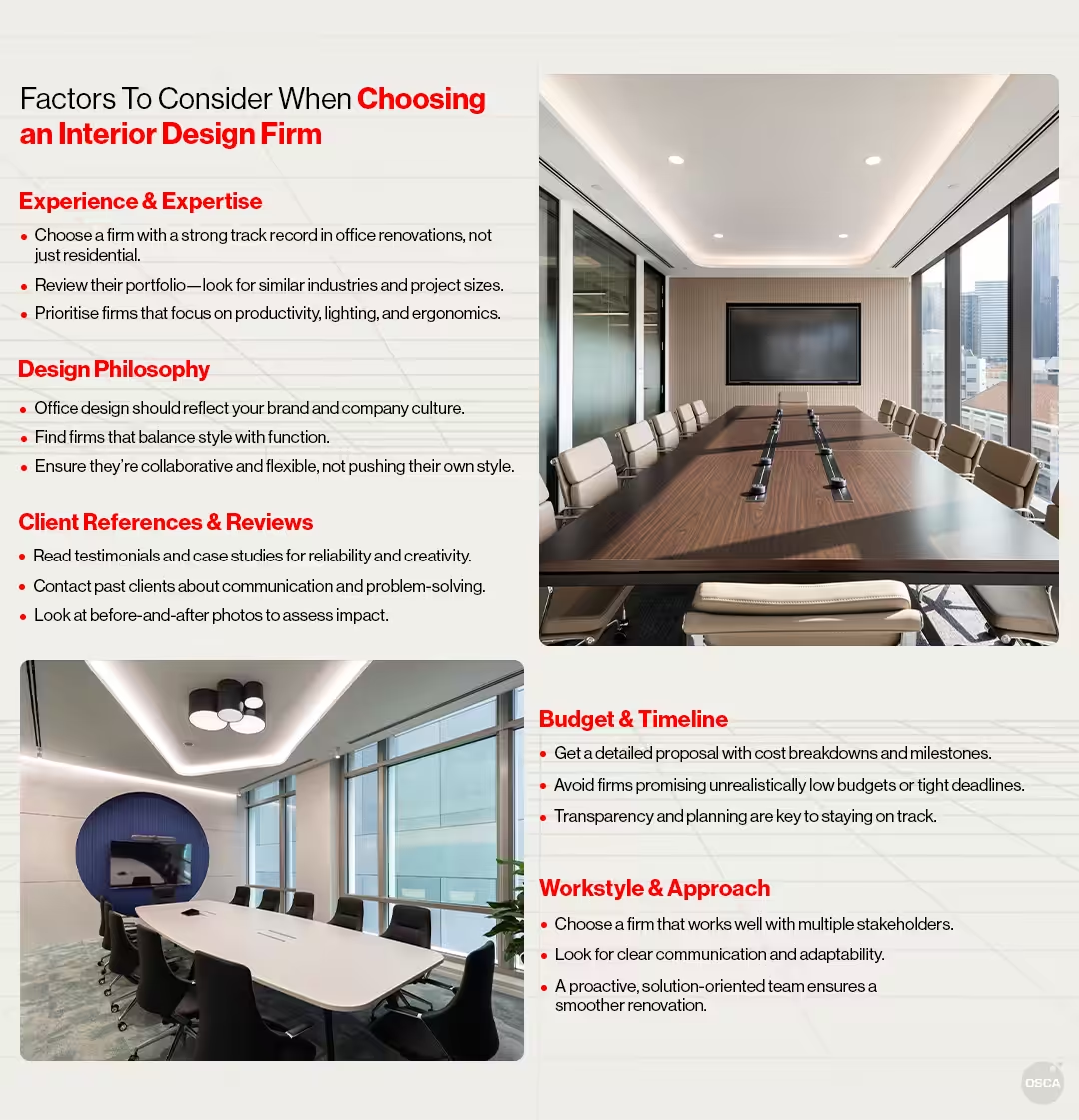
After setting your goals and budget, it’s time to find the right team to bring your vision to life. Planning an office revamp needs an interior design firm that truly understands your needs. But with so many options out there, how do you choose the perfect one? Here are the key factors to consider:
1. Experience and Expertise
When planning an office revamp, you want a firm with a solid track record in commercial spaces. Residential design is a whole different ball game, so make sure they have proven experience in office projects.
- Look at their portfolio—have they worked with companies in your industry?
- Do they specialise in modern, collaborative workspaces, or are they better suited for corporate environments?
- Have they successfully managed large-scale office interior renovations, or do they mainly focus on smaller projects?
A firm that understands the complexities of office design, like optimising layouts for productivity, ensuring proper lighting, and incorporating ergonomic solutions will make the entire renovation process much smoother.
2. Design Philosophy
Your office is an extension of your brand, and the design should reflect your company’s culture and values. A great interior design firm won’t just impose their style on you, they’ll take the time to understand your vision and translate it into a functional, stylish space.
- Do they focus on sleek, modern designs, or do they incorporate biophilic elements for a nature-inspired feel?
- Can they blend aesthetics with practicality, ensuring that beauty doesn’t come at the cost of functionality?
- Are they open to collaboration and willing to tailor their approach to your needs?
3. Client References and Reviews
When planning an office revamp, you don’t want to take risks with an inexperienced or unreliable firm. Client testimonials, Google reviews, and case studies are excellent ways to gauge their professionalism, creativity, and ability to meet deadlines.
- Reach out to past clients and ask about their experience—was the firm responsive, easy to work with, and able to handle unexpected challenges?
- Check for reviews that highlight their problem-solving abilities and communication skills.
- Look at before-and-after photos to see the impact of their work.
4. Budget and Timeline
A dream office means nothing if the project drags on for months or blows past your budget. A reputable firm should provide a detailed proposal outlining:
- Estimated costs for materials, labour, and furnishings
- A realistic timeline with key milestones
- A clear plan for handling unexpected expenses
During the planning of an office revamp phase, transparency is key. A firm that promises an unrealistically low budget or tight schedule may not be the most trustworthy choice.
5. Workstyle and Approach
Office renovations often involve multiple stakeholders—landlords, contractors, IT teams, and more. A flexible, adaptable design firm is essential to ensure smooth coordination and minimal disruptions.
- Are they proactive in problem-solving?
- Do they keep communication clear and consistent throughout the process?
- Are they open to adjustments if unexpected challenges arise?
A great interior design firm is more than just a contractor; they’re a partner in your renovation journey. By choosing wisely, you’ll set the foundation for an office that’s not only visually stunning but also functional and future-proofed.
Developing a Design Concept That Aligns with Your Company’s Vision
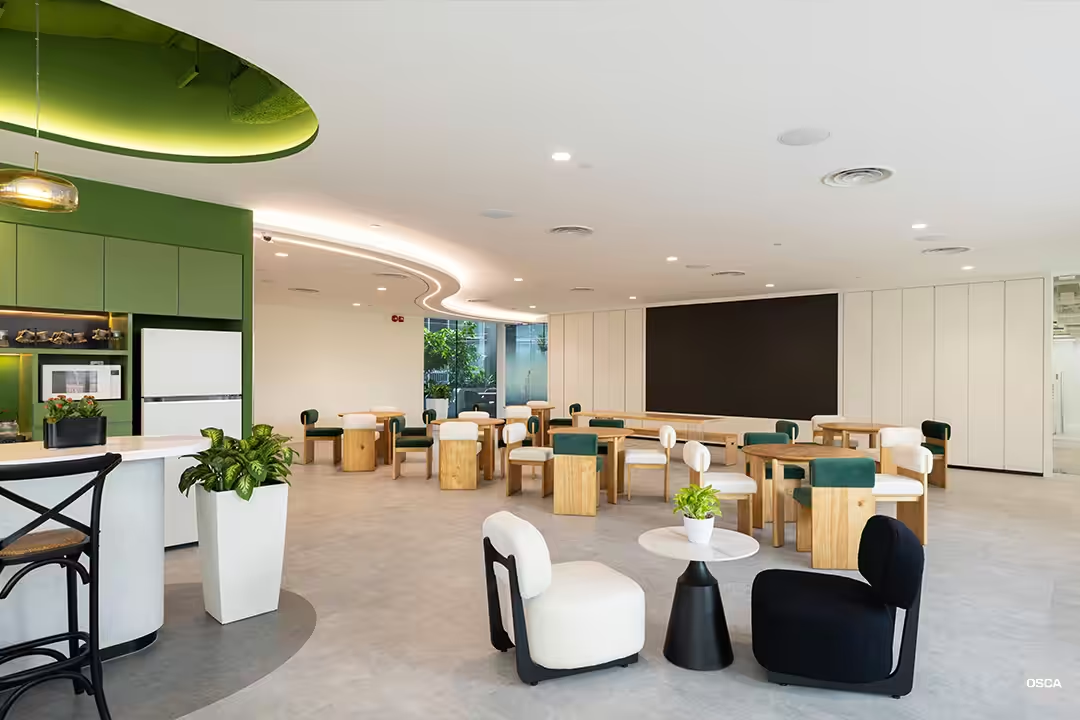
Once you’ve chosen the right office interior design firm, it’s time to bring your office vision to life. The design concept is the foundation of your revamp—it dictates the layout, aesthetics, and functionality of your workspace. A well-thought-out concept ensures that every design element, from furniture choices to lighting, supports your company’s culture and goals.
A successful office isn’t just about looking good; it should foster productivity, collaboration, and employee well-being. When planning an office revamp, work closely with your design team to ensure your concept reflects your company’s identity. Do you want an open-plan office to encourage teamwork? A minimalist design for a sleek, modern feel? Or a biophilic space that integrates greenery for a calming atmosphere?
Your brand colours, company values, and work processes should all be factored into the design. A tech company, for example, may opt for a futuristic and flexible workspace, while a law firm might prefer a professional and structured environment.
With a clear design concept in place, you’re now ready to move forward with the next phase of planning an office revamp—bringing your vision to life through layout, materials, and finishing touches!
Frequently Asked Questions
1. How long does an office revamp typically take?
The duration of an office revamp depends on several factors, including the size of the space, the complexity of the design, and the scope of the work. On average, a revamp can take anywhere from a few weeks to several months. It’s essential to work with your interior design firm to establish a realistic timeline and keep track of progress to ensure timely completion.
2. How can I minimise disruption to my business during the revamp?
To minimise disruption, consider the following strategies:
- Plan Ahead: Schedule renovations during off-peak hours or periods of low activity.
- Phased Renovation: Implement the renovation in phases to keep parts of the office operational.
- Clear Communication: Keep employees informed about the renovation schedule and any potential disruptions.
3. How involved do clients need to be in the design process?
While the firm values the client’s input, the level of involvement is entirely up to them. The team will guide clients through the process, ensuring that the design aligns with their vision, but clients can be as hands-on as they prefer.
4. Can the firm incorporate a company’s branding and culture into the design?
Yes! The firm specialises in designing spaces that reflect the company’s brand identity and culture. The designs will align with the company’s values and goals, creating an environment that strengthens the brand.
5. What if the client needs to make changes during the project?
The firm understands that changes may arise during the project. The team is flexible and adaptable, ready to incorporate any adjustments to the design as needed, ensuring the final outcome meets the client’s evolving needs.
Transform Your Office into a Space That Works for You with OSCA Asia
A well-executed office revamp is more than just a facelift—it’s a strategic investment in your company’s future. By assessing your current workspace, setting clear goals, and working with the right interior design firm, you can create an environment that enhances productivity, fosters collaboration, and reflects your brand identity. Whether you’re modernising outdated interiors, improving functionality, or embracing a fresh design concept, careful planning ensures that your new space meets both your business needs and employee expectations.
From layout efficiency to aesthetic appeal, every detail of your office should serve a purpose. A thoughtfully designed workspace can elevate your team’s morale, impress clients, and set the stage for long-term success. While the renovation process may seem overwhelming, partnering with experienced professionals can make all the difference in achieving a seamless transformation.
At OSCA Asia, we specialise in planning an office revamp that goes beyond aesthetics. Our award-winning team is dedicated to designing and building office spaces that are not only beautiful but also functional and future-ready. Whether you’re revamping a small office or an entire corporate headquarters, we handle every stage of the process—from concept to completion—with precision and expertise.
Let’s create an office that inspires success. Contact OSCA Asia today to start your transformation!