In today’s evolving workplace, designing an efficient office is no longer just about aesthetics, it’s about strategy. Office space planning plays a crucial role in optimizing productivity, enhancing employee experience, and ensuring long-term business growth. Find more with OSCA Asia in this article.
Contents
1. What is office space planning?
Office space planning refers to the strategic process of organizing workplace layout, functions, and movement flow to create an efficient and productive environment. In simple terms, it is not just about placing desks and furniture, it is about how people interact with the space, how departments connect, and how work happens throughout the day.
Effective space planning for the office ensures that every square meter is used purposefully, balancing both operational needs and employee experience. Whether it is a startup or a large enterprise, planning office space properly helps businesses avoid wasted areas and improve overall performance.
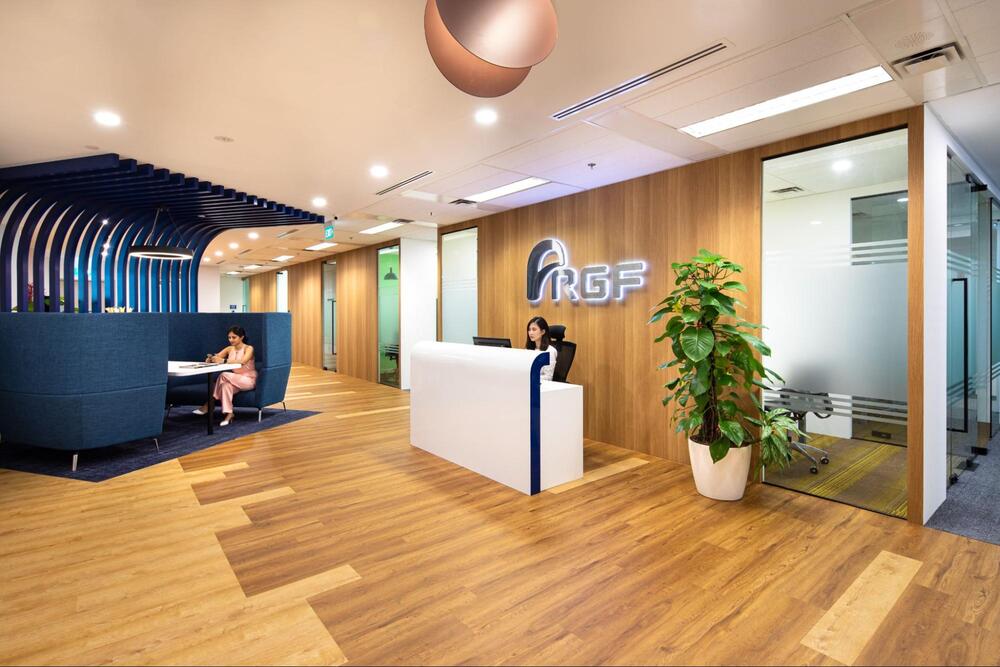
A well-executed corporate space planning strategy typically focuses on four main goals:
- Optimize space utilization: Make the most of available space by reducing unused areas and improving layout efficiency, especially important in commercial office space planning where cost per square meter is high.
- Improve workflow: Design layouts that support smooth communication and collaboration between teams, minimizing unnecessary movement and bottlenecks.
- Support company culture: The office layout should reflect how a company works, whether it’s open, collaborative, or more private and focused. This is where thoughtful office planning ideas play a key role.
- Ensure flexibility & scalability: As businesses grow or change, the workspace should be easy to adjust, whether expanding teams, reconfiguring zones, or adapting to hybrid work models.
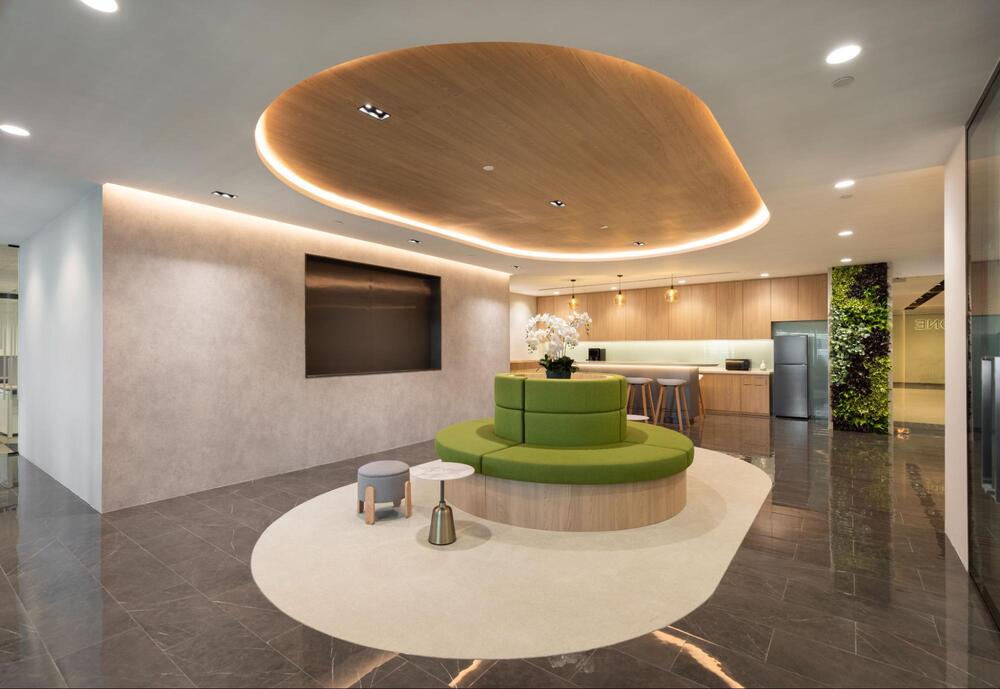
2. Types of office space planning layouts
Choosing the right layout is a key part of effective office space planning, as it directly impacts how employees interact, collaborate, and perform daily tasks.
2.1 Open plan office
The open plan office is one of the most popular office space planning layouts, especially for modern and collaborative workplaces. This design removes most physical barriers, creating a shared workspace for employees.
Advantages:
- Encourages communication and teamwork
- Maximizes space utilization
- Creates a more open and dynamic environment
Disadvantages:
- Lack of privacy and focus
- Higher noise levels
- Potential distractions affecting productivity
This layout is suitable for companies that prioritize collaboration, but it requires thoughtful planning office space to balance openness and focus.
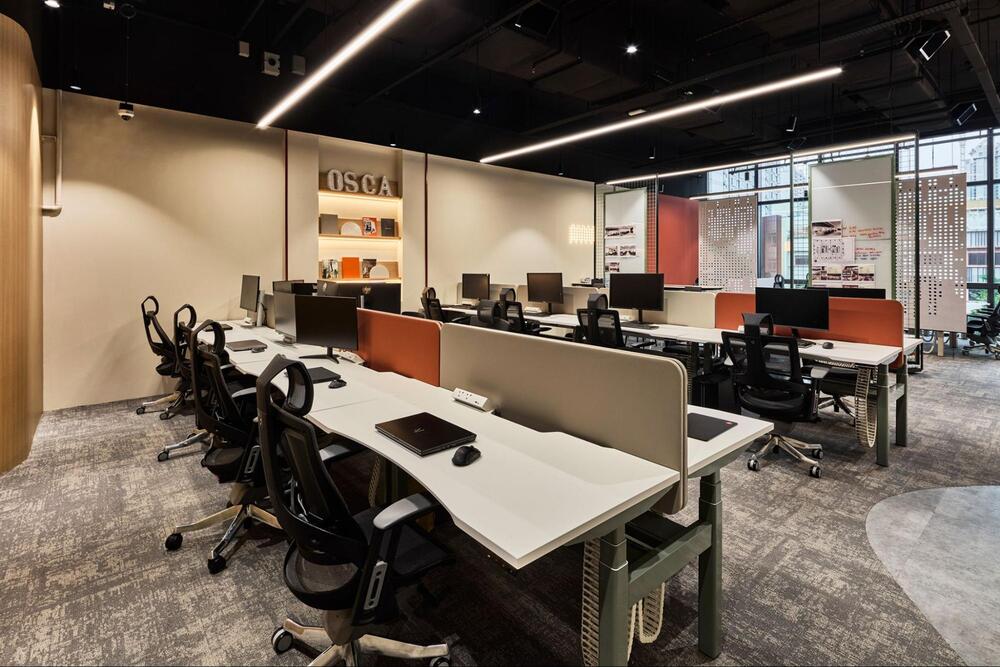
2.2 Hybrid workspace planning
Hybrid workspace planning combines in-office and remote work models, making it a flexible solution in modern corporate space planning. It often includes concepts like desk sharing and hot desking, where employees do not have fixed seats.
Key features:
- Desk sharing to optimize space usage
- Hot desking for flexible seating arrangements
- Integration of remote and in-office work
This approach helps reduce office size while maintaining efficiency, making it ideal for businesses adapting to changing work styles.
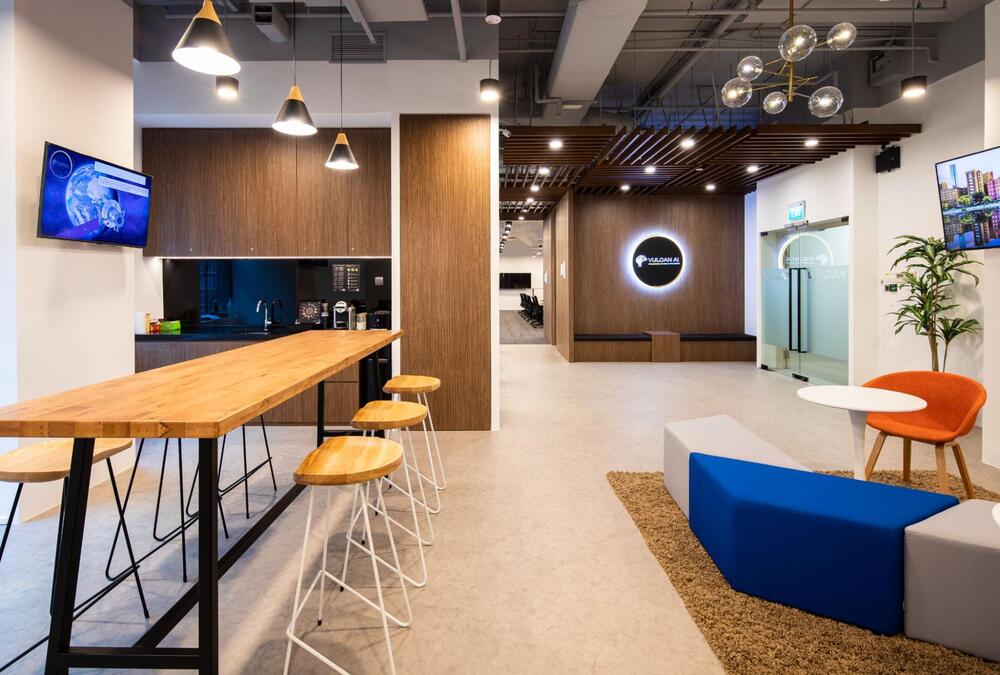
2.3 Activity-based working (ABW)
Activity-Based Working focuses on designing spaces based on specific tasks rather than fixed positions. It is a growing trend in commercial office space planning. Instead of assigned desks, employees choose spaces depending on their activities, such as:
- Quiet zones for focused work
- Collaboration areas for teamwork
- Social spaces for informal interaction
This model enhances productivity and employee satisfaction by aligning the workspace with actual work needs.
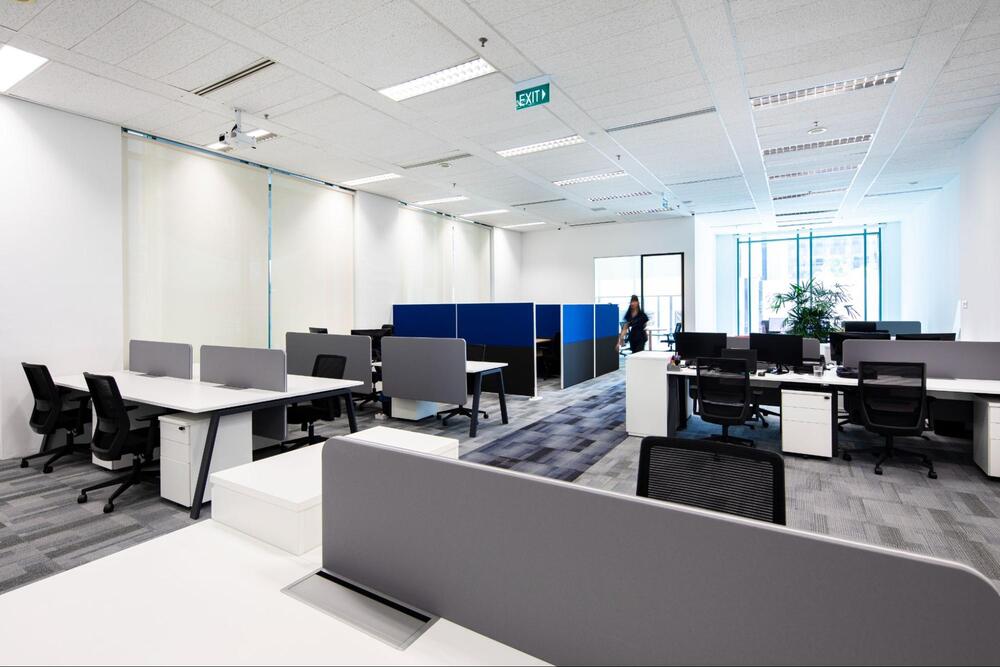
2.4 Private / Cellular offices
Private or cellular offices are traditional layouts where employees or teams work in separate enclosed spaces. This type of space planning for offices is commonly used in industries that require confidentiality or high concentration.
Benefits:
- High level of privacy
- Better focus and fewer distractions
- Suitable for leadership or specialized roles
However, it may limit communication and reduce flexibility compared to more modern layouts.
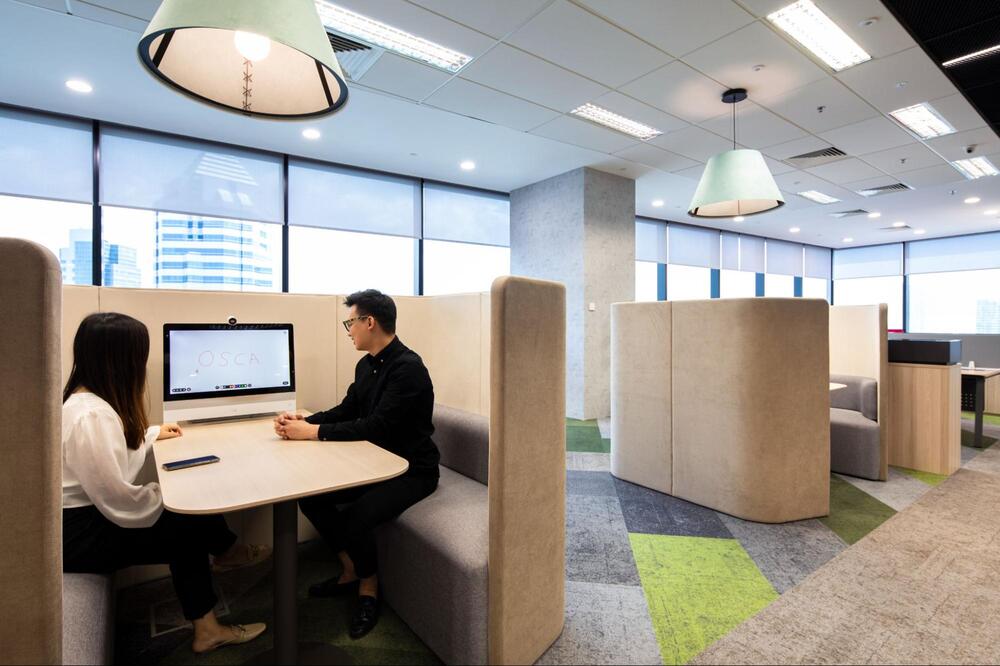
2.5 Flexible & Modular offices
Flexible and modular offices are a modern trend in office planning ideas, designed to adapt quickly to changing business needs. These spaces use movable walls, modular furniture, and multi-purpose areas.
Key characteristics:
- Reconfigurable layouts
- Multi-functional spaces
- Easy expansion or downsizing
This approach supports long-term growth and agility, making it an important strategy in future-ready office space planning.
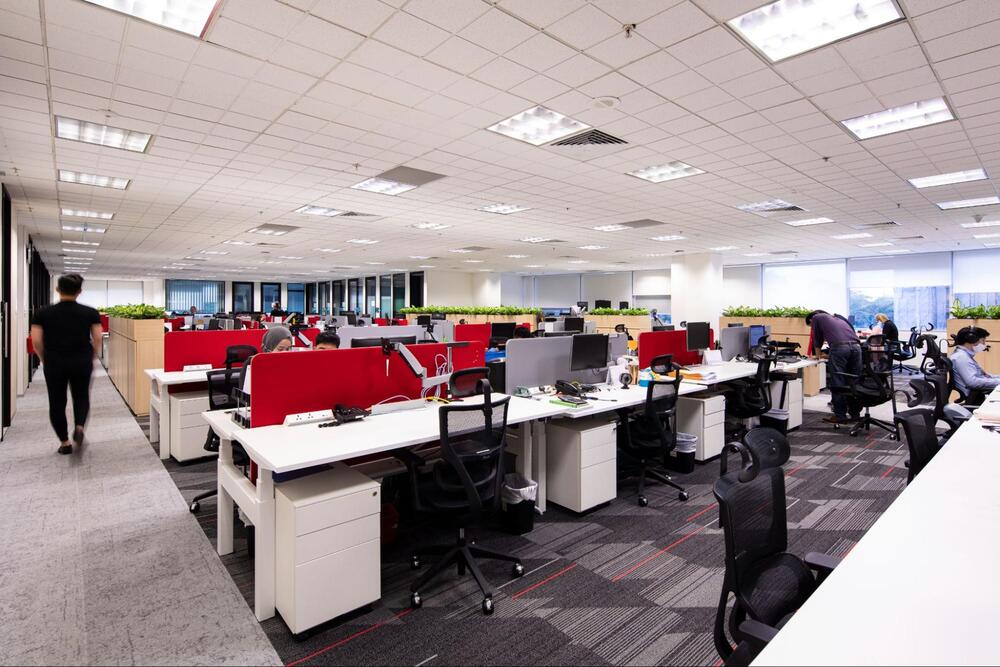
3. Key principles of effective office space planning
To achieve a productive and well-functioning workplace, having the right layout alone is not enough. Effective office space planning requires a set of core principles that guide how space is used, organized, and adapted over time. These principles help ensure that the workspace not only looks good but also supports daily operations, employee well-being, and long-term business growth.
3.1 Space utilization efficiency
Efficient use of space is a fundamental principle in office space planning. Businesses need to balance comfort and cost by allocating the right amount of space per employee.
A common benchmark is around 8–12 m² per employee, depending on the office model and industry. Optimizing this ratio helps reduce wasted space while still ensuring a comfortable working environment.
In commercial office space planning, where rental costs are high, improving space efficiency can significantly impact overall operational expenses.
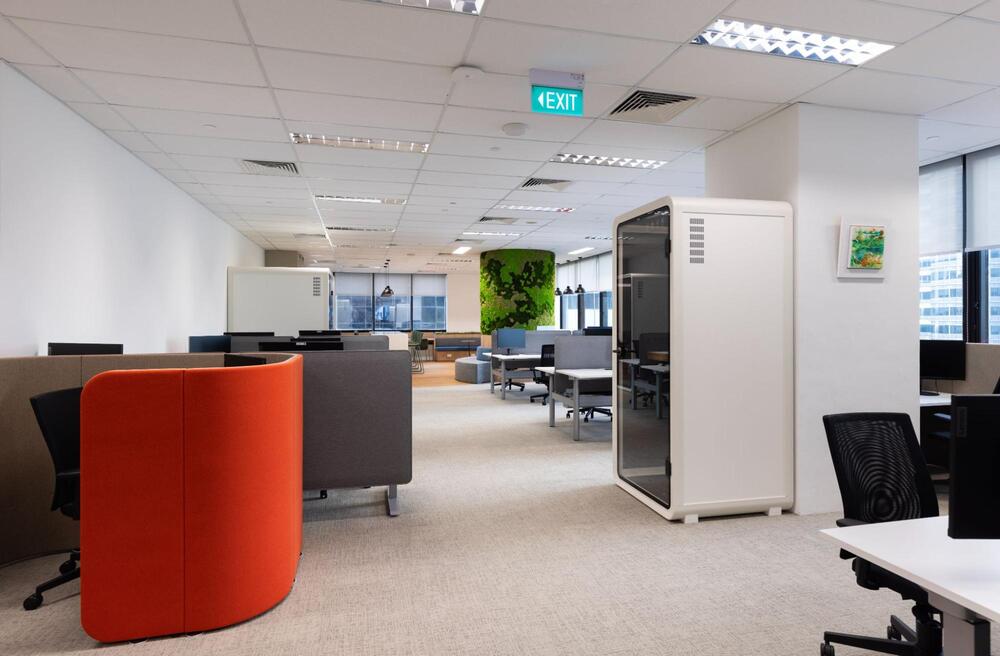
3.2 Workflow & Circulation
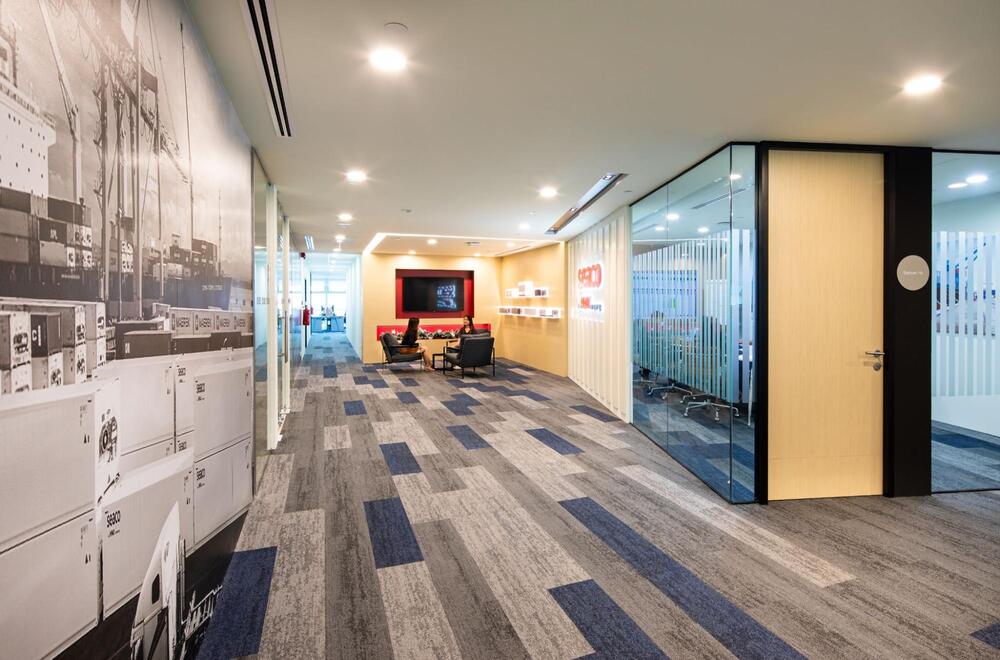
A well-designed office should support smooth movement and interaction between teams. Workflow and circulation focus on how people move within the workspace and how departments connect with each other.
Good planning office space ensures:
- Clear pathways between key areas
- Logical placement of departments
- Reduced bottlenecks and unnecessary movement
By optimizing flow, businesses can improve productivity and create a more seamless working experience.
3.3 Zoning strategy
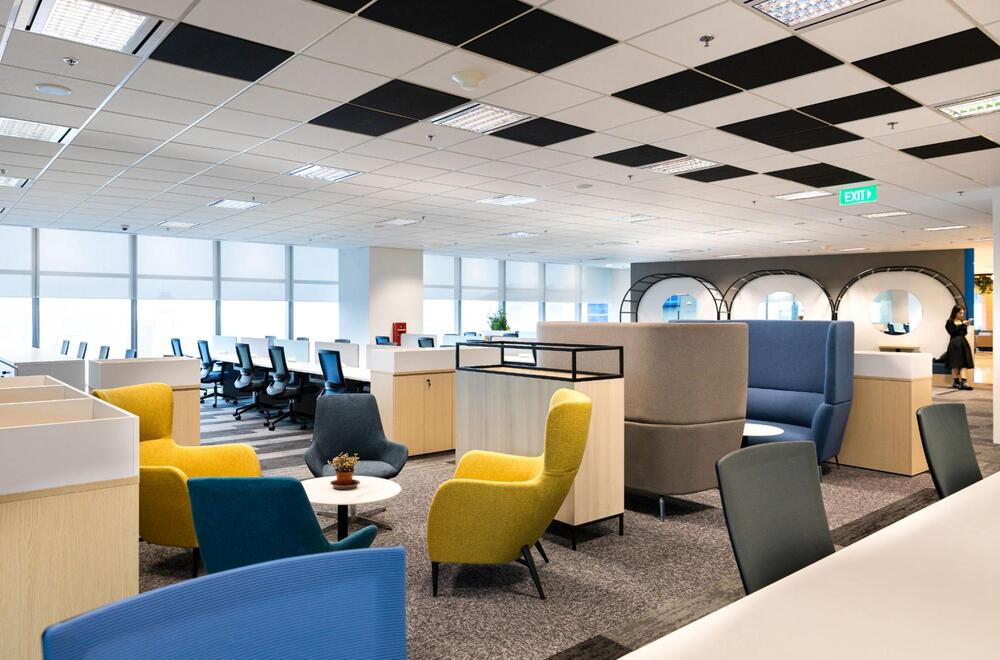
Zoning is about dividing the office into functional areas based on different activities. This is a key element in modern corporate space planning.
Typical zones include:
- Focus zones for deep, uninterrupted work
- Collaboration zones for meetings and teamwork
- Social / breakout spaces for relaxation and informal interaction
A well-planned zoning strategy helps employees choose the right environment for each task, improving both efficiency and satisfaction.
3.4 Ergonomics & Employee well-being
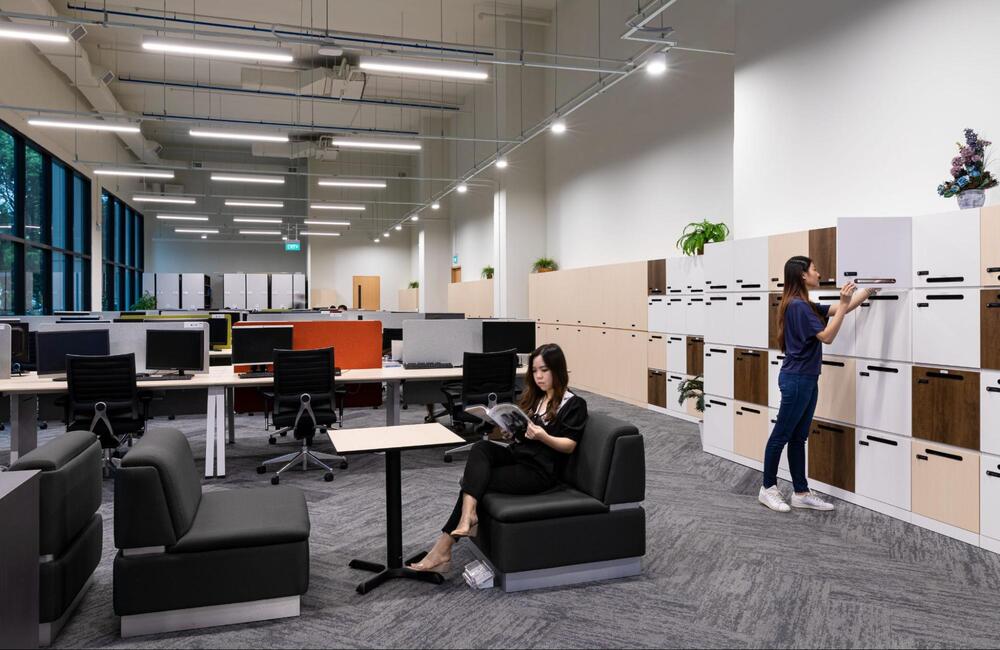
Employee well-being is increasingly important in space planning for offices. A comfortable and healthy environment directly affects performance and engagement.
Key factors include:
- Proper lighting (natural and artificial)
- Good air quality and ventilation
- Ergonomic furniture to support posture
Investing in these elements not only improves productivity but also reduces health-related issues in the long term.
3.5 Flexibility & Future growth
Modern workplaces need to adapt quickly to change. Flexibility is a critical principle in office planning ideas, especially for growing businesses.
A flexible office should:
- Easily scale as teams grow
- Allow quick layout reconfiguration
- Support new ways of working, such as hybrid models
By planning for the future, businesses can avoid costly redesigns and maintain efficiency as they evolve.
4. Step-by-Step office space planning process
A successful office space planning strategy requires a structured approach rather than guesswork. By following a clear step-by-step process, businesses can ensure that their workspace is aligned with operational needs, employee experience, and future growth.
Step 1: Understand business needs
The first step in planning office space is to clearly define your business requirements. This includes:
- Team size and expected growth
- Department structure and hierarchy
- Nature of work (collaborative, focused, hybrid)
Understanding these factors helps set a strong foundation for all future decisions.
Step 2: Analyze workflow
Next, evaluate how work actually happens within the organization. Key questions to consider:
- Who works with whom?
- How often do teams interact?
- Which departments require close proximity?
This step ensures that the space planning for the office supports real workflows, not just assumptions.
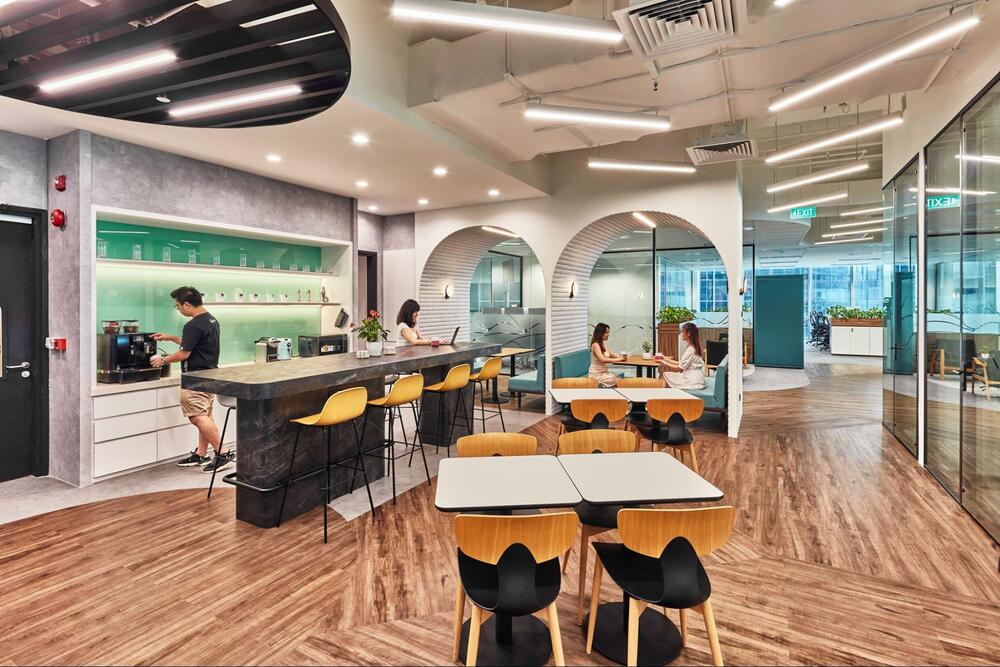
Step 3: Define space requirements
Once workflows are clear, the next step is to determine what spaces are needed. Typical requirements include:
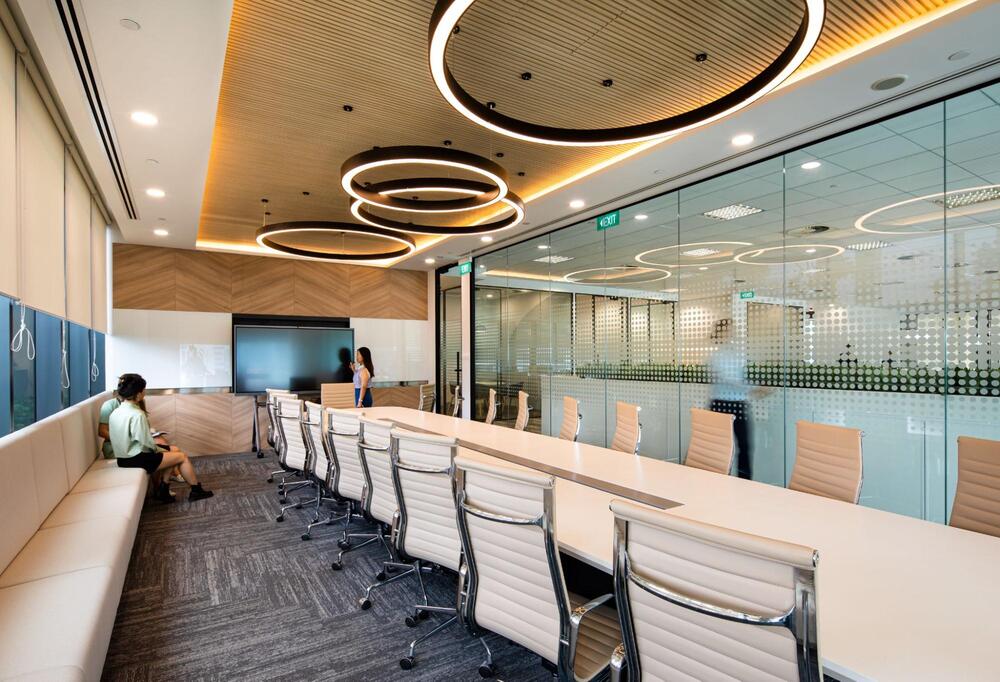
- Meeting rooms of different sizes
- Workstations and private areas
- Pantry, breakout, and collaboration spaces
This stage is critical in office planning ideas, as it translates business needs into physical space.
Step 4: Create zoning plan
Based on the requirements, divide the office into functional zones.
For example:
- Focus zones for individual work
- Collaboration zones for teamwork
- Social spaces for relaxation
A well-structured zoning plan improves both efficiency and employee experience.
Step 5: Develop layout options
At this stage, multiple layout options are created to explore different design possibilities. Each option may vary in:
- Desk arrangements
- Circulation paths
- Space allocation
Comparing options helps identify the most effective solution for your office space planning goals.
Step 6: Test & Optimize
Finally, test the proposed layout before final implementation. This can include:
- Simulations of movement and usage
- Feedback from employees or stakeholders
- Adjustments based on real-world needs
Optimization ensures that the final design is practical, efficient, and aligned with business objectives.
In summary, this step-by-step approach helps transform ideas into a functional workspace, making office space planning more strategic, data-driven, and effective.
5. How OSCA approaches office space planning
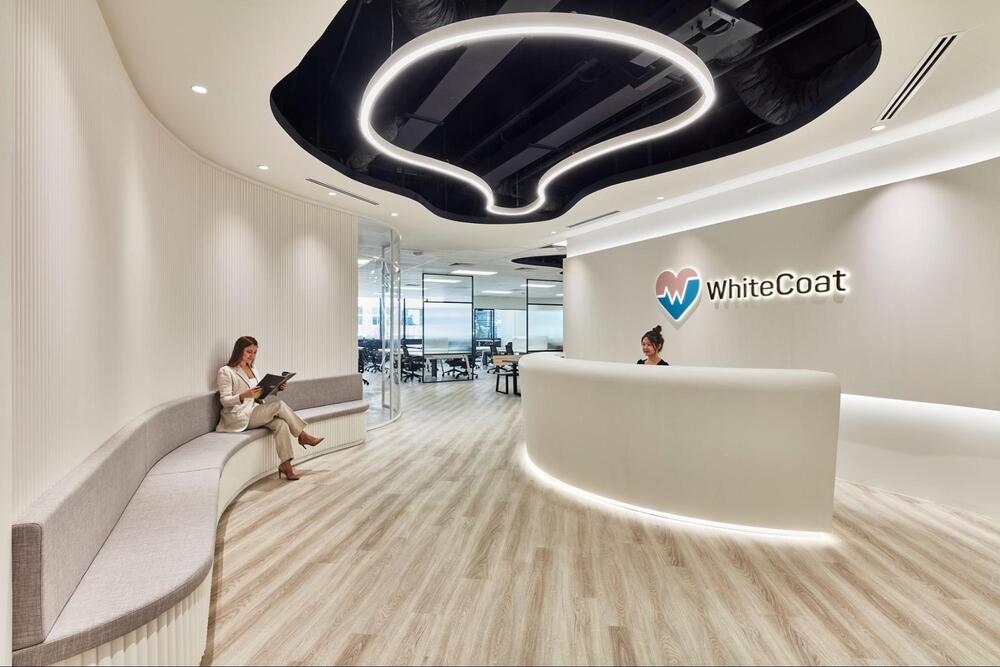
At OSCA, office space planning goes beyond layout design, it is a comprehensive process that combines strategy, creativity, and execution. By integrating design thinking with real business insights, OSCA delivers workspaces that are both functional and future-ready. This approach ensures that every project aligns with client goals while enhancing employee experience and operational efficiency.
Integrated design & Build approach
OSCA adopts a seamless design-and-build model, managing the entire process from concept to construction.
Instead of separating design and execution, this integrated approach helps:
- Ensure consistency between design intent and final outcome
- Reduce miscommunication and project delays
- Optimize cost and timeline control
This is a key advantage in commercial office space planning, where coordination plays a critical role in project success.
Human-centric workplace strategy
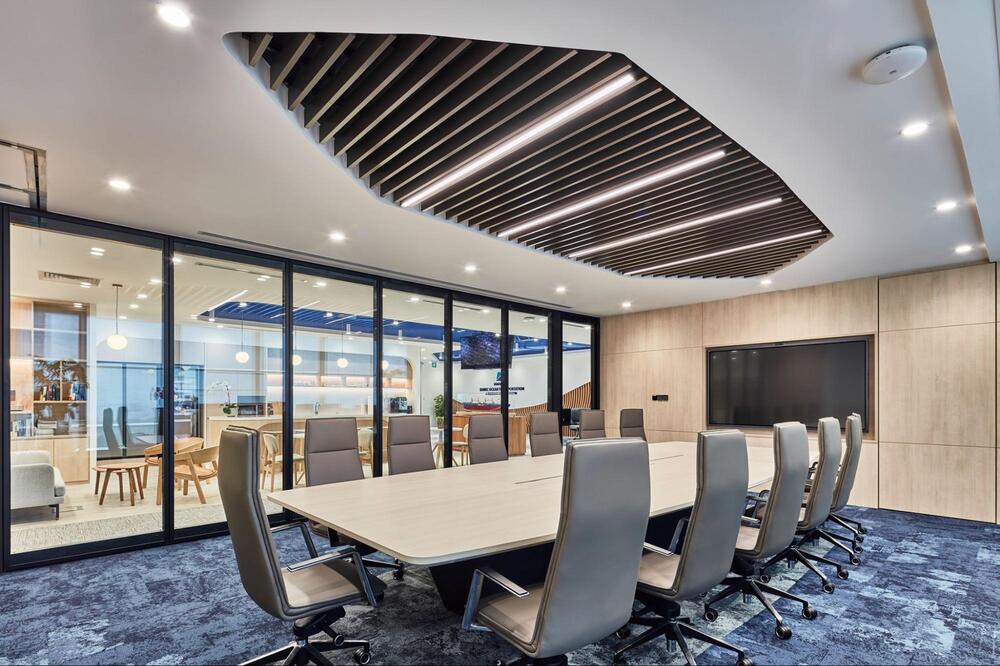
A core principle in OSCA’s corporate space planning is focusing on people. The workplace is designed around how employees actually work, interact, and experience the environment. This includes:
- Enhancing comfort and well-being
- Supporting collaboration and focus
- Creating engaging and inspiring spaces
By prioritizing human experience, OSCA ensures that planning office space leads to higher productivity and employee satisfaction.
Data-driven planning
OSCA applies a data-driven approach to space planning for offices, ensuring decisions are based on real insights rather than assumptions. Key methods include:
- Feasibility studies to evaluate space potential
- Workflow analysis to understand team interactions
- Data-backed recommendations for layout optimization
This approach helps create efficient and scalable solutions tailored to each business.
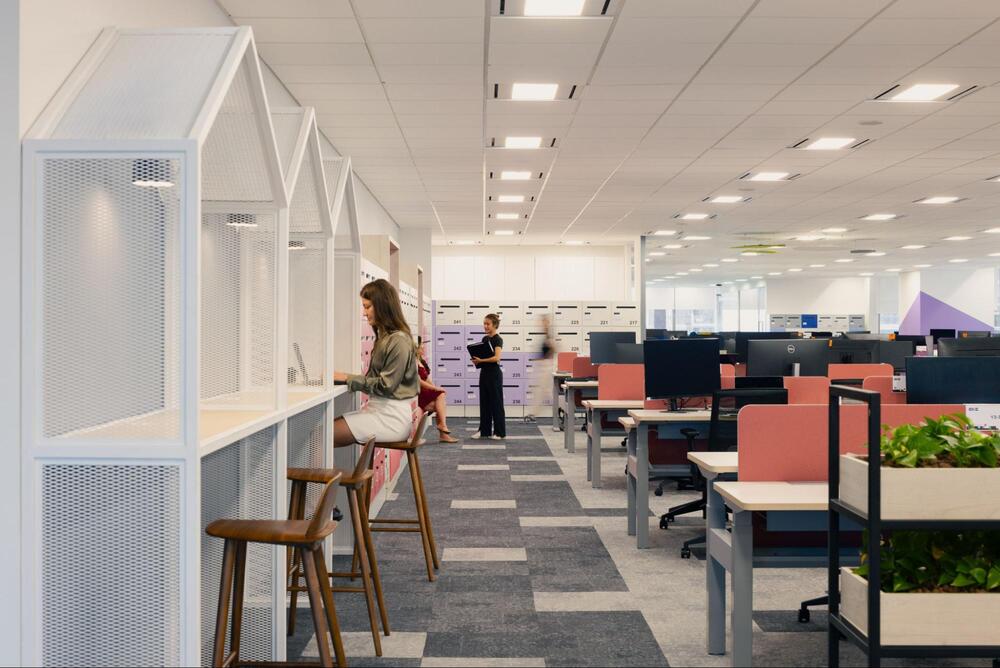
Real project insights
With experience across multiple projects, OSCA incorporates practical insights into every design. Common strategies include:
- Multi-purpose spaces that serve different functions
- Flexible layouts that adapt to change
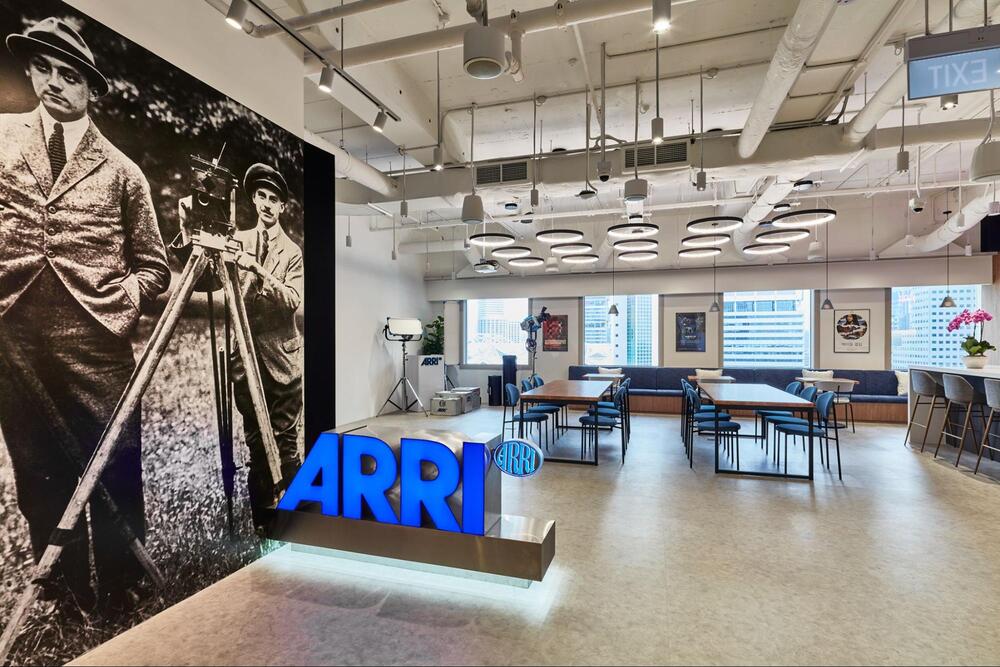
- Branding integration to reflect company identity
These proven office planning ideas help businesses create modern workplaces that are both functional and distinctive.
In short, OSCA’s approach to office space planning combines design expertise, human insight, and data analysis to deliver high-performance work environments.
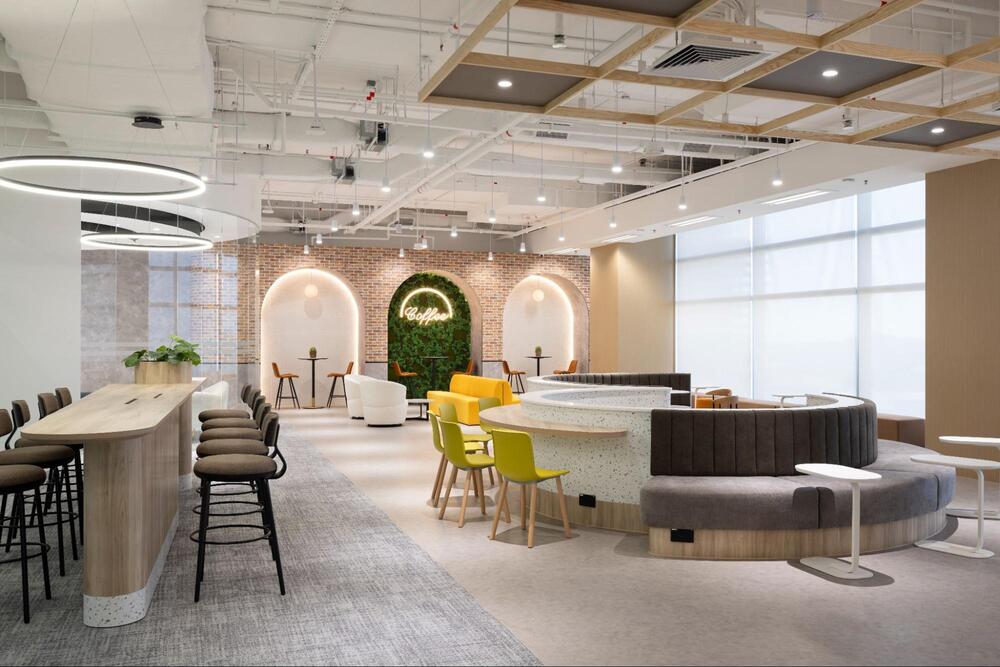
6. FAQs when planning office spaces
When it comes to office space planning, many businesses share common concerns about space requirements, layout choices, and scalability. Below are some frequently asked questions to help guide your planning office space decisions.
How much office space do I need per employee?
The required space typically ranges from 8–12 m² per employee, depending on the office model and industry.
For example:
- Open or hybrid offices may require less space per person
- Private or traditional offices may need more
In commercial office space planning, optimizing this ratio is essential to balance cost and comfort.
What is the best office layout for productivity?
There is no single “best” layout, but a combination of hybrid workspace planning and activity-based working is widely considered the most effective. This approach allows employees to:
- Choose spaces based on their tasks
- Collaborate easily when needed
- Focus without distractions
Many modern corporate space planning strategies are built around this flexible model.
Can small offices benefit from space planning?
Absolutely, small offices can benefit even more from proper space planning for office. With limited space, every square meter matters. Effective office planning ideas can help:
- Maximize functionality
- Avoid clutter and inefficiency
- Create a more comfortable and productive environment
In short, whether your office is large or small, investing in office space planning ensures better use of space, improved workflow, and long-term flexibility.
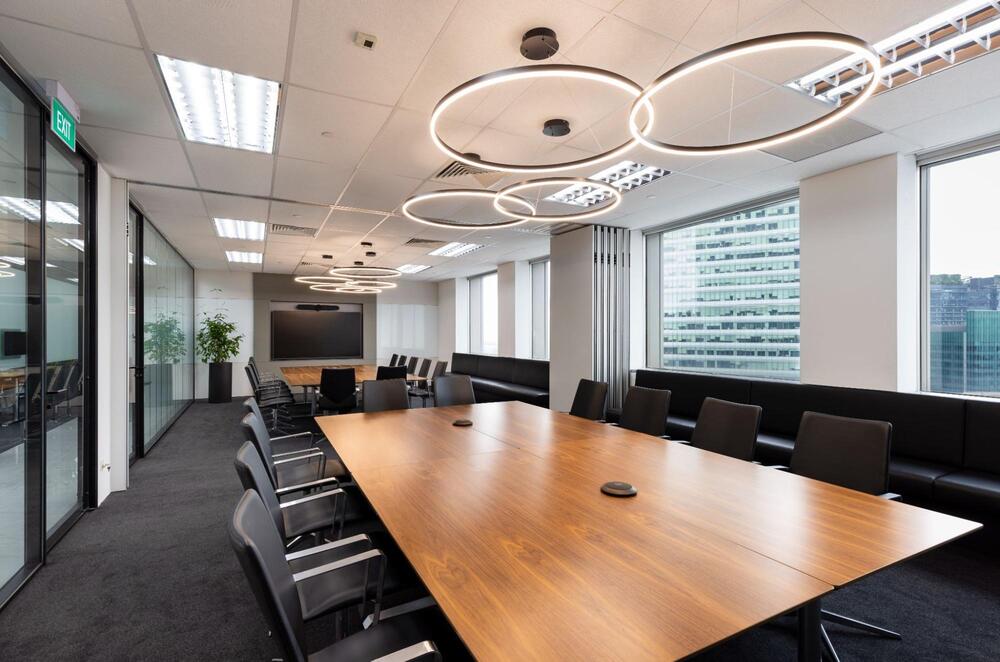
In summary, effective office space planning is the foundation of a productive, flexible, and future-ready workplace. From choosing the right layout to applying smart planning strategies, every decision contributes to better performance and employee satisfaction. If you are looking to transform your workspace with a professional approach, visit OSCA to explore tailored solutions for your business. Our team is ready to support you from concept to completion, ensuring your office is not only functional but also aligned with your brand and long-term goals.