In today’s rapidly evolving business landscape, traditional office spaces are increasingly becoming outdated. They often suffer from rigid layouts, inefficient use of space, and a lack of adaptability. These limitations can hinder productivity, stifle creativity, and contribute to employee dissatisfaction. To address these challenges, businesses are turning to agile office space design – a modern office design strategy that prioritises flexibility and adaptability to meet the ever-changing needs of the modern workforce. Here’s how agile office design transforms modern office spaces.
Contents
1. Flexible Layouts: Designing Spaces that Can Easily Be Reconfigured
One of the key principles of agile office space design is flexibility. This means creating spaces that can be easily adapted to accommodate different work styles and activities. For example, a large, open-plan workspace can be divided into smaller, more intimate areas using movable partitions or furniture. This allows teams to collaborate effectively while also providing individuals with quiet spaces for focused work.
Including modular furniture can also further enhance flexibility. Modular pieces can be rearranged to create different configurations, such as hot desks, meeting rooms, or lounge areas. This allows companies to adapt their office space to accommodate fluctuating team sizes and changing work patterns.
2. Remote Work Integration: Incorporating Technology and Amenities
The rise of remote work has made it essential for offices to support employees who work from home. Some of the key features that are a must-have for any agile office space design to support this include:
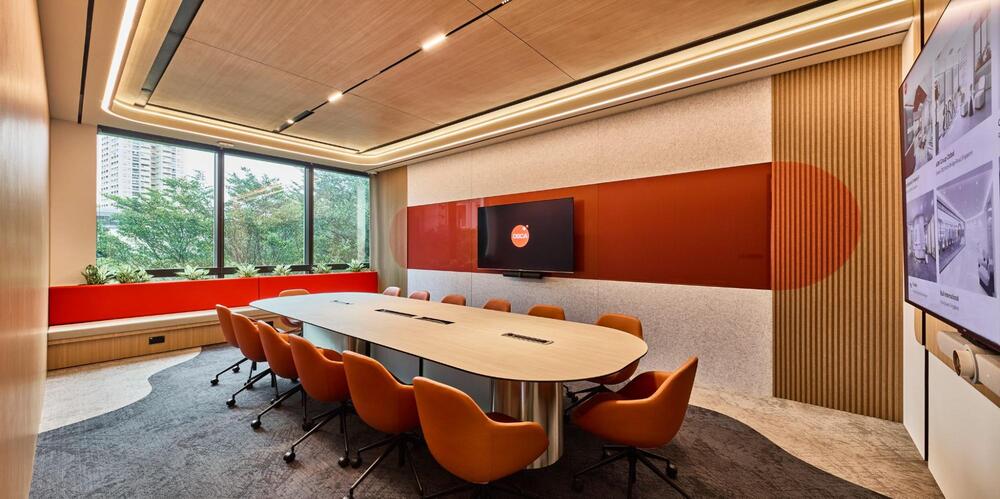
- High-quality video conferencing equipment: Ensure seamless communication and collaboration between in-office and remote employees.
- Shared cloud storage and collaboration tools: Promote teamwork and access to shared resources regardless of location.
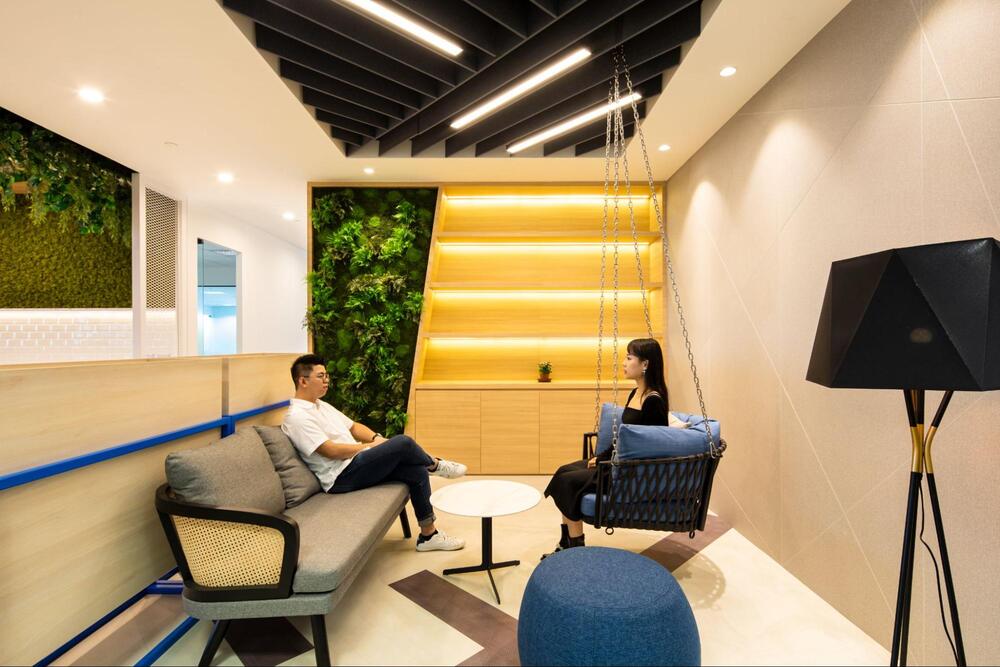
- Comfortable and inviting spaces for remote workers: Provide private phone booths or quiet areas for focused work.
- Amenities for remote workers: Offer coffee, snacks, and lounge areas to create a welcoming atmosphere.
- Flexible policies: Encourage a work-from-home culture and provide clear guidelines for remote work arrangements.
3. Hybrid Collaboration Zones: Creating Areas that Facilitate Seamless Collaboration
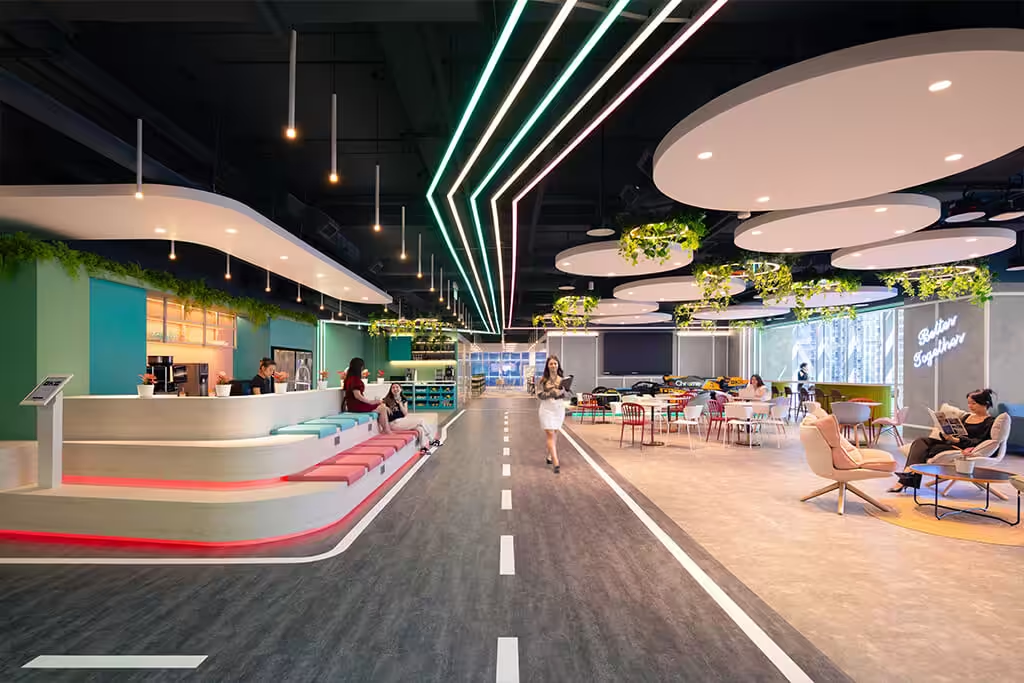
As hybrid work models continue to grow, creating spaces that foster collaboration between remote and on-site teams is vital. Hybrid collaboration zones are key components of agile office space design, offering dedicated areas for teams to come together and work effectively, regardless of location.
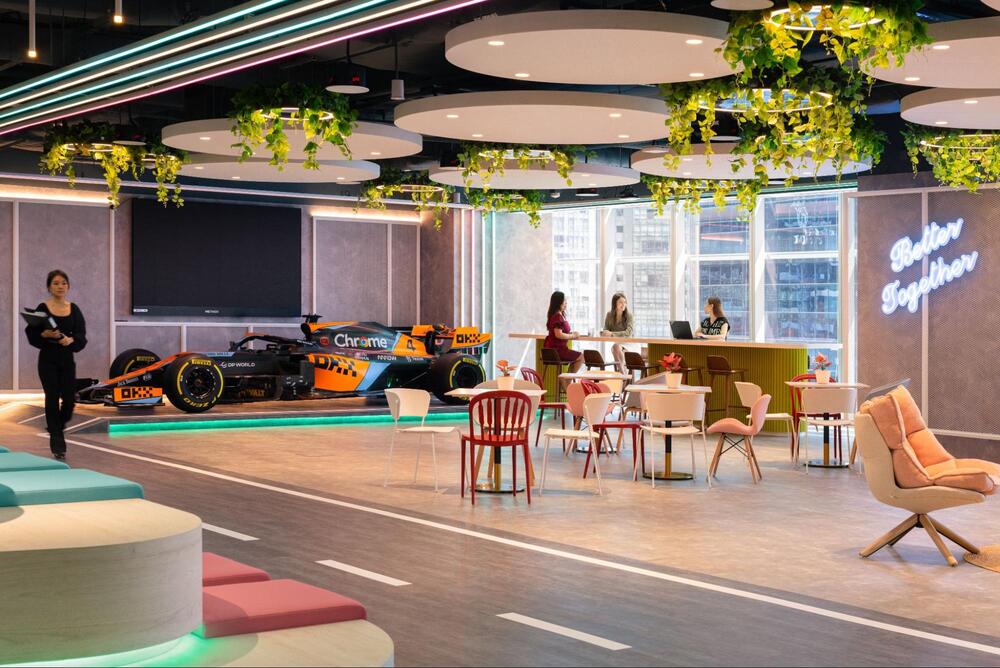
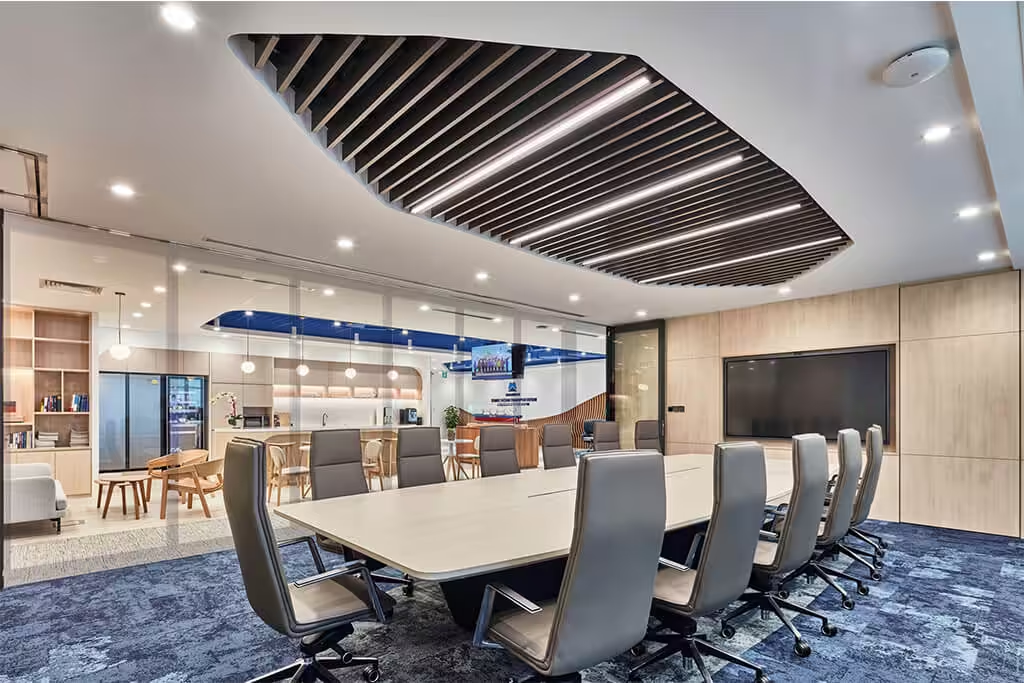
These spaces often blend the best of physical and virtual tools, with features like interactive digital boards, video conferencing setups, and collaborative furniture designed to encourage teamwork. For instance, open lounges, multi-use conference rooms, and co-working hubs allow employees to switch between solo tasks and group discussions effortlessly.
Additionally, hybrid collaboration zones can promote cross-departmental synergy, encouraging staff to engage with colleagues they wouldn’t typically work with. This improves innovation, problem-solving, and overall communication across the company.
4. Wellness and Comfort: Prioritising Employee Well-Being
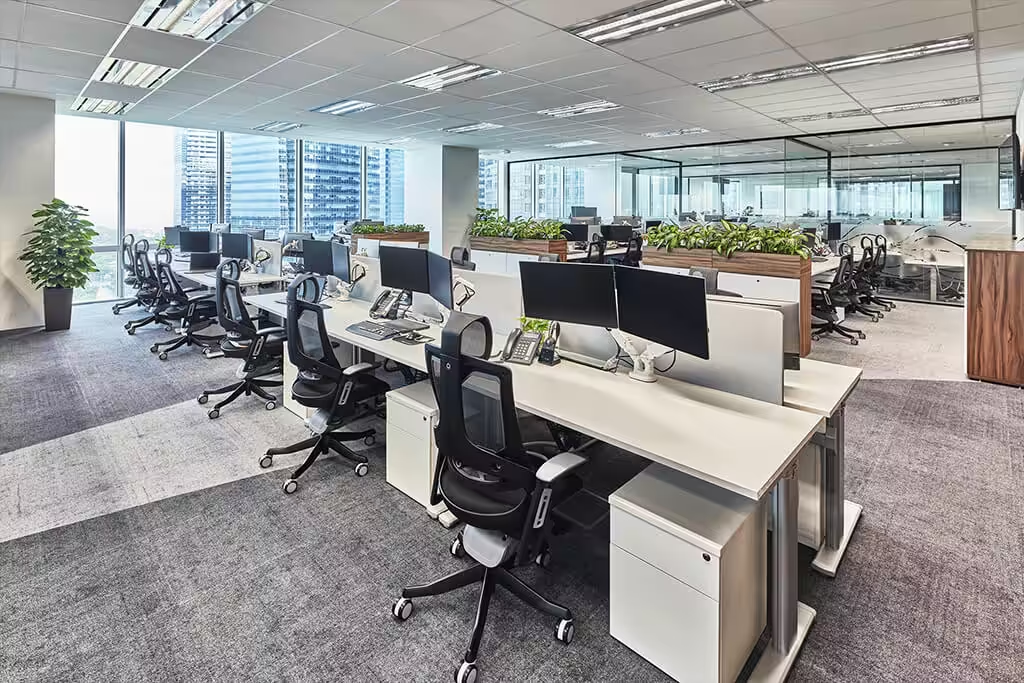
No agile office space design is complete without considering the well-being of employees. The modern office should be a place where comfort, health, and productivity go hand in hand. By incorporating ergonomic furniture and biophilic design elements, companies can create an environment that supports both mental and physical well-being.
Ergonomic chairs, adjustable desks, and standing workstations help prevent discomfort and strain, which is particularly important for workers who may be splitting their time between home and the office. Comfort in the workplace directly influences productivity and job satisfaction, so these details should not be overlooked.
Biophilic design — integrating natural elements like plants, sunlight, and natural materials — helps create a calming atmosphere that reduces stress and boosts creativity. Green spaces, living walls, and large windows that let in ample natural light can improve air quality, elevate mood, and increase employee engagement.
Agile office space design is a solution for companies that want to create flexible, collaborative, and employee-friendly workspaces. By incorporating these corporate interior design principles, companies can create a work environment that adapts to the changing demands.
At OSCA Asia, we specialise in crafting agile office spaces tailored to your business’s unique needs. Our expert designers are committed to delivering innovative, flexible solutions that optimise your workspace for remote and hybrid workforces. Ready to future-proof your office? Get in touch with our office interior design company today and let’s transform your workspace into a thriving hub for modern collaboration and productivity!