Yellow office ideas are becoming a practical choice in modern workplace design. When applied with control, yellow can improve energy, support focus, and create clear spatial zoning. This guide explains how to apply yellow office decor in a structured way. Find more with OSCA Asia.
Contents
1. Popular yellow office ideas for modern workspaces
Yellow office ideas can improve energy, focus, and spatial clarity when applied with control. This section shows how to use yellow in real office settings.
Yellow accent walls
A yellow accent wall creates a focal point without overwhelming the workspace. This is one of the most effective yellow office decorating ideas for both small and large offices.
Best use cases:
- Meeting rooms
- Breakout areas
- Reception zones
Yellow office furniture
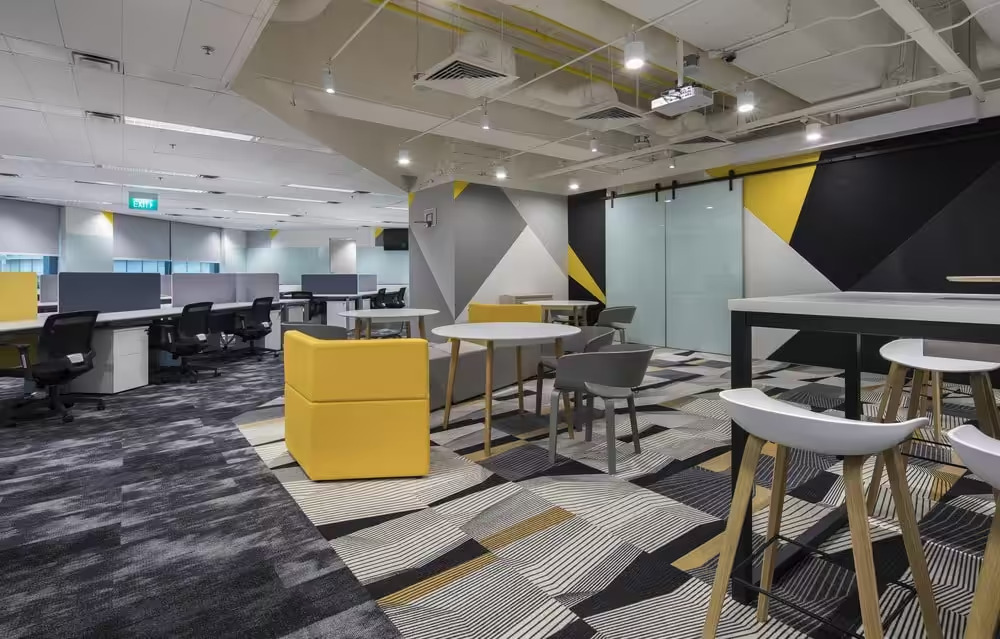
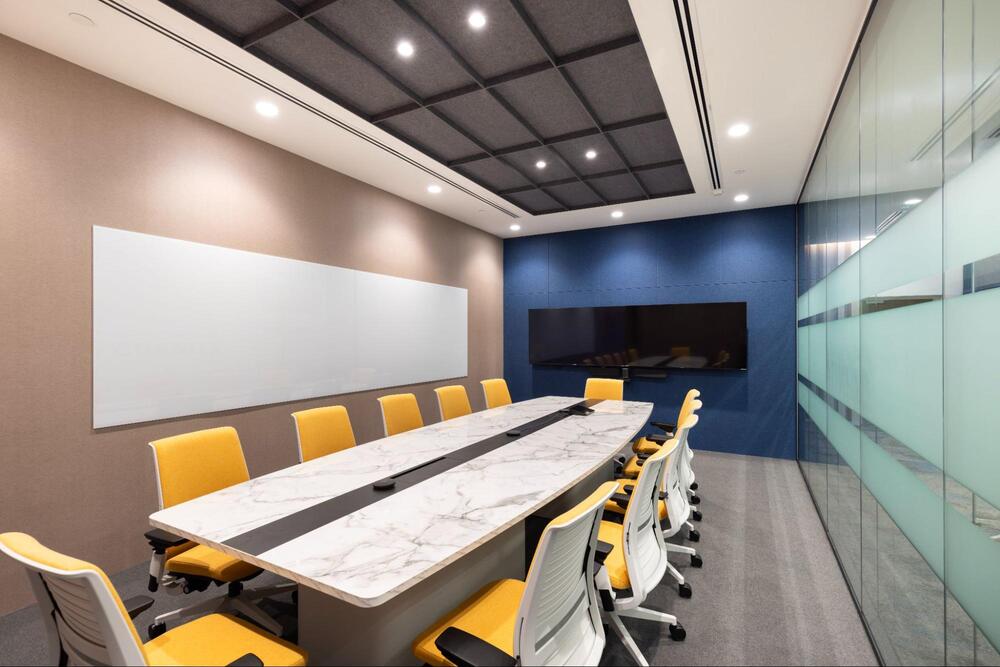
Yellow furniture introduces color without changing walls or structure. This method suits flexible offices or leased spaces.
Practical layout example:
| Area | Furniture strategy |
| Workstations | Neutral desks + few yellow chairs |
| Meeting rooms | Yellow seating for engagement |
| Lounge areas | Mixed soft seating in yellow |
Yellow decor and accessories
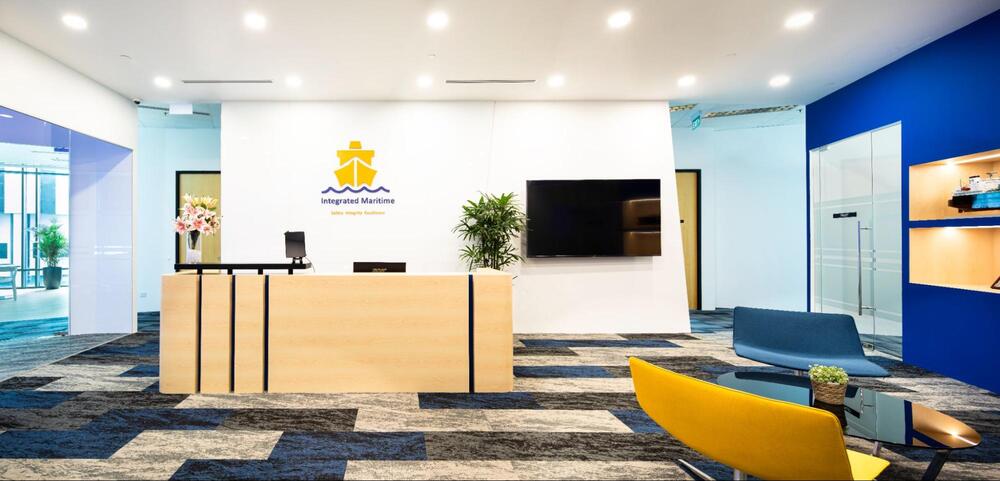
Accessories offer the fastest way to apply yellow office decor. This method requires low cost and minimal disruption.
Best areas to apply:
- Reception desks
- Open workspace clusters
- Pantry or break areas
Yellow and neutral color combinations
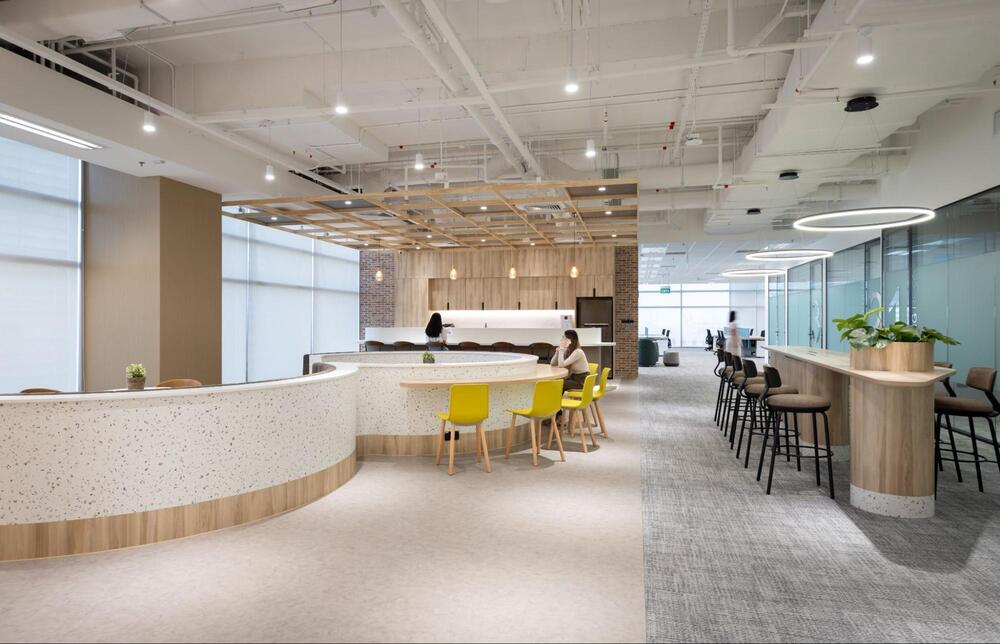
Combining yellow with neutral tones creates balance. This is essential for long-term usability and visual comfort.
Examples of combinations:
- White + soft yellow → clean workspace
- Grey + yellow → structured and modern
- Black + yellow → strong visual identity
Biophilic design with yellow elements
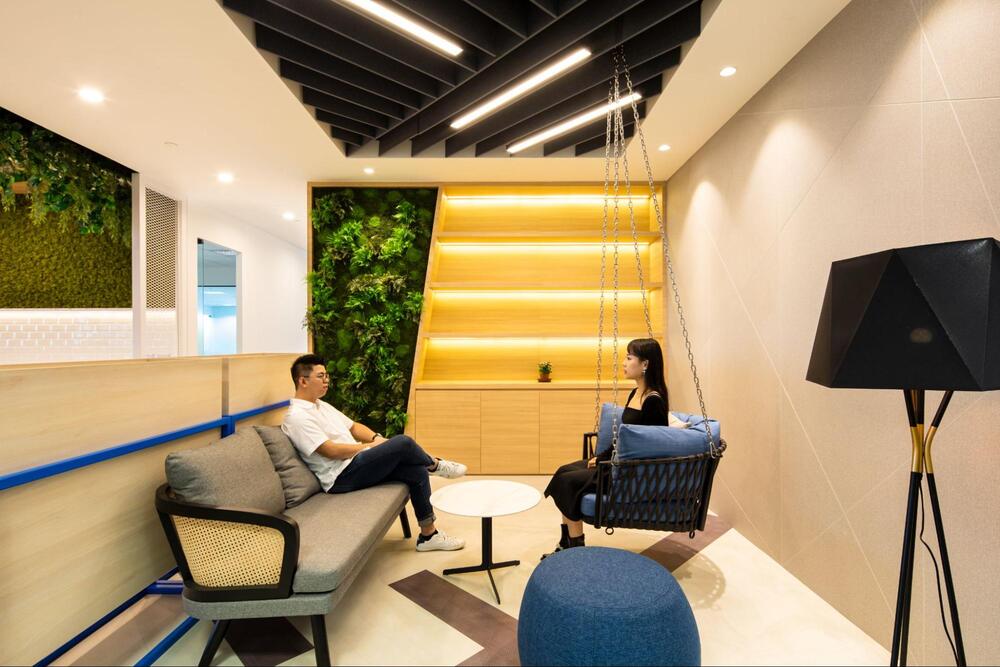
Biophilic design improves well-being by connecting people with nature. Yellow enhances this effect when used with plants and natural materials.
Functional benefits:
- Improves focus and mood
- Supports informal collaboration
- Enhances spatial experience
2. Best color combinations with yellow in office design
Yellow office ideas perform best when paired with controlled color systems.
2.1 Yellow and white for a clean look
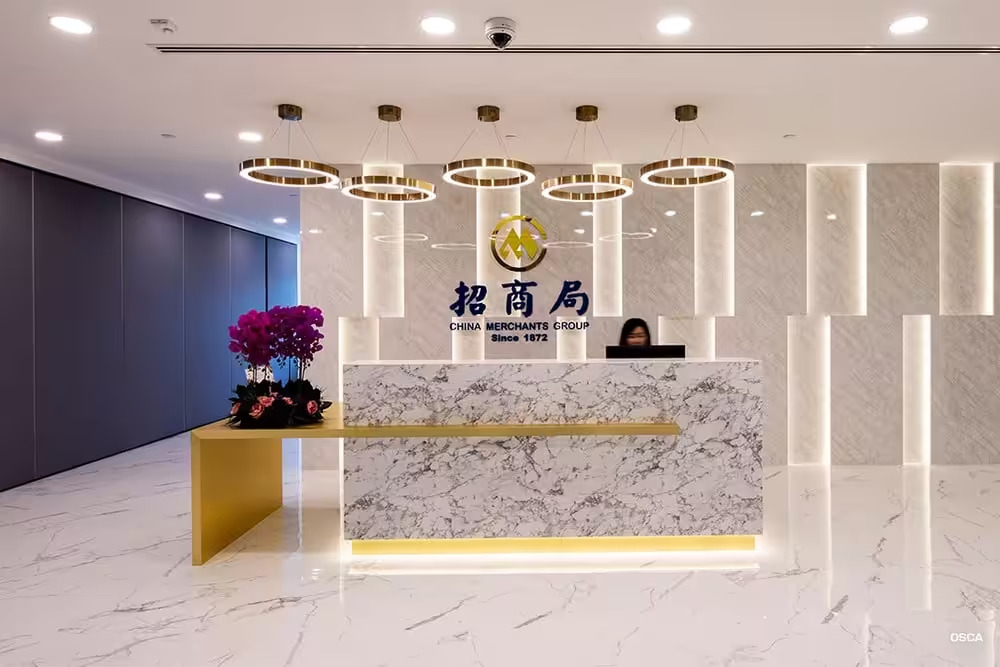
Yellow and white create a clear and organized workspace. This combination works well in small offices and high-focus areas.
Layout example:
- White workstation clusters
- Yellow meeting corner
- Neutral flooring for balance
Benefits:
- Supports focus and clarity
- Improves light reflection
- Works well in compact spaces
2.2 Yellow and grey for a modern style
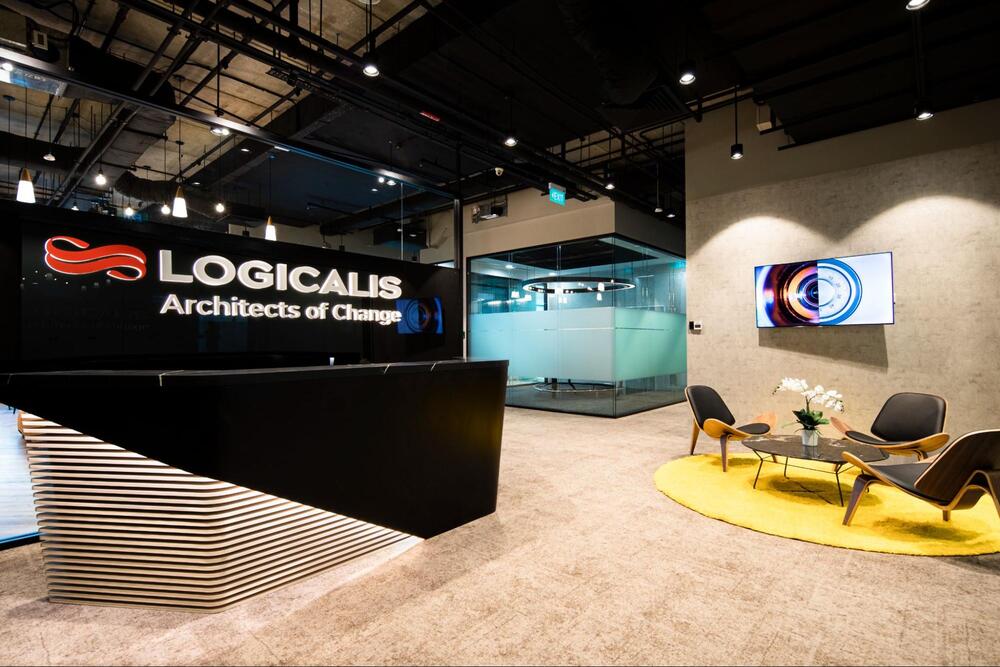
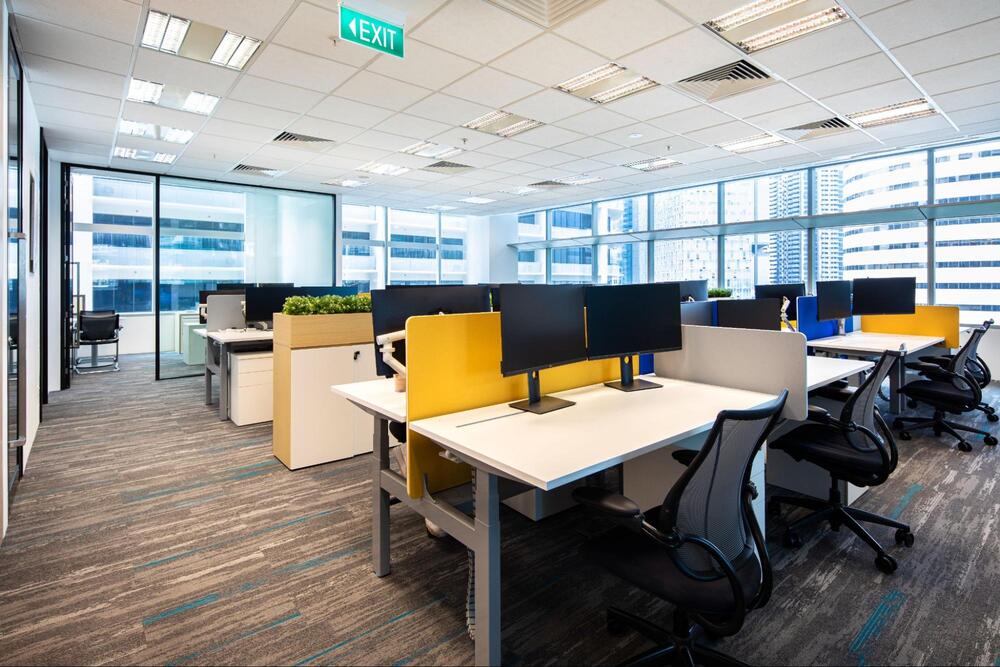
Grey and yellow office ideas are widely used in corporate environments. Grey stabilizes the space while yellow adds energy.
Practical layout:
| Area | Color strategy |
| Workstations | Grey desks + minimal yellow |
| Meeting rooms | Yellow seating + grey walls |
| Circulation | Neutral with subtle yellow cues |
Benefits:
- Reduces visual fatigue
- Supports zoning and navigation
- Fits most brand systems
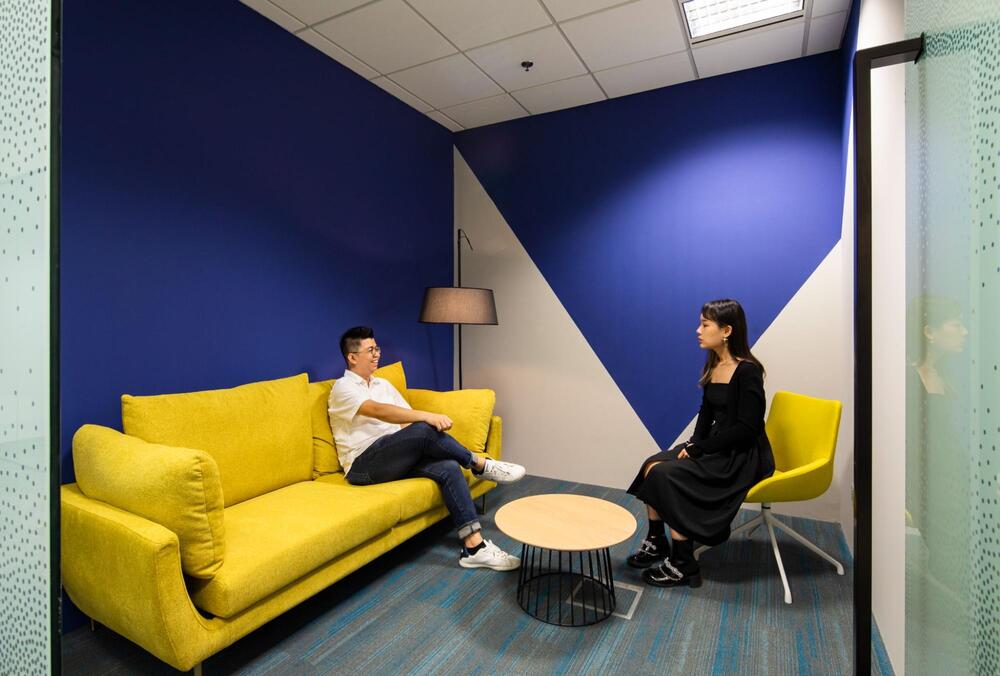
2.3 Yellow and blue for a creative space
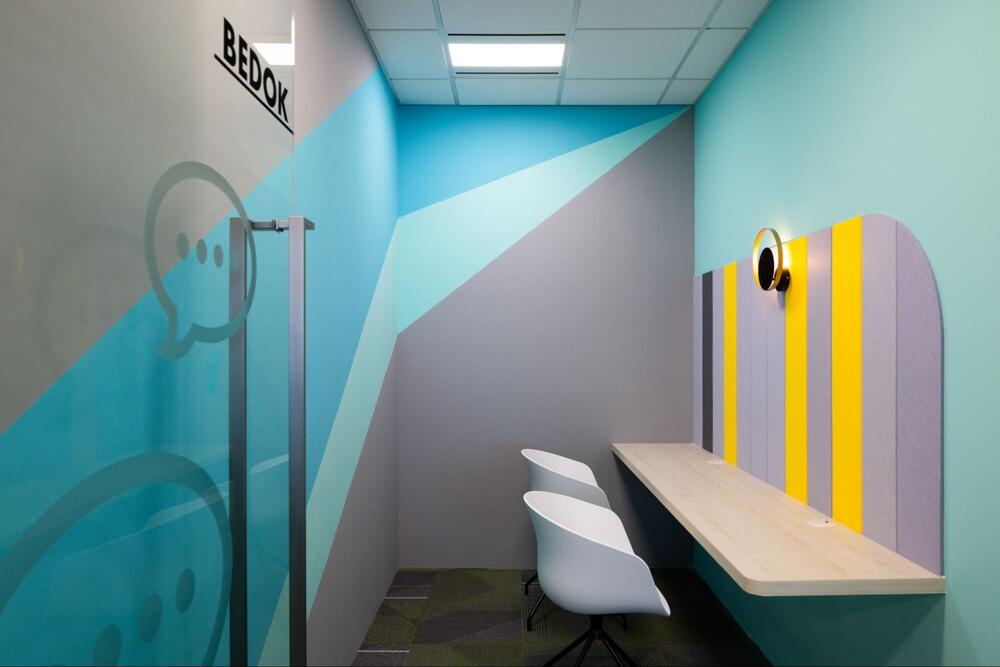
Yellow and blue create contrast that supports creative work. This combination suits design teams and collaborative environments.
Use case examples:
- Creative studios
- Brainstorm rooms
- Informal meeting areas
Benefits:
- Encourages idea generation
- Improves visual engagement
- Defines active zones clearly
2.4 Yellow and wood tones for warmth
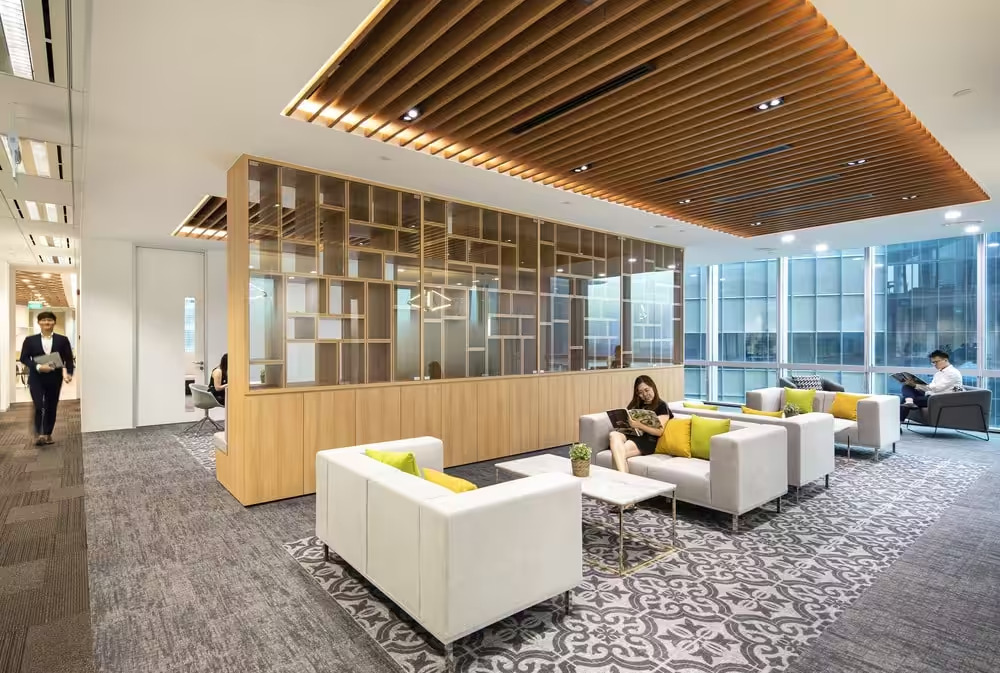
Yellow and wood create a balanced workspace with natural elements. This combination supports comfort and long working hours.
Layout example:
- Wood desks + yellow chairs
- Neutral walls + yellow lighting accents
- Green plants to complete the palette
Benefits:
- Improves comfort and well-being
- Reduces stress in long work sessions
- Supports hospitality-style offices
3. Common mistakes to avoid in yellow office design
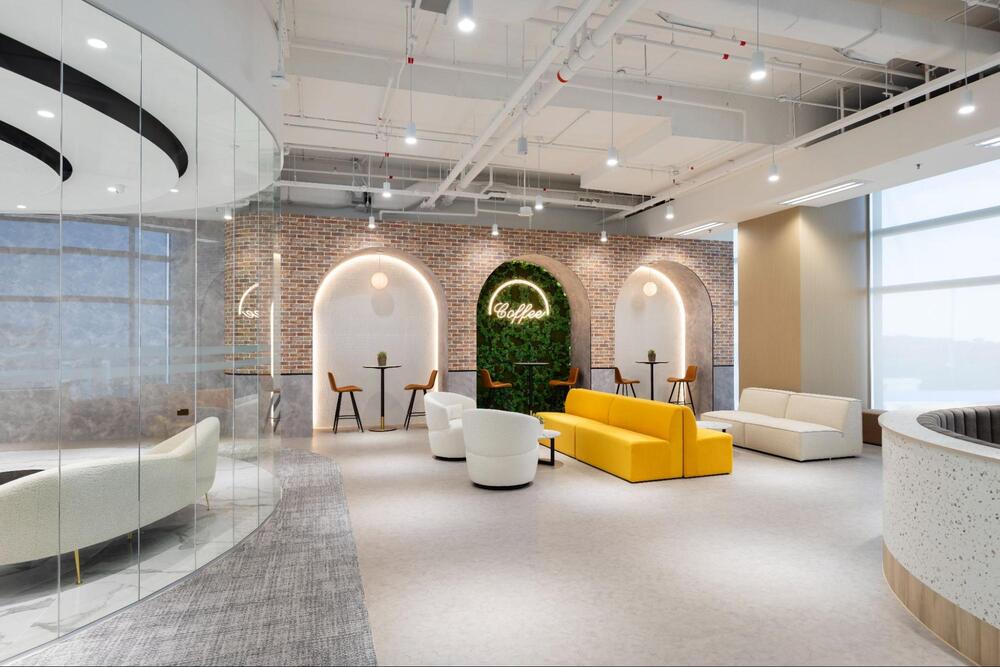
Using too much yellow and causing visual fatigue
Excessive yellow is the most common issue in yellow office decorating ideas. High saturation across large surfaces can lead to eye strain and reduced concentration.
How to identify the problem:
- Multiple yellow walls in one room
- Bright yellow applied on large surfaces
- Lack of neutral balance
Step-by-step solution:
- Apply the 70-20-10 rule: 70% neutral base (white, grey, or wood). 20% secondary color. 10% yellow accents
- Reduce coverage area: Limit yellow to one feature wall or selected furniture. Avoid using yellow on ceilings
- Adjust color tone: Replace bright yellow with muted or soft tones. Test samples before full application
- Balance with neutral elements: Add grey panels or white surfaces. Use neutral flooring to stabilize the palette
- Control surface finish: Use matte paint to reduce glare. Avoid reflective materials.
Poor color combinations that disrupt balance
Incorrect color pairing reduces the effectiveness of yellow office decor. Without structure, the space may feel inconsistent and difficult to use.
Common issues:
- Mixing too many colors without hierarchy
- Using yellow with clashing tones
- Lack of contrast between elements
Step-by-step solution:
- Define a clear palette: Select one base color (white, grey, or wood). Choose one supporting color. Use yellow as an accent only.
- Limit total colors: Keep the palette within 2–3 main colors. Avoid adding extra tones during execution.
- Use proven combinations: White + yellow for clarity. Grey + yellow for structure. Wood + yellow for balance.
- Test color interaction: Place materials side by side. Review under actual lighting conditions.
- Maintain consistency across zones: Apply the same palette in all areas. Avoid changing color logic between rooms.
Ignoring lighting conditions
Lighting affects how yellow appears in the workspace. Ignoring this factor can distort color, reduce comfort, and impact productivity.
Signs of poor lighting integration:
- Yellow looks too bright or dull
- Glare on walls or furniture
- Inconsistent color perception during the day
Step-by-step solution:
- Assess natural light: Identify window direction. Observe light intensity throughout the day
- Select appropriate yellow tones: Use softer yellow in high-light areas. Use stronger tones in low-light zones
- Choose correct artificial lighting: Use neutral white light (4000K–5000K). Avoid warm light that alters yellow tone
- Control glare: Use matte finishes on walls. Avoid placing yellow surfaces opposite strong light sources
- Test before final installation: Apply sample colors. Review under both daylight and artificial light
4. Professional yellow office design with OSCA
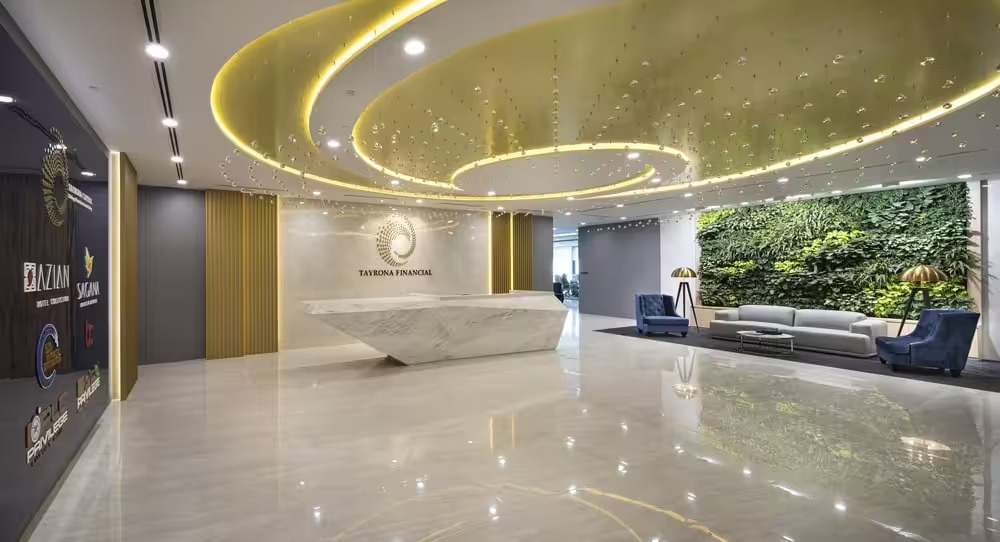
Yellow office ideas can elevate energy and brand presence, but only when applied with structure. Many offices fail because color is used without strategy. OSCA solves this by combining design, build, and workplace strategy into one integrated process. The result is a workspace where yellow office decor supports productivity, clarity, and long-term business goals.
OSCA develops custom solutions based on brand identity and operational needs.
How OSCA customizes design:
- Align yellow with brand colors and messaging
- Select suitable combinations such as grey and yellow office ideas for corporate environments
- Adjust intensity based on lighting and space size
- Integrate furniture, materials, and finishes into one system
Why businesses choose OSCA:
- End-to-end design & build service
- Strong control over quality, cost, and timeline
- Expertise in integrating color with workplace strategy
- Proven experience across industries
Yellow office ideas can deliver strong results when applied with the right strategy. For companies that require a complete and reliable solution, working with a professional partner like OSCA Asia ensures that every element is executed with precision.